Larch
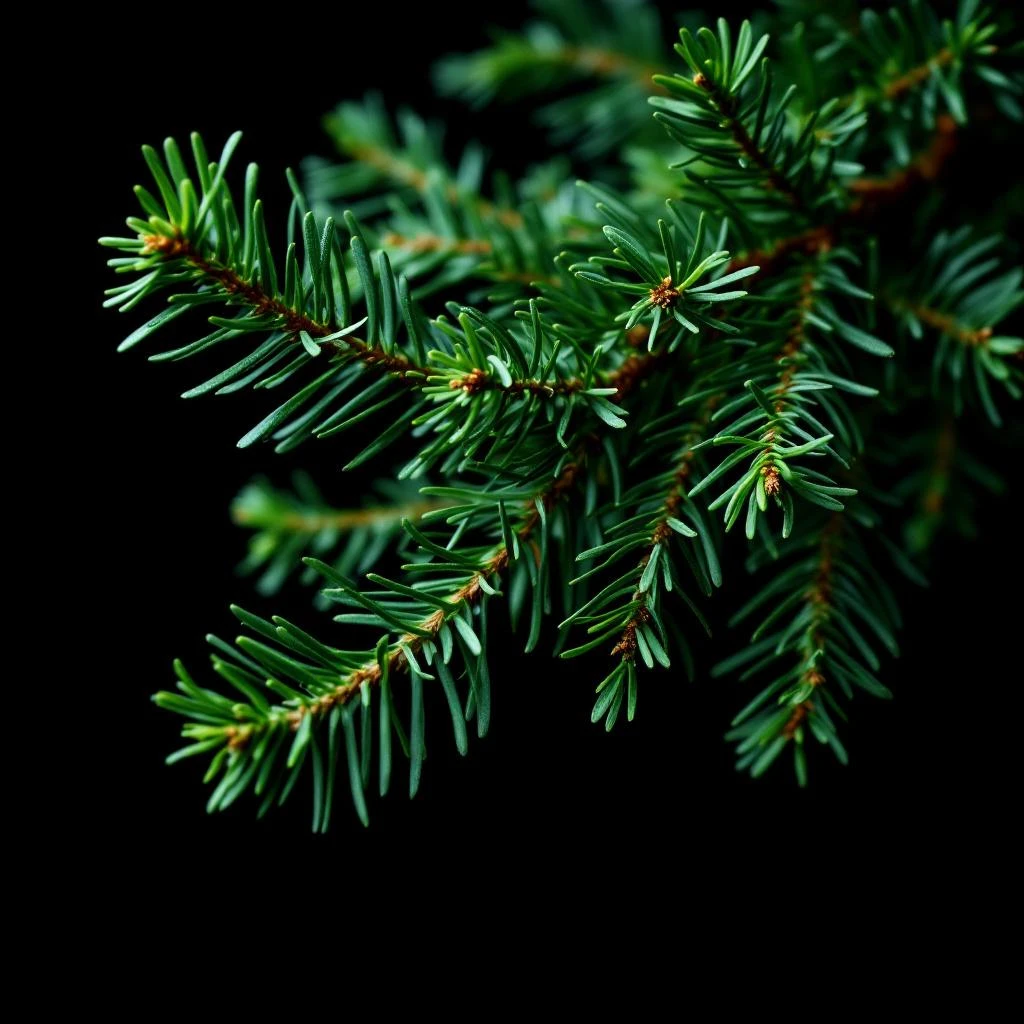
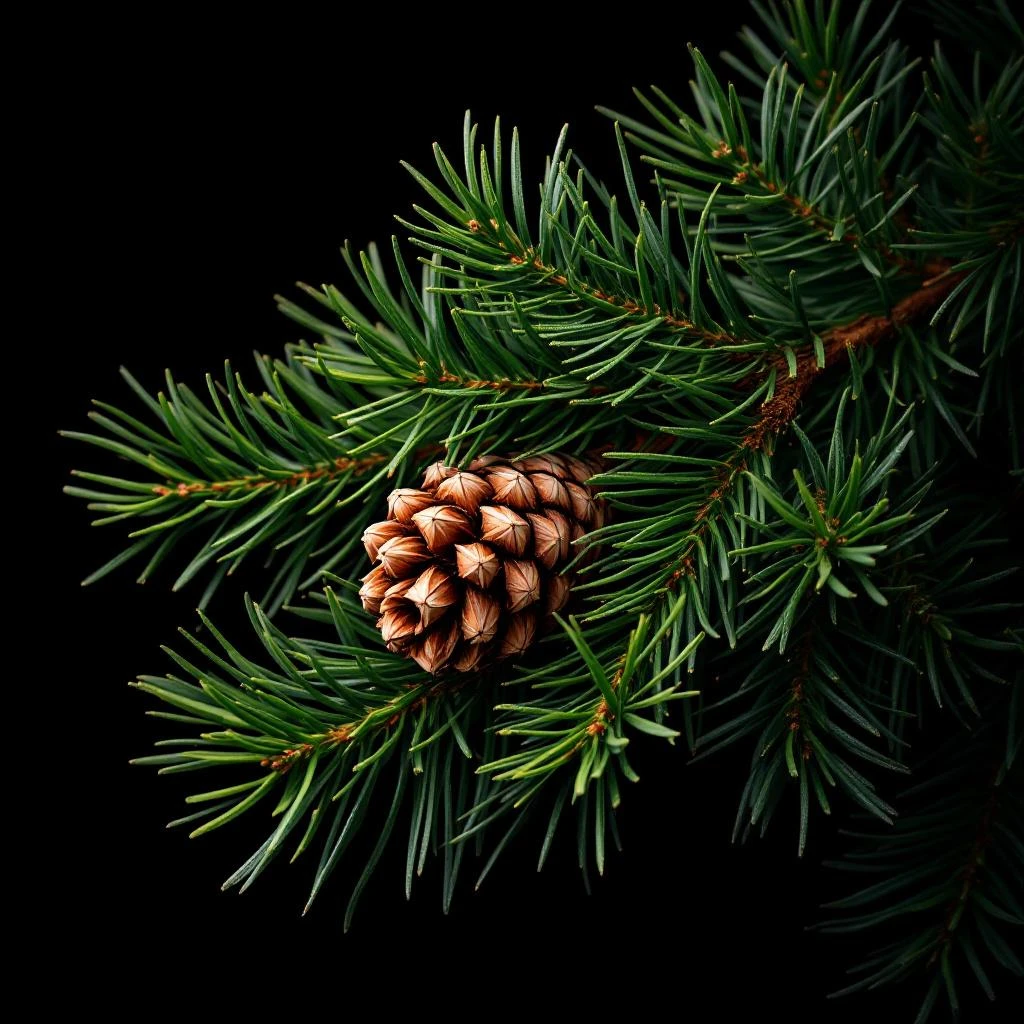
Larch brings a crisp, resinous edge to perfumery, distilled from the golden oleoresin of conifers thriving in alpine forests. Its dry, balsamic character anchors woody compositions with quiet strength.
Character
How it smells
Alpine resin, bottled.
Larch turpentine, historically called Venice turpentine, was once considered the finest natural varnish in Europe and remains a perfumer's secret for adding coniferous warmth.






Origin
Austria
Larch resin has been prized since antiquity, with references in Greek and Roman texts describing its medicinal and aromatic applications. By the Renaissance, it earned the name Venice turpentine because Venetian traders shipped it across Europe as the highest-grade conifer resin available.
Painters valued it as a crystal-clear varnish for oil pigments, while apothecaries prescribed it for respiratory ailments. In classical perfumery, larch turpentine appeared in early incense blends and medicinal unguents, lending a clean forest note that contrasted heavier animalic ingredients.
Alpine communities in Austria, Switzerland, and northern Italy sustained the trade for centuries, passing tapping techniques through generations. By the 19th century, synthetic solvents began replacing natural turpentine in industrial applications, yet perfumers continued sourcing authentic larch oleoresin for its distinctive, nuanced character that chemistry struggles to replicate.
Wears it best
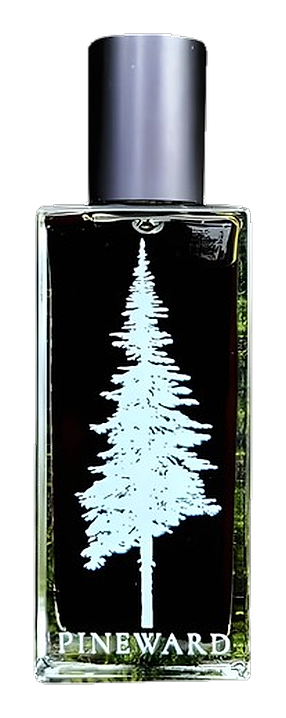
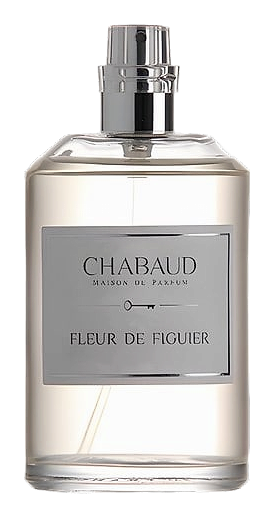
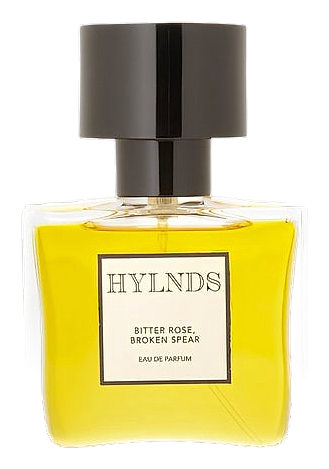
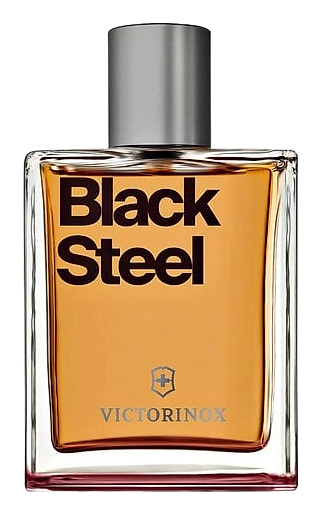
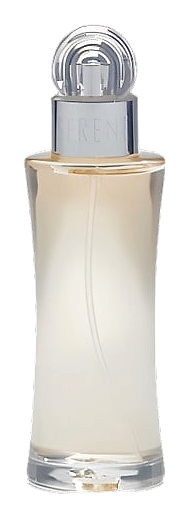
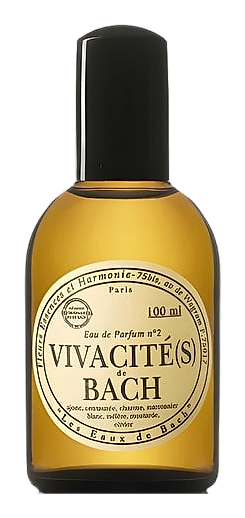
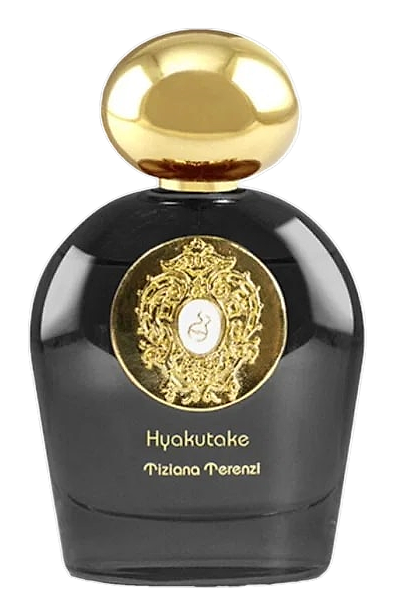
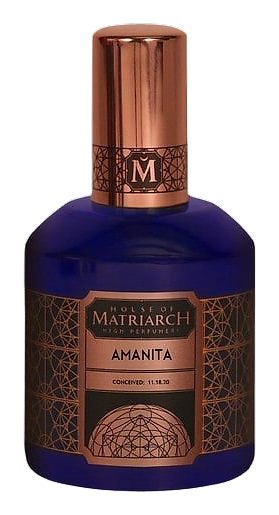
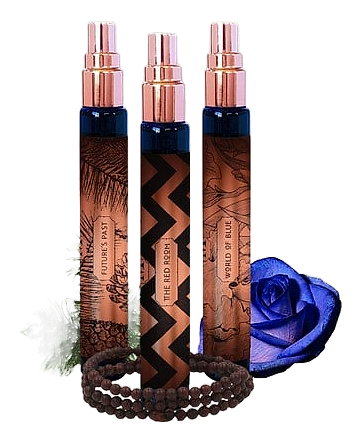
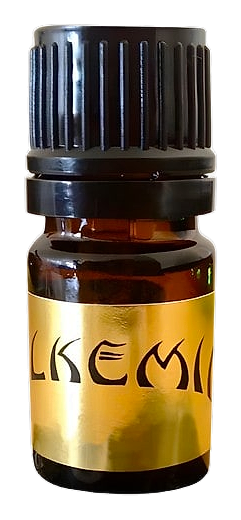
Fragrances featuring Larch

Good to know
Questions, answered
The essentials on Larch in perfumery: how it smells, where it comes from, and how it behaves on skin.
What does larch smell like in perfume?
Larch oil carries a fresh, resinous aroma with crisp pine top notes and warm, balsamic undertones. It evokes coniferous forests with a dry, slightly smoky finish that grounds woody compositions.
Is larch the same as Venice turpentine?
Yes, historically. Larch oleoresin from European Larix decidua was traded through Venice and called Venice turpentine, considered the finest natural turpentine available for varnishes and fragrance.
Where does larch resin come from?
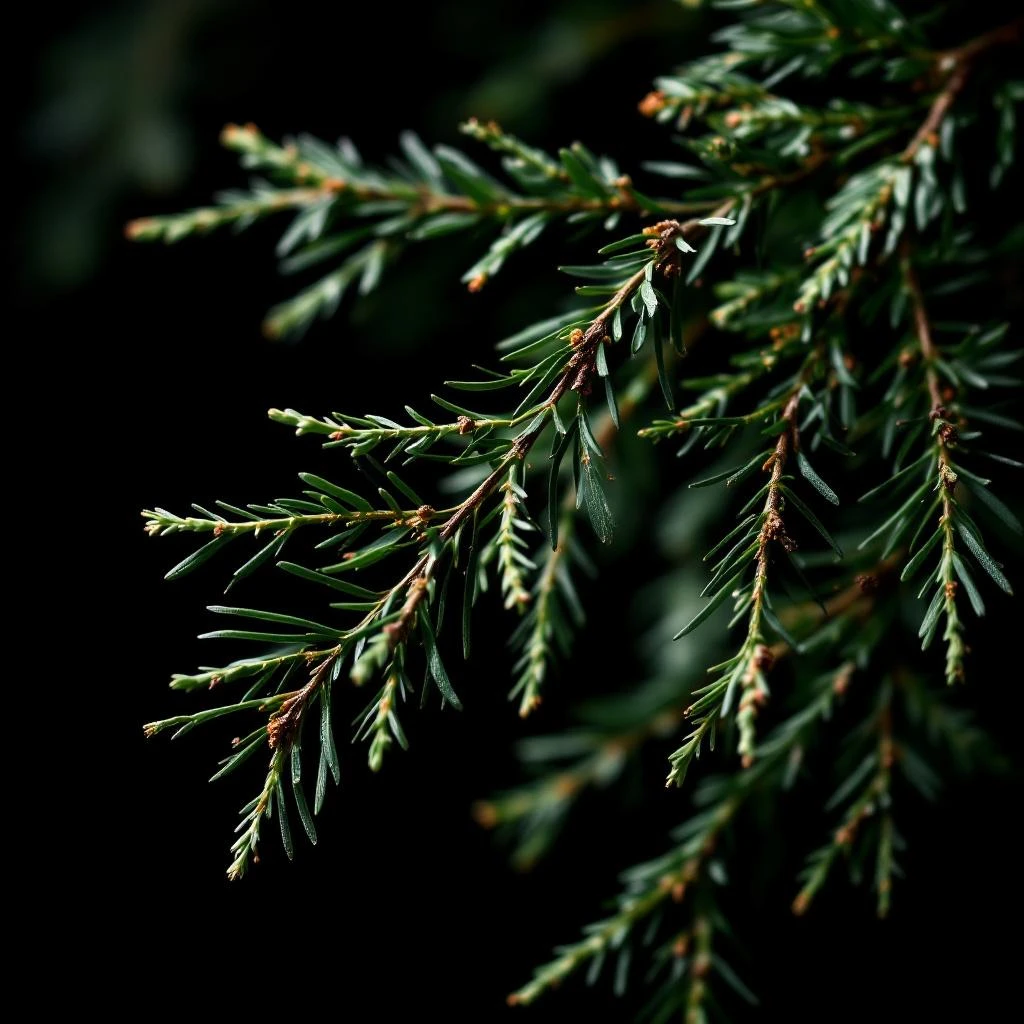
European larch trees, primarily Larix decidua, are tapped in the Tyrolean Alps across Austria, northern Italy, and Switzerland, where traditional harvesting methods remain in use.
Is larch essential oil sustainable?
When tapped using traditional methods, larch resin harvesting is renewable, as trees produce oleoresin for decades without felling. However, wild larch populations face pressure from climate change in alpine zones.
What perfumes use larch notes?
Larch turpentine appears in select niche and heritage fragrances, particularly in coniferous and chypre styles seeking authentic forest character rather than synthetic pine alternatives.
How is larch oleoresin collected?
Harvesters cut small channels into mature larch bark during warm months, allowing the sticky resin to exude and collect in attached cups. Trees are typically tapped on rotation.
Can larch be confused with pine?
Yes, both belong to the Pinaceae family and share resinous qualities, but larch offers a drier, more balsamic profile with less sharp terpene bite than typical pine oils.
Is larch oil safe for skin?
Larch turpentine is generally safe in diluted perfume concentrations. It can sensitize some individuals, so patch testing is recommended before direct skin application in high doses.