Heritage
A house, in its own words
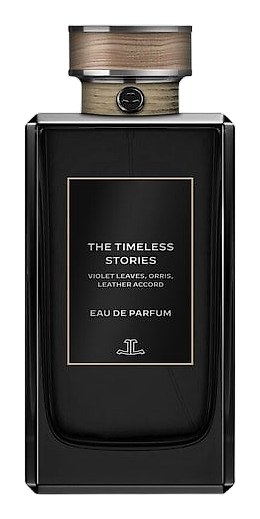
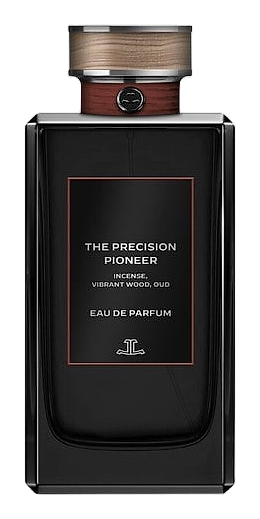
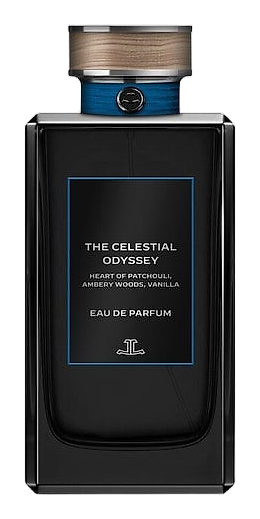
The Maison traces its origins to 1833, when Antoine LeCoultre established a watchmaking workshop in the Vallée de Joux, a region long associated with Swiss horology. Working largely in isolation, LeCoultre developed a reputation for precision mechanisms and inventive complications, a foundation that carried through subsequent generations of the family. The Vallée de Joux setting shaped the workshop's identity: a remote, lake-adjacent valley where independent craftspeople refined their techniques over generations. The brand as it exists today took shape in 1937, when Antoine's grandson and Edmond Jaeger formed Jaeger-LeCoultre, merging the combined expertise of two houses. The manufacture grew to become one of the most prolific movement producers in Swiss watchmaking, supplying calibers to other houses and amassing hundreds of patents across the 20th century. Fragrance arrived nearly two centuries after the workshop's founding. In 2024, Jaeger-LeCoultre launched its debut trio of perfumes under the Made of Makers banner, a program the watchmaker had previously used for collaborations with artists in other disciplines. The scents were developed with French perfumer Nicolas Bonneville, marking the Maison's first formal step into haute perfumery. Jaeger-LeCoultre approached fragrance the same way it approaches watchmaking: as a discipline grounded in mechanism, patience, and accumulated knowledge. According to reports on the launch, the Maison created the trio to express its history and tell its stories, treating scent as another medium for transmitting heritage. Bonneville's brief centered on translating the Maison's horological vocabulary into olfactory terms. The Timeless Stories reflects continuity and legacy, The Precision Pioneer channels the watchmaker's inventive drive, and The Celestial Odyssey draws on astronomical complications, a long-running fascination for the Vallée de Joux manufacture. Sources describe the fragrances as intentionally intense, built with the concentration and structure typical of haute perfumery rather than lighter eau de toilettes. The Made of Makers program, which previously hosted collaborations across visual arts and craft, provided the conceptual framework. Bonneville joined that roster as the first perfumer in the program, framing fragrance within an existing dialogue between the Maison and contemporary artisans rather than positioning it as a marketing extension.