Scotch Whisky
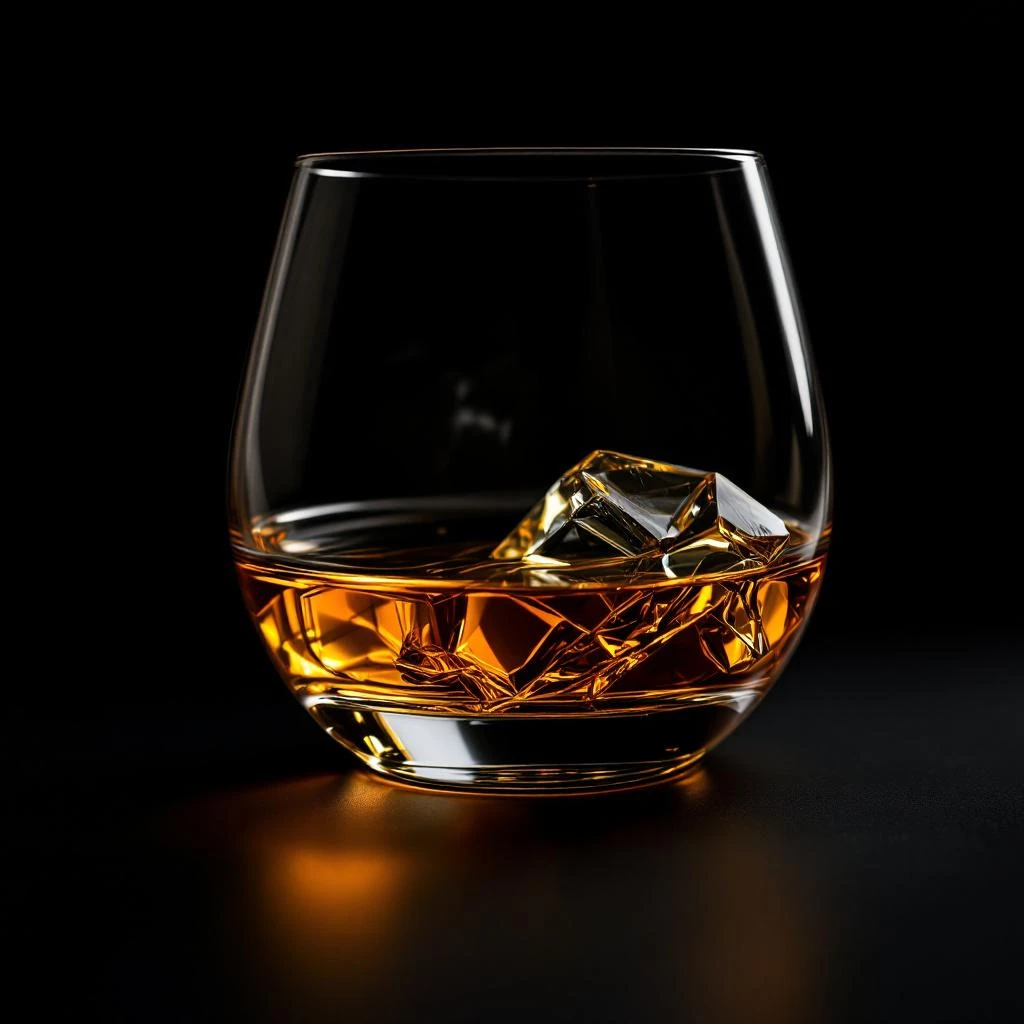
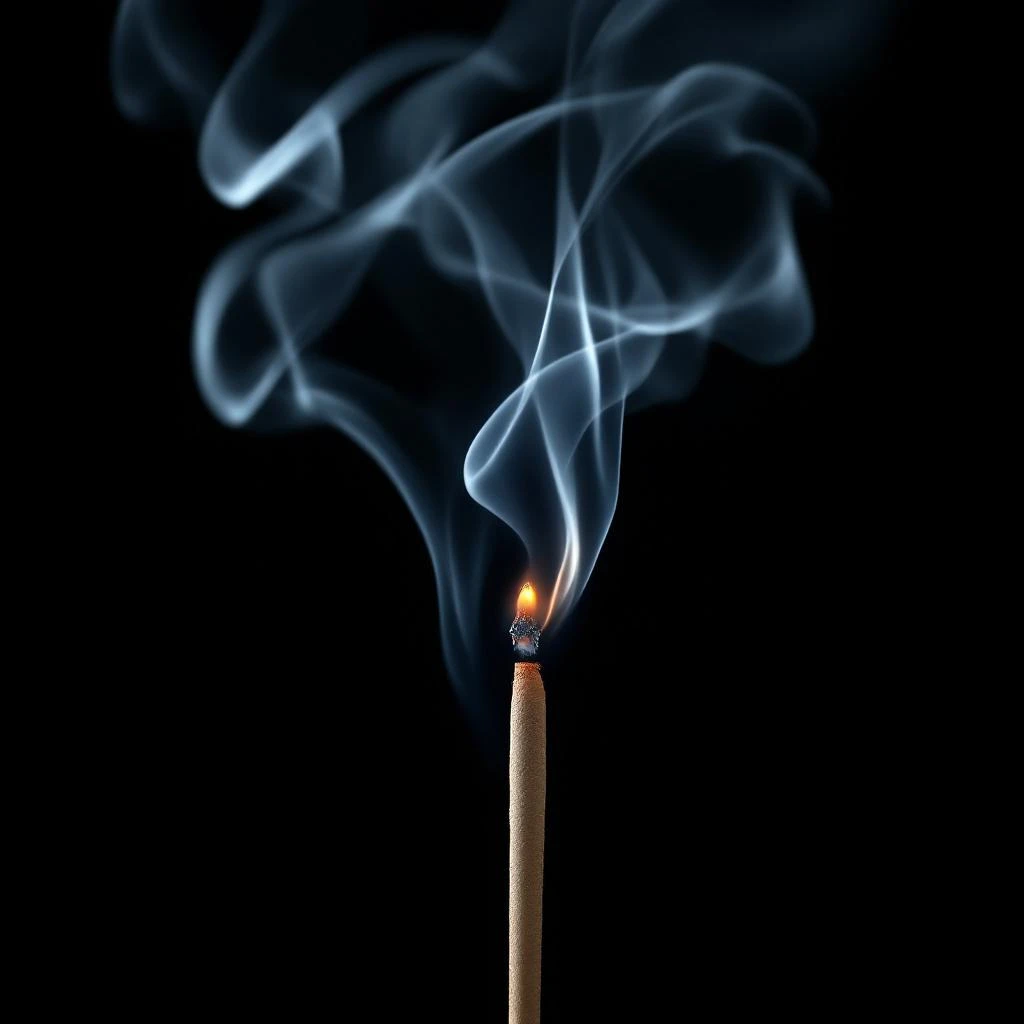
A bold, multifaceted fragrance note that captures the smoky warmth of peated barley, the sweetness of aged oak, and the depth of caramelized spirits. Scotch whisky brings rugged sophistication to compositions that seek depth and character.

Character
How it smells
Smoky, warm, and richly complex—a rugged spirit captured in scent.
Peat smoke used in Scotch whisky production comes from partially decayed vegetation that has accumulated over thousands of years in Scottish bogs.


Origin
Scotland
The art of distilling arrived in Scotland around the 12th century, carried by traveling monks from mainland Europe. The earliest documented Scottish distilling appears in 1494 tax records from the Friar's Court in Edinburgh. For centuries, whisky remained an unregulated farmhouse product, often medicinal in purpose.
The Acts of Union in 1707 opened English markets to Scottish spirits, catalyzing commercial production. The industry faced constant taxation, triggering waves of illicit distilling in remote glens. The 1823 Excise Act finally made legal production viable, and the Victorian era saw the rise of grand Highland distilleries.
The introduction of column stills and systematic maturation practices transformed whisky into Scotland's national beverage. Its aromatic complexity, born from peated water, aged oak, and malted barley, eventually attracted perfumers seeking to bottle that elemental Scottish character.
Wears it best
Fragrances featuring Scotch Whisky
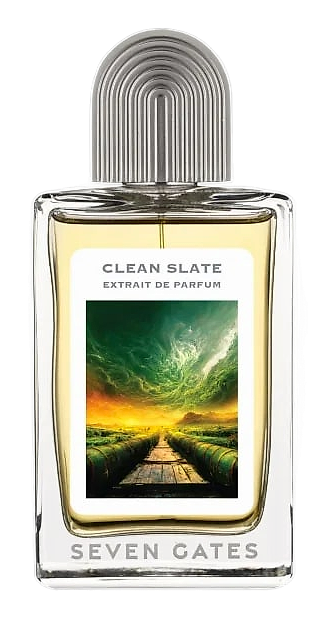
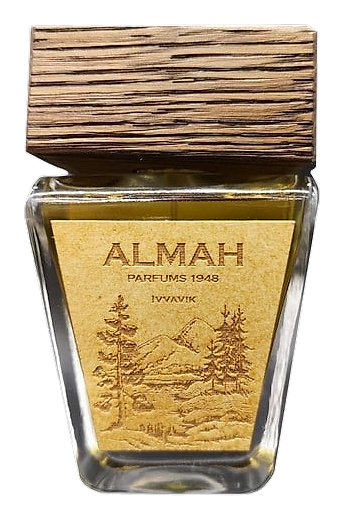
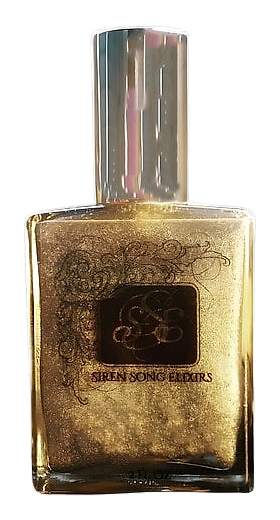
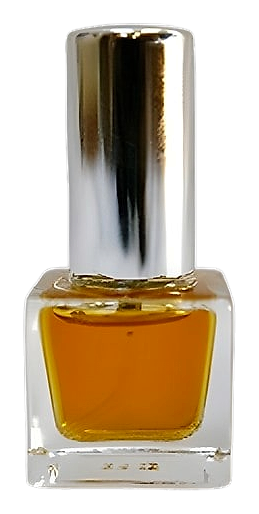
Brands
Brands known for Scotch Whisky
Good to know
Questions, answered
The essentials on Scotch Whisky in perfumery: how it smells, where it comes from, and how it behaves on skin.
What does Scotch whisky smell like in fragrance?
Scotch whisky in perfume presents smoky, peaty warmth layered with caramel sweetness, vanilla depth, and dry oak. The effect is masculine, sophisticated, and deeply warm.
Is actual whisky used in perfume production?
Perfumers reconstruct whisky's aroma using synthetic molecules rather than distilled spirit. This approach ensures consistency and longevity that real whisky cannot provide in a fragrance formula.
What gives Scotch whisky its characteristic smoky scent?
Peat smoke contains guaiacol and related phenolic compounds. During malting, burning peat releases these molecules into the barley, which later contribute their distinctive smoky character to both the spirit and its fragrance counterpart.
Which fragrance families commonly use whisky notes?
Whisky notes appear most often in oriental, woody, and leathery compositions. They add warmth and depth to men's fragrances seeking a rugged, sophisticated character.
What is the difference between whisky and bourbon notes in perfumery?
Scotch whisky emphasizes peaty, smoky, and medicinal qualities with drier wood character. Bourbon offers sweeter vanilla, coconut, and warmer caramel tones from American white oak casks.
Does whisky work with other fragrance ingredients?
Whisky pairs exceptionally with leather, tobacco, amber, vanilla, and oud. These combinations amplify warmth and create deeply masculine, barbershop-inspired compositions.
When did whisky notes first appear in perfumery?
Whisky notes emerged in perfumery during the late 20th century as interest in spirit-inspired fragrances grew, though reconstruction of spirit characters dates to 19th-century aromatic chemistry.
Is whisky considered a top, middle, or base note?
Whisky functions primarily as a base note, providing depth and lasting warmth. However, its lighter smoky facets can emerge in the heart phase of certain compositions.