Rhubafuran
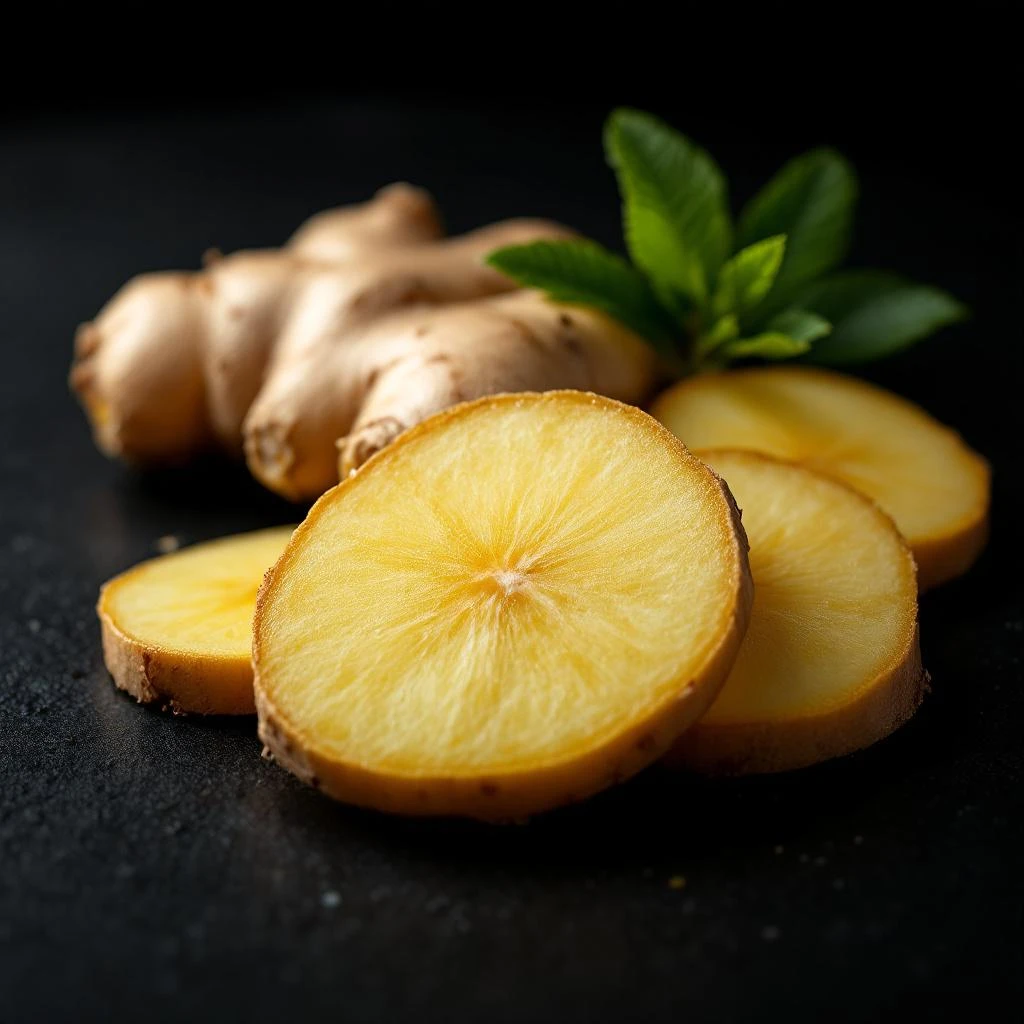
Rhubafuran delivers a sharp, tangy burst of rhubarb with an unexpected green eucalyptus snap. Created in the lab to solve a perfumer's puzzle, this synthetic molecule brings crisp, fruity freshness to modern compositions.
Character
How it smells
Tangy rhubarb, eucalyptus snap
Rhubafuran replicates the scent of rhubarb without using any rhubarb at all, offering perfumers a consistent, long-lasting alternative to the temperamental real plant.



Origin
Switzerland
Rhubafuran emerged during the mid-20th century expansion of aroma chemistry, when houses like Givaudan raced to isolate or invent molecules that could capture fleeting natural impressions with greater stability and impact. Chemists studying tetrahydrofuran derivatives discovered that substituting a phenyl group at the 4-position alongside methyl groups at the 2 and 4 positions produced an intensely rhubarb-like aroma, something previously impossible to extract reliably from the actual rhubarb plant. The molecule entered commercial perfumery as part of a wave of specialty synthetics that expanded the creative palette beyond naturals.
Its particular strength lies in bridging fruity top notes with green, slightly medicinal accents, a combination that proved especially valuable as citrus and gourmand fragrance families gained popularity from the 1970s onward. Today Rhubafuran remains a tool for perfumers seeking authentic rhubarb character without the limitations of working with the botanical itself.
Wears it best
Fragrances featuring Rhubafuran
Brands
Brands known for Rhubafuran
Good to know
Questions, answered
The essentials on Rhubafuran in perfumery: how it smells, where it comes from, and how it behaves on skin.
What does Rhubafuran smell like?
Rhubafuran smells like fresh, tangy rhubarb stalks with a green eucalyptus undertone. The molecule delivers a sharp fruity tartness layered over cool, slightly minty herbaceousness, making it read as both edible and botanical.
Is Rhubafuran natural or synthetic?
Rhubafuran is fully synthetic. It was created by Givaudan chemists to reproduce rhubarb's distinctive aroma without relying on the actual plant, which yields inconsistent extracts and degrades quickly after harvest.
Which perfumes contain Rhubafuran?
Many modern fragrances use Rhubafuran to create rhubarb accords, particularly in fruity, citrus, and gourmand compositions. Its use is common in niche and mass-market releases from the 1990s onward where rhubarb is a listed note.
Why is Rhubafuran used in perfumery?
Rhubafuran offers perfumers a stable, high-impact rhubarb note that natural rhubarb extracts cannot match. A single drop provides intense tart-fruity brightness that holds up in formulations without oxidizing or discoloring over time.
Can Rhubafuran cause allergic reactions?
Like most fragrance molecules, Rhubafuran must be evaluated under IFRA safety standards. Current IFRA guidelines restrict its concentration in leave-on products based on dermal sensitization data, ensuring consumer safety at recommended use levels.
Is Rhubafuran safe for use in air fresheners?
Yes, Rhubafuran is widely used in air care products where its high impact and stability shine. Its tangy-green profile cuts through other volatiles effectively, and IFRA guidelines permit appropriate concentrations for non-skin contact applications.
What does Rhubafuran pair well with in fragrance compositions?
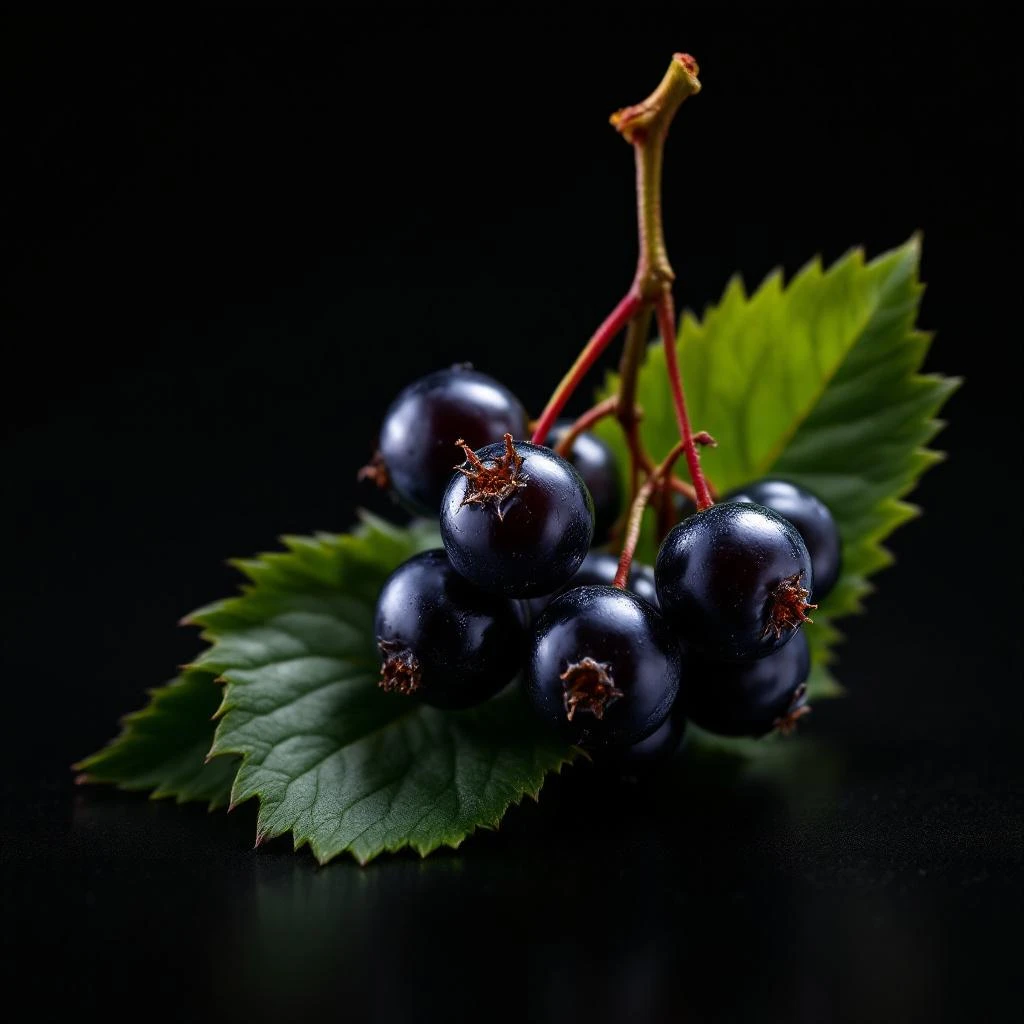
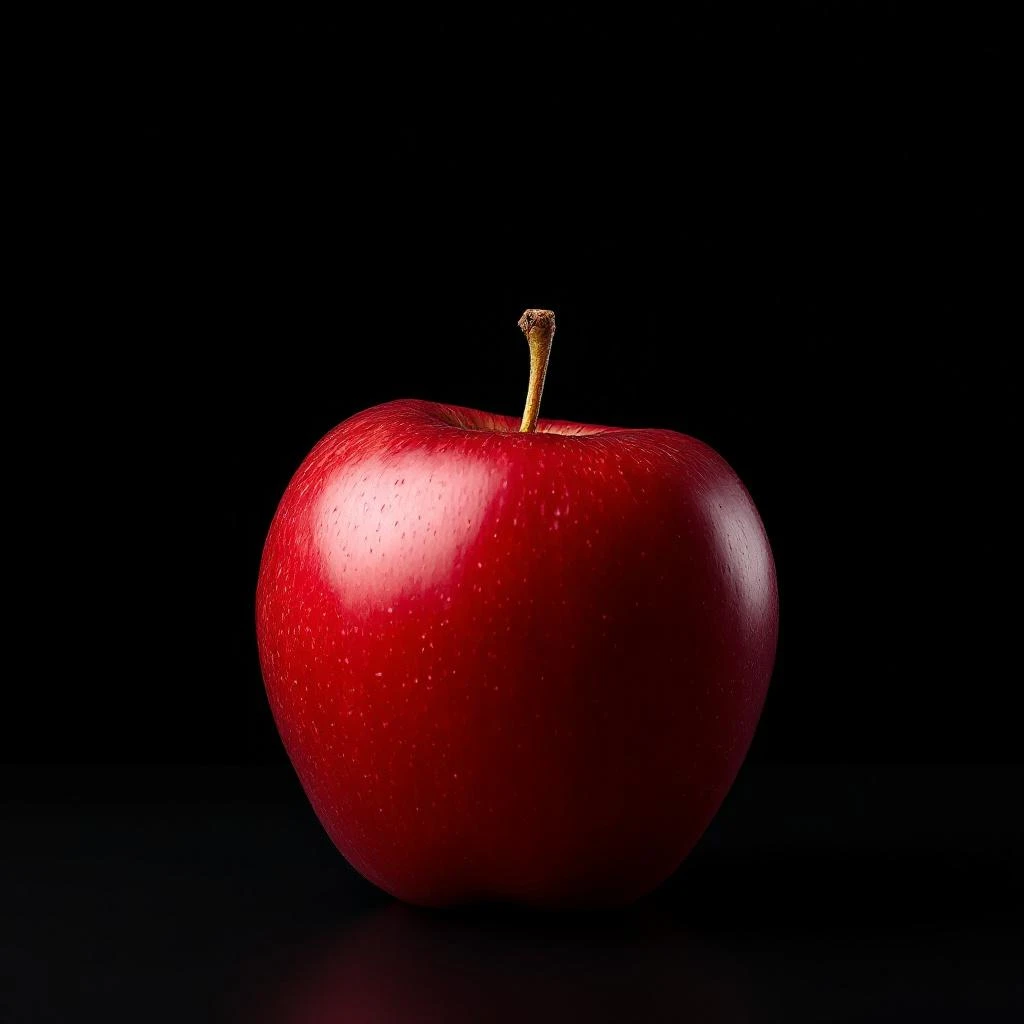
Rhubafuran pairs exceptionally with citrus oils like bergamot and grapefruit, green notes such as galbanum and stemone, and fruity accords including cassis and apple. These combinations amplify its tart brightness while balancing the eucalyptus facet.
Who makes Rhubafuran?
Givaudan, the Swiss fragrance and flavor company, originally developed and commercialized Rhubafuran. Today it is also produced by several Chinese aroma chemical manufacturers, though Givaudan remains the primary reference source for quality and specification.