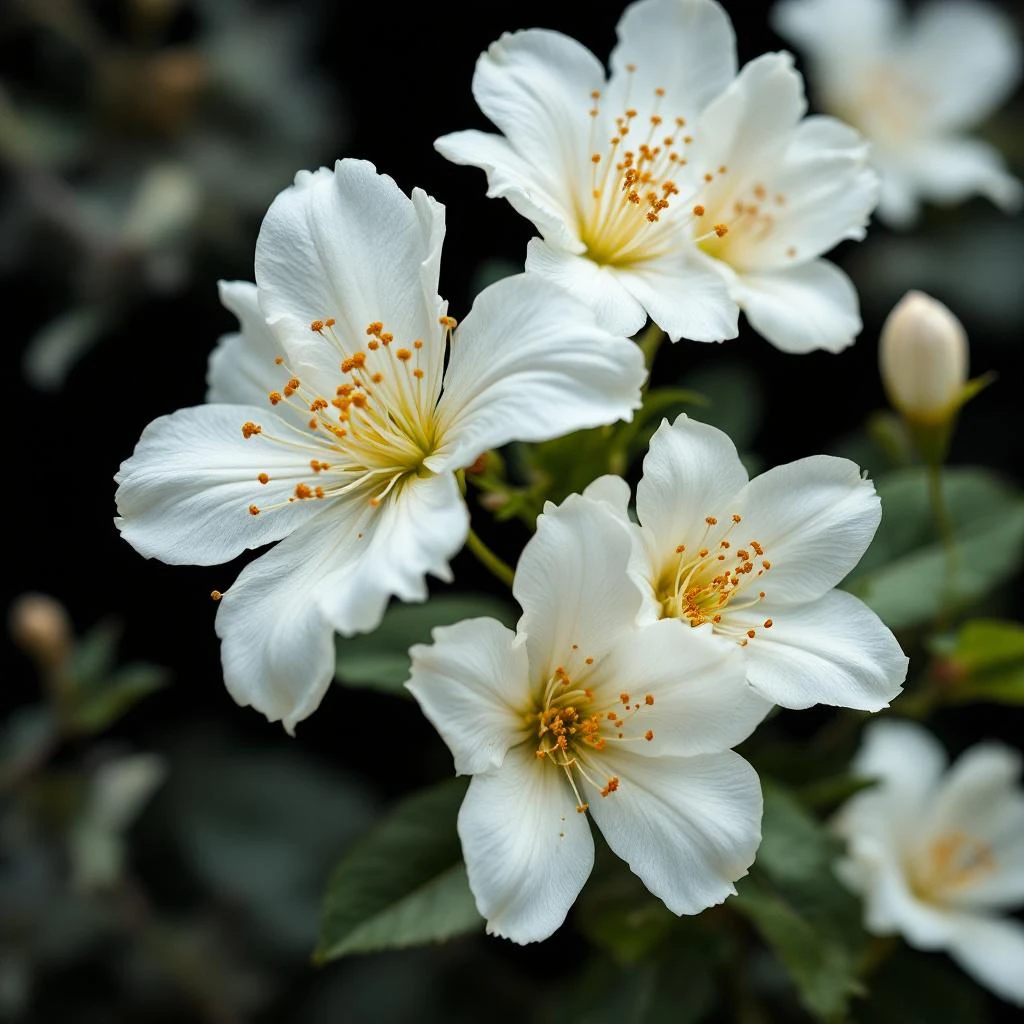
Melissa Flower
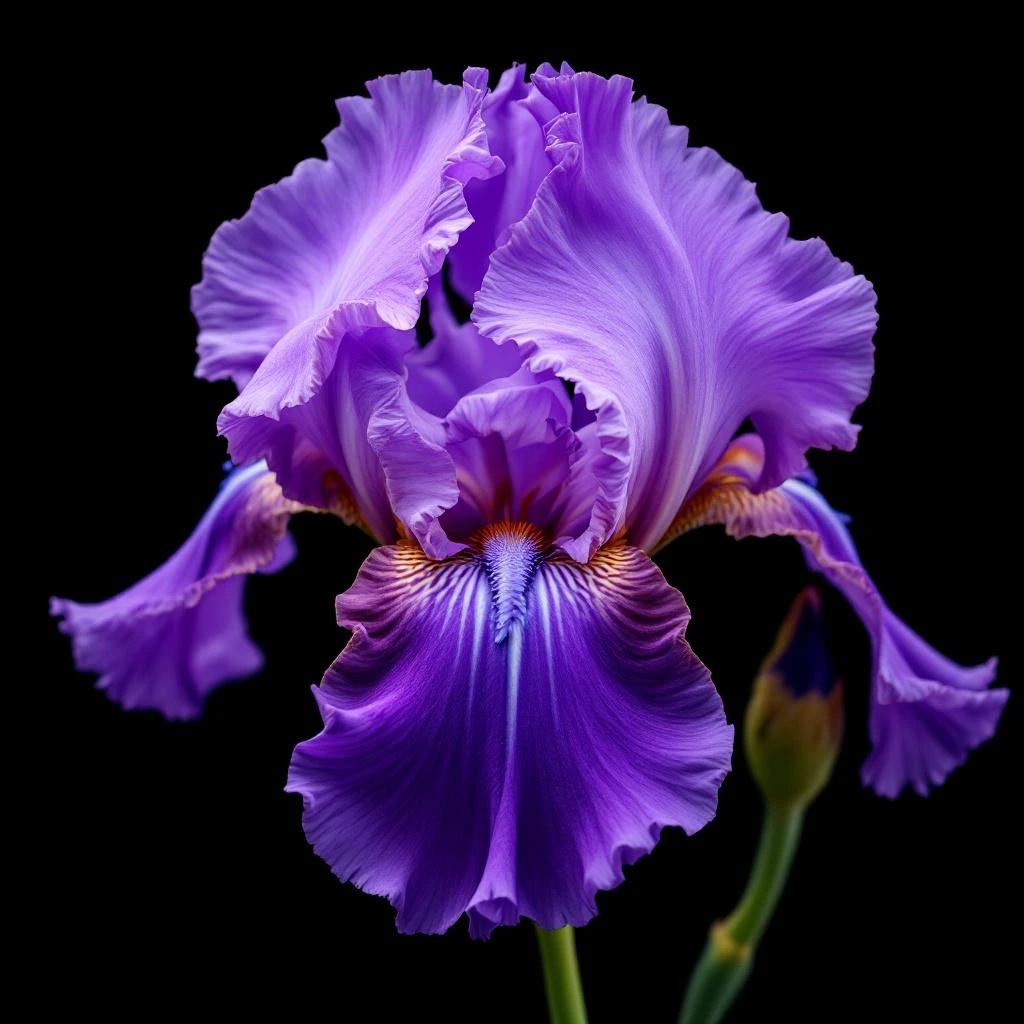
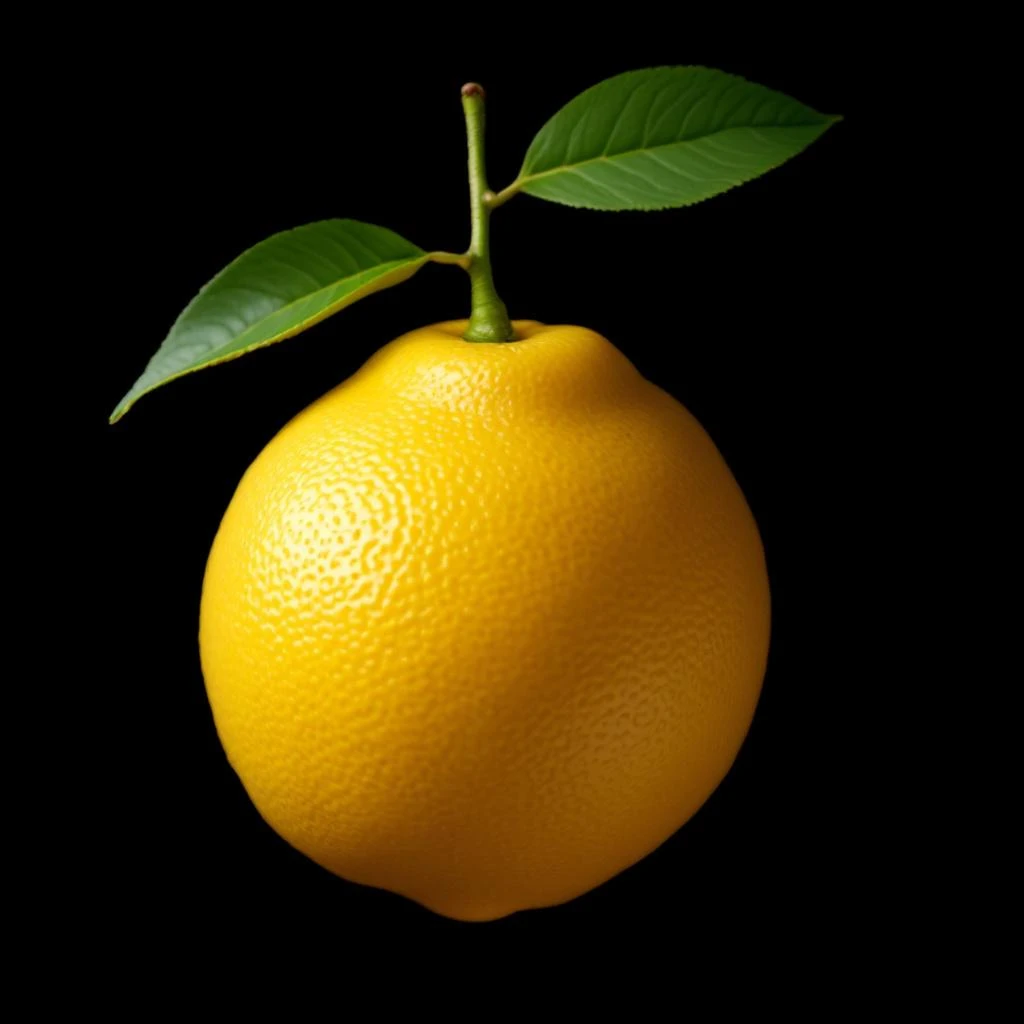
Melissa flower delivers a rare citrus-green freshness rarely found in nature. Its delicate, fleeting aroma carries bright lemon and subtle herbaceous undertones that vanish quickly on the skin. True Melissa absolute remains one of perfumery's most elusive ingredients.
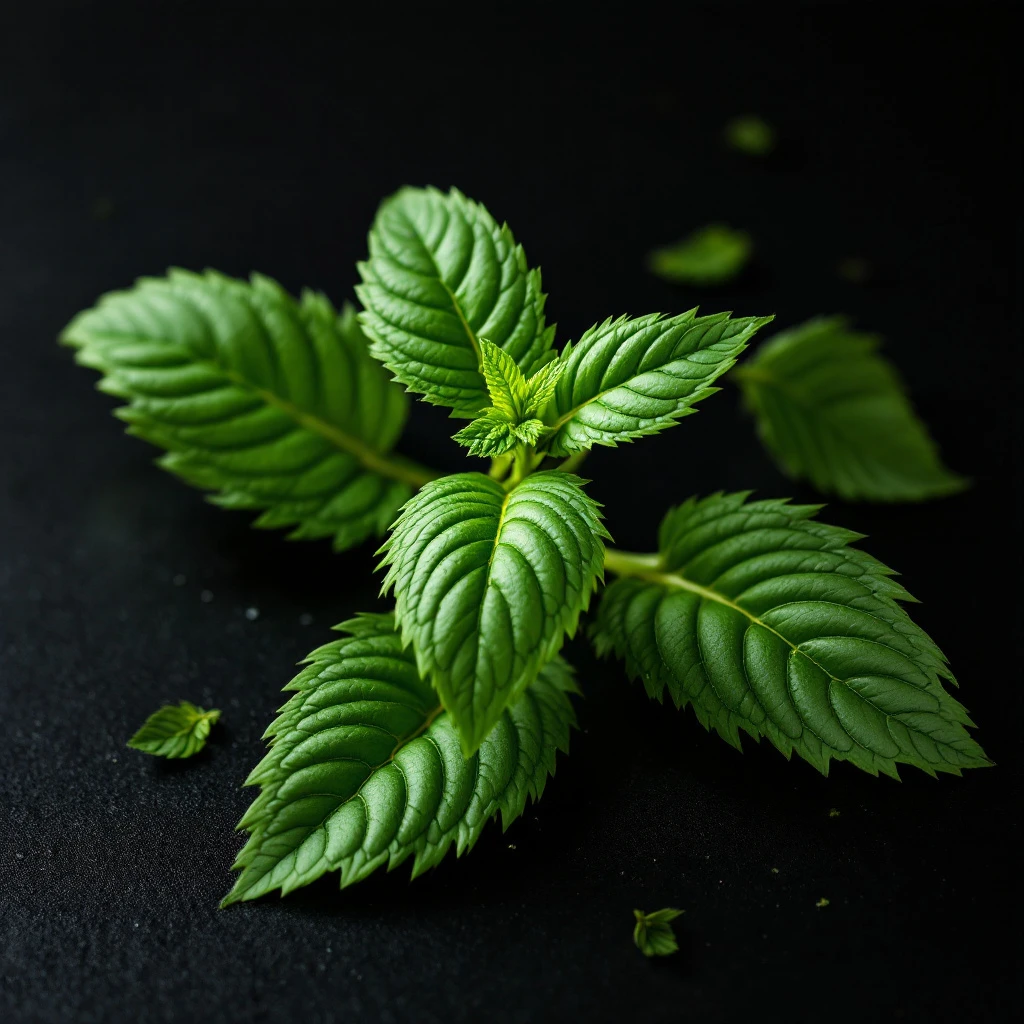
Character
How it smells
Citrus-bright. Green and airy. Surprisingly rare.
Melissa is Greek for "honey bee" — ancient beekeepers planted it near hives, knowing the flowers draw swarms from far distances.




Origin
Mediterranean Basin
Lemon balm grew wild across the Mediterranean basin and was documented by Greek physician Dioscorides around 50 CE for its calming properties. Medieval European monasteries cultivated it in medicinal gardens, and Carmelite nuns in 14th-century France created a scented water from Melissa, lemon peel, and angelica that became prized among French aristocracy. The plant traveled to the Americas with early colonists who used it in teas and folk remedies.
Perfumery adopted Melissa essential oil by the 18th century, drawn to its clean citrus brightness before synthetic aroma chemicals existed. Today, natural Melissa remains a niche ingredient due to cultivation challenges, though its spirit lives on in modern fragrance compositions.
Wears it best
Fragrances featuring Melissa Flower
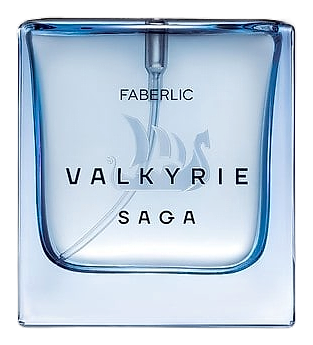
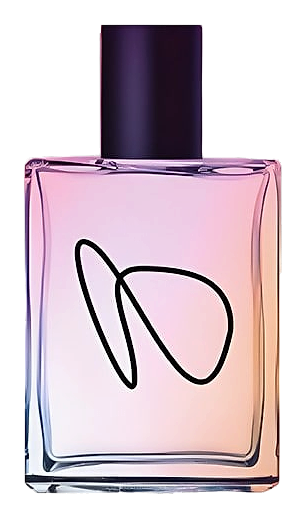
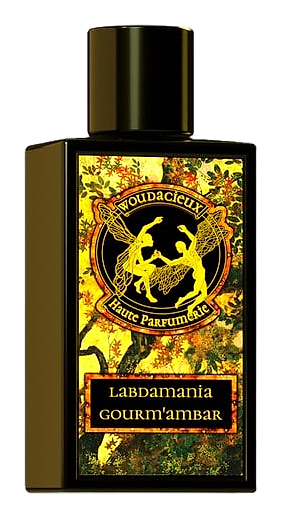

Brands
Brands known for Melissa Flower
Good to know
Questions, answered
The essentials on Melissa Flower in perfumery: how it smells, where it comes from, and how it behaves on skin.
What does Melissa flower smell like?
Melissa delivers bright citrus with herbaceous, slightly sweet green undertones. Think lemon zest meets fresh-cut herbs with a soft, fleeting drydown.
Is Melissa flower used often in perfumery?
Natural Melissa absolute is rare in modern fragrances due to its high cost and extraction difficulty. When it appears, it typically supports citrus or fresh green compositions.
How is Melissa essential oil extracted?
Steam distillation extracts the oil from fresh leaves and flowering tops harvested at peak bloom. One ton of plant material yields approximately one kilogram of oil.
What regions produce Melissa essential oil?
France, Italy, and Spain cultivate Melissa officinalis for perfumery. Wild-harvested material from the Balkans also enters the supply chain.
Does Melissa flower have aromatherapy uses?
Traditional aromatherapy employs Melissa for calming effects. The oil contains citral and citronellal, compounds associated with relaxation in folk practice.
Are synthetic alternatives to Melissa commonly used?
Yes. Synthetics like citral derivatives and various aldehydic compounds recreate Melissa's fresh citrus character at a fraction of natural extraction costs.
What perfumes feature Melissa as a prominent note?
True Melissa appears infrequently due to scarcity. When featured, it typically appears in high-end or niche fragrances emphasizing natural, citrus-green compositions.
How should I experience Melissa in a fragrance?
Apply to pulse points and smell immediately. Melissa's citrus brightness arrives first, followed by fleeting green-herbaceous phases that dissipate within the first hour.