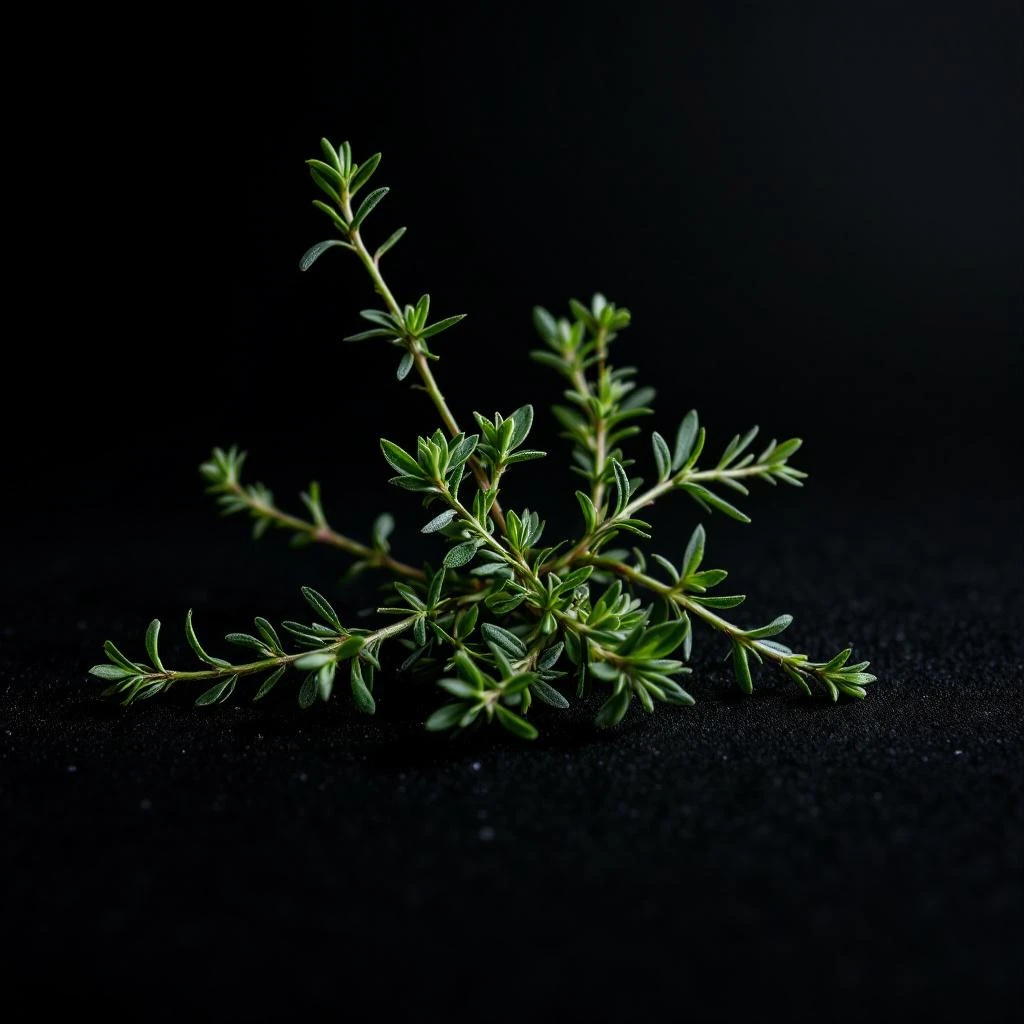
Fringed Rue
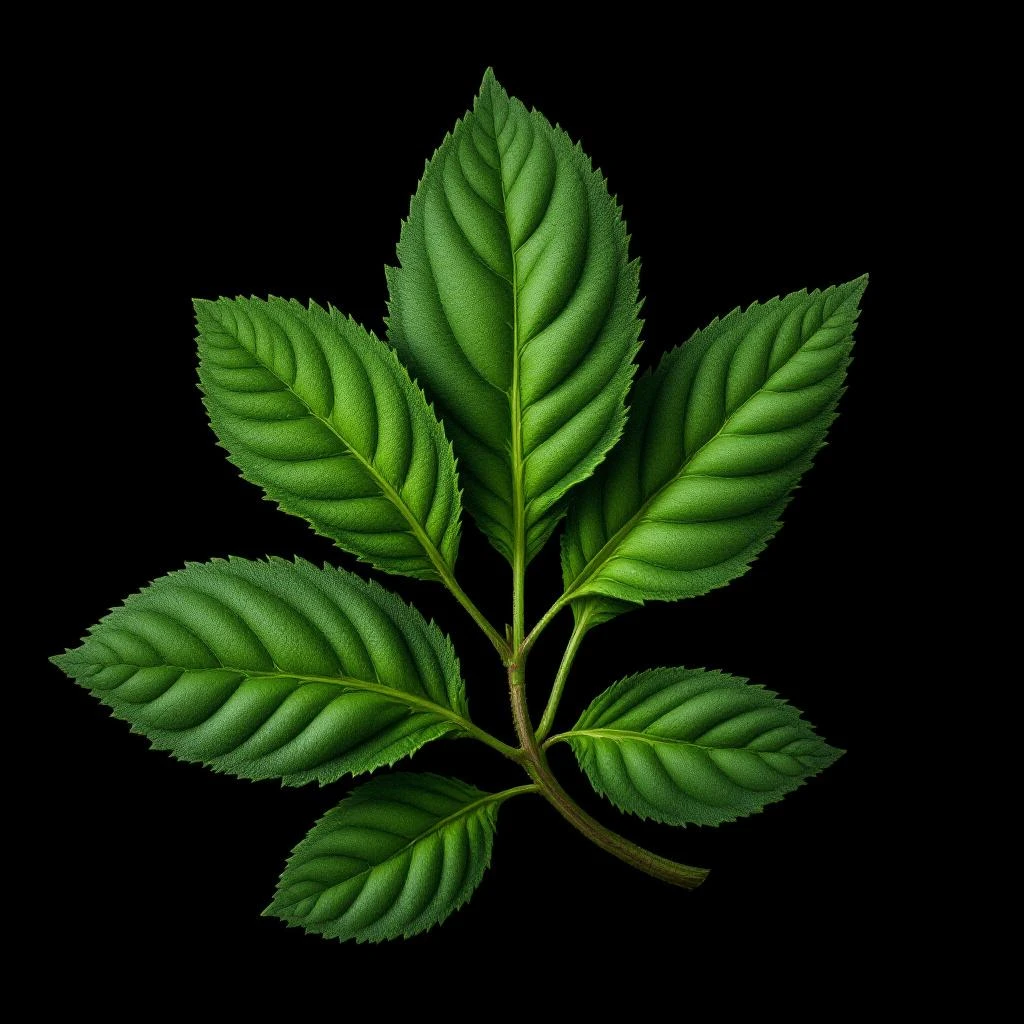
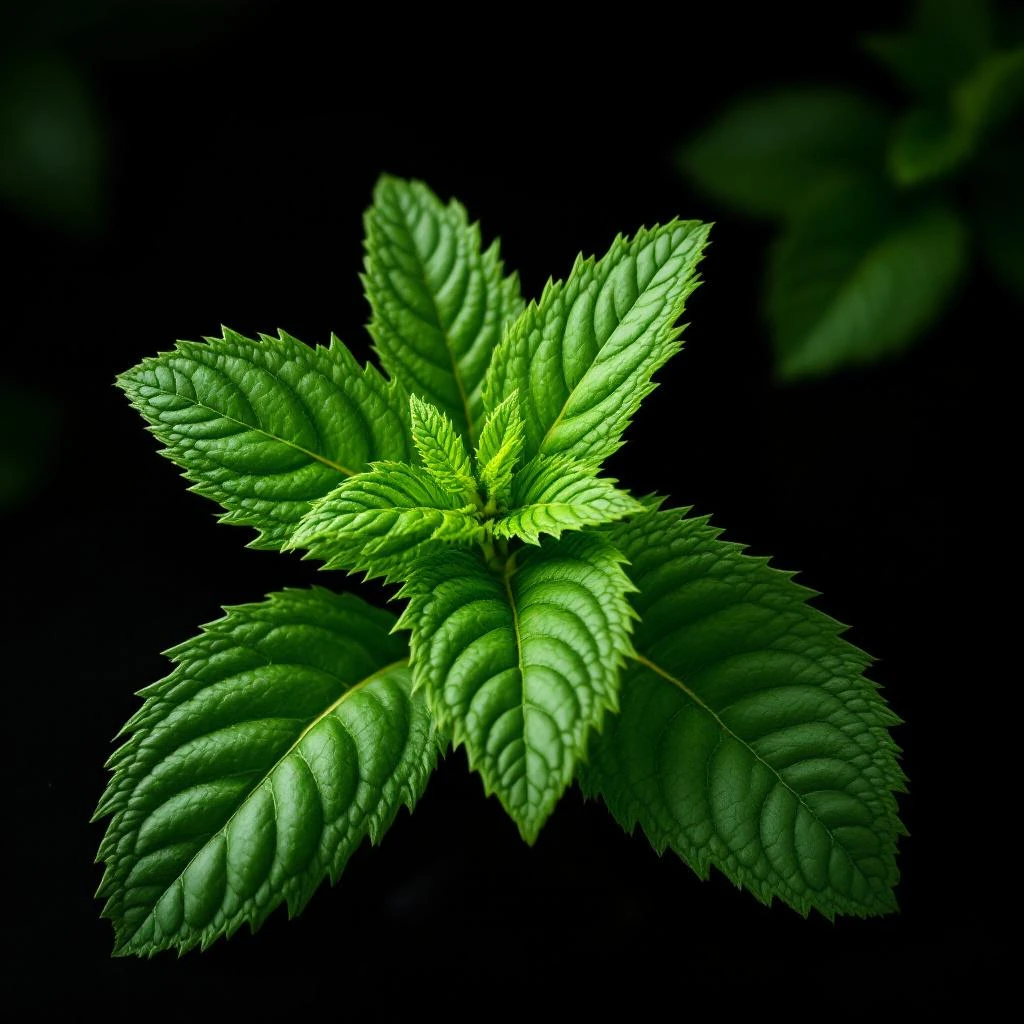
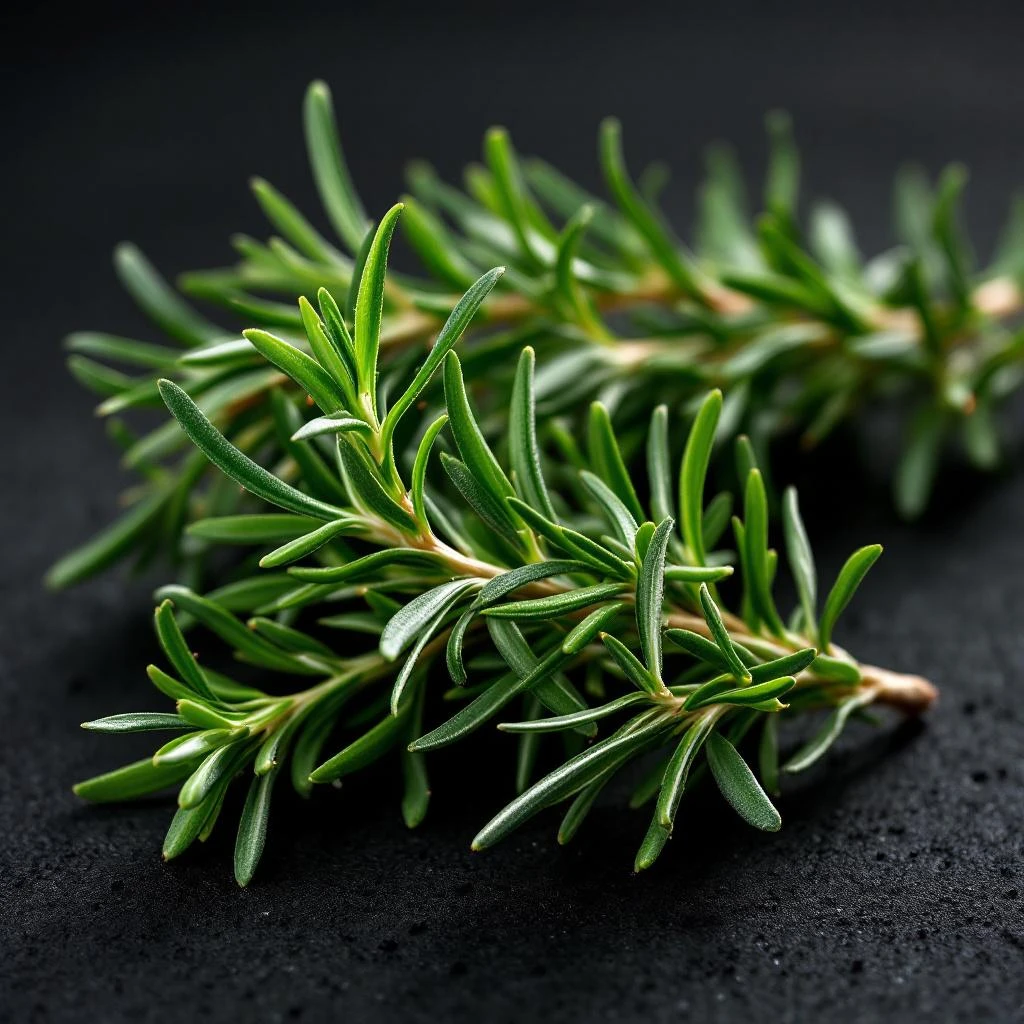
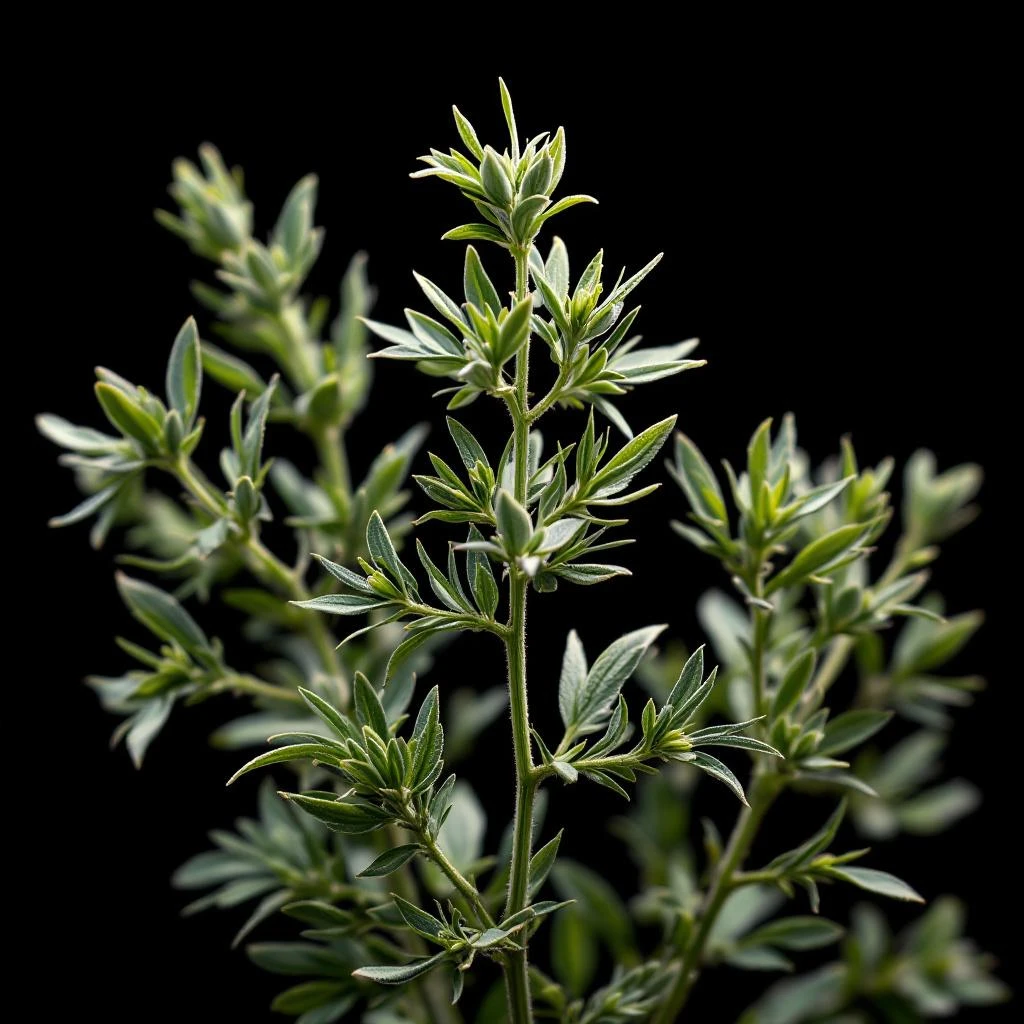
Fringed Rue (Ruta chalepensis) delivers a sharp, bitter-green aroma with herbal intensity. The plant's volatile oils carry an almost medicinal clarity, bridging traditional folk use and modern niche perfumery.

Character
How it smells
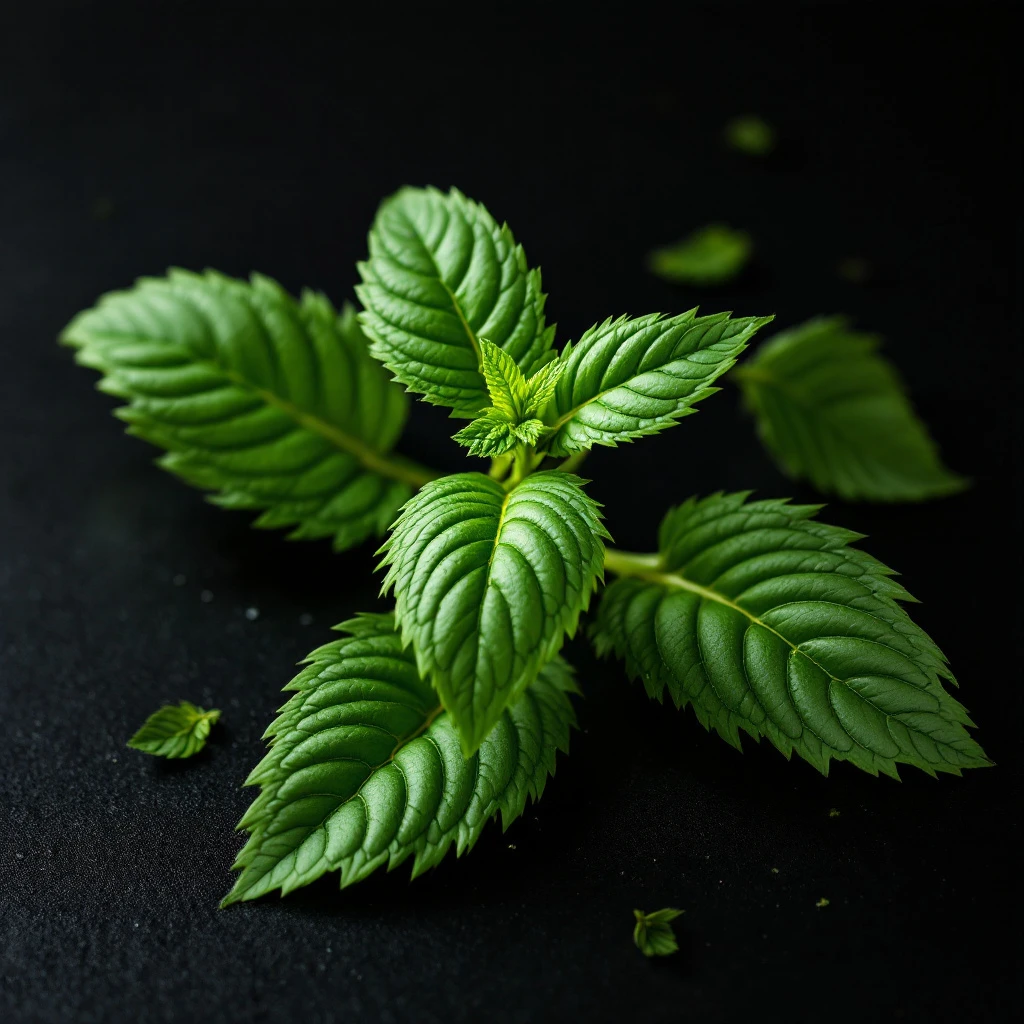
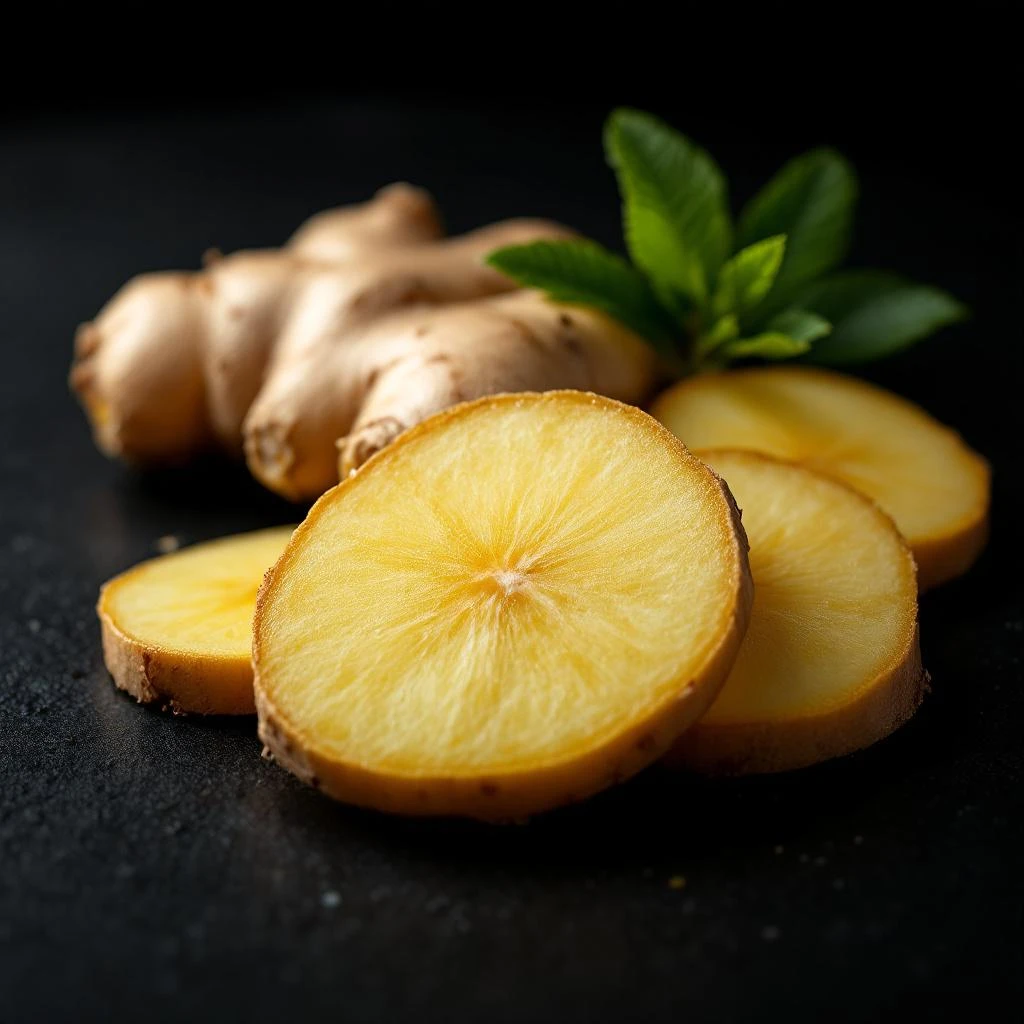
Bitter green with a wild herbal edge
Despite its long history in Mediterranean folk medicine, Fringed Rue remains one of the lesser-documented aromatic plants in mainstream perfumery literature.





Origin
Italy
Fringed Rue carries deep roots in Mediterranean folk tradition. Ancient Greek and Roman texts reference Rue species as protective herbs, scattered in homes to ward off illness and used in ritual purification practices. Pedanius Dioscorides documented Rue extensively in De Materia Medica during the first century CE, describing applications ranging from digestive aid to antidote.
The plant held symbolic weight across cultures: judges carried Rue sprigs for protection against contagion, and monastery gardens cultivated it as a medicinal staple throughout the medieval period. In Islamic medicine, physicians like Avicenna prescribed Rue preparations for inflammation and poisoning. Despite this rich heritage, Fringed Rue never achieved the same commercial prominence as lavender or rosemary in European perfumery.
Its intensely bitter, almost acrid character kept it largely confined to folk remedies and flavoring applications. Modern niche perfumers have begun reintroducing Rue derivatives into compositions seeking unusual herbal facets.
Wears it best
Fragrances featuring Fringed Rue
Brands
Brands known for Fringed Rue
Good to know
Questions, answered
The essentials on Fringed Rue in perfumery: how it smells, where it comes from, and how it behaves on skin.
What does Fringed Rue smell like?
Fringed Rue produces a sharp, bitter-green aroma with pronounced herbal and slightly medicinal qualities. The scent carries notes reminiscent of crushed leaves and fresh herbs, with a dry, almost acrid finish that distinguishes it from softer herbal ingredients.
Is Fringed Rue safe in perfumes?
Fringed Rue contains furocoumarins, which are photosensitizing compounds. Regulatory bodies restrict its use in fragrance products, and perfumers must adhere to concentration limits established by safety standards.
How is Fringed Rue essential oil produced?
The aerial parts of the plant undergo steam distillation to release the volatile oils. The process requires substantial plant material due to low oil yields, resulting in a pale yellow essential oil.
Where does Fringed Rue grow naturally?
Fringed Rue is native to the Mediterranean basin, thriving in rocky, sun-exposed terrain across southern Italy, Spain, Greece, and North Africa.
Why is Fringed Rue uncommon in commercial fragrances?
Low extraction yields, regulatory restrictions on furocoumarin content, and its intensely bitter character limit Fringed Rue's appeal. Few perfumers work with it outside specialized herbal and medicinal compositions.
What is the difference between Fringed Rue and common Rue?
Fringed Rue (Ruta chalepensis) features fringed petal edges distinguishing it from common Rue (Ruta graveolens). Both share similar aromatic profiles, though Fringed Rue tends toward slightly sweeter green notes.
Can Fringed Rue be used in natural perfumery?
Yes, Fringed Rue qualifies as a natural perfumery ingredient when properly distilled. Its role remains limited, primarily appearing in herbal reconstructions and traditional botanical compositions.
Does Fringed Rue have historical perfumery significance?
Fringed Rue's historical significance lies more in folk medicine than perfumery. Ancient Greeks and Romans valued it for ritual purification and medicinal purposes, never as a primary aromatic ingredient.