Orange Nectar
Orange Nectar captures the sun-warmed pulp and tender pith of ripe citrus fruit, offering a sweeter, juicier dimension than conventional orange peel oils. This luscious note brings bright, mouthwatering warmth to floral bouquets and gourmand compositions alike.
Character
How it smells
Sun-ripened citrus, bottled at the moment of bursting
Orange Nectar is typically reconstructed using a combination of Valencia orange essence and concentrated fruit juices, since squeezing oranges directly produces an aqueous liquid rather than an oil.



Origin
Spain
The cultivation of sweet oranges traces back to ancient China, where the fruit was grown as early as 2500 BCE before spreading west along trade routes. By the medieval period, Arab traders had established bitter and sweet orange groves across North Africa and Spain. In the Mediterranean basin, oranges were initially prized as ornamental curiosities and medicinal ingredients rather than food, often planted near palaces and monasteries.
It was not until the 19th century, with the rise of industrial perfume houses in Grasse and the expansion of citrus cultivation in Florida, Sicily, and Brazil, that orange derivatives became a serious study. Early perfumers focused on neroli and petitgrain from the bitter tree, while sweet orange peel oil emerged commercially once centrifugal juice processing developed in the 1920s. This new technology inadvertently produced the essence oils that today allow formulators to recreate the full sensory profile of fresh orange pulp.
Modern Orange Nectar accords are a direct legacy of that industrial food-perfume crossover, bridging culinary abundance with olfactory art.
Wears it best
Fragrances featuring Orange Nectar
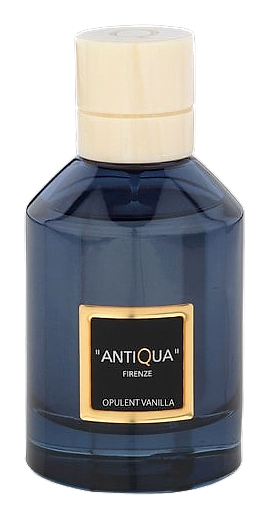
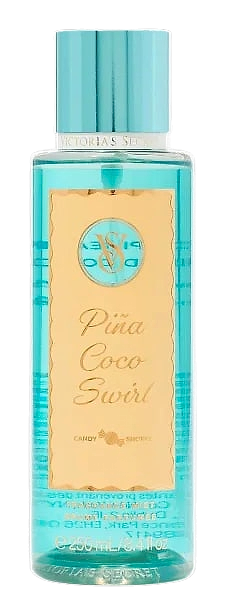
Brands
Brands known for Orange Nectar
Good to know
Questions, answered
The essentials on Orange Nectar in perfumery: how it smells, where it comes from, and how it behaves on skin.
What does Orange Nectar smell like?
Orange Nectar smells like biting into a ripe sweet orange: juicy, sun-warmed, and candy-sweet rather than sharp or bitter. It carries the soft fruity depth of orange pulp, with less peel-zest intensity than standard orange oil. This gives compositions a realistic, mouthwatering fruit impression.
How is Orange Nectar different from orange peel oil?
Orange Nectar adds the aqueous, sweet-pulp character of orange juice to the bright zest of cold-pressed peel oil. Standard orange peel oil is purely lipophilic and smells sharp. Nectar accords include water-soluble volatiles like C6 aldehydes and ethyl butyrate recovered during juice concentration.
Is Orange Nectar a natural material?
Orange Nectar is an accord built from natural citrus derivatives rather than a single isolated extract. Its components come from cold-pressed peel oil and vacuum-recovered juice essence, both genuine orange sources. Some versions include synthetic aldehydes to boost freshness, depending on the supplier.
Where is Orange Nectar sourced from?
Primary raw materials come from Spain, Italy, and Brazil, the world's largest orange-processing regions. Spain's Valencia region is especially significant for high-quality juice concentrates. Florida and Sicily also contribute significant volumes of orange essence oils.
Which fragrance types use Orange Nectar?
Orange Nectar appears frequently in fruity florals, gourmand bases, and bright eau de toilettes. It pairs well with white florals like neroli and tuberose, vanilla, and green notes like petitgrain. Designers seeking realistic citrus-juice effects often prefer it over standard orange oil.
Can Orange Nectar be used in natural perfumery?
Yes, when built entirely from cold-pressed peel oil and natural juice essence recovered during food-grade concentration. Such fully natural versions cost more and are less stable than accord-based alternatives. Many artisan perfumers favor them for clean, food-safe formulations.
What is the shelf life of Orange Nectar?
Accords built primarily from natural citrus materials oxidize within 12 to 18 months, developing turpenic off-notes. Adding antioxidants like BHT or alpha-tocopherol extends usable life significantly. Refrigeration in amber glass further slows degradation.
Does Orange Nectar contain allergens?
Yes, it contains limonene and linalool, the two most common EU-declared fragrance allergens. Properly formulated products list these on packaging per IFRA guidelines. Sensitized individuals should review ingredient disclosures before use.