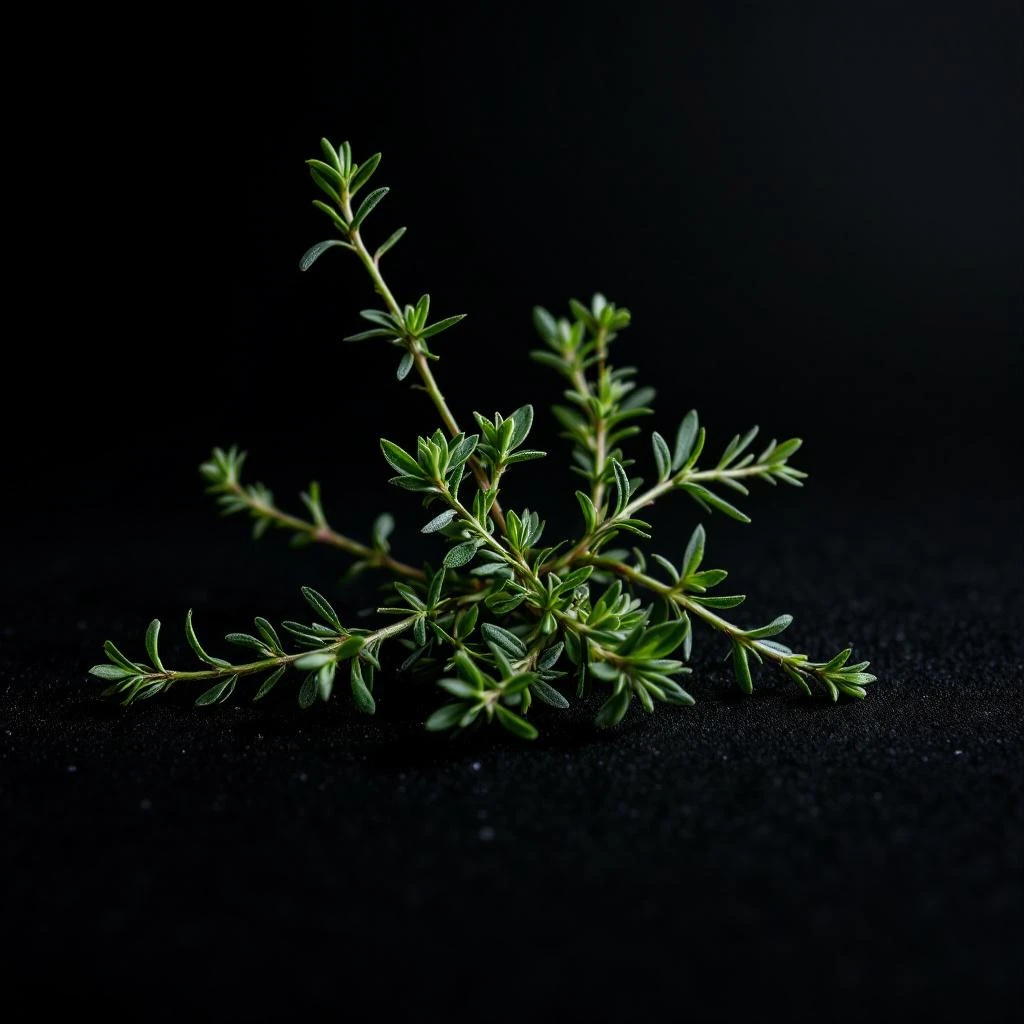
Mojito Mint
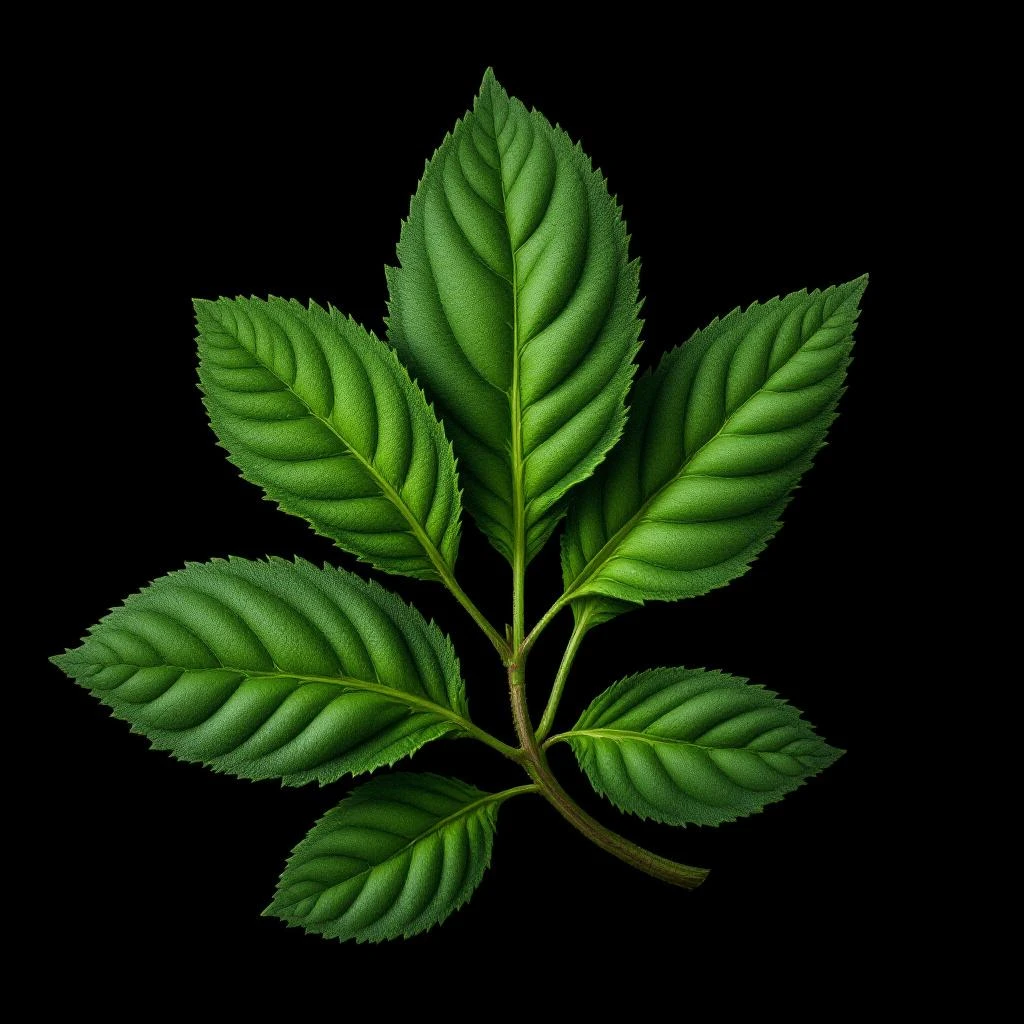
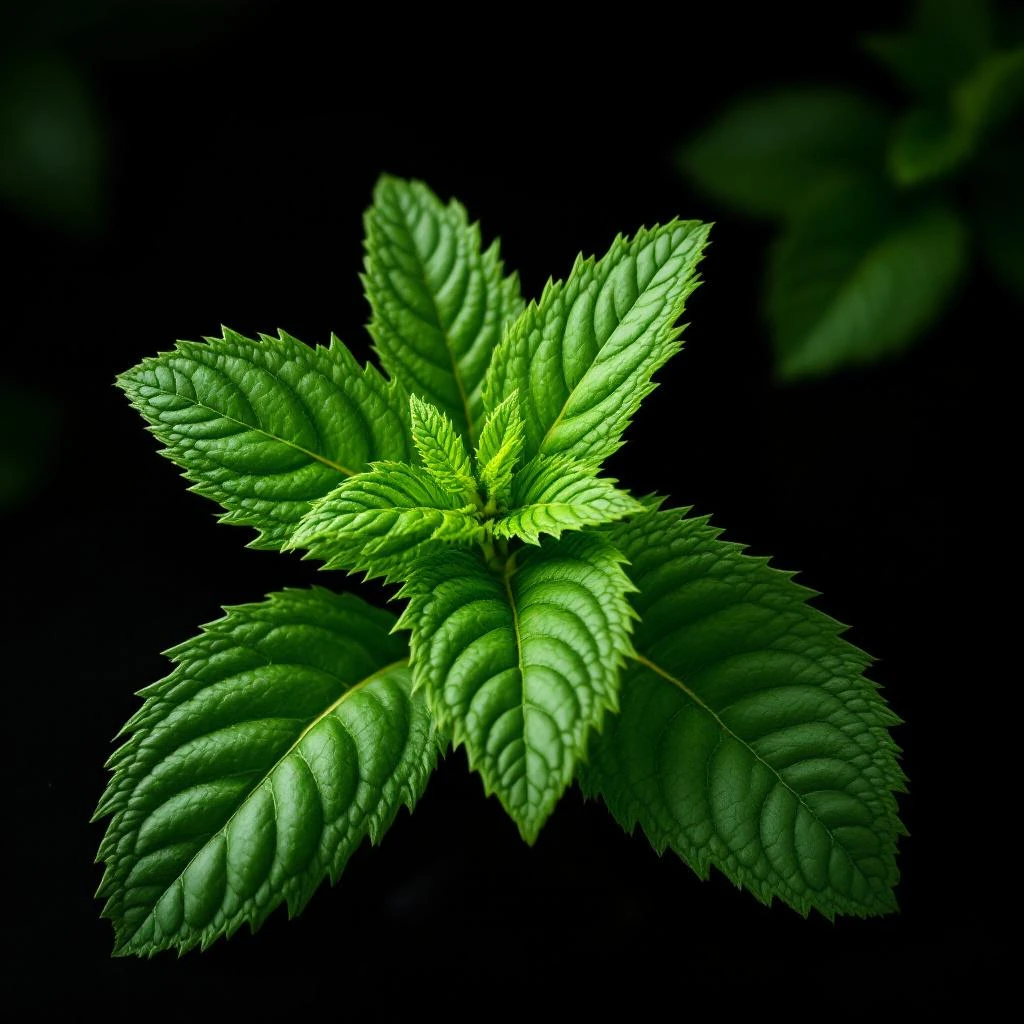
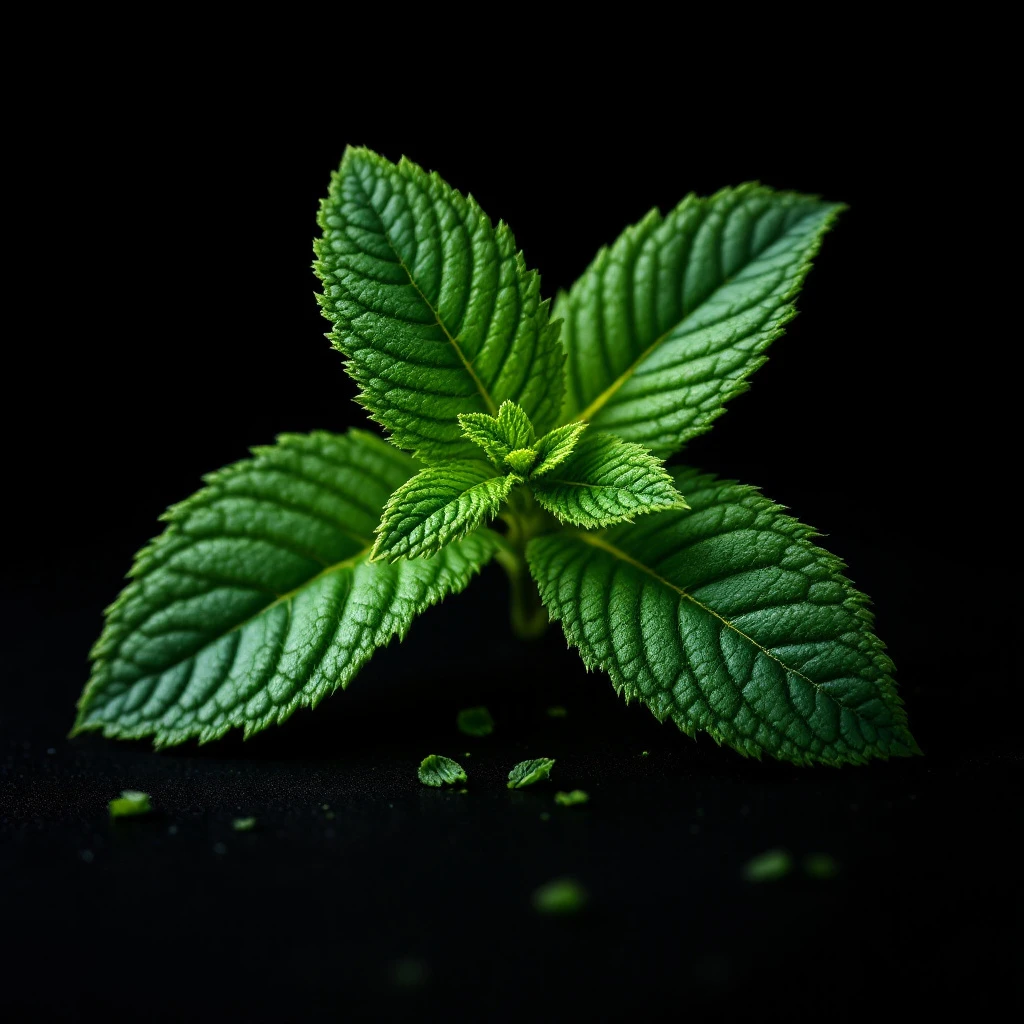
Mojito Mint captures the bright, sweet-cool character of Cuban mint, the variety behind the iconic cocktail. Perfumers prize it for a greener, less sharp profile than peppermint, with subtle sugarcane and lime-leaf whispers.
Character
How it smells
Cuban sunshine in a leaf
The mint traditionally muddled into mojitos is a specific variety, Hierbabuena, a milder spearmint cultivated in Cuba since Spanish colonial times.
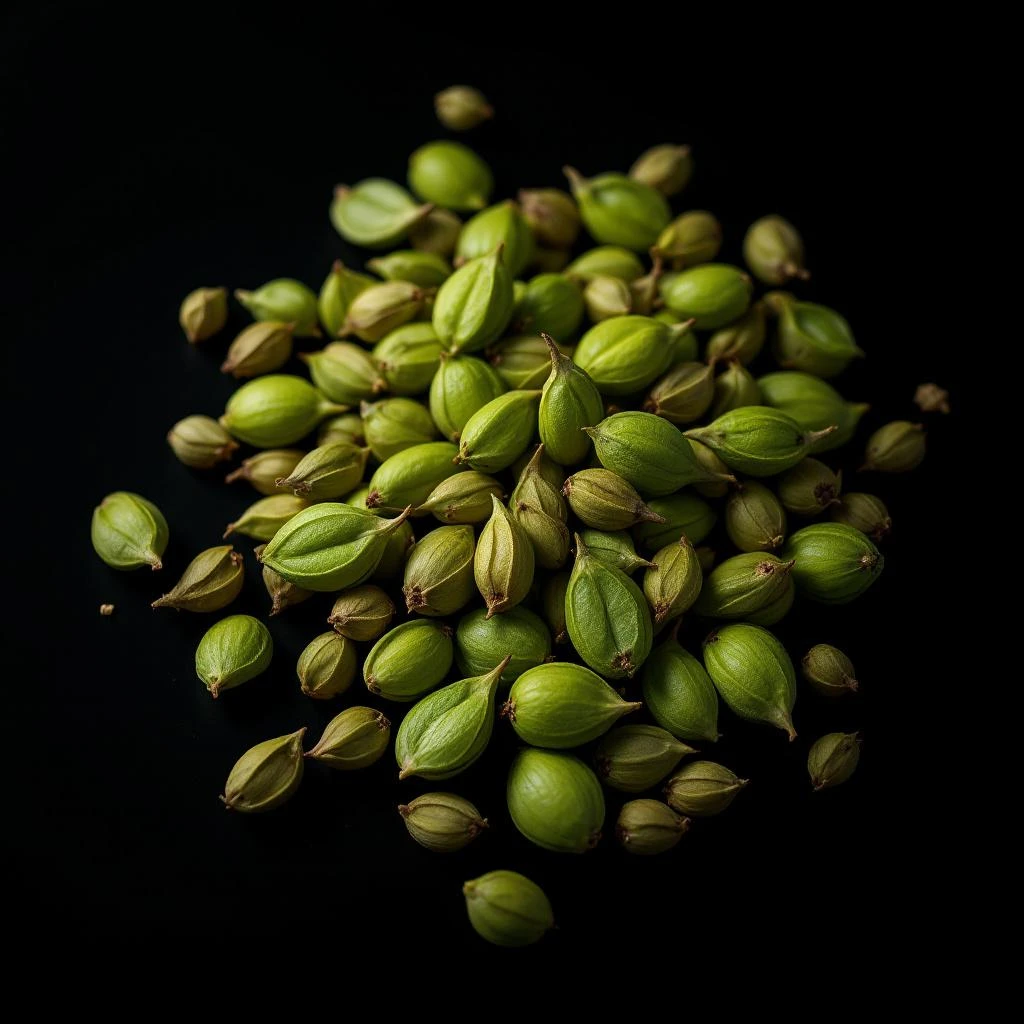

Origin
Cuba
Hierbabuena, the Cuban mojito mint, traces to Spanish colonists who carried Mediterranean spearmint varieties to the Caribbean in the sixteenth century. By the seventeenth century, Havana's taverns served a rough cocktail of aguardiente, lime, and mint, the ancestor of the modern mojito. The drink's popularity spread slowly, but the mint itself stayed rooted in Caribbean kitchen gardens, where families cultivated it for digestion, breath freshening, and rum-based remedies.
In perfumery, true Mentha x villosa oil remained a regional curiosity until the early 2000s, when gourmand and cocktail-themed fragrances sparked demand for sweeter, rounder mint profiles. Before then, perfumers relied on classic peppermint and spearmint oils sourced from the United States, China, and India. Cuban distillers began exporting small quantities of herbabuna oil after European niche houses commissioned authentic mojito accords.
Today the ingredient sits at the intersection of culinary tradition and fragrance creation, a direct link between Havana's colonial-era taverns and modern juice-cleans perfumery.
Wears it best
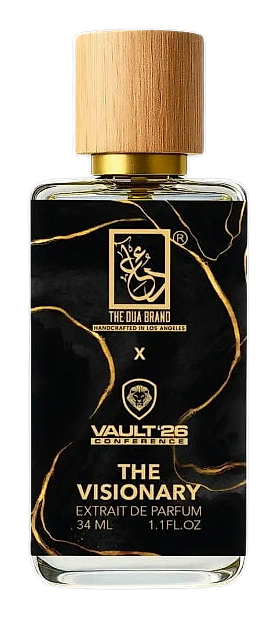
Fragrances featuring Mojito Mint
Brands
Brands known for Mojito Mint
Good to know
Questions, answered
The essentials on Mojito Mint in perfumery: how it smells, where it comes from, and how it behaves on skin.
What does Mojito Mint smell like in perfumery?
Mojito Mint delivers a sweet, green-cool scent built around carvone rather than menthol, giving it a rounder, less sharp character than peppermint. It reads herbaceous and lightly sugary, pairing naturally with lime and rum accords.
Is Mojito Mint a real plant?
Yes. Mojito Mint typically refers to Mentha x villosa, a spearmint variety widely cultivated in Cuba and known locally as herbabuna. It is botanically distinct from peppermint and contains far less menthol.
How is Mojito Mint essential oil produced?
Producers harvest the fresh leaves just before flowering and pass low-pressure steam through them in stainless stills. The condensed vapor yields a pale yellow oil at roughly 0.5 to 1 percent of fresh leaf weight.
Where does Mojito Mint originally come from?
The variety traces to spearmints brought to Cuba by Spanish colonists in the sixteenth century. Today it grows throughout the Caribbean and parts of Central America, though Cuban herbabuna remains the reference standard.
How does Mojito Mint differ from peppermint in fragrances?
Mojito Mint is dominated by carvone, producing a sweet, mild coolness. Peppermint relies on menthol, creating a sharper, more penetrating sensation that reads medicinal rather than culinary.
What fragrance families use Mojito Mint?
Mojito Mint appears most often in aromatic and gourmand compositions, particularly cocktail-inspired and summer-themed fragrances. It also supports fresh fougères and citrus colognes that need a warmer mint signature.
Is Mojito Mint oil expensive or hard to source?
Authentic Cuban herbabuna oil remains a small-batch specialty, with limited annual volume outside niche suppliers. Standardized spearmint oils offer a more accessible alternative for larger commercial production.
Can Mojito Mint be recreated synthetically?
Yes. Isolates like L-carvone and dihydrocarveol can approximate the sweet, lime-leaning character of mojito mint without plant material. These synthetics are common in commercial fragrance accords where supply consistency matters more than botanical authenticity.