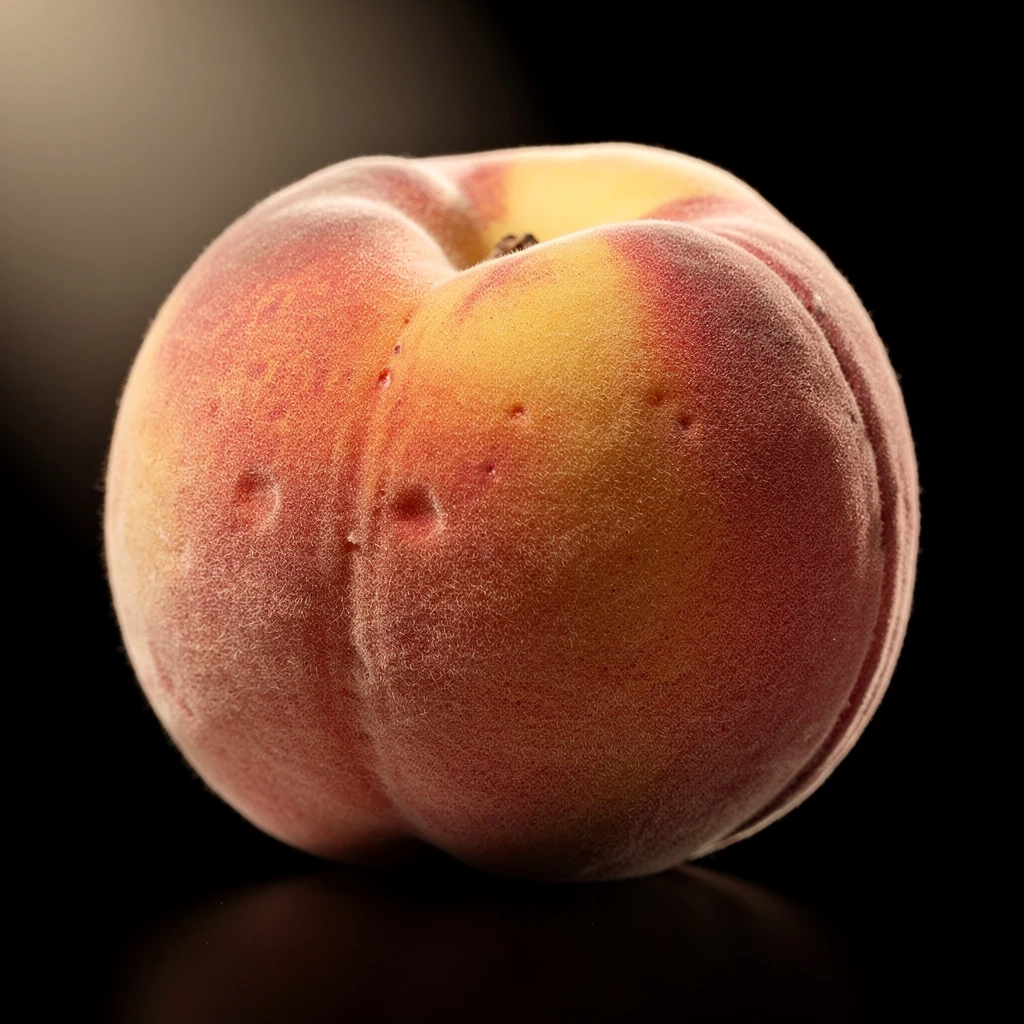
Passion Fruit Nectar
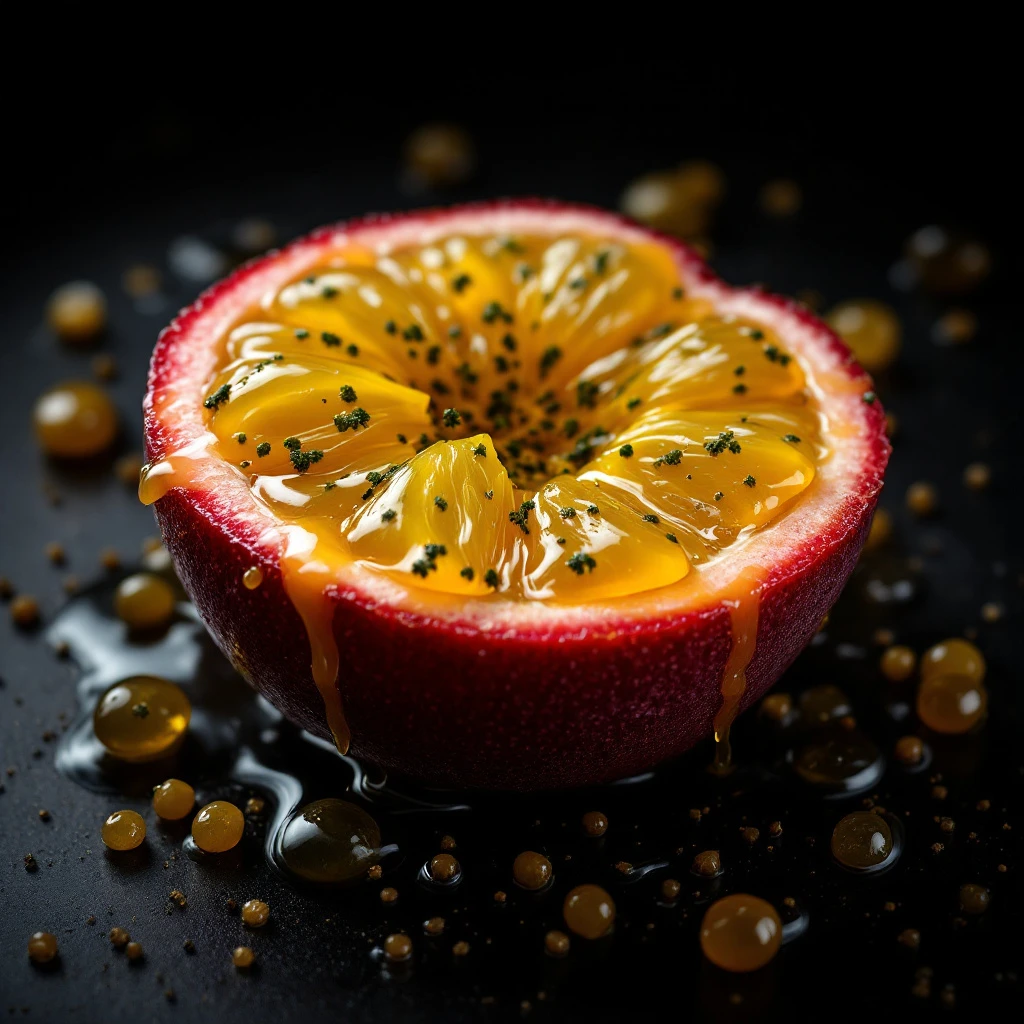
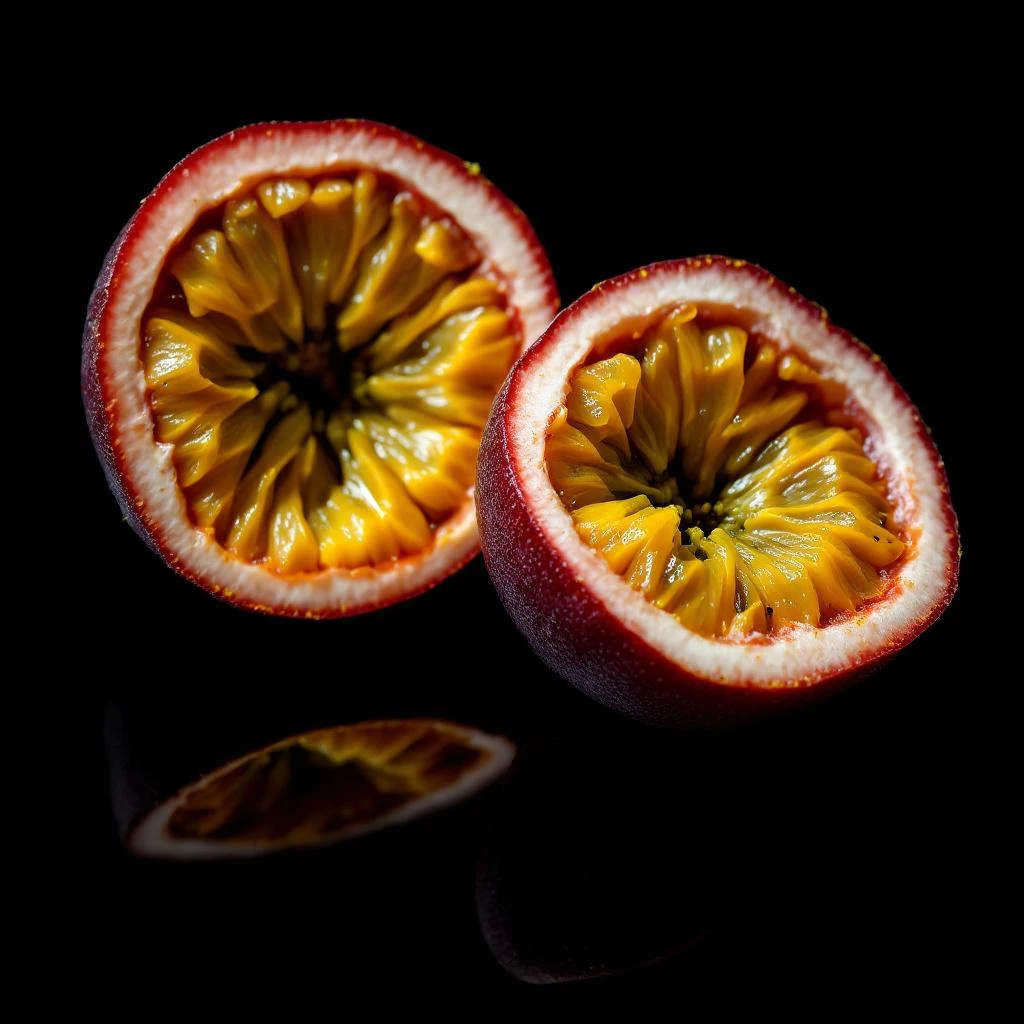
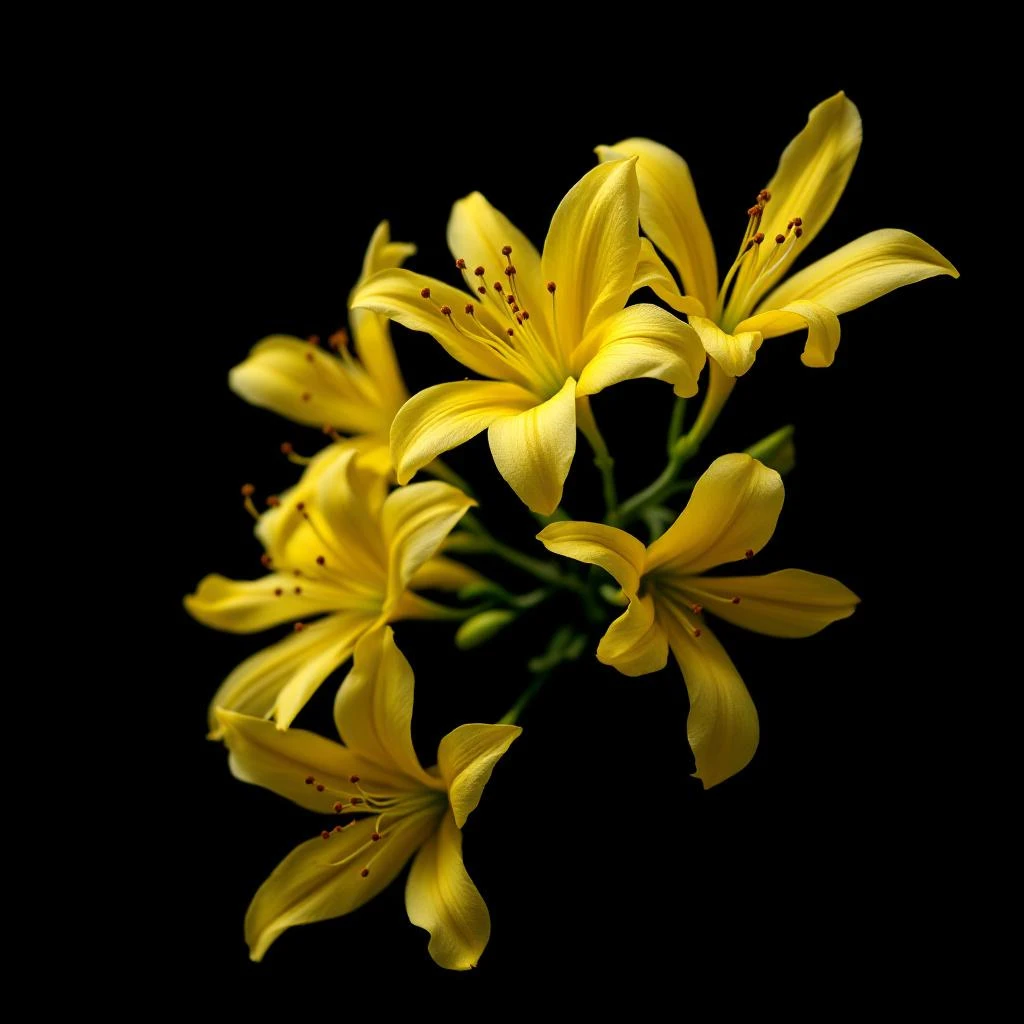
Tropical sunshine captured in a bottle. Passion Fruit Nectar delivers the intoxicating sweetness of sun-ripened maracuja, balanced with bright citrus and a subtly exotic edge that transports you straight to rainforest canopies.
Character
How it smells
Captured tropical sweetness in every note.
Passion fruit's aromatic compounds cannot be extracted directly from the fruit, so perfumers recreate its unmistakable scent entirely in the laboratory using synthetic molecular combinations.



Origin
Brazil
Tropical fruits entered Western perfumery through the expansion of global trade routes in the 18th and 19th centuries. European explorers encountered passion fruit in South American rainforests and described its intoxicating aroma in travel journals, sparking curiosity among chemists.
The fruit originated in subtropical regions spanning Brazil, Paraguay, and northern Argentina, where indigenous peoples valued it for both culinary and medicinal purposes. When organic synthesis advanced in the late 1800s, chemists gained tools to recreate exotic scents without importing expensive natural materials.
The fruity-floral movement of the late 20th century, particularly the rise of aquatic and fruity chypres for mass markets, accelerated passion fruit's adoption. By the 1990s, it had become a staple of summer fragrances and lifestyle products, prized for its immediate tropical associations and universal appeal across demographics.
Wears it best
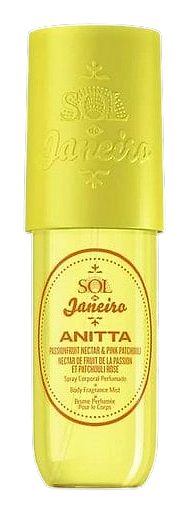
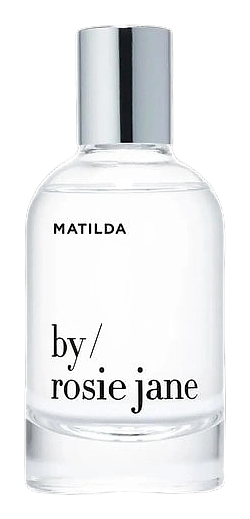
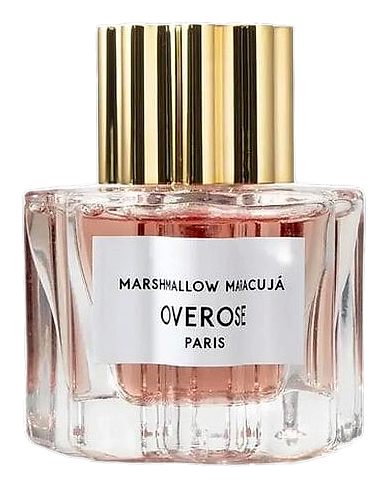
Fragrances featuring Passion Fruit Nectar
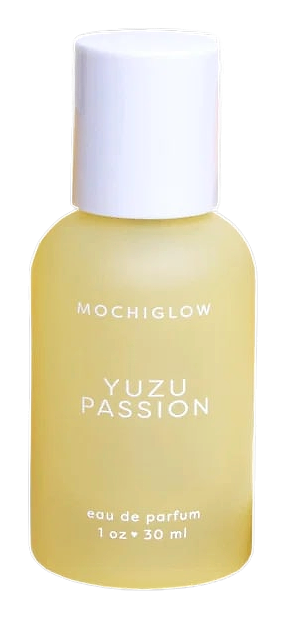
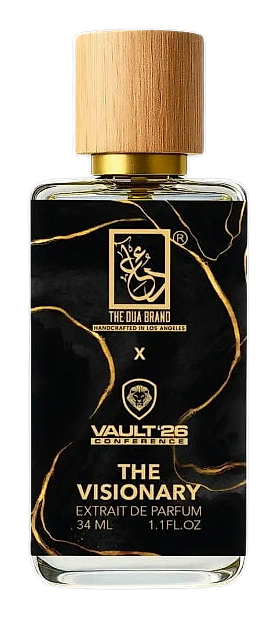
Brands
Brands known for Passion Fruit Nectar
Good to know
Questions, answered
The essentials on Passion Fruit Nectar in perfumery: how it smells, where it comes from, and how it behaves on skin.
Can passion fruit be extracted for use in perfumery?
No. Passion fruit contains no extractable aromatic compounds through conventional methods like distillation or solvent extraction. Perfumers create its signature scent entirely through synthetic molecular combinations in laboratory settings.
What molecules create the passion fruit scent character?
C14 (gamma-undecalactone) provides creamy, coconut-like undertones while C16 (gamma-nonalactone) adds buttery sweetness. Citrusy compounds introduce the characteristic bright, tangy top note that defines authentic passion fruit fragrance.
How would you describe the smell of passion fruit in fragrance?
Passion fruit nectar reads as tangy, slightly grapefruit-like, with tropical sweetness balanced by citrus brightness. The scent evokes sun-warmed fruit skin with a juicy, slightly fermented quality that signals ripeness.
When did passion fruit become a common fragrance note?
Passion fruit entered mainstream perfumery during the fruity-floral boom of the 1980s and 1990s, when mass-market fragrances embraced tropical themes. Advances in synthetic chemistry during the 20th century made the note widely accessible.
Where does passion fruit grow originally?
Passiflora edulis originated in South American rainforests, primarily Brazil, Paraguay, and northern Argentina. Warm climates with high rainfall and mineral-rich soils produce fruit with the most intense aromatic character.
What fragrance families pair well with Passion Fruit Nectar?
Passion fruit works beautifully in fruity-floral compositions, pairing with white florals like frangipani and tiare. It also complements aquatic notes, citrus florals, and tropical green accords in summer fragrances.
Is passion fruit in perfume always synthetic?
Yes. Every commercial passion fruit fragrance note derives from laboratory-created molecules. No natural extraction process yields usable essence from passion fruit, making synthetic recreation the industry standard.
What gives passion fruit its distinctive tartness in fragrance?
Sulfur-containing compounds found in the actual fruit contribute to its sharp, acidic character. Perfumers replicate this quality using specific aldehydes and citrus materials that introduce the bright, tangy top notes consumers associate with passion fruit.