Italian Redcurrant
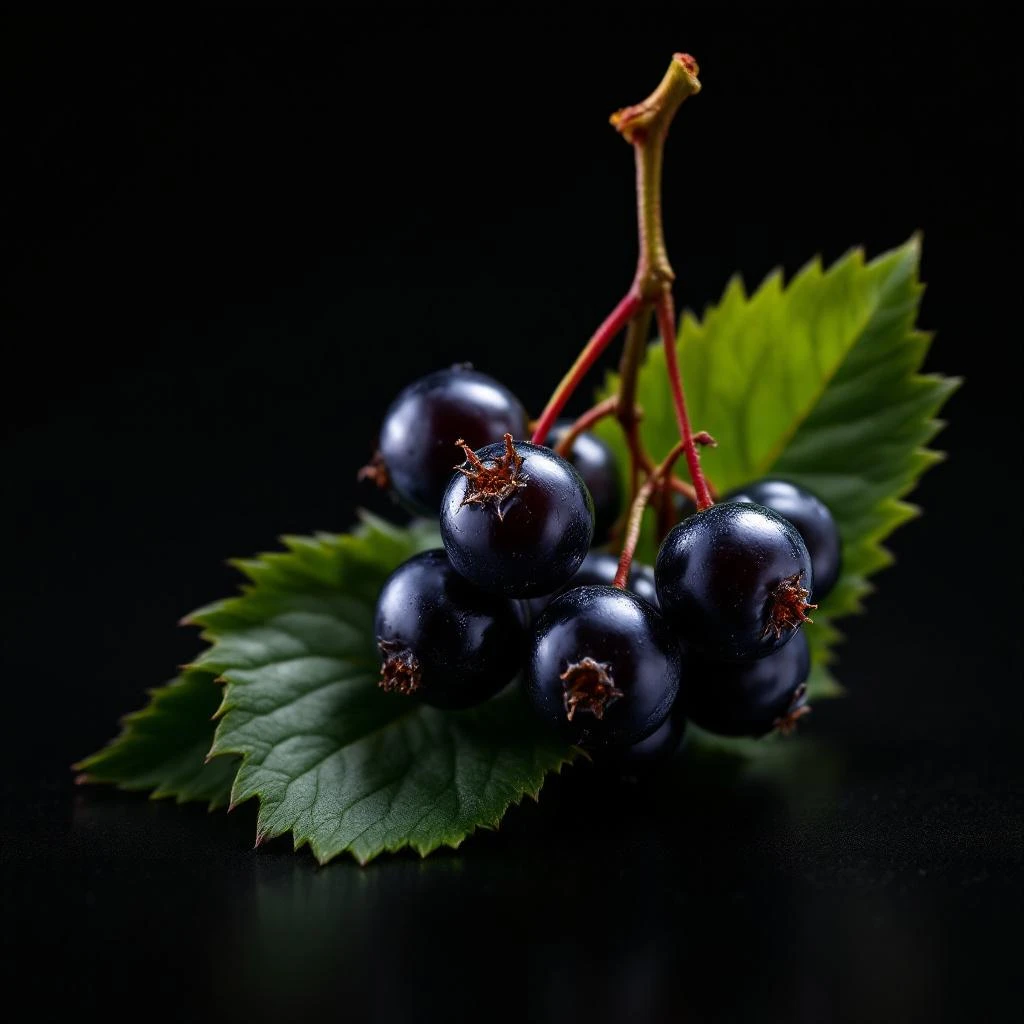
Italian Redcurrant brings tart, sun-warmed sparkle to a fragrance's opening. Unlike citrus, its sharp-sweet snap holds its shape across the drydown, lending a mouthwatering brightness that reads as freshly picked rather than synthetic.
Character
How it smells
Sun-warmed tartness with a gourmand edge
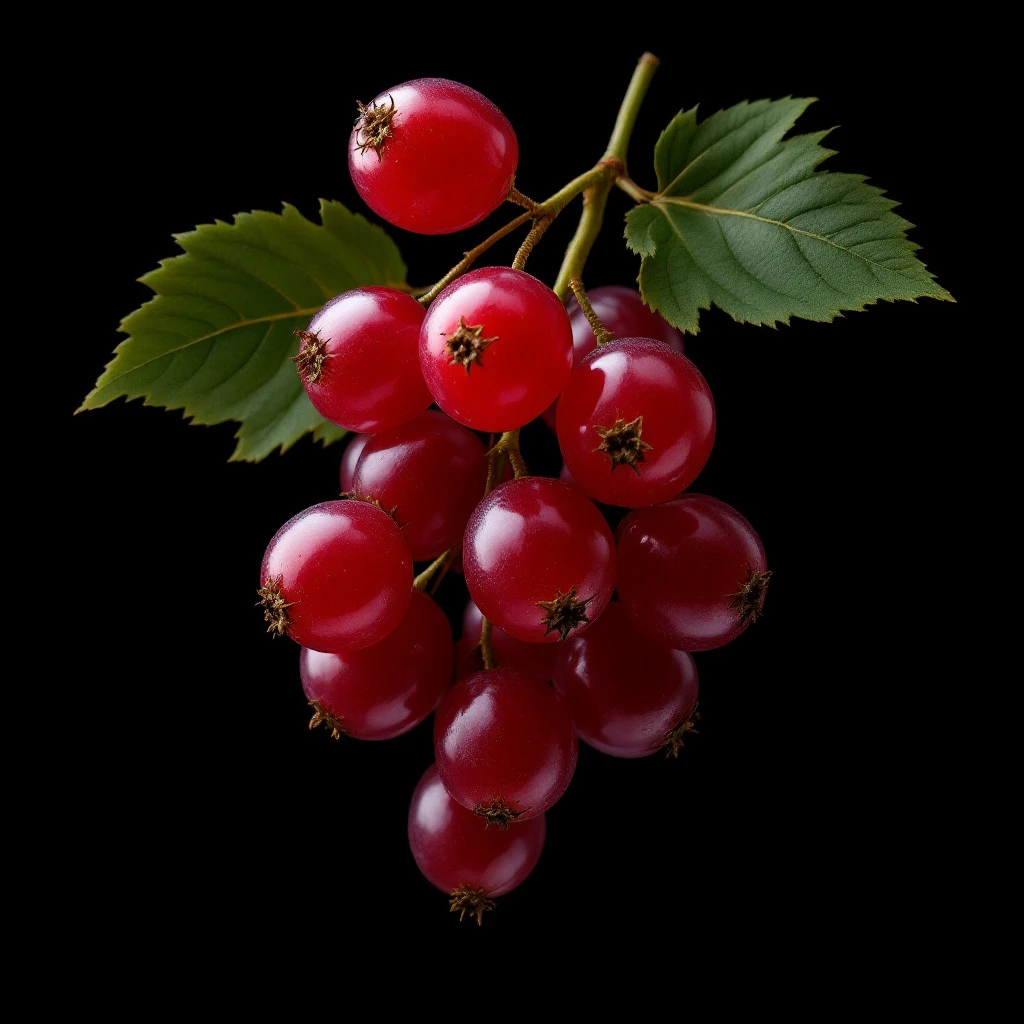
Redcurrant bushes can remain productive for over 20 years, with their berries ripening on strigs that dangle like tiny gemstone necklaces through midsummer.

Origin
Italy
Redcurrants have lived in European gardens since the late Middle Ages, cultivated across northern Italy for jams, syrups, and the celebrated grappa di ribes. By the sixteenth century, Italian monastery gardens documented varieties still grown today in Trentino and Friuli.
The berries themselves never entered the perfumer's palette in historical formulations; early Italian fragrance relied on citrus, herbs, and resinous materials from the Mediterranean coast. The redcurrant note as perfumers know it today is a relatively modern invention, born from twentieth-century aroma chemistry and the demand for photorealistic fruit accords in fine fragrance.
Italian houses in particular adopted the note for its ability to evoke summer orchards without requiring imported tropical materials. It became a signature opening for chypre-adjacent and gourmand fragrances throughout the 1990s, reflecting Italy's deep culinary heritage translated into scent.
Wears it best
Fragrances featuring Italian Redcurrant
Brands
Brands known for Italian Redcurrant
Good to know
Questions, answered
The essentials on Italian Redcurrant in perfumery: how it smells, where it comes from, and how it behaves on skin.
What does Italian Redcurrant smell like in perfume?
Italian Redcurrant smells tart, bright, and slightly green, with a sharp-sweet bite reminiscent of crushed fresh berries. Its standout quality is longevity: unlike fleeting citrus, the accord holds well into the heart of a fragrance, lending sustained sparkle without the harshness of lemon or grapefruit.
Is Italian Redcurrant a natural essential oil?
No. There is no commercial essential oil of redcurrant because the berries yield too little volatile material through distillation. The perfumery note is reconstructed from synthetic aroma chemicals, primarily esters and green leaf alcohols, designed to mimic the fruit's aroma.
Where do Italian Redcurrants come from?
Italian Redcurrant as a cultivated fruit thrives in the cooler northern regions, particularly Trentino-Alto Adige and Friuli-Venezia Giulia. The fragrance note itself, however, is a laboratory accord created by perfumers rather than a distillate tied to a single geographic terroir.
Is Italian Redcurrant the same as regular Red Currant in perfumery?
In practice, yes. The terms refer to the same reconstructed fruity note regardless of the berry's geographic origin. The "Italian" designation typically signals stylistic intent, emphasizing bright, sun-warmed tartness aligned with Italian fragrance traditions.
What fragrance families use Italian Redcurrant?
Italian Redcurrant appears most often in fruity florals, modern chypres, and gourmand compositions. It works as a vibrant top note that bridges sharp citrus openings into softer floral hearts, adding a mouthwatering quality without introducing sweetness.
Can Italian Redcurrant be used in natural perfumery?
True natural perfumery cannot authentically capture redcurrant, since no natural extraction method produces the characteristic aroma. Natural-leaning perfumers sometimes approximate it with raspberry leaf or blackcurrant bud absolute, though the result differs notably from the reconstructed note.
Which perfumes are known for Italian Redcurrant?
Several Italian and Italian-influenced houses, including Profumum Roma and certain Acqua di Parma compositions, have featured prominent redcurrant openings. The note also appears in niche fragrances from Xerjoff and independent perfumers working in the Mediterranean style.
Does Italian Redcurrant contain actual berries?
No. The note contains no actual fruit. Perfumery redcurrant is built from isolated aroma molecules like ethyl 2-methylbutyrate and cis-3-hexen-1-ol, which recreate the olfactory impression of fresh berries without any botanical material present.