Chilean Pink Pepper
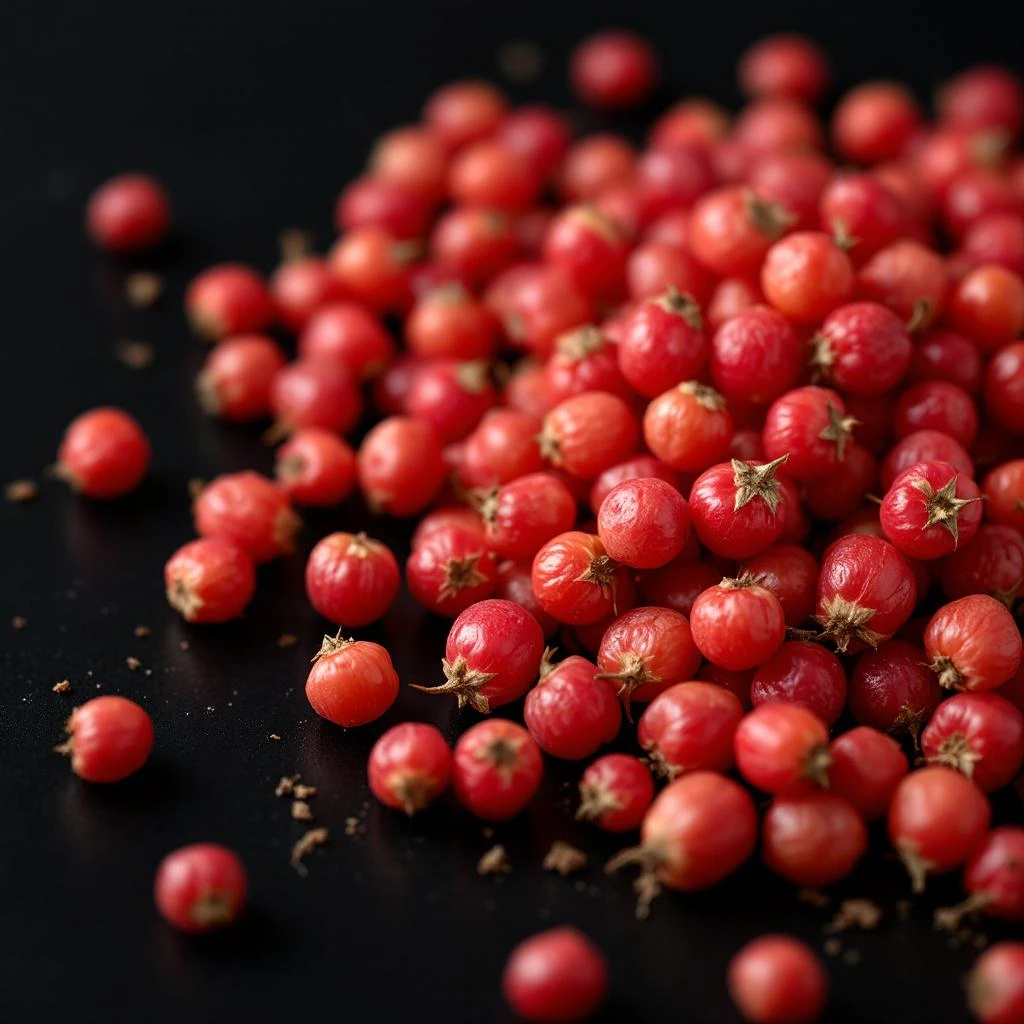
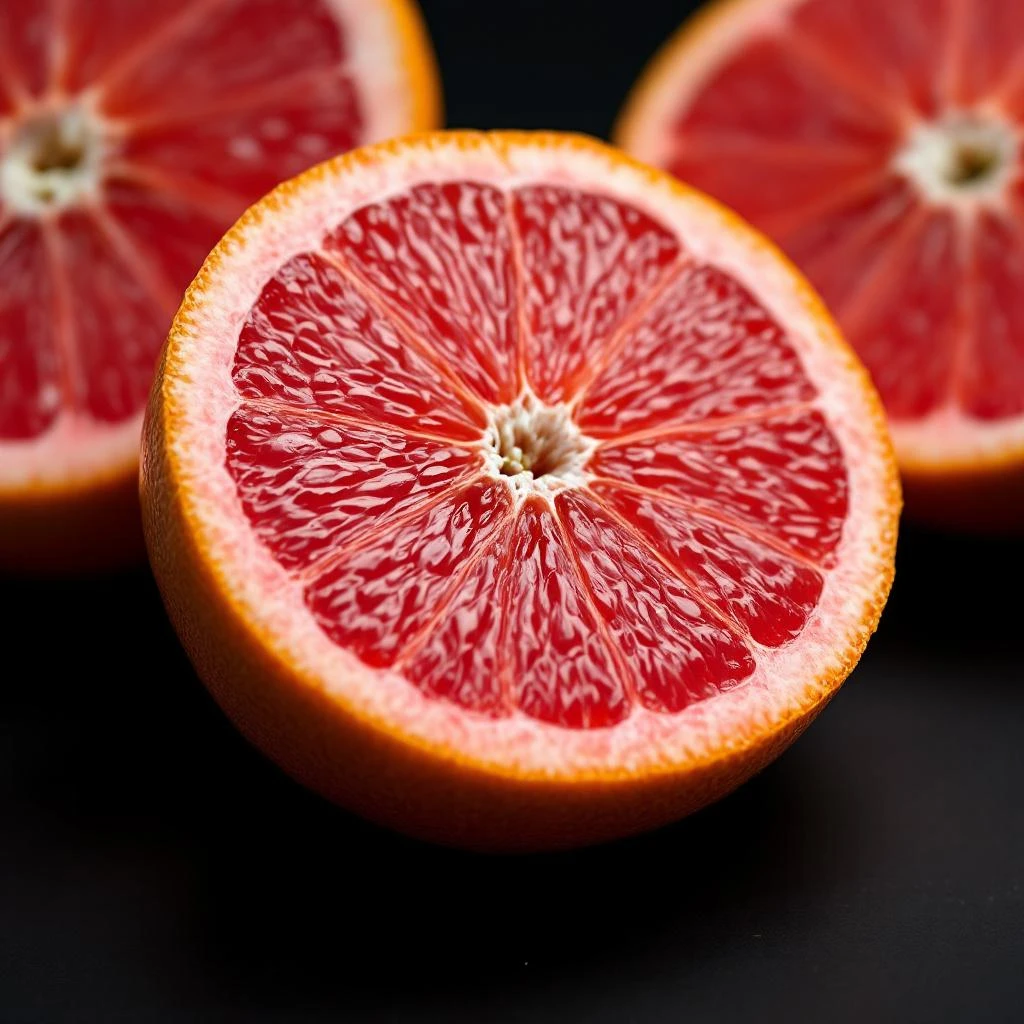
A sparkling spice that wears its crimson skin over a cool, pine-like heart. Chilean pink pepper brings a peppercorn's snap with none of the heat, opening fragrances like a flash of bright light.
Character
How it smells
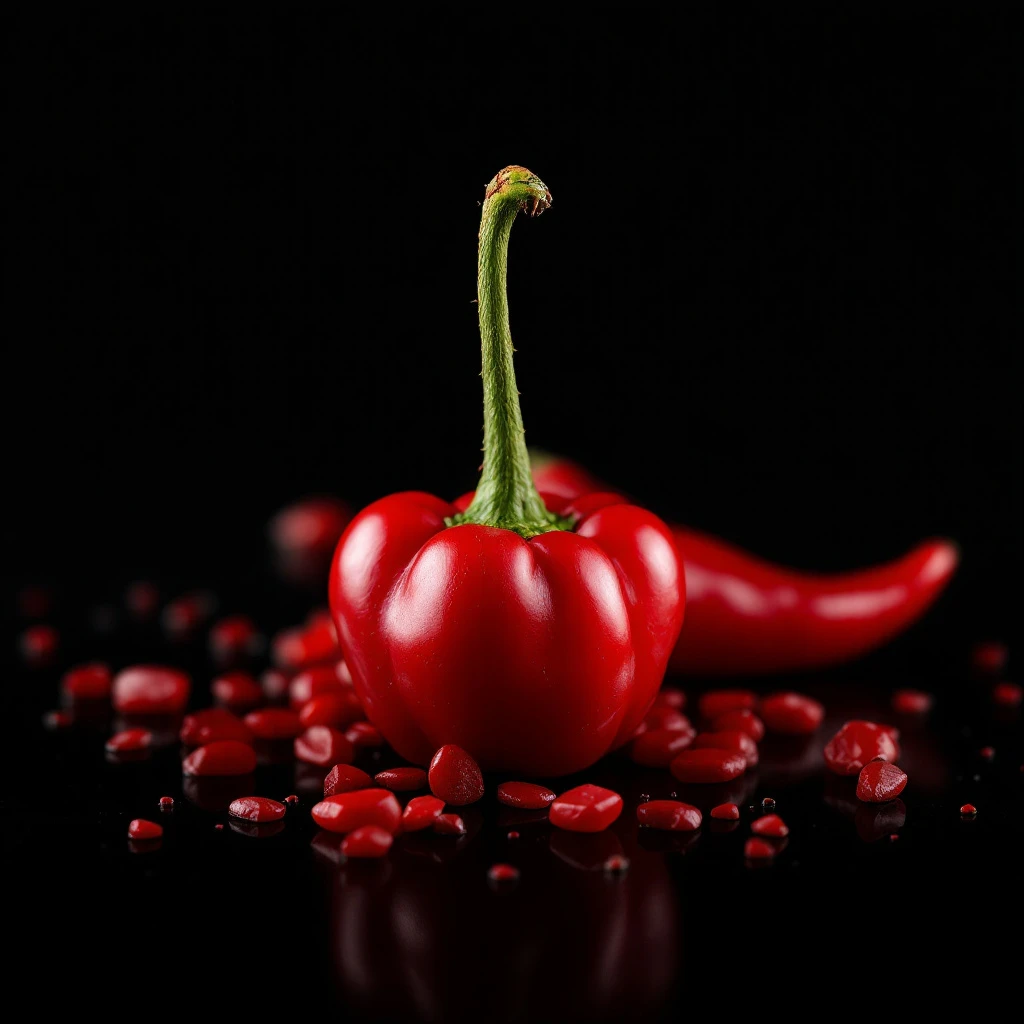
Red skin, cool heart, instant brightness.
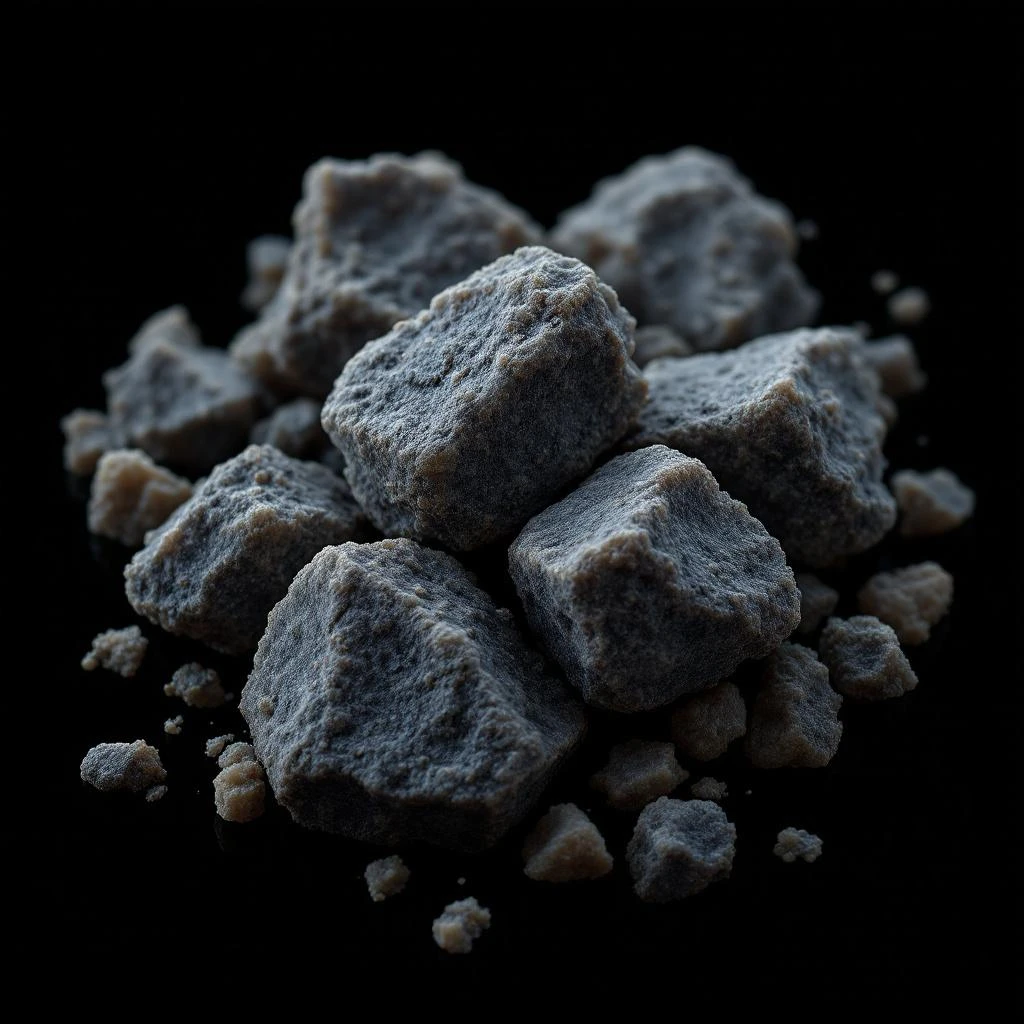
Despite its name, pink peppercorns aren't true peppers. They're berries from the Schinus molle tree, a relative of cashew and pistachio first pressed into perfumery in the early 1990s.





Origin
Peru
The Schinus molle tree, sometimes called the Peruvian peppertree, has grown across the Andes for thousands of years. Long before European contact, Indigenous communities in Peru and Ecuador used its berries in medicine and ritual, valuing the tree's resinous bark as much as its fruit. Spanish colonizers carried seeds across the Atlantic in the sixteenth century, planting them in monastery gardens across Europe.
The trees thrived so readily in the Mediterranean that botanists mistook them for native species, earning the nickname false pepper. Pink pepper entered mainstream cuisine through French and Portuguese kitchens, where chefs prized its gentle, non-pungent character. The perfume world caught on slowly.
It was only in the early 1990s that a Paris-based house featured the note prominently, pairing it with rose and violet to create a new kind of floral-spicy accord. Within a decade, pink pepper had become a signature opening in mainstream launches. Today it remains a bridge between bright citrus top notes and warmer, resinous hearts.
Wears it best
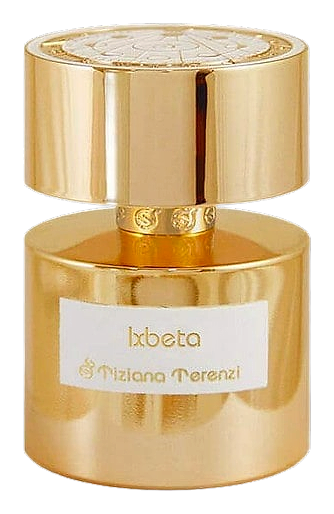
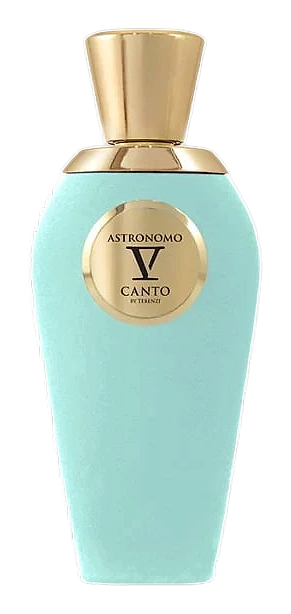
Fragrances featuring Chilean Pink Pepper
Brands
Brands known for Chilean Pink Pepper
Good to know
Questions, answered
The essentials on Chilean Pink Pepper in perfumery: how it smells, where it comes from, and how it behaves on skin.
What does Chilean pink pepper smell like in perfume?
Pink pepper delivers a bright, peppery opening with a cool, almost minty snap and a subtle pine-like undertone. Unlike black pepper, it carries no heat, instead offering a sparkling, slightly fruity facet. Most perfumers treat it as a top note that adds lift and intrigue.
Is pink pepper actually a peppercorn?
No. Pink peppercorns are the dried berries of the Schinus molle tree, a member of the Anacardiaceae family that also includes cashews and pistachios. The name stuck because the berries visually resemble peppercorns and offer a mild pepper-like aroma.
Where does pink pepper for perfumery come from?
Most perfumery-grade pink pepper originates in Peru, where Schinus molle grows wild across Andean hillsides. Smaller volumes come from Madagascar and Reunion Island, where the tree was introduced centuries ago and now grows semi-wild.
When was pink pepper first used in fragrance?
Pink pepper entered mainstream perfumery in the early 1990s, when a major French house featured it in a now-iconic floral-spicy composition. Within ten years it had migrated from novelty to staple, appearing in hundreds of launches across price tiers.
How is pink pepper essential oil extracted?
The finest pink pepper oil comes from supercritical CO2 extraction, a process that uses pressurized carbon dioxide to capture aromatic compounds without heat. Steam distillation produces a sharper, more commercial grade. Both methods preserve the berry's distinctive cool-spicy character.
Is pink pepper safe to use on skin?
In the dilute concentrations used in fine fragrance, pink pepper oil is considered safe by IFRA standards. However, the raw berry and concentrated oil contain compounds that can irritate sensitive skin, so direct application is discouraged.
What fragrance families pair well with pink pepper?
Pink pepper shines in floral compositions, especially with rose, violet, and iris, where its brightness amplifies powdery softness. It also bridges well with woody bases like cedar and sandalwood, and adds sparkle to amber and oriental structures.
Can pink pepper be reproduced synthetically?
Yes. Key aromatic molecules in pink pepper, including alpha-phellandrene and beta-myrcene, can be synthesized in a lab. These isolates help perfumers maintain consistent supply when natural harvests fluctuate, though most premium houses prefer natural CO2 extracts when available.