Himalayan Osmanthus
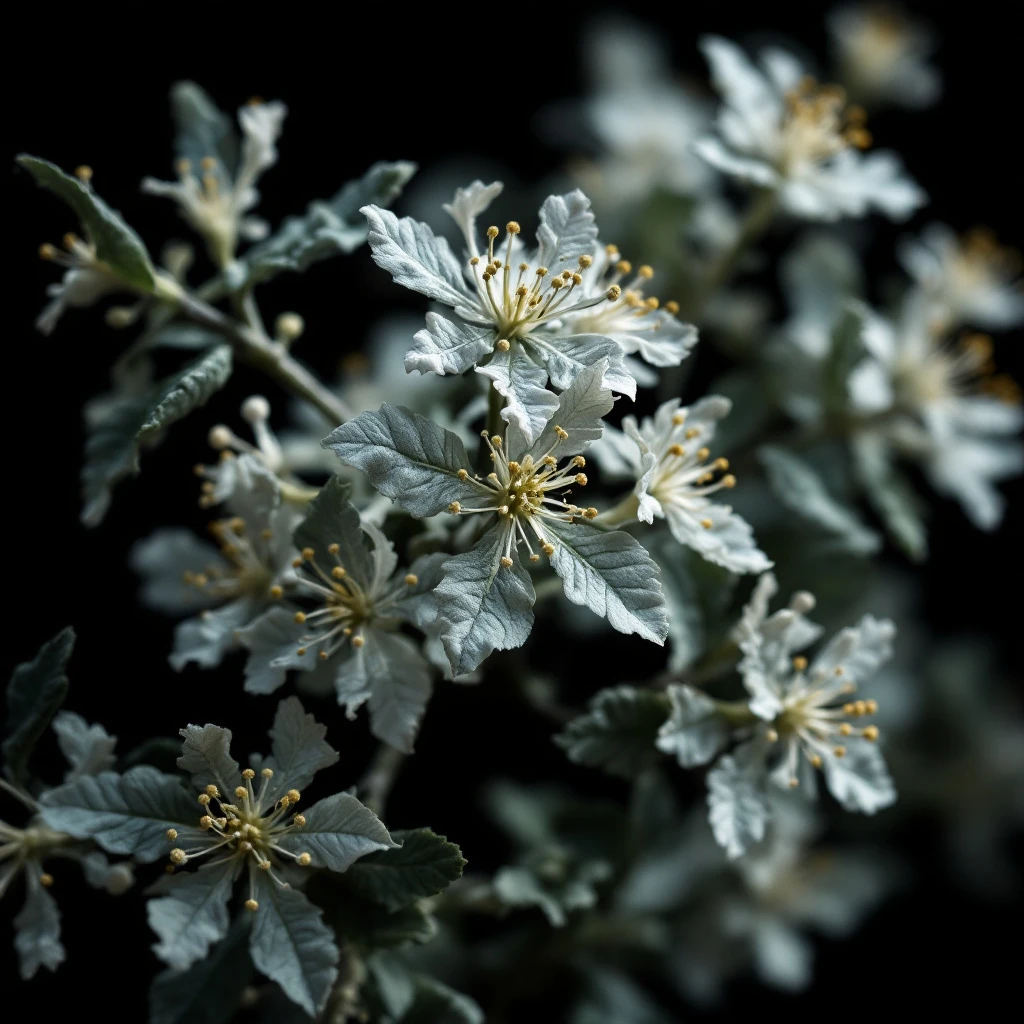
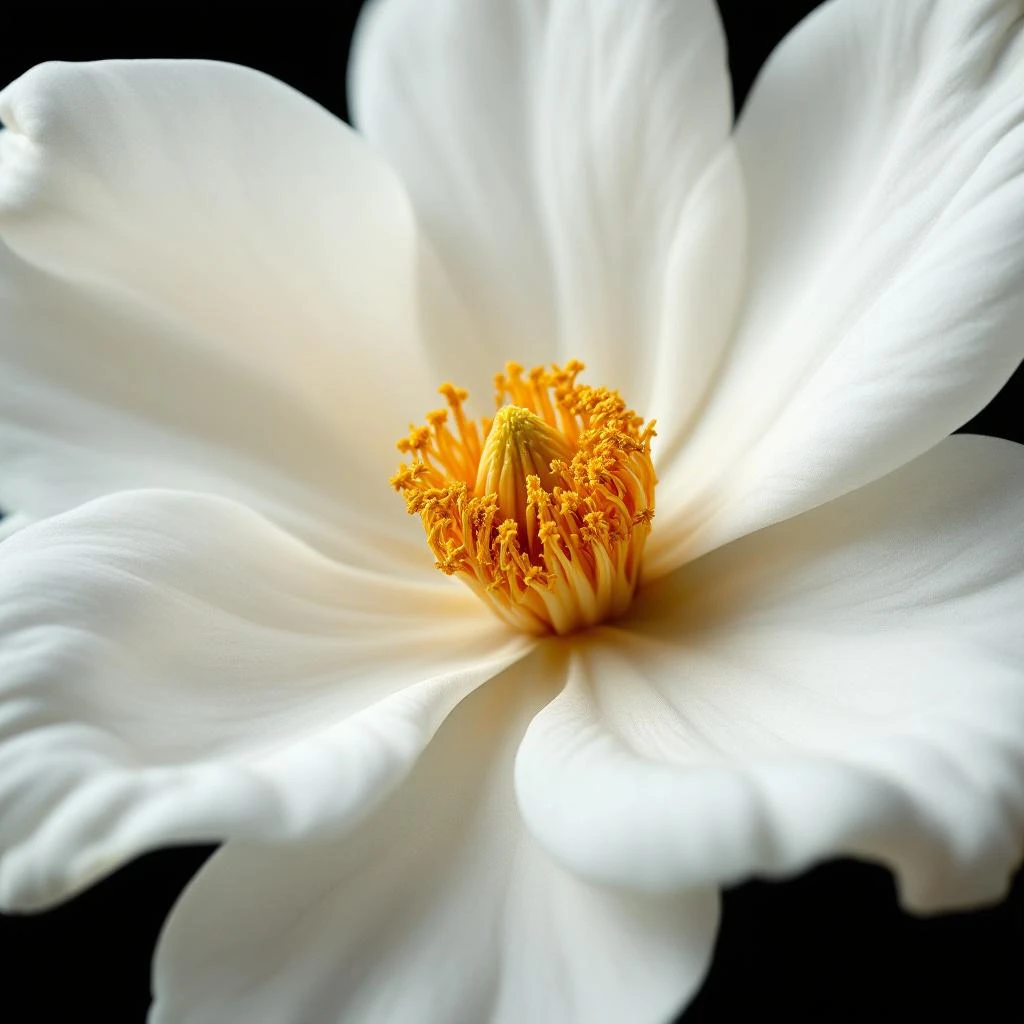
A luminous golden flower with an elusive scent that bridges apricot skin and black tea. Native to the Himalayas and southern China, osmanthus has flavored Chinese teas for millennia.
Character
How it smells
Golden blossoms. Fruity, tea-like, irreplaceable.
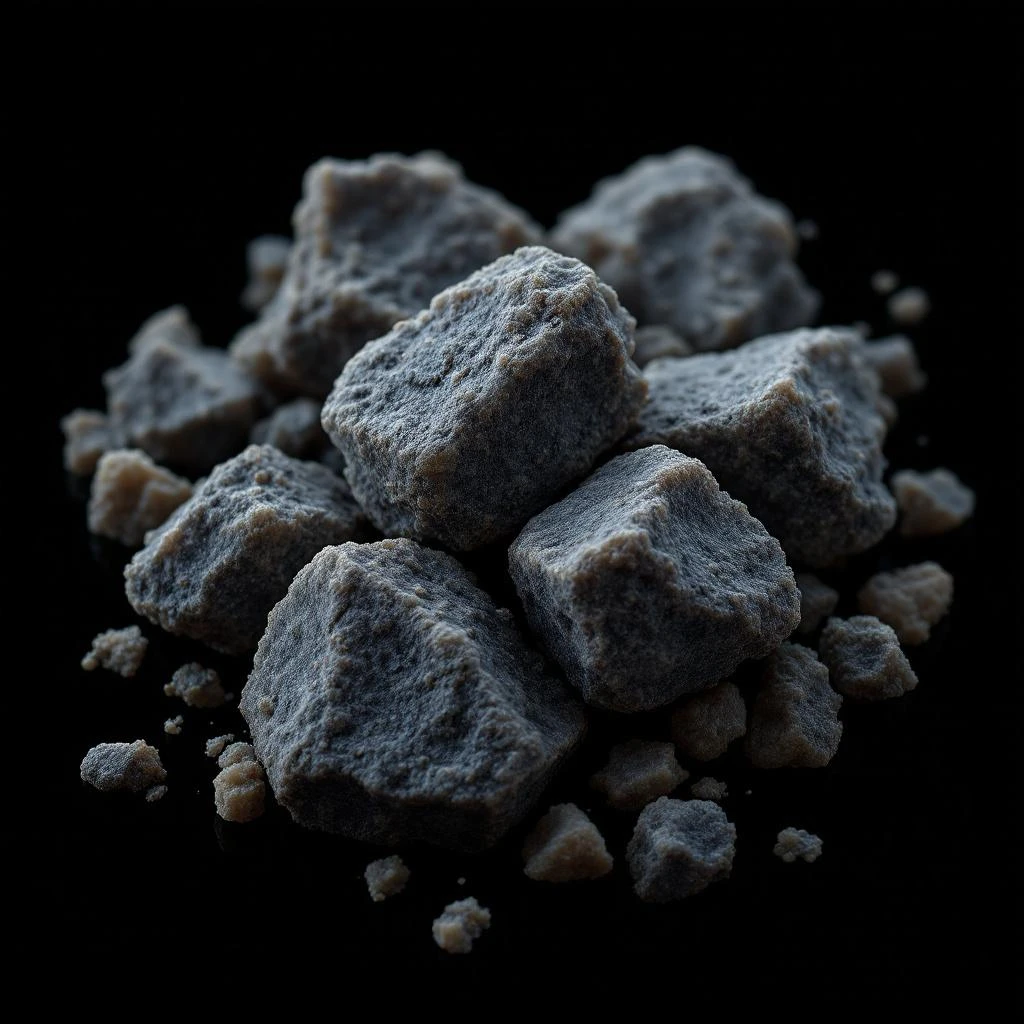
Only China produces osmanthus concrete. Harvesters spread sheets beneath the trees and shake the branches until golden petals cascade down like fragrant rain.





Origin
China
Chinese cultivators first valued osmanthus over 2500 years ago, breeding it for both its scent and ornamental appeal. The flower became one of ten traditional Chinese flowers, celebrated annually during the Mid-Autumn Festival when its bloom coincides with family reunions. Ancient poets wove its scent into verse, associating the blossom with autumn harvests and scholarly refinement.
The plant remained unknown to Western noses until traders and missionaries arrived in the late eighteenth century. European botanists brought specimens home, where the Fragrant Olive found modest placement in estate gardens. Its commercial perfumery debut came much later, when the West began importing Chinese aromatic traditions.
Today, Guangxi Province in southern China remains the center of production, where centuries of cultivation knowledge inform modern harvesting practices. The flower's journey from ancient Chinese gardens to contemporary fragrance bottles spans millennia of human appreciation for its singular scent.
Wears it best
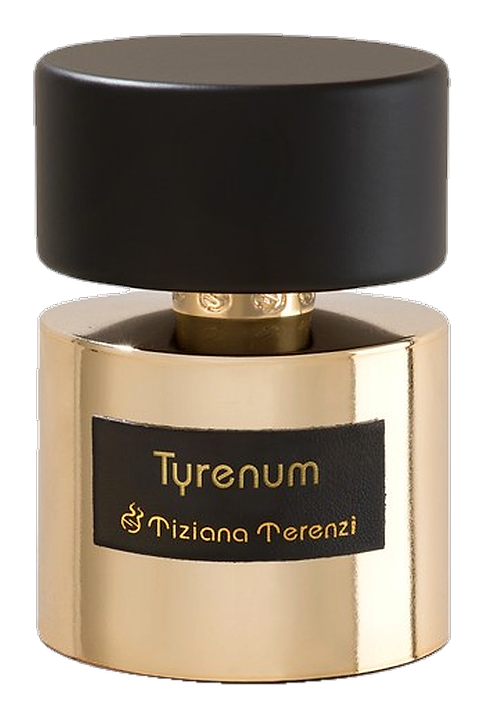
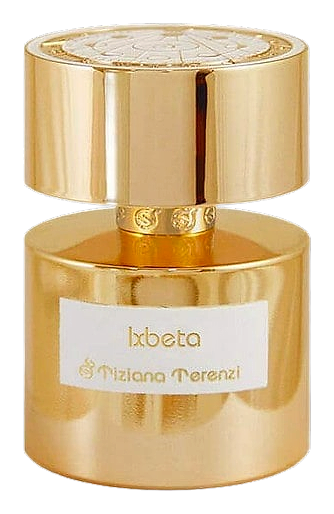
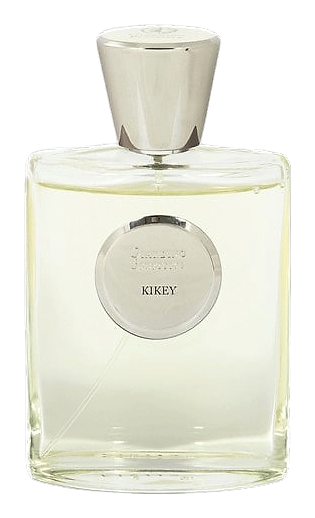
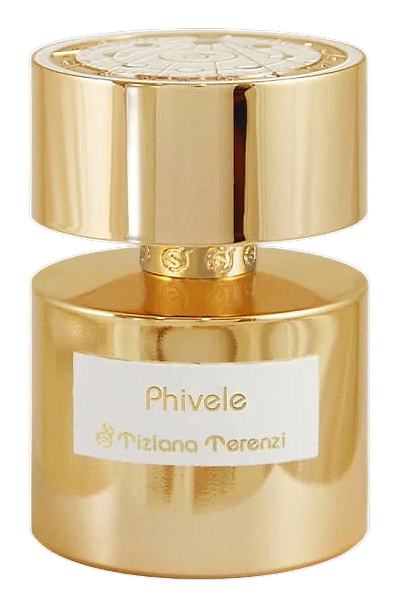
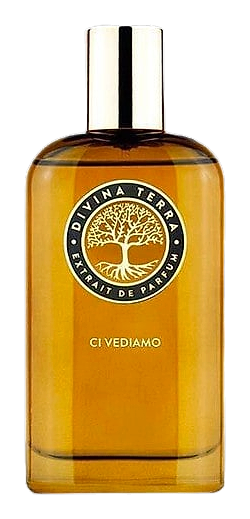
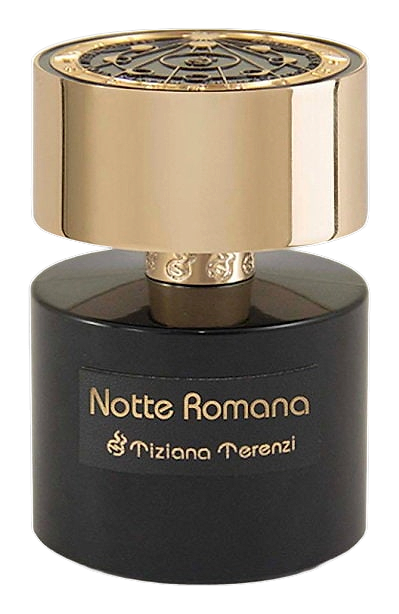
Fragrances featuring Himalayan Osmanthus
Brands
Brands known for Himalayan Osmanthus
Good to know
Questions, answered
The essentials on Himalayan Osmanthus in perfumery: how it smells, where it comes from, and how it behaves on skin.
What does Himalayan Osmanthus smell like?
Himalayan Osmanthus smells like apricot skin kissed by black tea, with a honeyed warmth and waxy depth. The note shifts between bright fruity top notes and a darker, almost leathery drydown. It captures the moment when autumn sunshine ripens stone fruit against a backdrop of dried tea leaves.
How long has osmanthus been used in flavoring?
Chinese tea masters have flavored beverages with osmanthus for over 2500 years. Ancient texts from the Han Dynasty reference the practice, making it one of the oldest continuously used aromatic ingredients in human history.
Is osmanthus only grown in China?
The plant grows across southern China, Japan, and the Himalayas, but only China produces osmanthus concrete for perfumery. Guangxi Province supplies the vast majority of global production, where specific climate and soil conditions produce the characteristic scent profile.
Why is osmanthus so expensive?
Osmanthus concrete costs roughly $4000 per kilogram. The flower yield is extremely low. Perfumers need about one ton of blossoms to produce one kilogram of concrete, and the harvest window lasts only a few autumn weeks.
How do harvesters collect osmanthus flowers?
Harvesters spread large sheets beneath the osmanthus trees and shake the branches. The tiny golden petals rain down onto the fabric below. Workers then gather the petals by the basketful, working quickly before the delicate blooms lose their scent.
What cultural significance does osmanthus hold in China?
Osmanthus is one of ten traditional Chinese flowers, celebrated for 2000 years. It blooms during the Mid-Autumn Festival and symbolizes autumn, harvest, and family reunion in Chinese poetry and art.
When did osmanthus reach Europe?
Botanists introduced osmanthus to European gardens in the late eighteenth century. Traders and missionaries brought plants from China during expanded diplomatic and commercial exchanges of that era.
Can synthetic molecules replicate osmanthus?
No synthetic fully captures osmanthus. Scientists have developed molecules like aldehyde C-14 that hint at its apricot character, but natural osmanthus absolute retains a complexity that laboratory replication cannot match.