
The Story
Why it exists.
The beginning
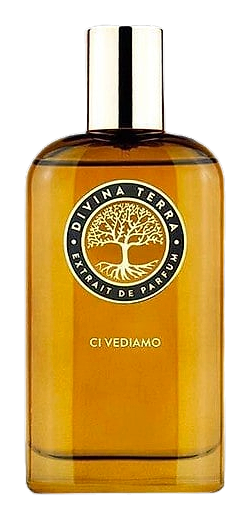
Ci Vediamo entered the DiVina Terra collection in 2024, designed by Paolo Terenzi. The name itself is an Italian phrase meaning 'we'll see each other'. The fragrance opens with bright notes that arrive quickly and confidently, then a heart that lingers longer than expected, suggesting a conversation that wasn't finished. Terenzi builds the composition around this sense of anticipation and eventual closeness, creating a scent that moves from assertive opening to something more intimate as it develops on the skin. The overall effect feels deliberate and personal, with each phase of the fragrance carrying its own distinct character.
What distinguishes this composition is the geographic sprawl of its materials. Himalayan osmanthus meets Tuscan lime and Sicilian grapefruit in the top, a bridge between altitudes and coastlines that shouldn't work but does. The heart layers Indian sambac jasmine against South African freesia and Tuscan magnolia, three floral traditions that share a warmth but speak in different dialects. Opoponax adds a honeyed, slightly animalic resin that gives the florals something to hold onto. The base is almost aggressively woody: Australian sandalwood, Bahamian guaiac, Tuscan oak, and Tyrolean fir. Cedarwood ties it together like a binding thread.
The evolution
The opening arrives fast, citrus and herbs hitting together in the first moments. Tuscan lime cuts sharp, Sicilian grapefruit adds a bitter edge, and Italian lavender sits underneath keeping things cool. The florals begin to push through, with jasmine sambac and magnolia arriving softened immediately by the amber and white musk in the heart. The herbaceous quality integrates into the composition as the florals become more prominent, adding depth without competing for attention. As the top notes settle, the composition moves into its warmer phase. The woody base begins to assert itself: sandalwood and guaiac wood move forward, the fir adds a faint resinous lift, and the oak gives the composition weight and structure. The transition from heart to drydown feels seamless, with the floral notes gently receding as the woods and musks take over.
Cultural impact
As a 2024 release from a house still building its collection, Ci Vediamo represents DiVina Terra's approach to niche perfumery. The geographic range of its materials, osmanthus from the Himalayas, jasmine from India, guaiac from the Bahamas, reflects an intentional sourcing strategy that prioritizes ingredient quality and provenance. These diverse origins come together in a composition that balances brightness with depth, creating a fragrance that appeals to those who value complexity and thoughtful construction over mainstream appeal. The scent demonstrates how global sourcing can result in a cohesive final work when handled with care.
The House
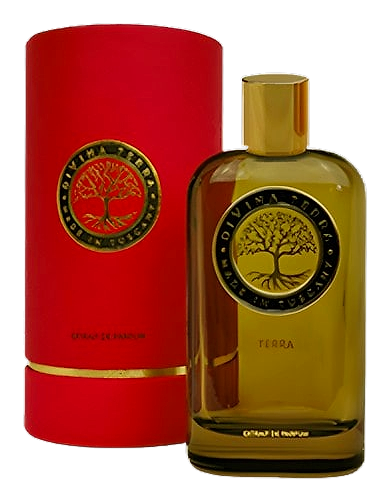
DiVina TerraDiVina Terra is an Italian niche fragrance house established in 2019, operating at the intersection of perfumery, visual art, and the sensory traditions of Tuscany. The brand emerged from a creative collaboration between founder Larisa Karaban and the design duo Tiziana and Paolo Terenzi. Their fragrance collection follows a numbered system (01 through 09, plus limited editions), offering olfactory interpretations of emotional moments, natural landscapes, and moments of human connection. The house draws direct inspiration from Tuscan terroir, translating the aromas of vineyards, olive groves, and Mediterranean herbs into wearable compositions. As of 2025, the brand has released sixteen distinct perfumes, with annual limited editions expanding the collection. The brand maintains a presence across European markets while cultivating a devoted following among collectors who value their unconventional approach to scent creation.
The Creator
Paolo TerenziWorking from a studio filled with rare essences and precious ingredients, Terenzi gravitates toward oud wood, ambergris, and benzoin resin, among other treasured materials. His creative ritual begins each morning with meditation before he gives free rein to instinct.