Amalfi Lime
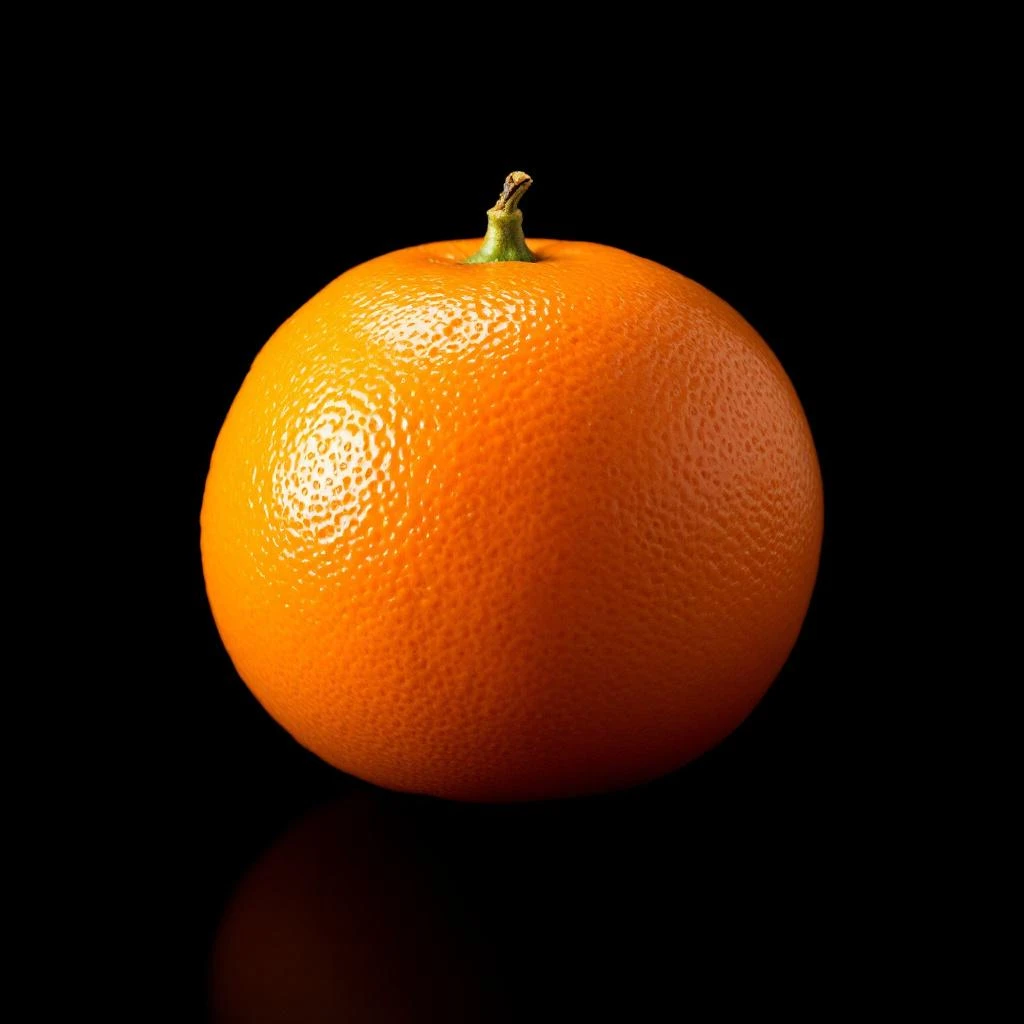
Amalfi Lime captures the sun-soaked cliffs of Italy's Amalfi Coast in a single note. Its aroma delivers electric citrus brightness with a clean, almost saline edge that lifts any composition the moment it hits the air.
Character
How it smells
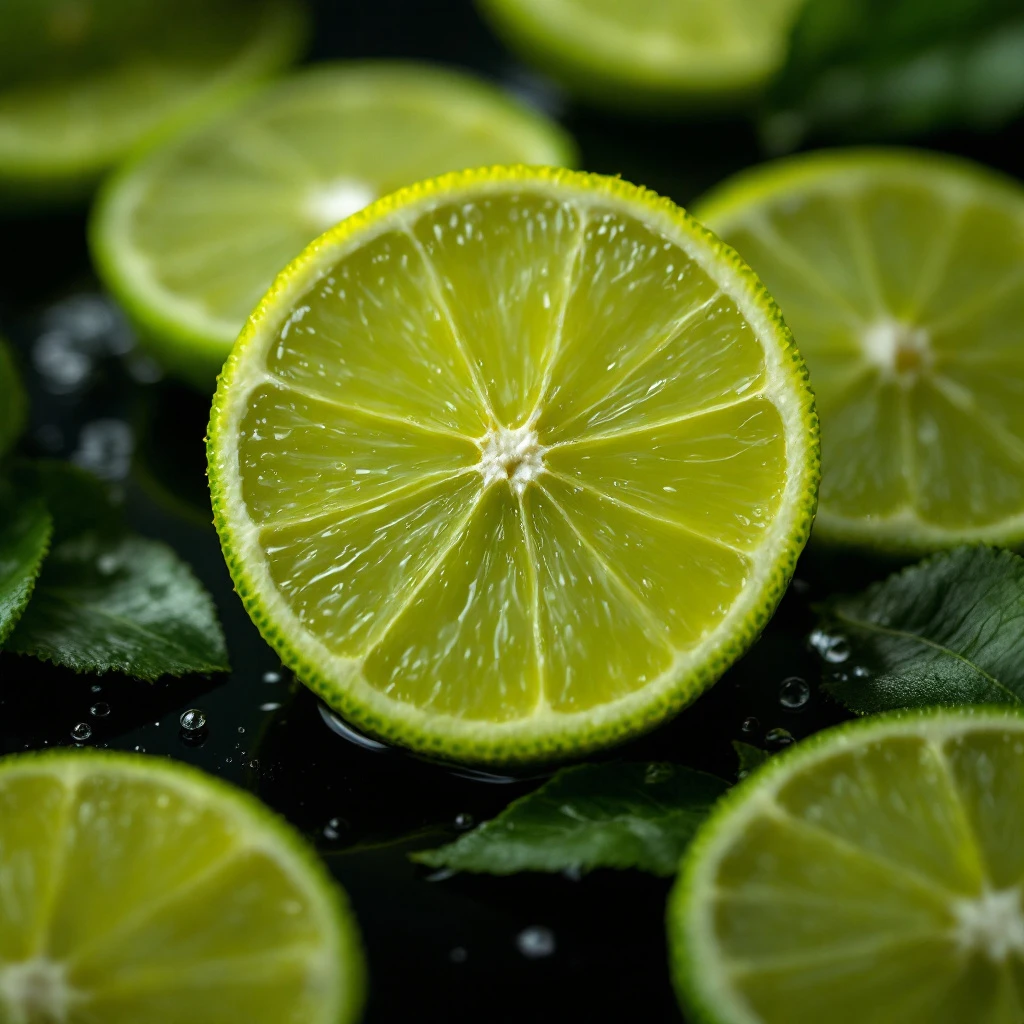
Mediterranean citrus in its purest form.
Lime peel oil ranks among the most reactive citrus materials in perfumery, transforming from sharp to sweet within minutes on skin.








Origin
Italy
The Amalfi Coast has grown citrus since medieval times, when trade routes carried these fruits across the Mediterranean. Local farmers cultivated lemons and limes on terraced hillside groves carved into steep coastal cliffs, developing techniques suited to the region's unique microclimate.
Ancient Mediterranean perfumers prized coastal citrus for its vivid, clean scent, using early extraction methods to capture peel oils for their compositions. The Amalfi region became synonymous with citrus cultivation, and its fruits developed a reputation for intensity that traders sought across the ancient world.
While lemons dominate Amalfi's agricultural identity today, lime cultivation continues in the same coastal terrain. The ingredient carries forward centuries of Mediterranean perfumery tradition, representing a bright, contemporary expression of an ancient craft.
Wears it best
Fragrances featuring Amalfi Lime
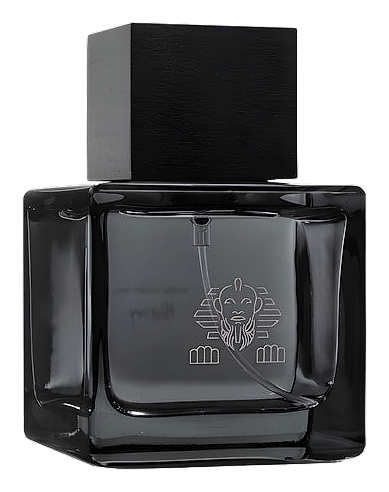
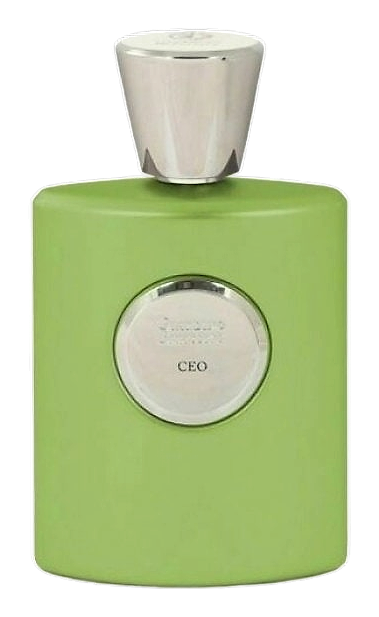
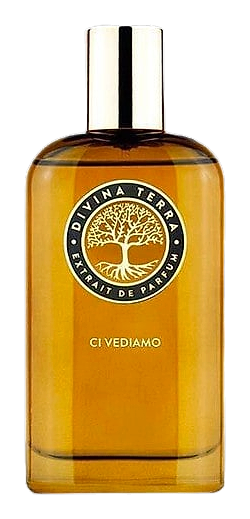
Brands
Brands known for Amalfi Lime
Good to know
Questions, answered
The essentials on Amalfi Lime in perfumery: how it smells, where it comes from, and how it behaves on skin.
What makes Amalfi Lime different from regular lime oil?
Amalfi Lime grows in a Mediterranean climate with volcanic soil, which produces a distinct aromatic profile compared to tropical limes. The coastal growing conditions create a brighter, more complex citrus note with subtle mineral undertones that standard lime oil lacks.
Can Amalfi Lime be combined with other citrus notes?
It pairs well with bergamot, lemon, and grapefruit, creating bright citrus chords. The ingredient also works alongside marine notes or green accords like galbanum to enhance its fresh, slightly aquatic character.
Does Amalfi Lime work as a standalone note?
Yes, designers often feature it as a standalone top note in fragrances targeting freshness and energy. The material's natural complexity means it holds attention even without extensive blending.
How long does Amalfi Lime last on skin?
As a citrus material, it functions as a top note with moderate longevity, typically remaining noticeable for one to three hours depending on concentration and skin chemistry.
What fragrance families use Amalfi Lime?
It appears frequently in aquatic, citrus, and green fragrance families. Summer fragrances and gender-neutral compositions commonly feature this note for its clean, uplifting character.
Are there synthetic alternatives to Amalfi Lime?
Synthetics like lime oxide or various citrus aromachemicals can approximate certain facets of lime, but they rarely capture the full complexity of cold-pressed peel oil, including its natural variation and depth.
How should I store products containing Amalfi Lime?
Keep bottles away from heat and direct sunlight, as citrus oils degrade when exposed to warmth and UV light. Sealed containers in cool, dark spaces help maintain the material's freshness over time.
What is the typical shelf life of Amalfi Lime oil?
Cold-pressed lime oil maintains quality for approximately two years when stored properly. Over time, the material's aroma shifts from bright and sharp toward darker, more caramel-like qualities.