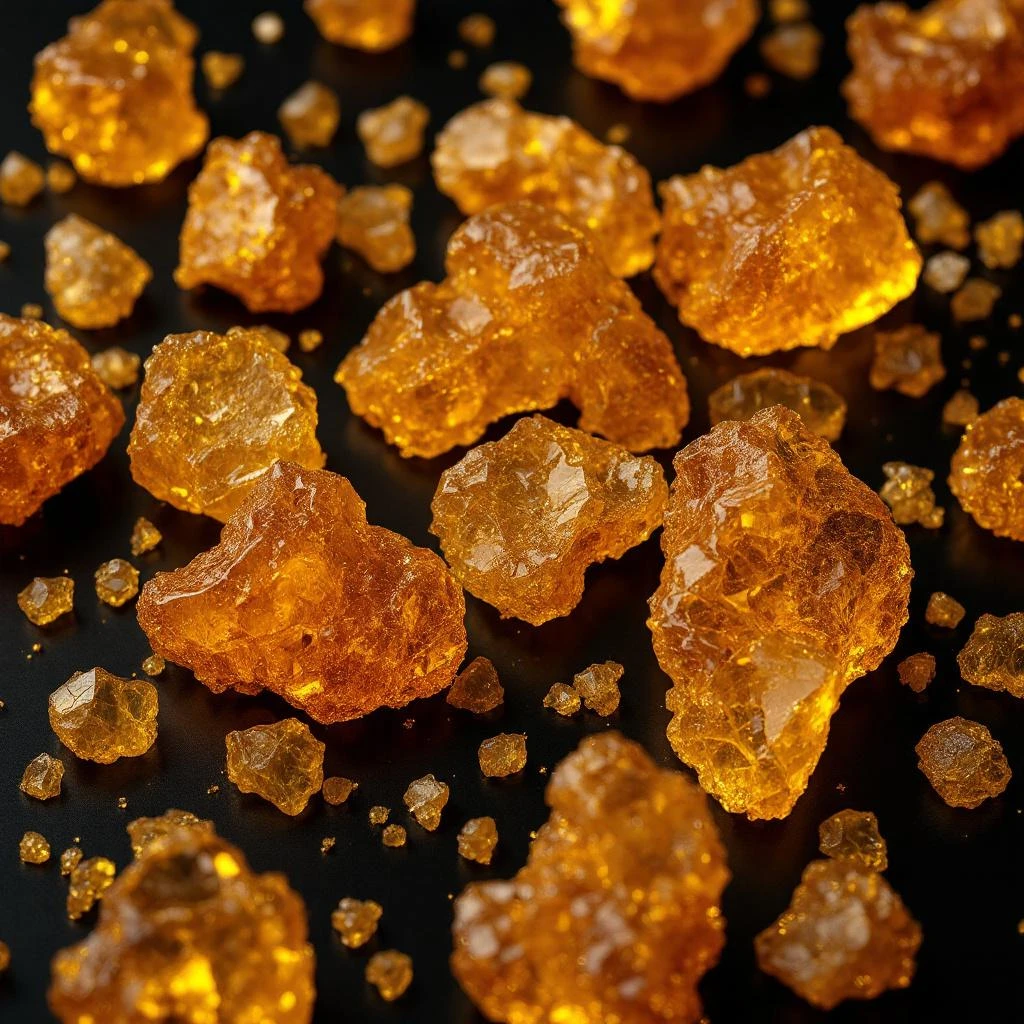
Greek Opoponax
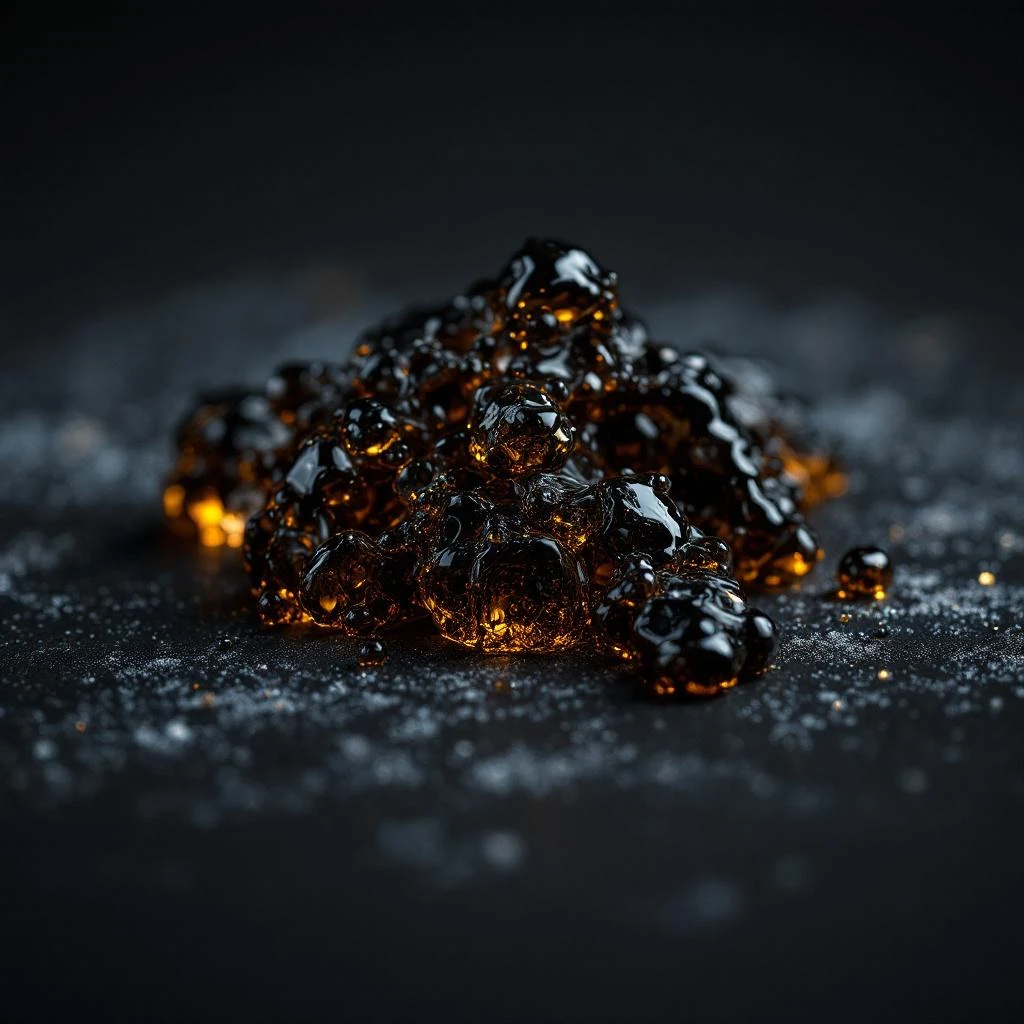
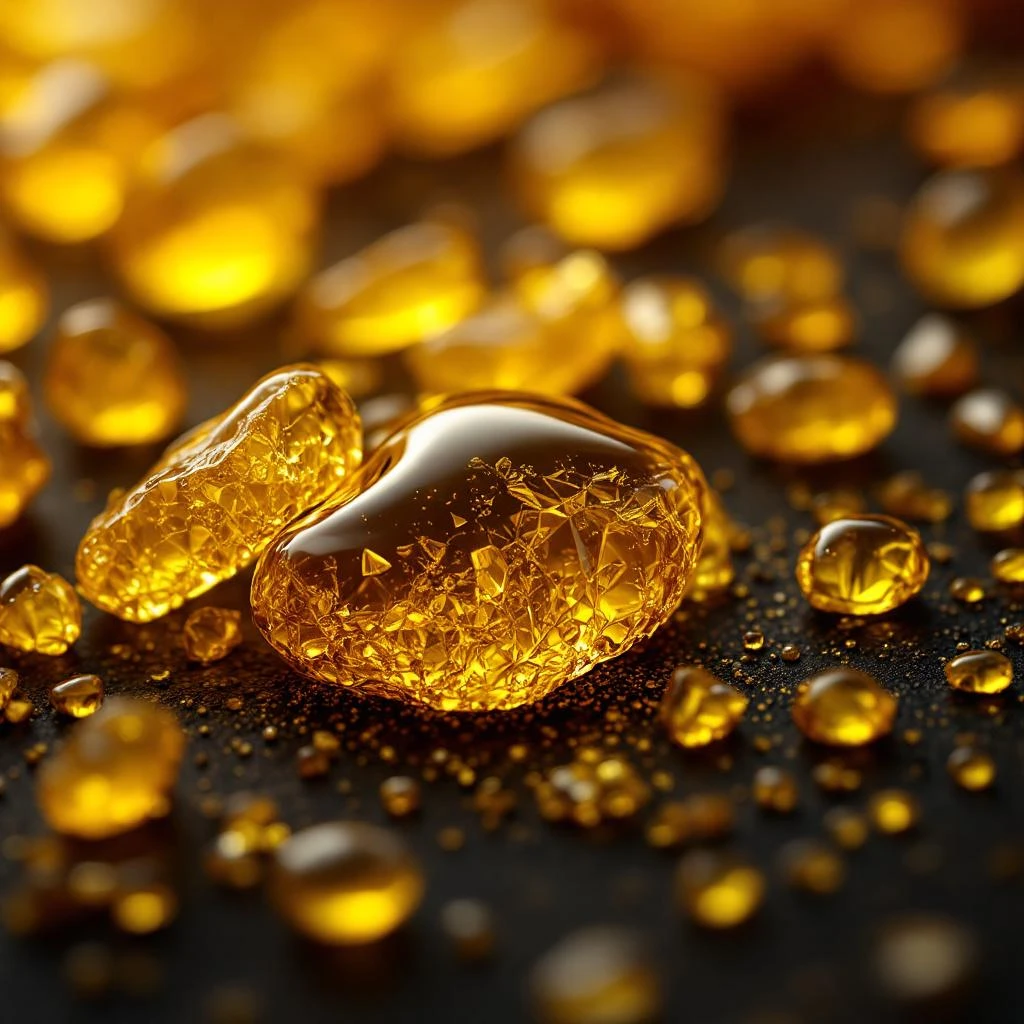
A warm, honeyed resin from the Horn of Africa with centuries of Mediterranean perfumery heritage. Greek opoponax carries deep balsamic sweetness balanced by subtle smoky undertones that add quiet complexity to fragrance compositions.

Character
How it smells
Sweet myrrh: warm, balsamic, quietly complex.
Ancient physicians valued opoponax resin for its reported wound-healing properties, using it alongside frankincense in medicinal preparations.





Origin
Somalia
While the Commiphora erythraea tree grows in the Horn of Africa, the name Greek opoponax reflects its deep integration into Mediterranean perfumery traditions. Ancient Greeks acquired the resin through trade routes connecting to the Red Sea coast and incorporated it into sacred incense blends.
Greek physicians including Dioscorides documented the resin in medical texts, noting its warming properties. The Persian and Arab physicians who followed preserved this knowledge through the medieval period.
By the time European perfumery emerged as a formalized craft, opoponax had become a fixture in the perfumer's palette, prized for its ability to add warmth without heaviness. The ingredient carried associations with sacred and ceremonial contexts that enriched its appeal to perfumers seeking depth and resonance.
Wears it best
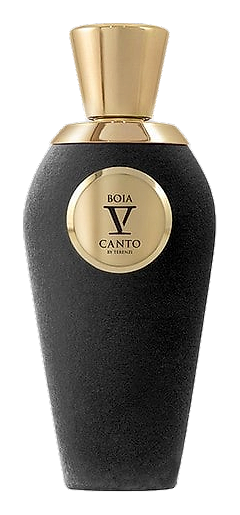
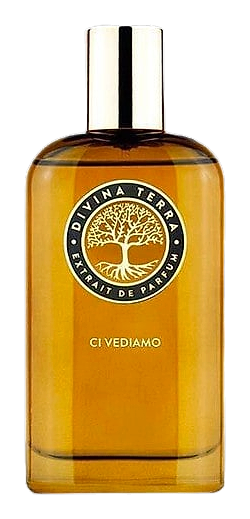
Fragrances featuring Greek Opoponax
Brands
Brands known for Greek Opoponax
Good to know
Questions, answered
The essentials on Greek Opoponax in perfumery: how it smells, where it comes from, and how it behaves on skin.
What does Greek opoponax smell like?
Greek opoponax smells warm and honeyed with deep balsamic sweetness. The scent combines vanilla-like warmth with resinous depth and subtle smoky undertones. It adds quiet complexity rather than projecting loudly, making it valuable for creating intimate, enveloping fragrance effects.
Is opoponax the same as myrrh?
Opoponax is not the same as myrrh, though both come from Commiphora species. Myrrh comes from Commiphora myrrha, while opoponax comes from Commiphora erythraea. The nickname sweet myrrh reflects their kinship and similar resinous character, but opoponax tends toward warmer, honeyed tones compared to myrrh's darker, more bitter qualities.
Where does Greek opoponax grow?
Commiphora erythraea, the tree that produces opoponax resin, grows natively in the Horn of Africa, particularly Somalia and adjacent regions. The hot, arid climate of this area produces resin with concentrated aromatic compounds. Somalia remains the primary source for the global perfume industry.
How do perfumers use opoponax in fragrance?
Perfumers use opoponax as a base note that adds warmth and roundness to compositions. It performs well in oriental fragrances, ambery constructions, and any blend seeking a soft, enveloping quality. The resin acts as a natural fixative, helping lighter top notes linger on the skin longer.
Is opoponax sustainable to harvest?
Wild-harvested opoponax raises sustainability questions due to increasing demand. Commiphora trees grow slowly and require specific conditions. Ethical sourcing initiatives now encourage sustainable tapping practices and community-based harvesting programs in Somalia to protect both the trees and local livelihoods.
Does opoponax have a long history in perfumery?
Opoponax has been used in perfumery since antiquity. Ancient Greeks acquired it through Red Sea trade routes and incorporated it into incense and perfumes. The ingredient appears in historical texts from Greek, Roman, Persian, and Arab medical traditions, demonstrating continuous use for over two thousand years.
What fragrance families feature opoponax most prominently?
Oriental fragrances feature opoponax most prominently, where its warm, balsamic character amplifies amber and spice accords. Chypre compositions and certain woody florals also use it for depth. The resin appears in both men's and women's fragrances, valued for its gender-neutral warmth.
Can opoponax be synthetically replicated?
Synthetic alternatives attempt to capture opoponax's warm, balsamic character, but they typically lack the natural ingredient's complexity. The natural resin contains hundreds of aromatic compounds that interact subtly on skin. Most premium perfumers still prefer natural opoponax for its nuanced, evolving quality.