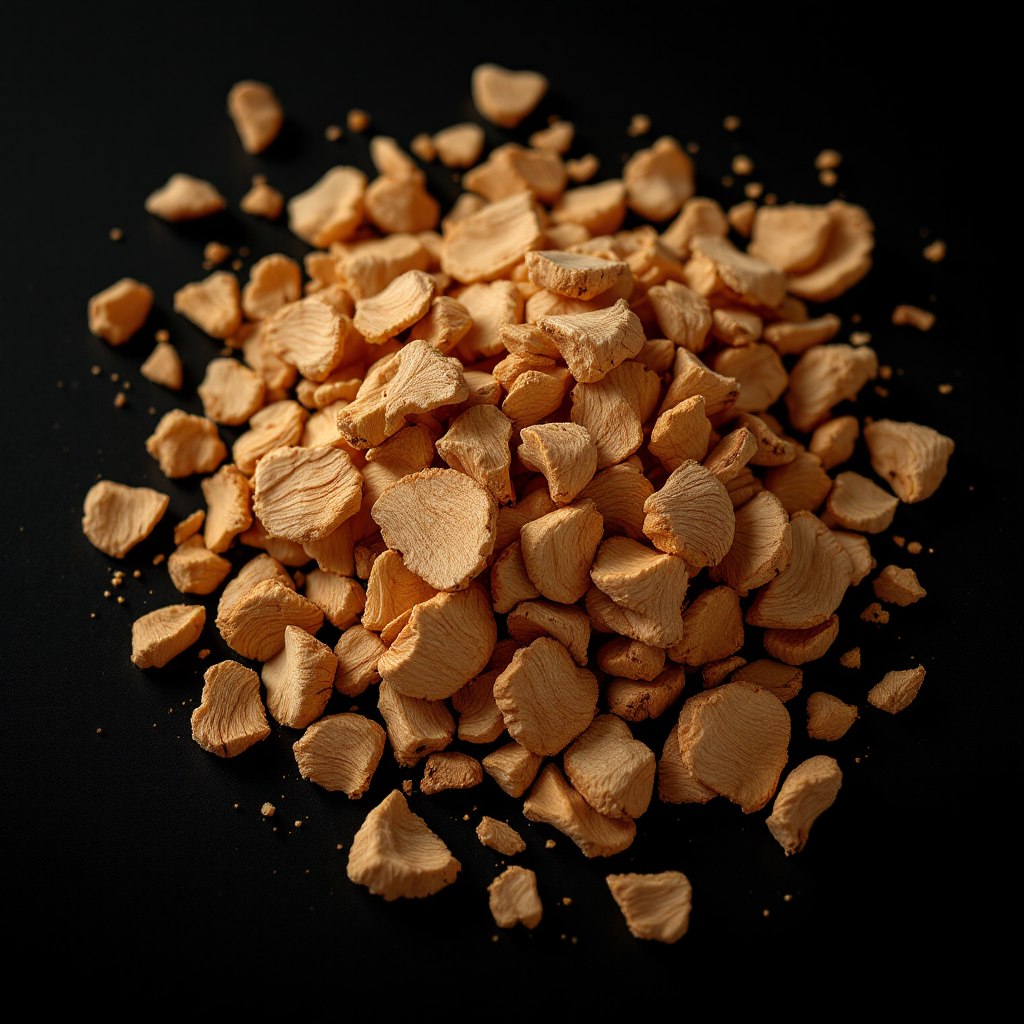
Olive Tree Wood
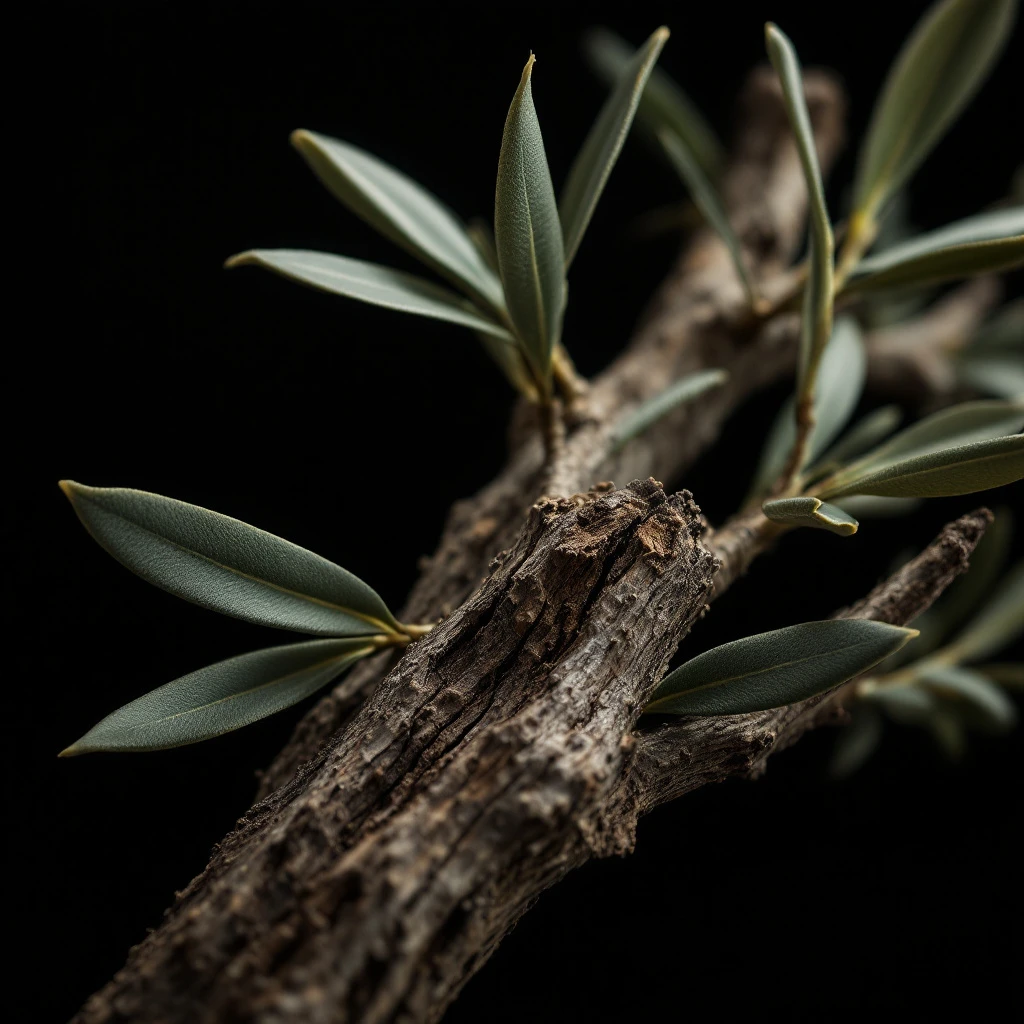
From the sun-baked groves of the Mediterranean, olive tree wood offers a rare and quietly sophisticated fragrance: dry, warm wood threaded with herbal greenness and subtle oil. Its scarcity in perfumery makes it a treasured discovery.
Character
How it smells
Mediterranean warmth, dry wood, whispered green.
The olive tree can live for over 2,000 years, meaning perfume ingredients may trace back to wood from trees planted during Roman times.





Origin
Greece
The olive tree has shaped Mediterranean civilization for at least 6,000 years, woven into mythology, religion, and daily survival. Ancient Greeks considered the olive tree a gift from Athena, associating it with wisdom, peace, and prosperity.
Romans pressed its fruit for oil that served as fuel for lamps, medicine, and ritual. The tree appears throughout the Bible as a symbol of covenant and abundance.
While perfumery developed across these ancient cultures, olive tree wood was likely used as incense or in early aromatic preparations, though documentation is sparse. Today, perfumers working with natural materials draw on this millennia-old relationship, using wood from centuries-old trees that have witnessed countless harvests.
Wears it best
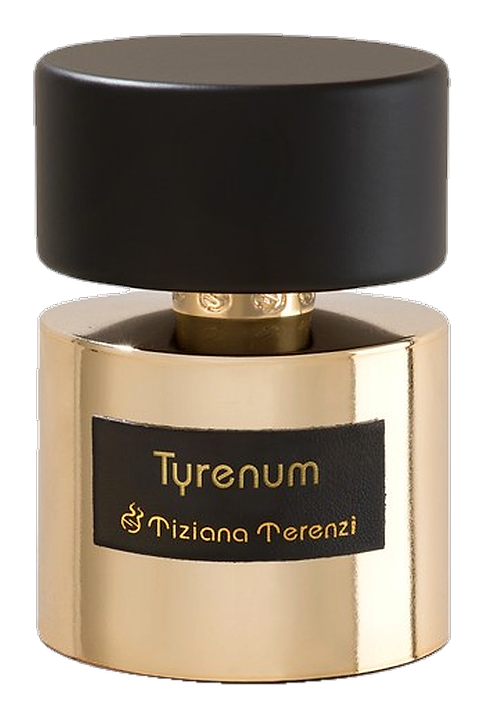
Fragrances featuring Olive Tree Wood
Brands
Brands known for Olive Tree Wood
Good to know
Questions, answered
The essentials on Olive Tree Wood in perfumery: how it smells, where it comes from, and how it behaves on skin.
What does olive tree wood smell like?
Olive tree wood smells dry and warm with an oily richness and a subtle herbal greenness. It carries a quiet woodiness without the sweetness of sandalwood or the intensity of oud.
Is olive tree wood a common perfume ingredient?
No. Low extraction yields make it rare in mainstream fragrances. You will find it more often in artisanal or niche perfumes that highlight natural, hard-to-source materials.
How is olive tree wood extract made?
Manufacturers use solvent extraction, typically with ethanol or supercritical carbon dioxide, to pull aromatic compounds from dried heartwood and branches. The process is slow and yields only small amounts of material.
Where does olive tree wood used in perfumery come from?
The primary source is the Mediterranean basin, particularly Greece, Italy, and Spain, where olive cultivation has been practiced for thousands of years.
What part of the olive tree is used for fragrance?
Fragrance extract comes from the heartwood and smaller branches, not the olives themselves. The wood contains the aromatic compounds that survive the extraction process.
Can synthetic olive tree wood notes be used instead?
Some perfumers recreate olive wood notes through synthetic aromatic molecules, but natural extract offers a complexity that laboratory equivalents rarely match.
What perfumes feature olive tree wood as a prominent note?
Olive tree wood appears most often in Mediterranean-inspired fragrances and luxury niche lines. Its prominence varies widely depending on the perfumer's vision.
Why is olive tree wood so rare in perfumery?
The combination of low aromatic compound concentration in the wood and the difficulty of extraction makes the ingredient costly to produce in meaningful quantities.