Italian raspberry
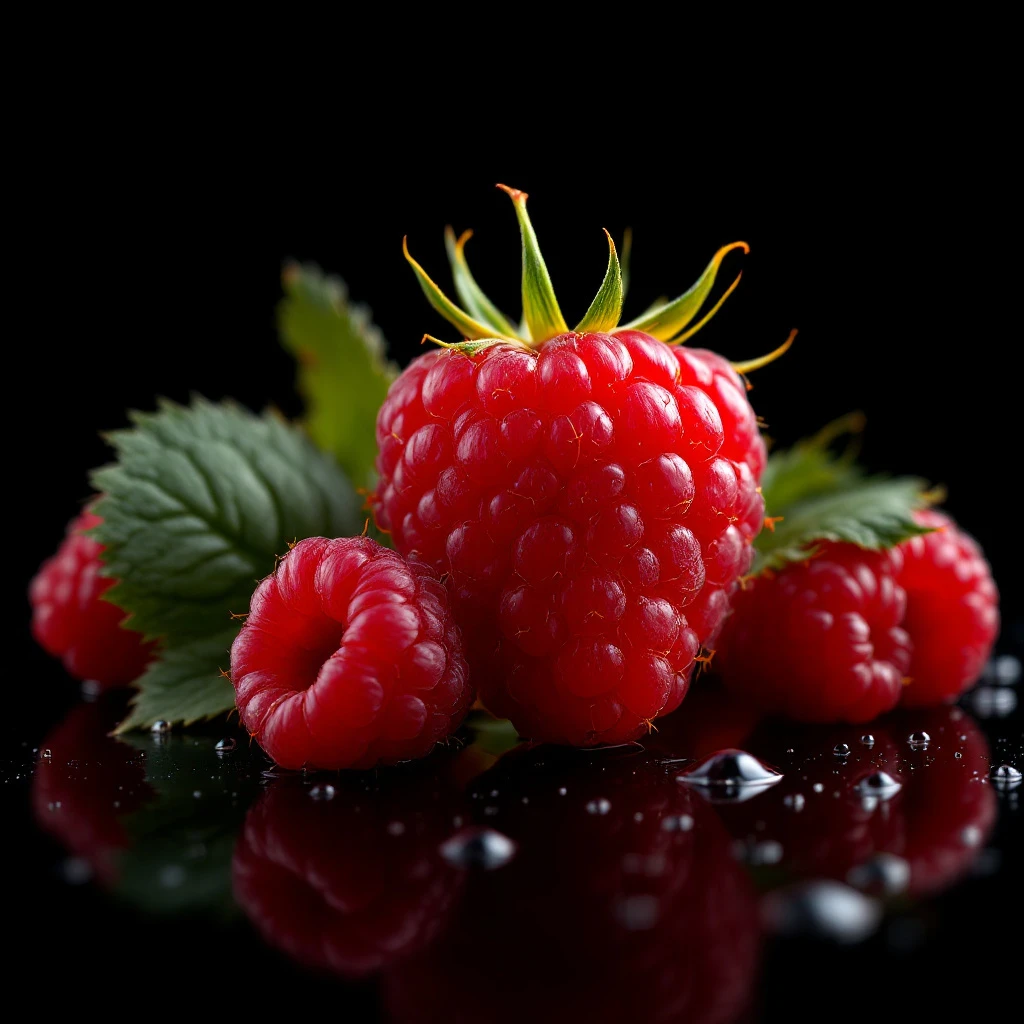
Sun-ripened Italian raspberries bring a bright, jammy sweetness to fragrances, balanced by a lively tartness that captures the berry's fresh-picked character.
Character
How it smells
Bright berry sweetness with a tart finish
Raspberry absolute exists but costs significantly more than synthetic alternatives, making reconstructed esters the industry standard.





Origin
Italy
The rubus genus of raspberries and blackberries traces its roots to East Asia, where wild varieties first grew before spreading westward through ancient trade routes. Raspberry gradually became naturalized across Europe, adapting to varied climates and eventually finding ideal growing conditions in Italy's northern regions. While the fruit itself predates recorded perfumery, raspberry as a fragrance ingredient emerged much later.
Italian perfume houses began incorporating berry notes during the 20th century, as fruity fragrance families gained popularity. The real breakthrough came with the development of synthetic aromatic compounds, allowing perfumers to capture raspberry's delicate character reliably and affordably. Italian suppliers have played an increasingly important role in producing high-quality fruit esters, building on the country's historic expertise in aromatic extraction that dates back centuries.
Today, Italian raspberry in perfumery represents both the fruit's Italian cultivation heritage and the nation's capabilities in producing premium aromatic materials.
Wears it best
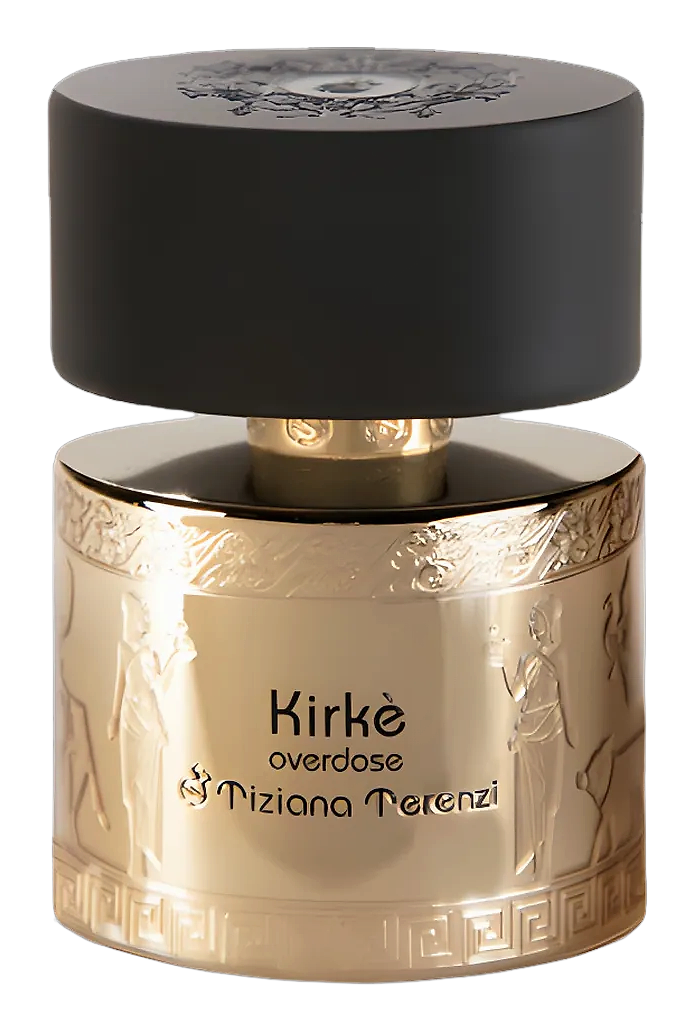
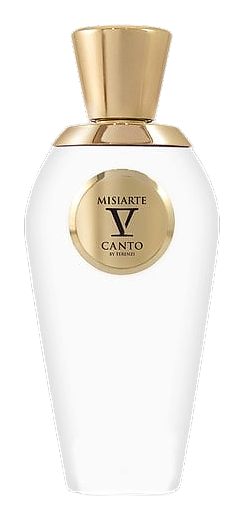
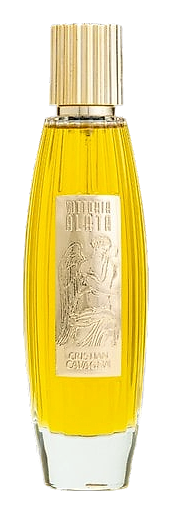
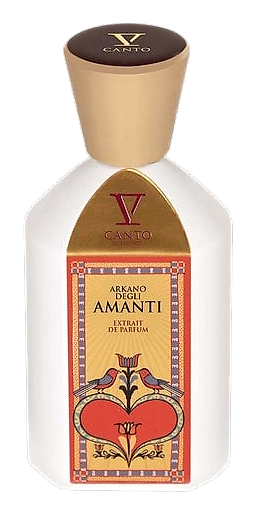
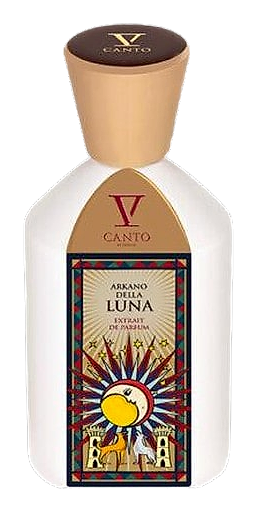
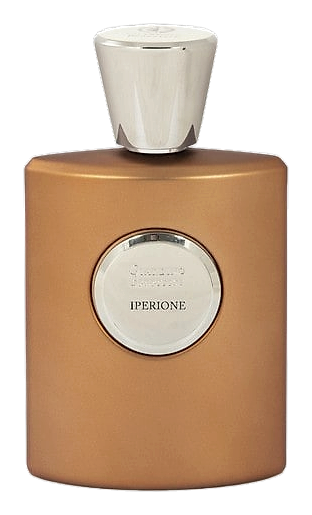
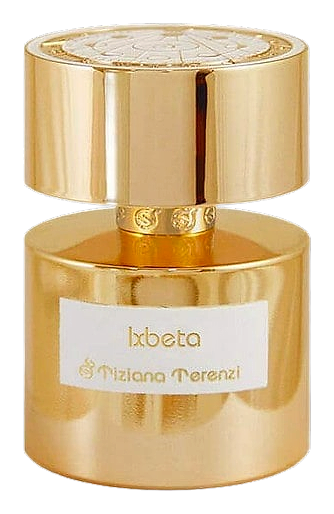
Fragrances featuring Italian raspberry
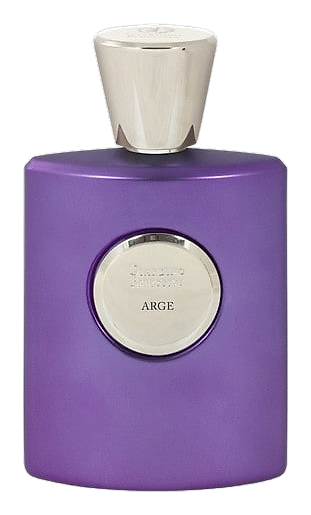
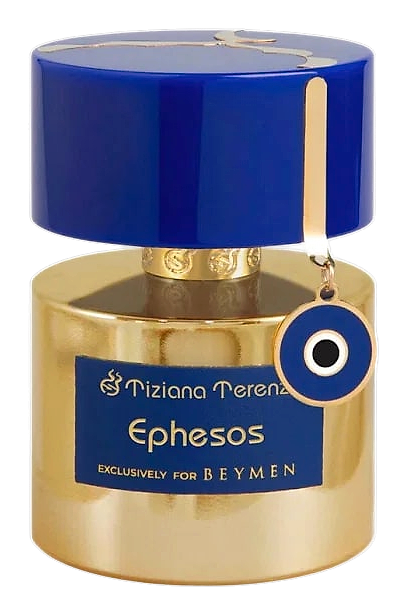

Brands
Brands known for Italian raspberry
Good to know
Questions, answered
The essentials on Italian raspberry in perfumery: how it smells, where it comes from, and how it behaves on skin.
Is Italian raspberry a natural or synthetic ingredient?
Italian raspberry in perfumery is primarily synthetic. While natural raspberry absolute exists and can be extracted from the fruit's juice, it remains prohibitively expensive for most commercial fragrance use. Modern Italian suppliers specialize in producing high-quality synthetic esters that recreate the berry's bright, fruity character.
What compounds give raspberry its characteristic scent?
Raspberry's signature aroma comes from two primary synthetic esters: hexyl acetate, which provides the sweet, slightly pear-like note, and ethyl hexanoate, which adds fruity, tart undertones. Berry aldehydes round out the accord, creating the recognizable raspberry character found in most fragrances.
How long has raspberry been used in perfumery?
Raspberry emerged as a notable perfumery ingredient during the 20th century as fruity fragrance families expanded. The rubus genus itself originated in the Far East, with raspberry becoming naturalized across Europe over centuries. True synthetic raspberry compounds became possible after organic chemists developed lab-created floral scents in 1895.
Where do raspberries used in Italian perfumery grow?
Italian raspberry cultivation concentrates in the country's northern regions, particularly Piedmont and Trentino, where the cooler mountain climates suit the fruit. However, most Italian raspberry fragrance materials come from synthetic production rather than agricultural extraction, reflecting the berry's delicate nature.
What fragrances traditionally feature Italian raspberry?
Italian raspberry notes appear across fruity and floral fragrance families. The bright, jammy quality works well in spring and summer scents, often paired with rose, peony, or citrus elements. Many designer and niche fragrances use raspberry as a top note to create an immediate sense of freshness.
Does natural raspberry absolute exist in perfumery?
Natural raspberry absolute exists but remains extremely rare and costly, making it impractical for most fragrance applications. While the rubus genus offers both raspberries and blackberries as potential sources, the delicate aromatic compounds are challenging to extract in quantities suitable for commercial perfumery.
How do Italian suppliers shape modern raspberry fragrance materials?
Italian suppliers have become key producers of fruit esters used in synthetic raspberry bases. Building on expertise from the country's historic citrus extraction industry, Italian facilities have developed capabilities to produce the precise aromatic compounds that form modern raspberry accords with consistent quality.
What distinguishes Italian raspberry from other raspberry materials?
The distinction between Italian and other raspberry materials is largely commercial. Italian suppliers often produce premium fruit esters known for consistency and quality. The label typically indicates sourcing or production through Italy's established aromatic materials industry rather than differences in the berry compounds themselves.