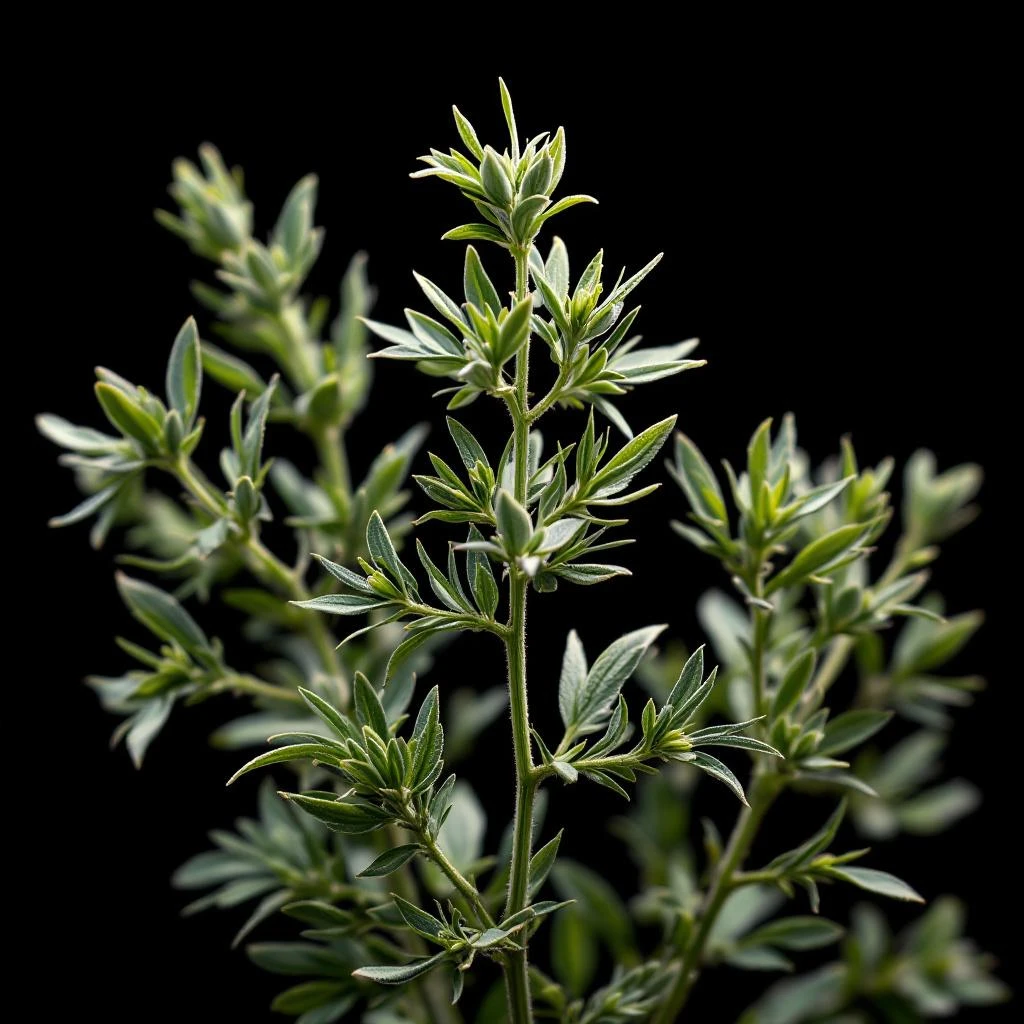
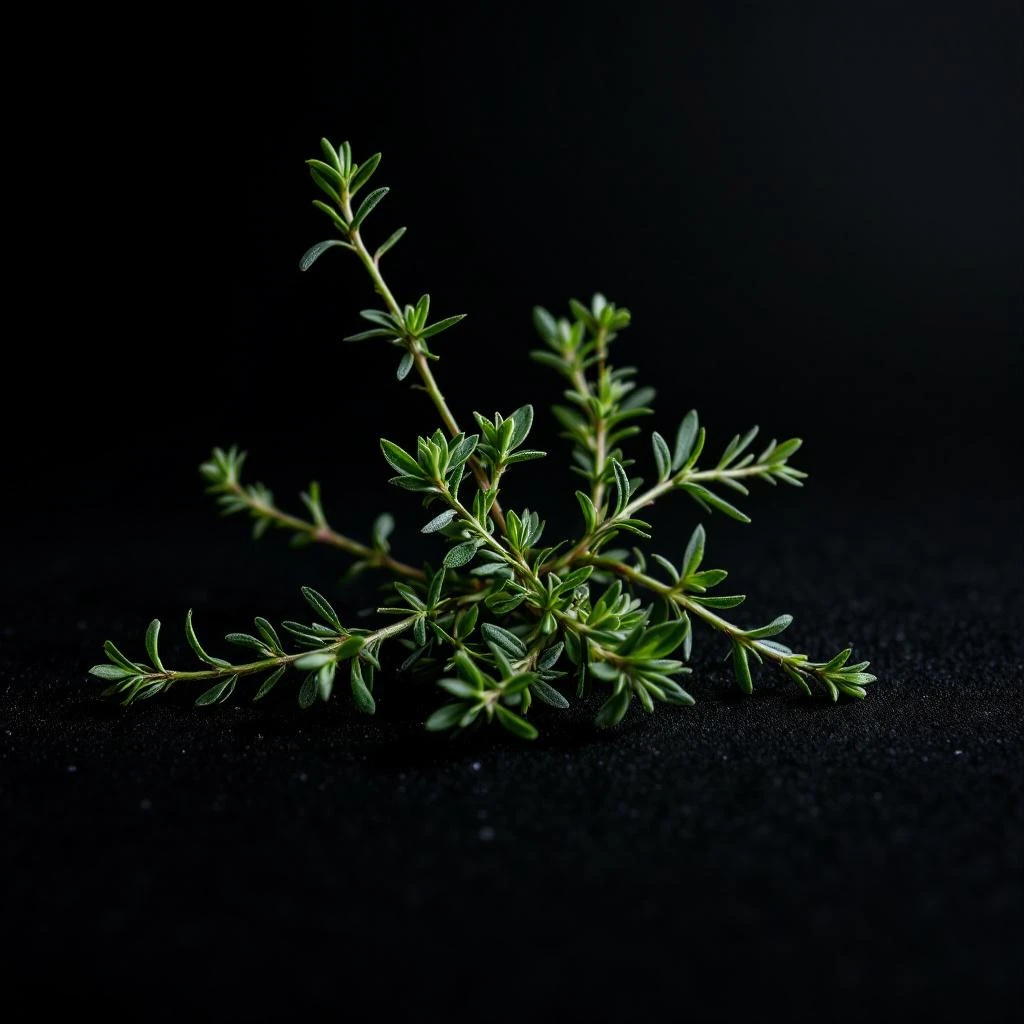
High Altitude Lavender
Grown in the rarefied air of Provençal highlands, high altitude lavender develops a concentrated, multifaceted aroma that lowland varieties cannot match. Thin soil, intense sunlight, and temperature extremes stress the plants into producing richer, more complex essential oils prized by master perfumers.
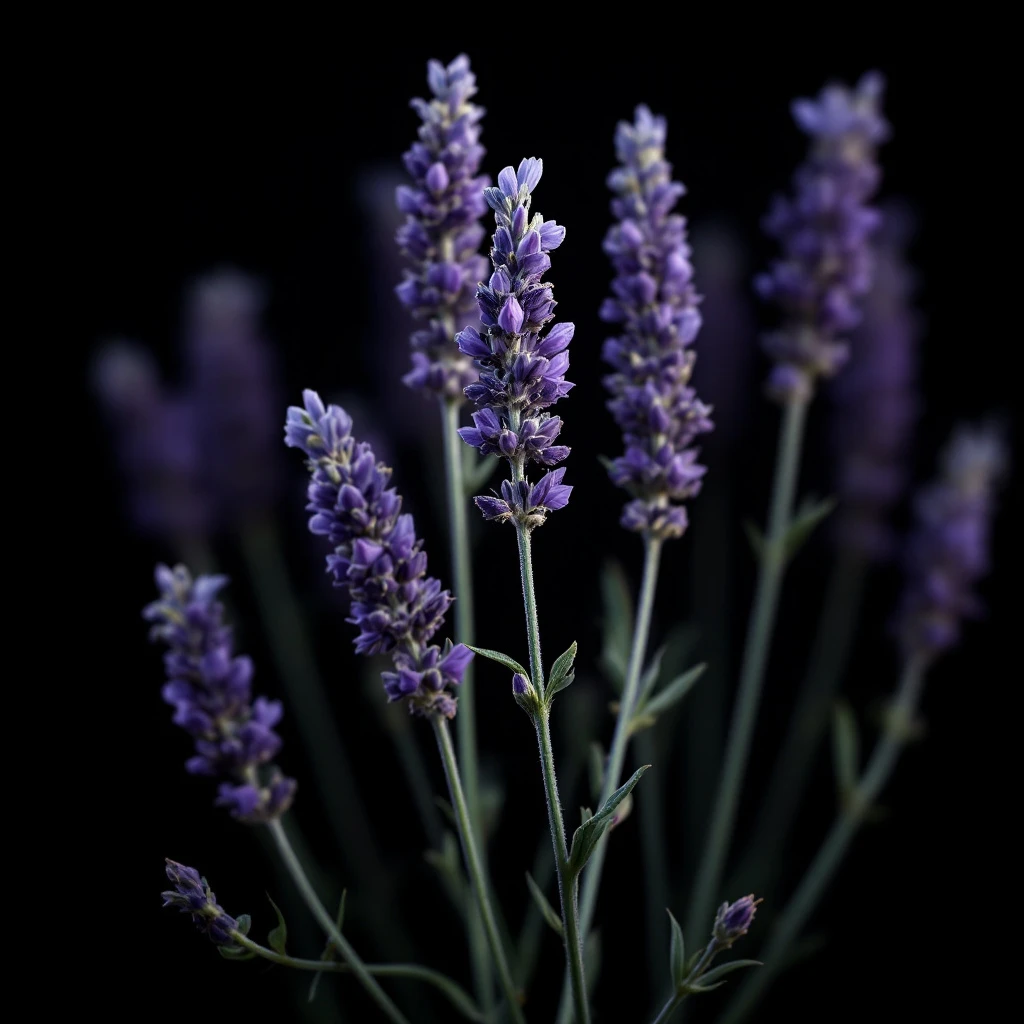
Character
How it smells
The rarified scent of Provençal highlands.
Lavender at 1,000 meters produces up to 40% higher linalyl acetate content than the same species grown at sea level, yielding a noticeably richer, warmer fragrance.






Origin
France
Lavender has perfumed human civilization since ancient Egypt, where priests first extracted its essence for religious ceremonies and embalming. The Greeks called it nardus, named after the Syrian city of Naarda, and incorporated it into their famous fragrant oils. Romans bathed in lavender-laced water so routinely that the Latin verb lavandare emerged, literally meaning "to wash" and giving the plant its modern name.
When Roman legions marched into Gaul around 50 BCE, they encountered wild lavender carpeting the Provençal highlands and immediately began harvesting it. By the 18th century, the south of France had built its entire agricultural economy around lavender cultivation, with Grasse rising as Europe's perfume capital partly because of proximity to these highland fields. Napoleon himself reportedly used lavender to scent his uniforms during Italian campaigns.
Today, authentic high altitude Lavandula angustifolia from the Plateaux de Valensole remains the benchmark against which all other lavender oils are measured.
Wears it best
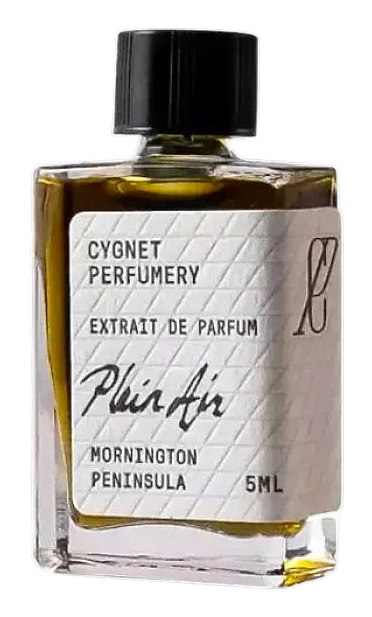
Fragrances featuring High Altitude Lavender

Brands
Brands known for High Altitude Lavender
Good to know
Questions, answered
The essentials on High Altitude Lavender in perfumery: how it smells, where it comes from, and how it behaves on skin.
What makes high altitude lavender different from regular lavender?
Altitude stress produces a more concentrated oil with elevated linalyl acetate content, creating a sweeter, warmer, and longer-lasting scent compared to standard lavender.
Where does high altitude lavender grow?
The primary source is Provençal France, particularly the Plateaux de Valensole, Sault region, and surrounding highlands above 800 meters elevation.
Is high altitude lavender suitable for sensitive skin?
Its naturally higher linalool content can trigger reactions in individuals with linalool sensitivity. Standard patch testing before topical use is recommended.
How can I identify authentic high altitude lavender oil?
Authentic oil is thick and viscous with a rich, herbaceous-sweet aroma. Ask for gas chromatography results showing linalyl acetate above 35% to confirm altitude origin.
What fragrance families pair well with high altitude lavender?
It harmonizes naturally with citrus, herbal, and woody notes including bergamot, rosemary, cedar, and oakmoss for aromatic and fougère compositions.
Does high altitude lavender contain camphor?
Lavandula angustifolia grown at altitude contains minimal camphor, typically under 0.5%, distinguishing it from higher-camphor lavandin oils.
Can I substitute regular lavender essential oil for high altitude lavender?
Yes, but expect a less complex scent profile. Regular lavender lacks the warm, honeyed undertones that make high altitude varieties particularly prized in fine perfumery.
Is high altitude lavender sustainably harvested?
Many Provençal producers maintain traditional hand-harvesting methods that protect soil integrity. Look for certified organic designations to ensure sustainable cultivation practices.