

Heritage
A house, in its own words
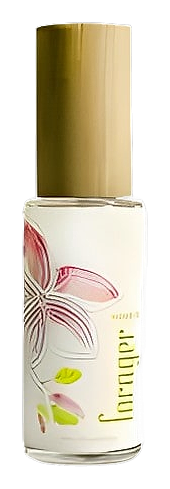
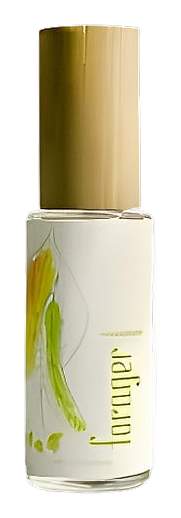
Forager Botanicals began with Casey Coyle, a Brooklyn graphic designer and art director whose interest in fragrance grew from memories of an ancestor who made perfume at home nearly a century earlier. Interviews with Coyle frame that family connection as the origin of the business, but the story quickly moved beyond nostalgia for a historical craft. Drawing on her own visual and artistic practice, Coyle developed a fragrance identity shaped by plants and the outdoors. The brand launched in 2012 with four perfumes, Island Lei, Nectar, Bloom and Woodland. This compact debut established the vocabulary that still defines Forager: evocative place and plant names, natural ingredients and an emphasis on the sensory character of botanical materials. Independent fragrance documentation also credits Alex Lawless with a consulting perfumer role during the development of the original line, adding a professional layer to a company founded by a multidisciplinary creative. Forager subsequently turned toward body oils, products that connect fragrance more directly with the ritual of daily body care. The shift reflects a broader idea within the brand's history. Rather than treating perfume as a separate object, Forager explored scent as part of an everyday practice built around the body, nature and aromatic routine. The company has remained associated with Brooklyn and with founder-led creative direction, while its catalogue has grown from four eau de parfums into a wider collection of natural fragrances and body oils. Forager Botanicals approaches fragrance as an encounter with nature rather than a decorative concept. Its name and early scent names invite the wearer into specific outdoor settings, with Island Lei suggesting a tropical escape, Nectar concentrating the sweetness of flowers, Bloom marking their flowering and Woodland pointing toward a denser, wooded atmosphere. This naming strategy gives each fragrance a clear emotional and environmental reference without reducing it to a literal ingredient list. Coyle's background in graphic design and art direction also informs the brand's measured, nature-centred identity. The visual restraint of the packaging and the botanical framing of the fragrances serve the same purpose. They allow plants, oils and their impressions to remain central. Independent interviews describe Forager's use of natural ingredients and its basis in aromatherapy as guiding principles, while the brand's own product language presents its body oils as carefully composed blends. The approach is less about recreating nature photographically than about translating its moods into wearable scent. It sits between perfumery, personal ritual and the restorative idea of aromatic botanicals. That balance gives Forager a distinct point of view within the natural beauty category, one that values atmosphere, touch and daily use over opulence.