Green Fruits
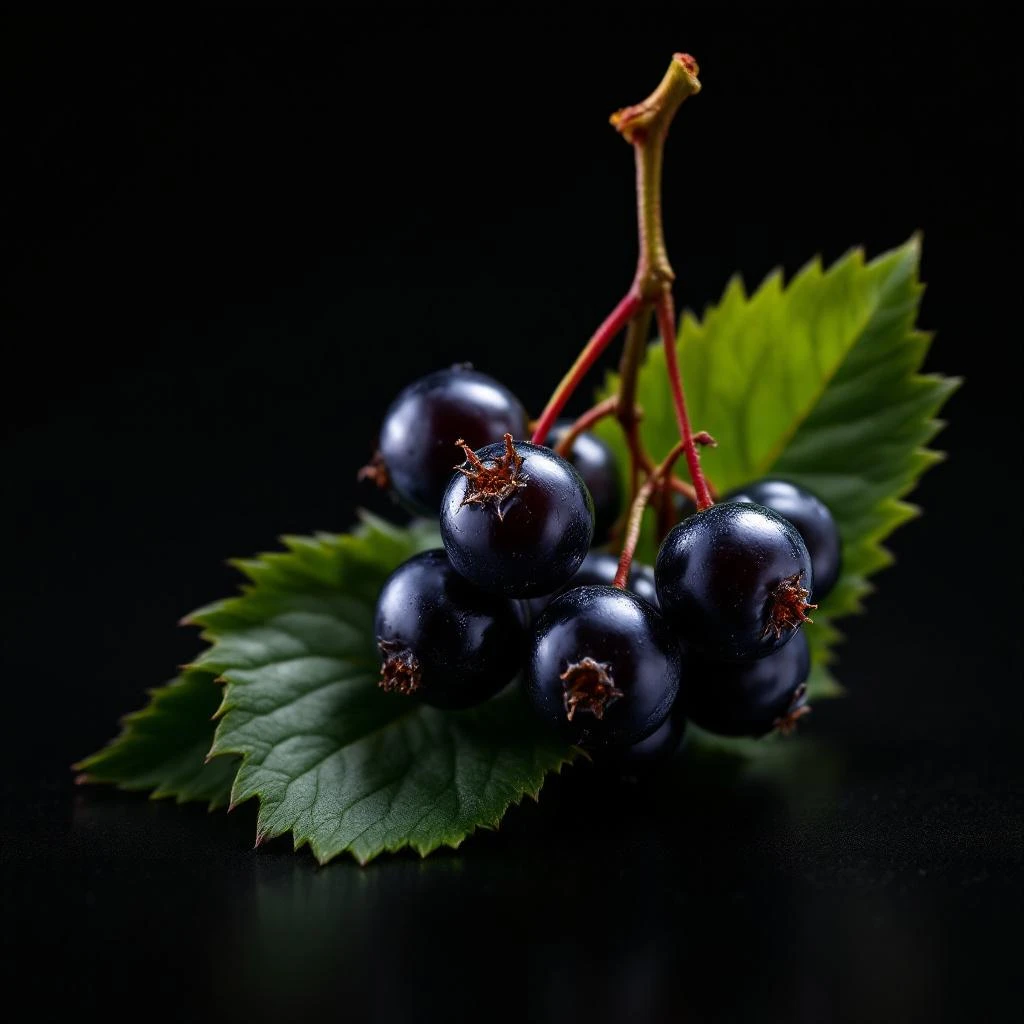
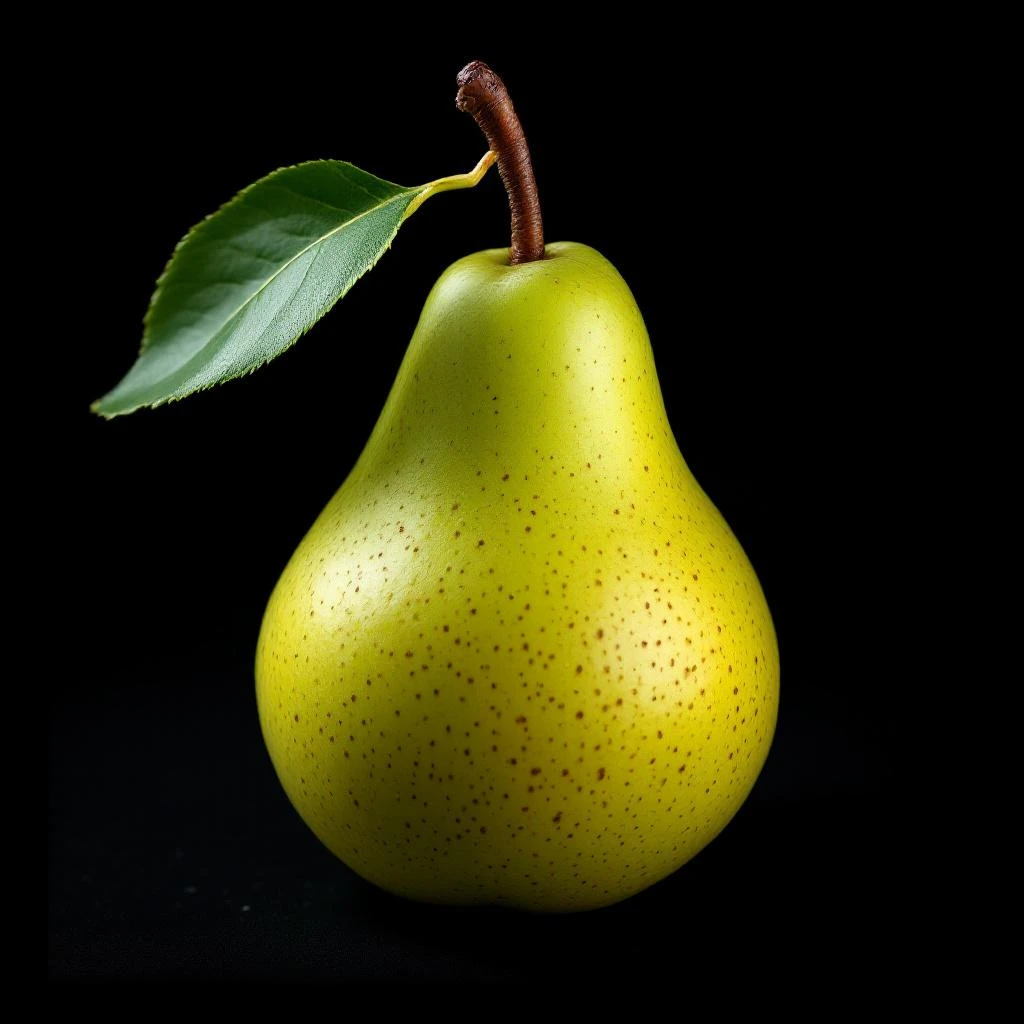
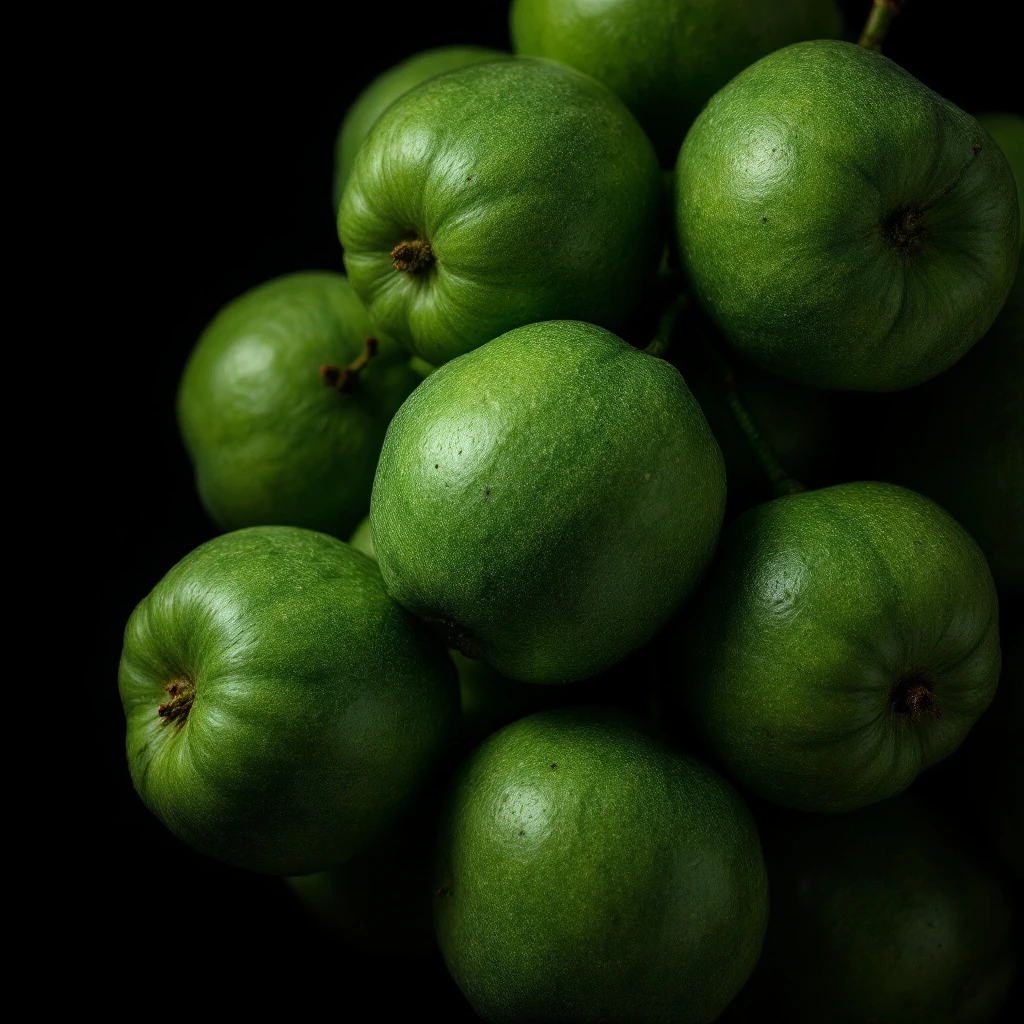
Green Fruits capture the sharp, vegetal snap of unripe pears, crisp apples, and just-picked berries. In perfumery, this category delivers bright, mouthwatering top notes that cut through heavier compositions with refreshing acidity.
Character
How it smells
Sharp, leafy, unripened brightness
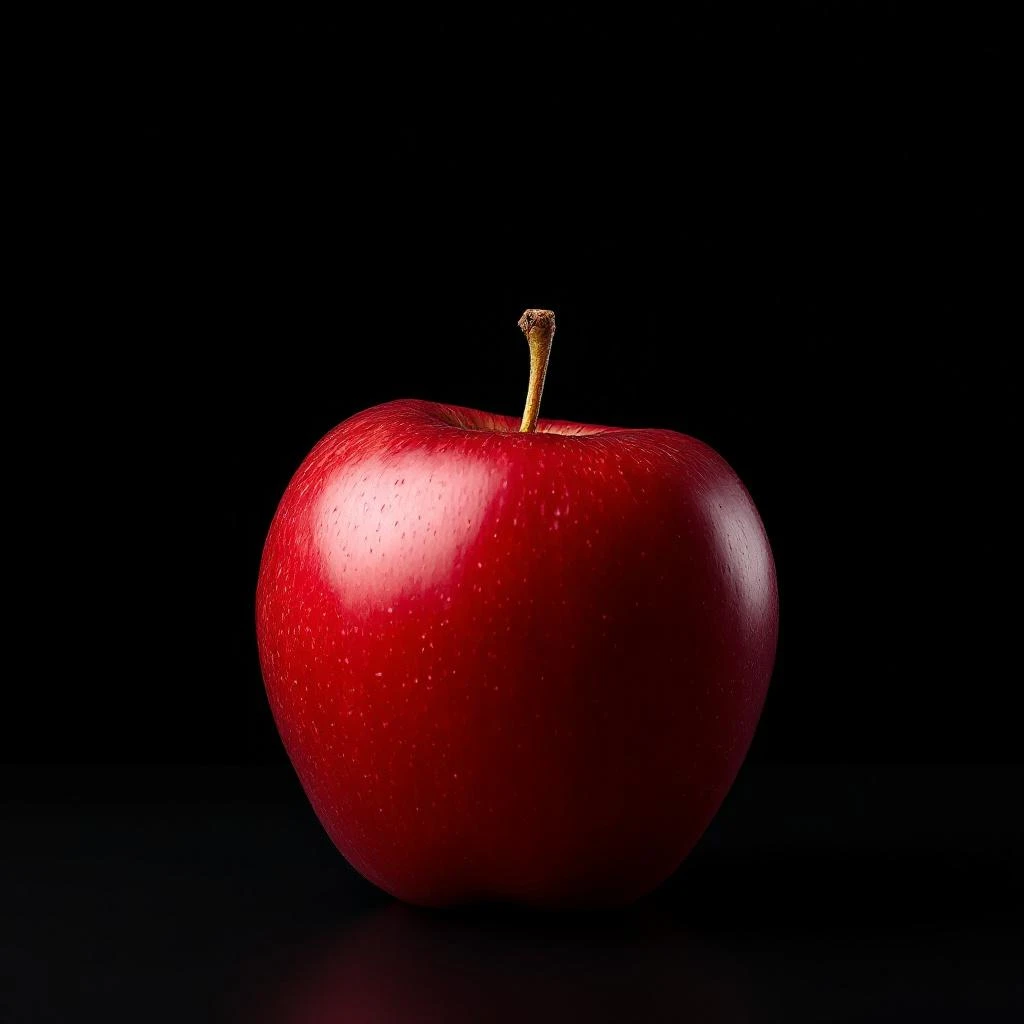
Green apple scent contains hexyl acetate, the same molecule found in strawberries, which is why fruity-green notes often blur together on the nose.




Origin
Switzerland
Green fruit as a perfumery category emerged in the late 20th century, tied directly to advances in synthetic chemistry. Before the 1970s, fruity accords in fragrance leaned sweet and overripe, relying on natural fruit extracts from citrus peels or cooked fruit bases. The shift toward crisp, vegetal fruit notes began when aroma chemists identified and isolated the specific volatile compounds responsible for the scent of green apples and unripe berries.
By the 1980s, perfumers like those at Givaudan and Firmenich were blending these aldehydes and esters into compositions that smelled like biting into a just-picked pear. This marked a turning point in fragrance design, moving away from confectionery sweetness toward sharper, more naturalistic fruit expressions.
Wears it best
Fragrances featuring Green Fruits
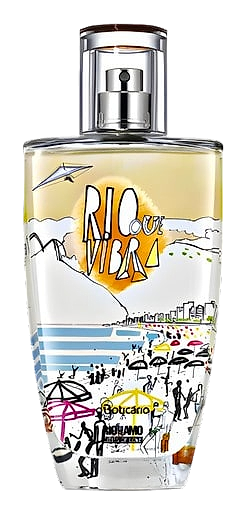
Brands
Brands known for Green Fruits
Good to know
Questions, answered
The essentials on Green Fruits in perfumery: how it smells, where it comes from, and how it behaves on skin.
What does the green fruit note smell like?
Green fruit notes smell sharp, crisp, and slightly vegetal, reminiscent of biting into an unripe pear or fresh green apple. The scent carries a tart, mouthwatering quality that reads as fresh rather than sweet.
Are green fruit notes natural or synthetic?
Most green fruit notes in modern perfumery are synthetic, built from isolated molecules like hexyl acetate and ethyl 2-methylbutyrate. Unripe fruits contain too little essential oil to make natural extraction practical at scale.
What is the difference between green fruit and fruity notes?
Green fruit notes are sharp, acidic, and vegetal, capturing unripe produce. Fruity notes tend to be sweeter and rounder, evoking fully ripened fruit like ripe peach or strawberry.
Which perfumes are known for green fruit notes?
Green fruit features prominently in many 1990s and 2000s fresh fragrances, including Cool Water by Davidoff and CK One by Calvin Klein. These compositions helped define the crisp, aquatic-fruity style of that era.
How are green fruit aromas created in perfumery?
Perfumers build green fruit aromas by combining specific synthetic esters and aldehydes, then layering them with green materials like galbanum or violet leaf absolute. This construction mimics the chemistry of actual unripe fruit.
When did green fruit become popular in perfumery?
Green fruit notes rose to prominence in the late 1970s and 1980s, when aroma chemists began isolating the molecules responsible for unripe fruit scents. This shifted fragrance trends away from overly sweet, cooked-fruit accords.
Is green apple the same as green fruit in fragrance?
Green apple is one expression of the broader green fruit category. Green fruit also encompasses unripe pear, crisp kiwi, sour gooseberry, and other tart, vegetal fruit profiles used in composition.
Do green fruit notes last long on skin?
Green fruit notes are top notes and typically evaporate within 30 minutes to two hours. Their light, volatile molecules dissipate quickly, which is why perfumers use them for initial impact rather than longevity.