Golden Kiwi
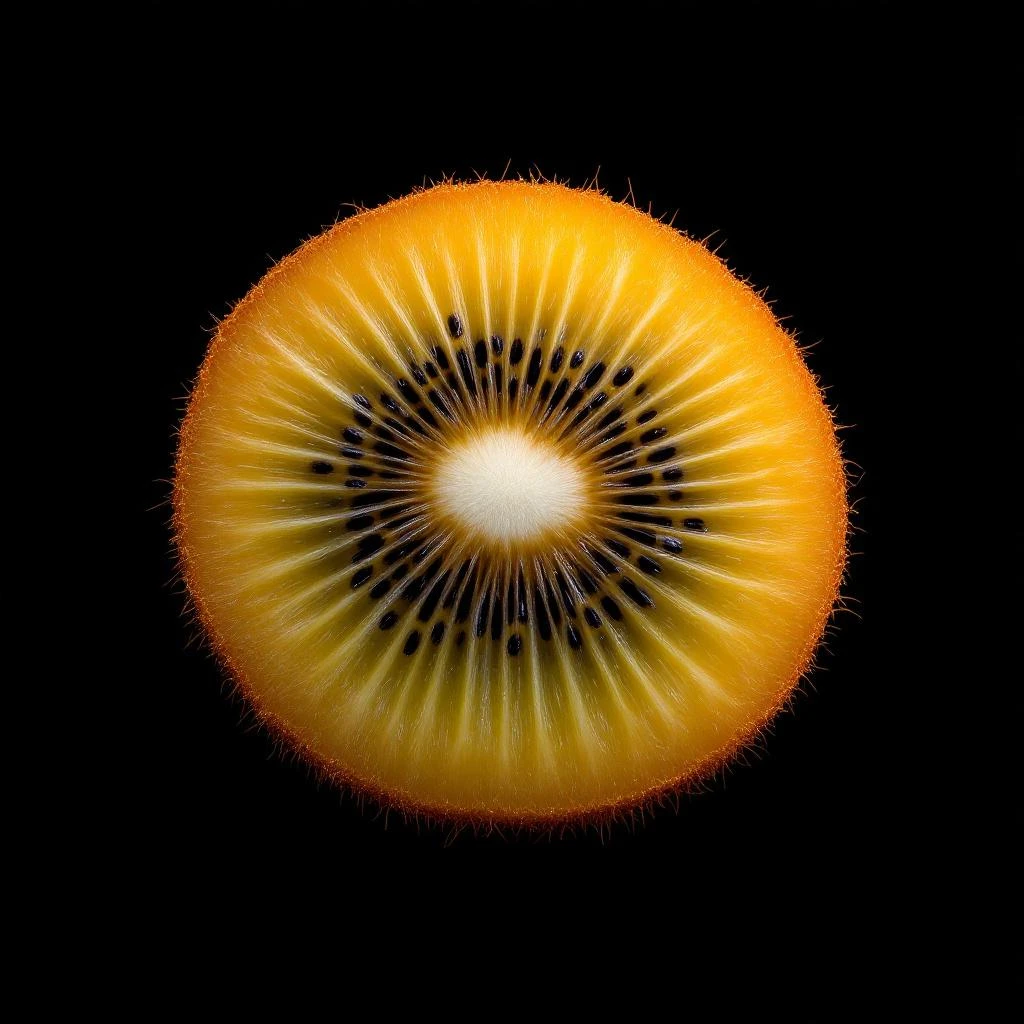
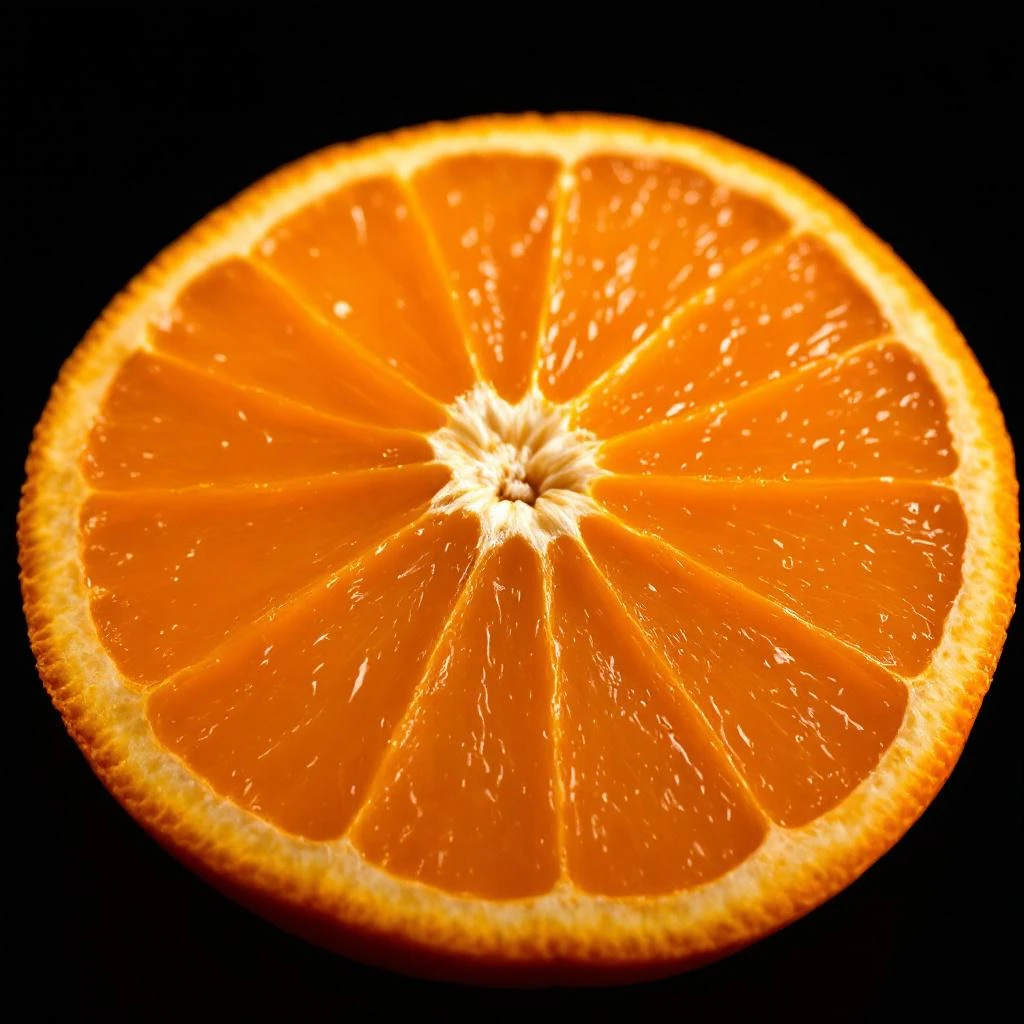
A bright, juicy note that captures the sun-drenched sweetness of golden kiwi, balancing tropical freshness with a crisp, green backbone.
Character
How it smells
Sun-ripened tropical sweetness with a green bite.
Golden kiwi contains DMHF, the same compound responsible for caramel and pineapple notes—undetected in green kiwifruit until 2013.




Origin
China
Golden kiwi traces its lineage to Actinidia chinensis, native to China's Yangtze River valley where wild vines have grown for centuries. The golden-fleshed variety emerged from New Zealand's commercial breeding program in the 1990s. Researchers isolated DMHF as a key aromatic compound in golden kiwifruit, absent from green varieties.
This discovery, published in Food Chemistry (2013), revealed why golden kiwi smells distinctly sweeter and more tropical than its green counterpart. Today, golden kiwi materials serve as bridge ingredients between fruity and green fragrance families, prized for their authentic tropical character and the juicy, sun-ripened sensation they lend to compositions.
Wears it best
Fragrances featuring Golden Kiwi
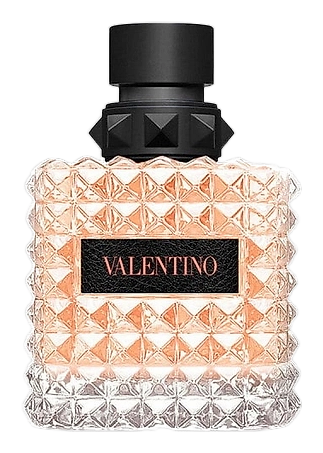
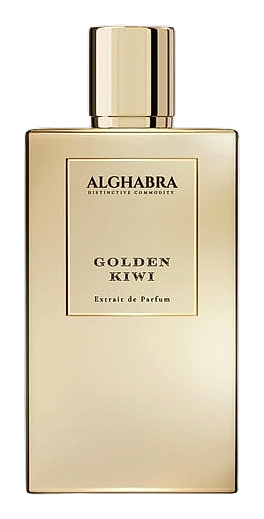
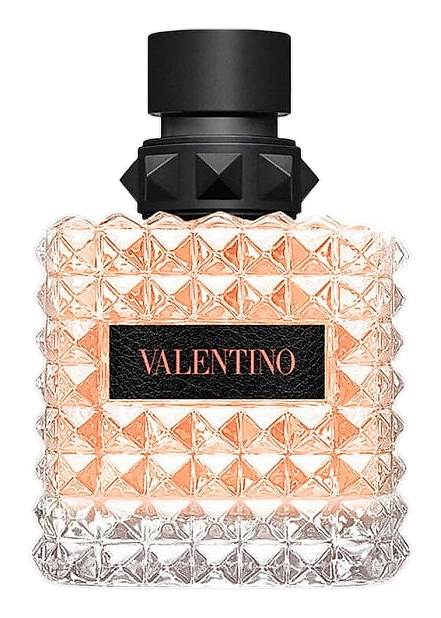
Brands
Brands known for Golden Kiwi
Good to know
Questions, answered
The essentials on Golden Kiwi in perfumery: how it smells, where it comes from, and how it behaves on skin.
What does golden kiwi smell like?
Golden kiwi presents a bright, juicy character with tropical sweetness, green freshness, and tart berry-like facets. The scent captures that moment of biting into perfectly ripe golden kiwi—sweet yet tangy, with an almost effervescent quality that makes it instantly recognizable.
Is golden kiwi fragrance natural or synthetic?
Most golden kiwi materials are synthesized or reconstructed from individual aroma compounds. Direct extraction from kiwi fruit is impractical because the fresh fruit yields minimal oil and the volatiles degrade rapidly. Reconstructed accord allows perfumers to capture the authentic kiwi character reliably.
What molecules give golden kiwi its characteristic scent?
Several compounds define golden kiwi's profile: (Z)-3-hexen-1-ol delivers the signature green-grassy note; 2-phenylethanol contributes a soft floral quality; DMHF provides tropical fruit depth; and beta-damascenone adds fruity-berry richness. Tartness comes from various aliphatic acids present in the fruit.
How does golden kiwi differ from green kiwi in fragrance?
The key difference lies in DMHF content. Research published in Food Chemistry (2013) first identified this compound in golden kiwifruit, finding it absent or negligible in green varieties. This makes golden kiwi smell sweeter, more tropical, and less tart than its green counterpart.
What fragrance family does golden kiwi belong to?
Golden kiwi functions as a bridging note between fruity and green families. Perfumers typically classify it as a fruity-green material, placing it alongside mango, passion fruit, and cucumber. It serves as a top-heart note ingredient in bright, contemporary fragrance compositions.
Which perfumes feature golden kiwi prominently?
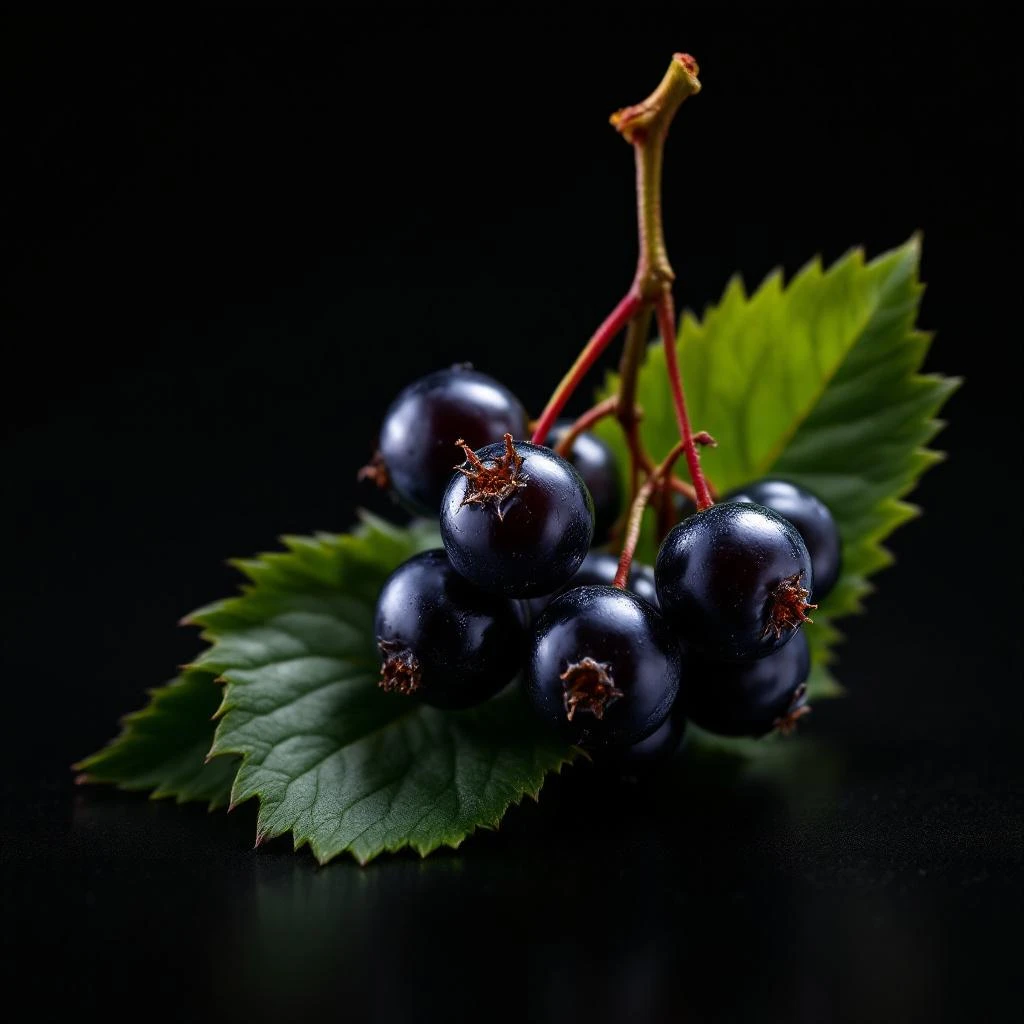
Golden kiwi appears in several modern fragrances, notably Alghabra Parfums' Golden Kiwi (2025), which pairs the note with bamboo leaf, blackcurrant, and clary sage. The ingredient sees increasing use in summer lines and fresh citrus compositions seeking tropical depth without heaviness.
How stable is golden kiwi in cosmetic formulations?
Golden kiwi materials show reasonable stability in soap applications, which was among the first formulations tested for this ingredient. Stability data for other product categories remains limited, though the reconstructed materials generally perform well in alcoholic bases typical of fine fragrances.
What ingredients pair well with golden kiwi?
Golden kiwi combines naturally with citrus oils, green notes like galbanum and bamboo, tropical materials such as passion fruit or coconut, light florals including jasmine and blackcurrant, and crisp herbs like shiso or clary sage. These combinations enhance the juicy, effervescent character.