The Story
Why it exists.
The beginning
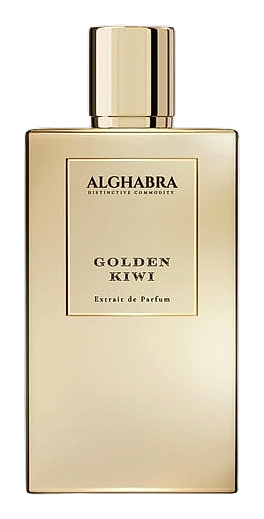
Golden Kiwi arrived in 2025 as a deliberate counter-argument to the idea that fresh fragrances can't hold depth. The name says it plainly: this is about the fruit in its most vibrant state, golden-ripe and unapologetically sweet, supported by the green architecture that keeps it from becoming dessert. Alghabra has always worked between East and West, but this one leans into a different territory entirely, the supermarket produce aisle reimagined as a sensory luxury. The brief was simple: make kiwi smell expensive. The execution took more turns than expected.
What makes this structure unusual is the way the green notes don't just accompany the fruit, they argue with it. Galbanum is one of perfumery's more challenging materials, resinous and bitter in the wrong hands. Here it functions as a bridge between the tropical sweetness of the opening and the earthy mate in the base, keeping the composition from sliding into something merely pleasant. Clary sage adds a soft herbal counterpoint that most fruity fragrances skip because it's easier to sweeten than to complicate. The result is a fragrance that smells like something you haven't already smelled a hundred times.
The evolution
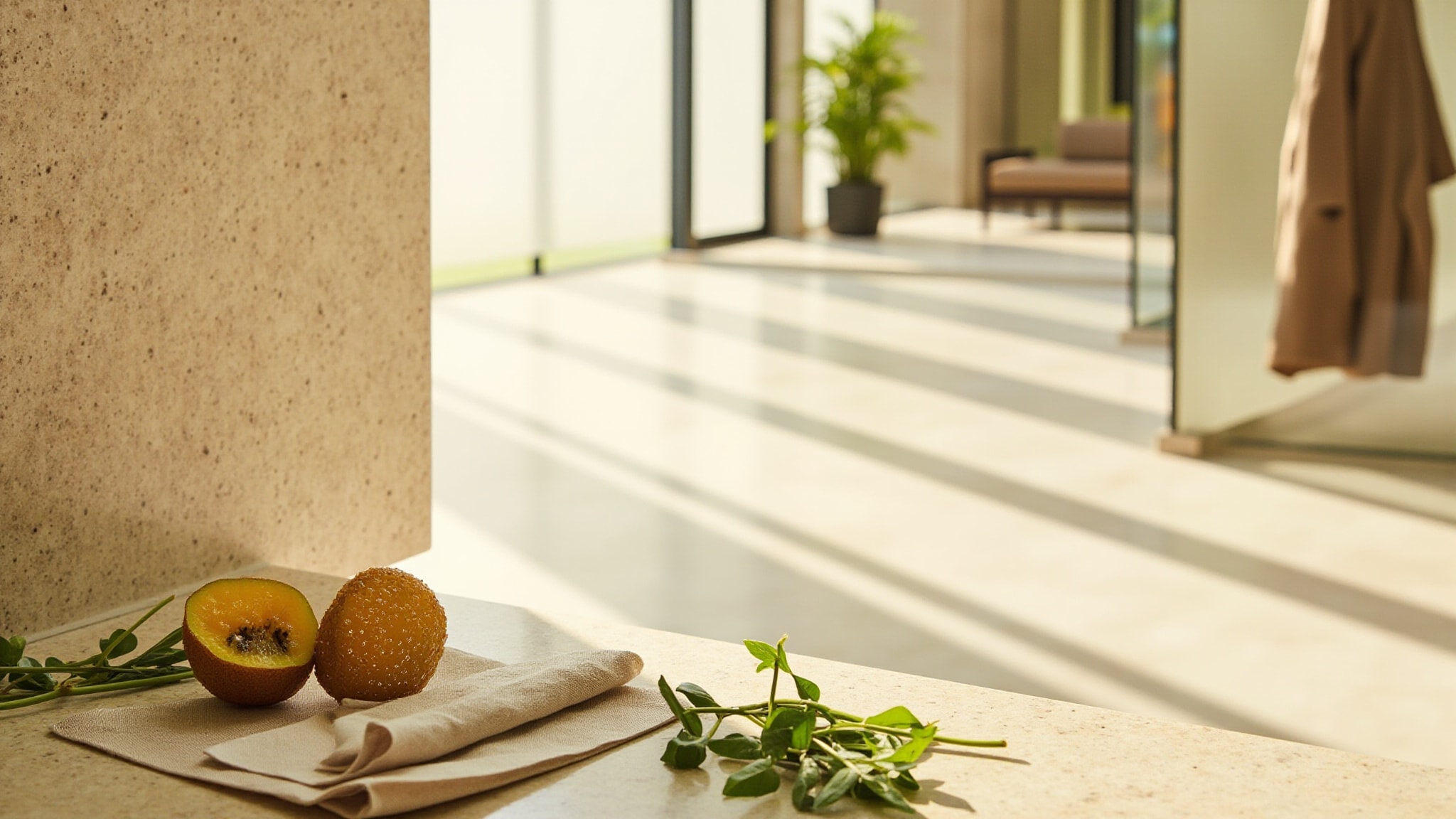
The opening is immediate: golden kiwi in your hands, slightly sticky, the green stem still attached. Bamboo leaf adds a watery green note, not aquatic, but the smell of plants after rain. Thai basil arrives within minutes, giving the sweetness an herbal check. This phase lasts roughly 45 minutes before the jasmine and blackcurrant take over, softening the green into something rounder. The heart is where most fragrances lose people, but here the shiso and clary sage keep things grounded. By hour three, the galbanum has settled into the skin alongside cedarwood and mate, a dry, slightly smoky green that lingers close to the body. On most skin types, expect 5-6 hours of presence before it quietly fades into the background, leaving just a trace of cedar and green on fabric.
Cultural impact
Golden Kiwi arrives at a moment when the global fragrance audience has grown tired of synthetic fresh and linear citrus. The appetite for green, herbal, and botanical-forward scents has expanded beyond niche circles into mainstream preference. In this context, a fragrance that opens on golden kiwi and Thai basil speaks to a broader cultural comfort with cross-cultural ingredients. Where once the global fragrance market was dominated by Western preferences for sweet, floral, or oud-based compositions, now herb-forward scents with Asian culinary origins are gaining ground. This shift reflects a wider appreciation for botanical complexity in everyday sensory experiences.