Ginger Ale
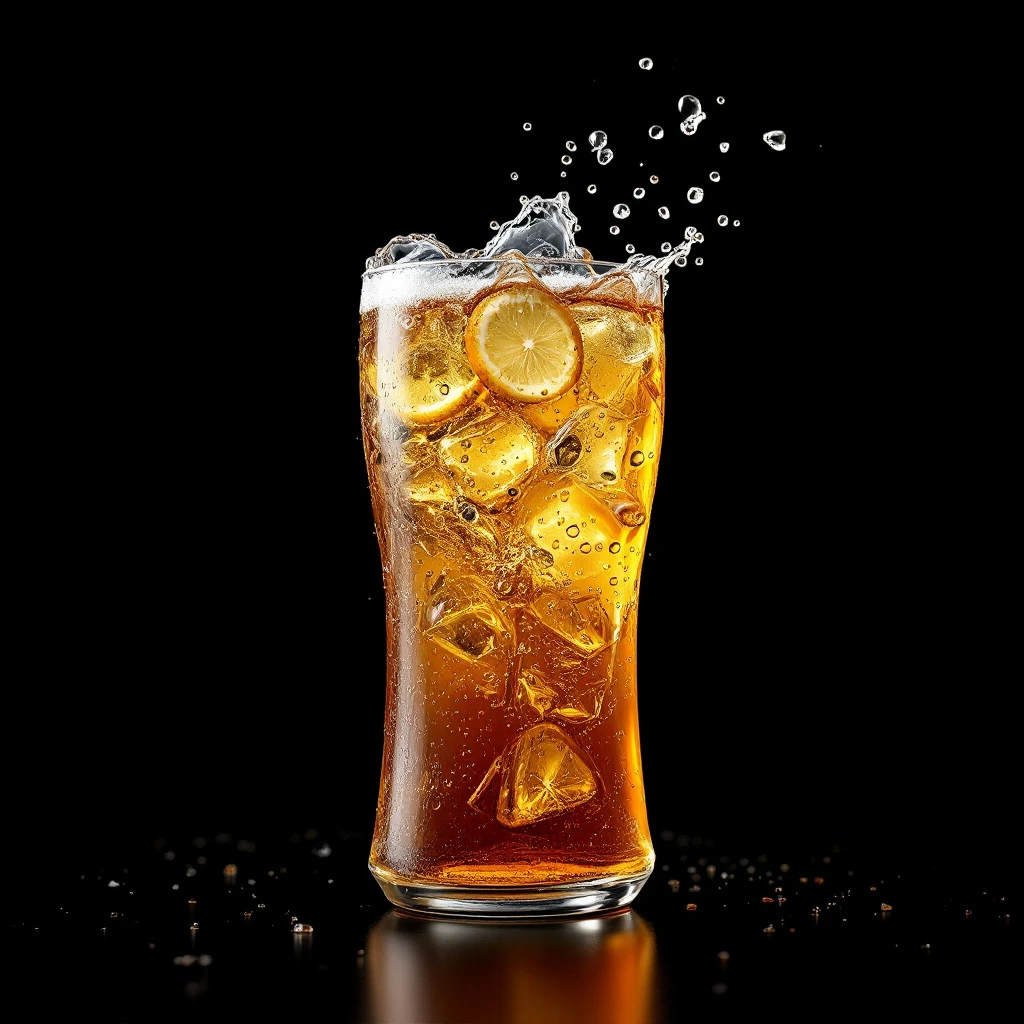
Zingiber officinale captures the crisp, effervescent spirit of the classic highball. This ingredient distills ginger's bright citrus-spice into a fragrance element that energizes top notes with clean, sparkling warmth that lingers through the dry down.
Character
How it smells
Effervescent citrus-spice with a cool, sparkling lift
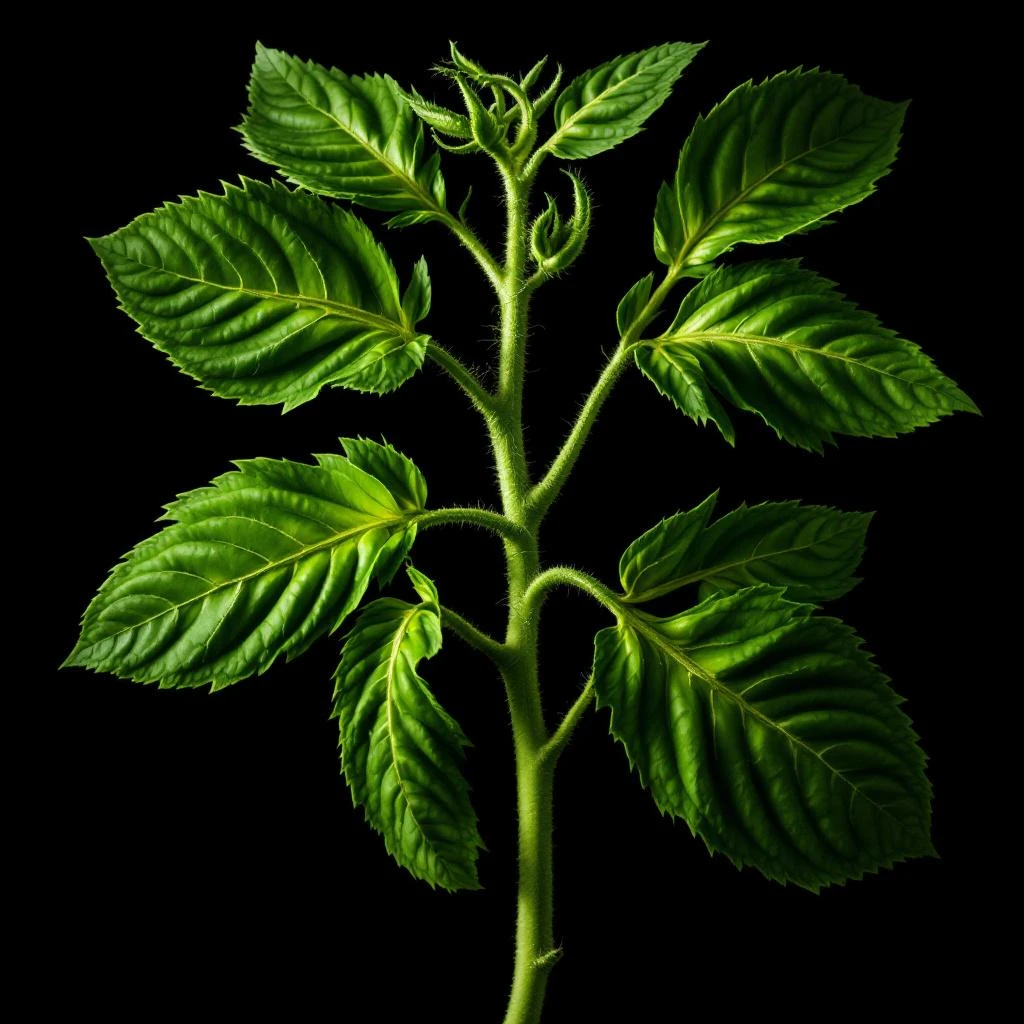
Ginger root is technically a rhizome, a horizontal underground stem that sends up both shoots and roots, not a true root.



Origin
India
Ginger has been cultivated for over 5,000 years, originating in the tropical rainforests of the Indian subcontinent and southern Asia. Ancient Sanskrit texts reference ginger as a medicinal and culinary staple, with traders carrying the rhizome along early spice routes to China, the Middle East, and eventually Europe. The emergence of modern perfumery in the late 19th century coincided with advancements in steam distillation, allowing perfumers to capture ginger's vibrant, sparkling character for the first time.
While ginger had long been used in traditional medicine and cooking, fragrance applications emerged as distillers learned to process the fresh rhizome rather than relying on dried material, preserving more of the bright, effervescent qualities that make ginger ale so refreshing. The ingredient gained particular prominence in 20th-century masculine fragrances as a sharp, energizing top note.
Wears it best
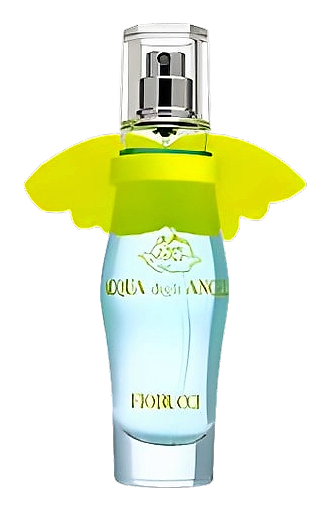
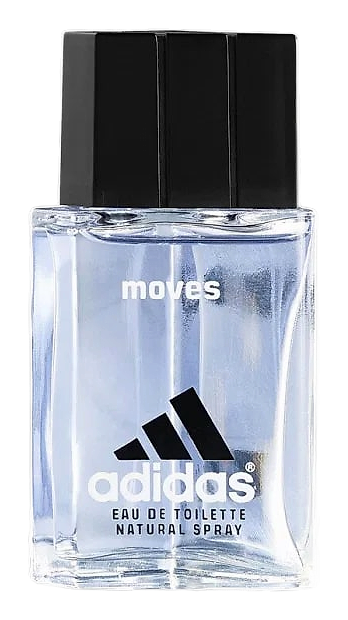
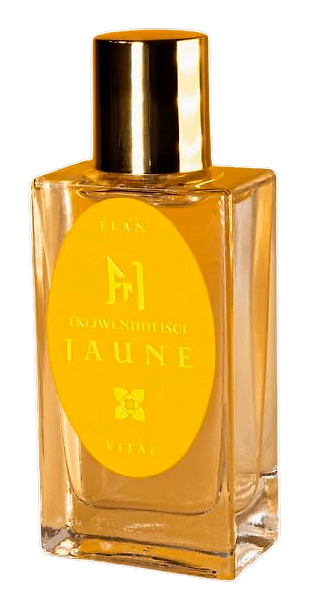
Fragrances featuring Ginger Ale
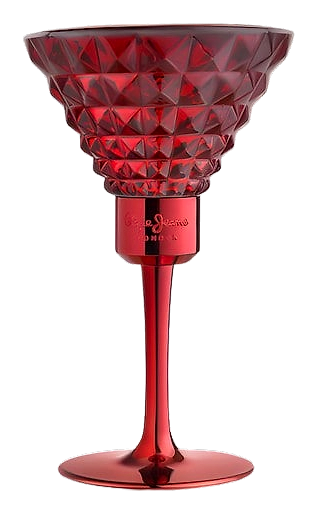
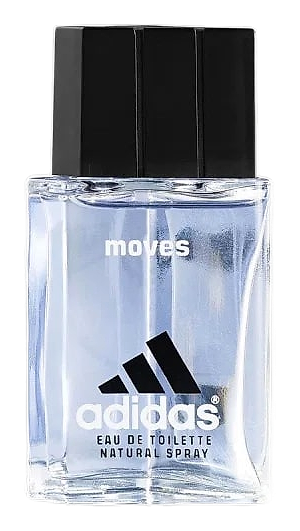
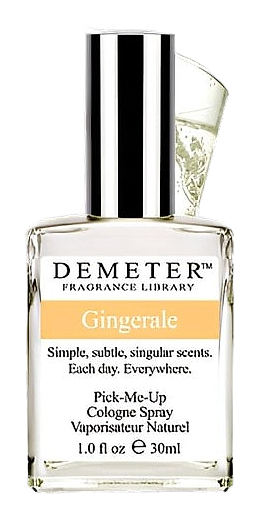
Brands
Brands known for Ginger Ale
Good to know
Questions, answered
The essentials on Ginger Ale in perfumery: how it smells, where it comes from, and how it behaves on skin.
What does ginger ale smell like in fragrance?
Ginger ale in fragrance delivers a sharp, zingy citrus-spice with sparkling effervescence. The note captures the bright, clean quality of fresh ginger paired with subtle sweet undertones, creating an energizing effect in top notes.
Is ginger ale note natural or synthetic?
Ginger ale fragrance is typically derived from natural steam distillation of Zingiber officinale rhizomes. Some modern fragrances may use nature-identical compounds to achieve consistency, but natural ginger oil remains the preferred choice for authenticity.
Where does ginger fragrance oil come from?
Primary production centers include India, China, and Sri Lanka. India remains the largest global producer of ginger essential oil, with over 1 million metric tons of ginger cultivated annually for various uses including perfumery.
What gives ginger its characteristic sharp sensation?
Gingerol is the primary compound responsible for ginger's characteristic sharp, slightly biting sensation. This bioactive component is most concentrated in fresh rhizomes and remains present in the steam-distilled oil used in perfumery.
How is ginger oil extracted for perfume use?
Steam distillation of crushed fresh or dried rhizomes yields ginger essential oil. Pressurized steam releases volatile aromatic compounds, which are then condensed and separated from the hydrosol to produce the finished oil.
What fragrance families pair well with ginger?
Ginger ale note integrates well with citrus, aquatic, and green fragrance families. It also complements warmer compositions like woody, spicy, and oriental fragrances by adding brightness and preventing heaviness.
Is ginger used more in men's or women's fragrances?
Ginger appears across gender categories, though it dominates masculine and gender-neutral fragrances. The note functions as a versatile top and heart ingredient, energizing compositions regardless of target demographic.
What is the historical origin of ginger in perfumery?
Ginger has been cultivated for over 5,000 years, originating in the Indian subcontinent. Perfumery applications emerged in the late 19th century when steam distillation technology allowed perfumers to capture the fresh rhizome's bright, effervescent qualities.