The Heritage
The Story of Fiorucci
Fiorucci began as a Milan boutique in 1967, founded by Elio Fiorucci, and quickly became a cultural touchstone for its bold colors and pop‑inspired clothing. In the early 2000s the label extended that playful spirit into fragrance, releasing a series of scents that echo the brand’s love of bright visuals and youthful energy. Today the house offers a modest portfolio of perfumes that carry the same irreverent attitude that made its fashion collections iconic, inviting wearers to experience a scent as vivid as a runway look.
Heritage
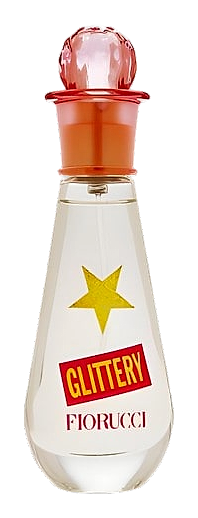
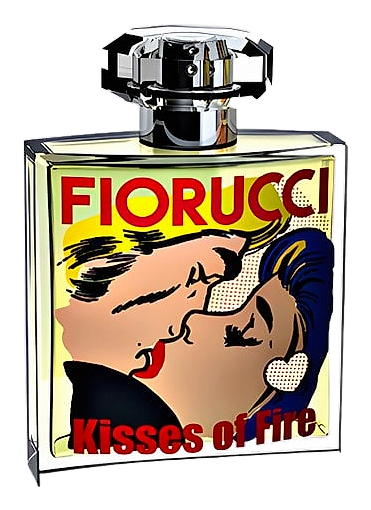
Elio Fiorucci opened the first Fiorucci shop on Milan’s Via Montenapoleone in 1967, importing the flamboyant style of Swinging London to an Italian audience. The store’s neon signage and eclectic merchandise attracted artists, musicians and trend‑setters, establishing the brand as a hub of creative exchange. By the 1980s Fiorucci had expanded internationally, opening flagship locations in New York and Tokyo, each reflecting the label’s commitment to colour, pattern and a sense of fun. The turn of the millennium marked a new chapter when Fiorucci introduced its first perfume, "Fiorucci Monsieur," in 2000. The launch signalled the brand’s belief that scent could be another canvas for its visual language. Over the next two decades the house released a series of limited‑edition fragrances, including "Glittery" (2006), "Kisses of Fire" (2011), "Fiorucci Gold Lions" (2016) and the "Sereia Mystic" line (2018). Each launch was accompanied by a distinctive bottle design that mirrored the brand’s graphic identity. While the fashion side of Fiorucci continues to influence street style, the fragrance line has carved a niche among collectors who appreciate the label’s willingness to experiment with unexpected note pairings and bold packaging. The brand’s history remains rooted in the belief that style—whether worn on the body or inhaled—should provoke joy and invite self‑expression.
Craftsmanship
Production of Fiorucci perfumes follows a hybrid model that blends traditional techniques with modern technology. The brand works with established European fragrance houses to formulate each scent, ensuring a balance of natural extracts—such as Italian citrus, Mediterranean herbs and exotic woods—and high‑quality synthetics that provide stability and longevity. Ingredients are sourced from certified farms in France, Italy and Brazil, with traceability reports available for key raw materials. Formulation takes place in a controlled laboratory environment where perfumers conduct iterative testing to achieve the desired olfactory profile. Once a formula is approved, the mixture is transferred to stainless‑steel vats for maceration, a process that can last from several weeks to months depending on the complexity of the composition. Quality control includes gas‑chromatography analysis to verify ingredient purity and batch consistency. Bottles are hand‑finished in Italy, with each piece undergoing visual inspection for colour accuracy and label alignment. The brand has introduced a limited‑run series that uses reclaimed glass, reducing its carbon footprint while maintaining the iconic bright hues associated with Fiorucci. Packaging materials, including caps and boxes, are sourced from recycled paper and printed with soy‑based inks. The final product is sealed, labeled and shipped from a central warehouse that follows ISO‑9001 standards for logistics and inventory management.
Design Language
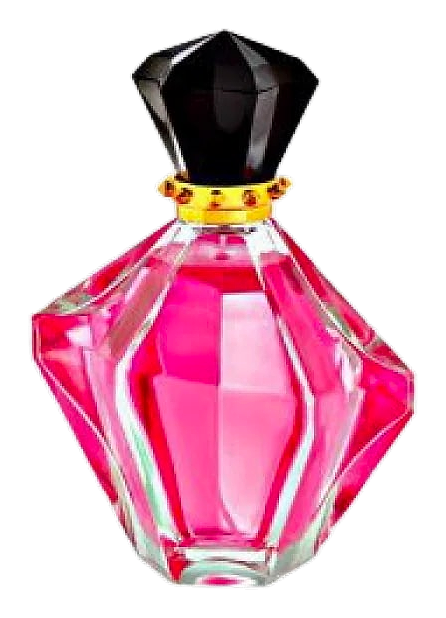
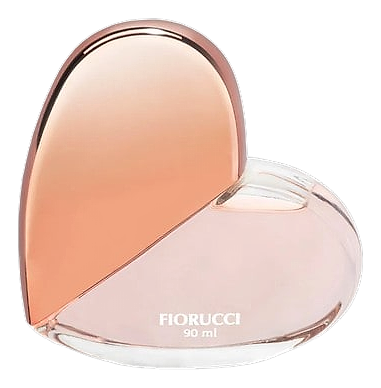
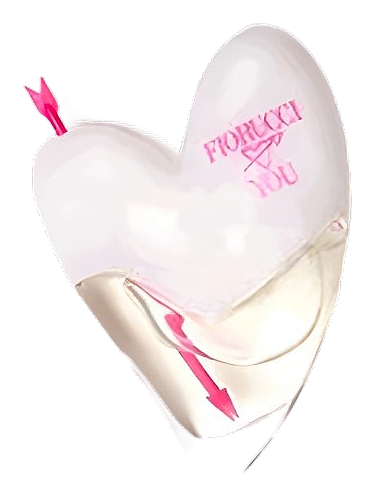
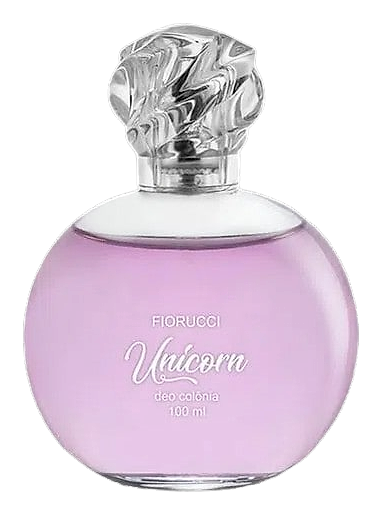
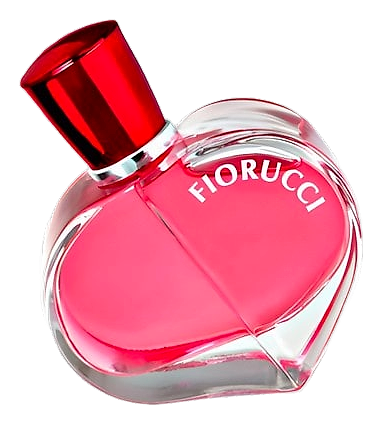
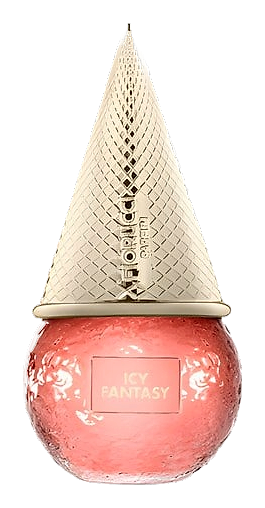
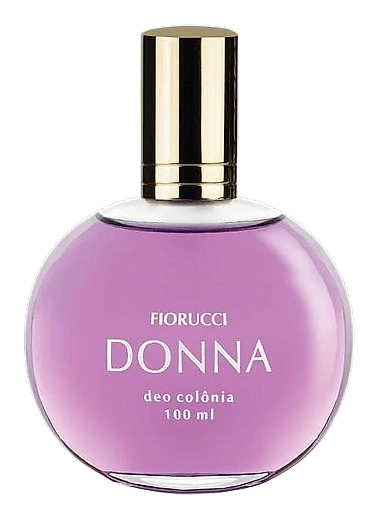
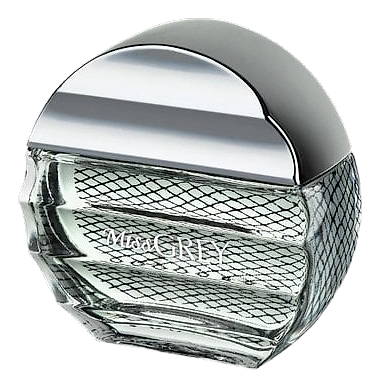
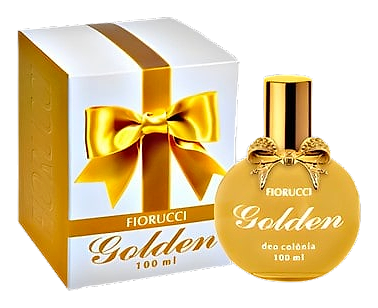
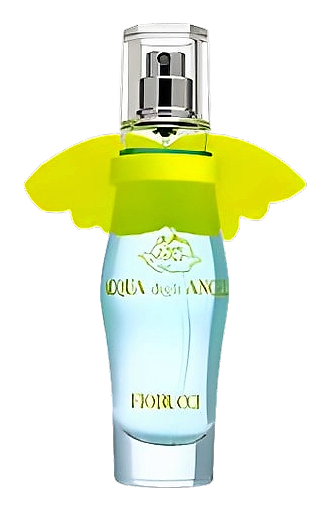
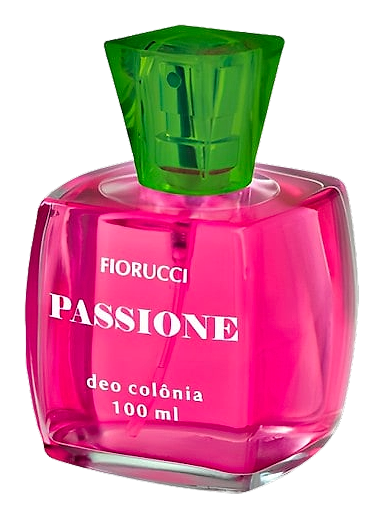
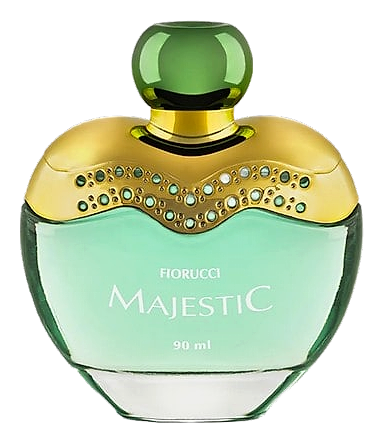
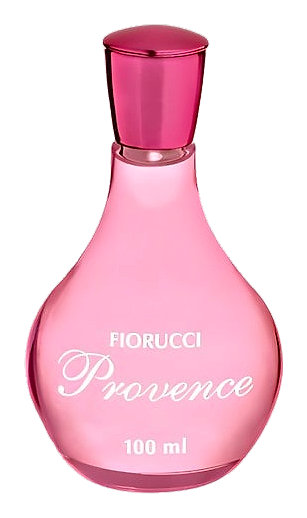
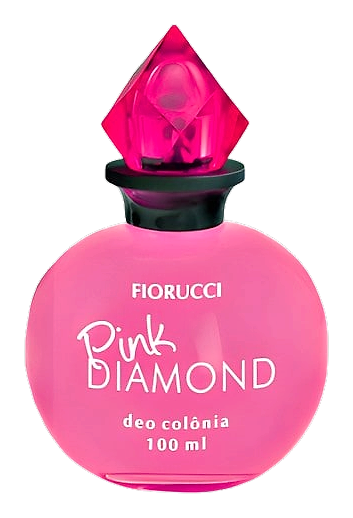
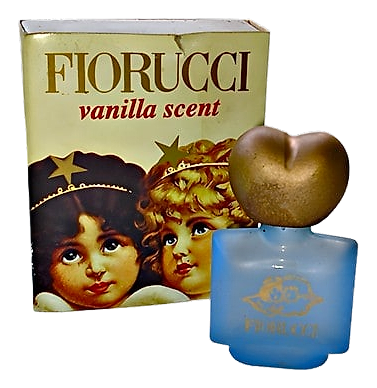
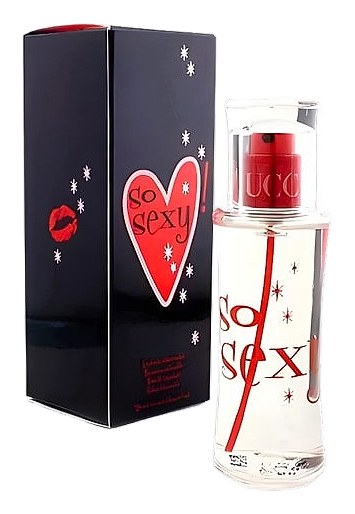
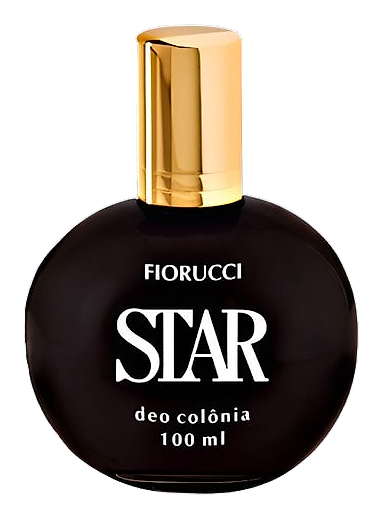
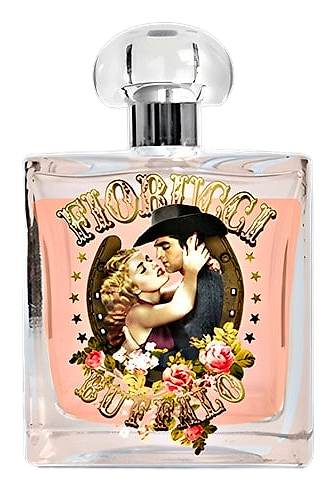
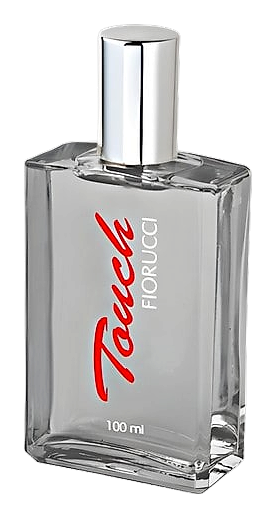
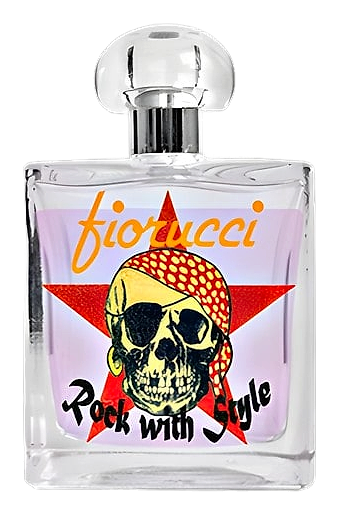
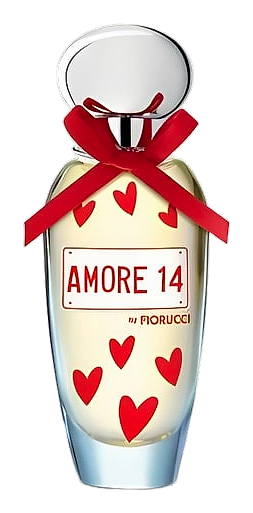
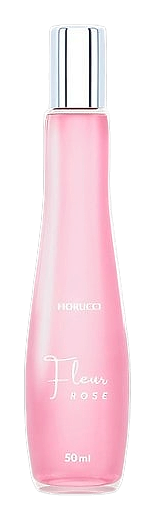
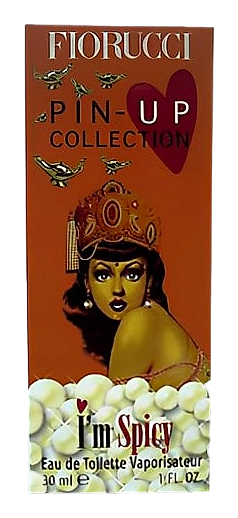
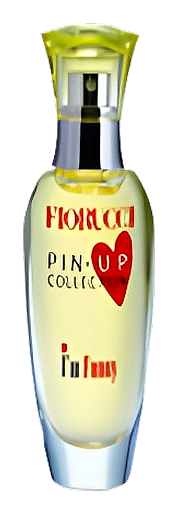
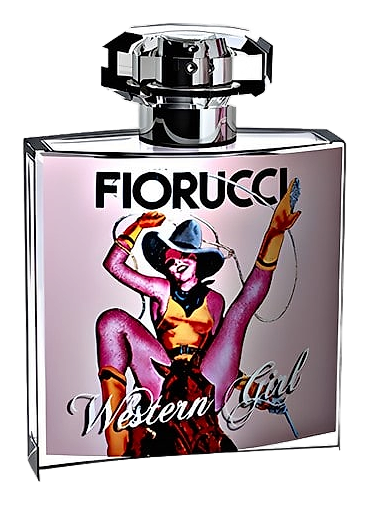
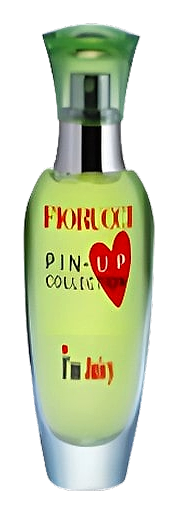
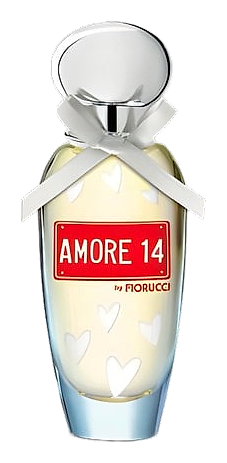
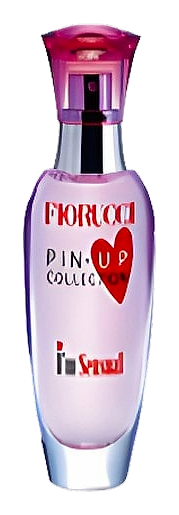
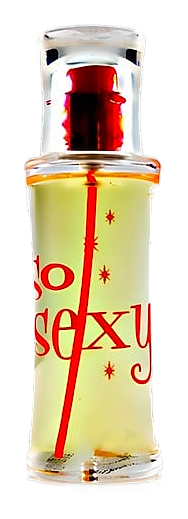
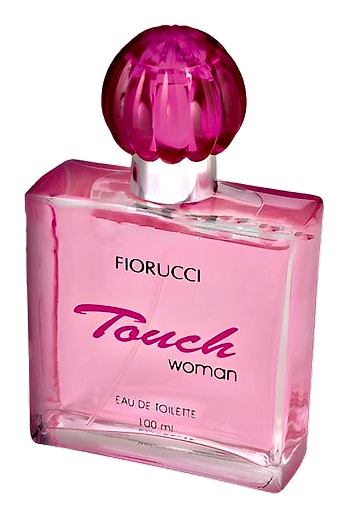
Fiorucci’s visual language is defined by saturated palettes, graphic patterns and a sense of irreverence that translates directly into its fragrance packaging. Bottles often feature bold, primary colours—electric blue, hot pink or vivid orange—paired with the brand’s distinctive logo rendered in a playful typeface. Labels incorporate abstract shapes and occasional metallic accents, echoing the label’s fashion prints. The design team collaborates closely with graphic artists to ensure each perfume’s presentation feels like a miniature art piece. Caps are frequently sculpted in unconventional forms, such as a stylised lion’s head for "Gold Lions" or a glitter‑infused dome for "Glittery," reinforcing the narrative behind each scent. The overall aesthetic balances retro pop‑art references with contemporary minimalism, allowing the bottles to stand out on a shelf while remaining cohesive within the broader Fiorucci collection. Retail displays mirror this approach, using neon lighting and modular shelving that invites shoppers to interact with the products. The brand’s advertising campaigns often feature bright street‑style photography, reinforcing the connection between scent, fashion and youthful self‑expression.
Philosophy
Fiorucci approaches perfumery as an extension of its visual storytelling. The label treats scent as a wearable illustration, choosing themes that resonate with pop culture, nostalgia and a sense of play. Creative direction emphasizes accessibility; fragrances are meant to be discovered, shared and enjoyed without pretence. Sustainability has become a growing concern, with recent releases featuring recyclable glass and responsibly sourced ingredients where possible. Collaboration with independent perfumers allows the brand to explore unconventional accords while staying true to its bright, unapologetic aesthetic. The overarching goal is to craft scents that feel like a spontaneous burst of colour in a world that often favours restraint.
Key Milestones
1967
Elio Fiorucci opens the first boutique on Milan’s Via Montenapoleone, introducing British pop fashion to Italy.
2000
Launch of the first Fiorucci perfume, "Fiorucci Monsieur," marking the brand’s entry into fragrance.
2006
Release of "Glittery," a limited‑edition scent with a reflective bottle design.
2011
Introduction of "Kisses of Fire," featuring spicy accords and a bold red packaging.
2016
"Fiorucci Gold Lions" debuts, celebrating the brand’s iconic lion logo with a gold‑toned bottle.
2018
The "Sereia Mystic" line launches, exploring marine and floral notes with iridescent packaging.
At a Glance
Brand profile snapshot
Origin
Italy
Founded
1967
Heritage
59
Years active
Collection
1
Fragrances released
Avg Rating
3.7
Community sentiment
Release Rhythm


