Furze
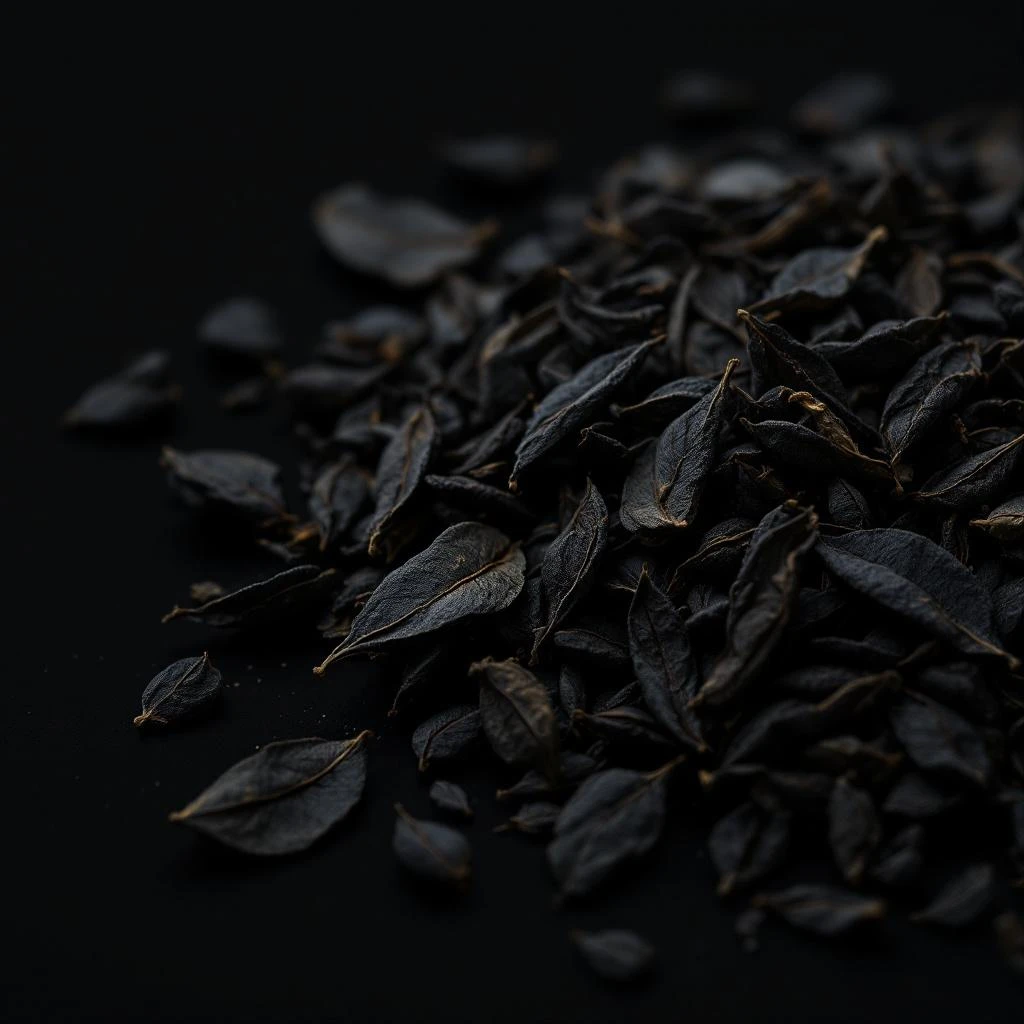
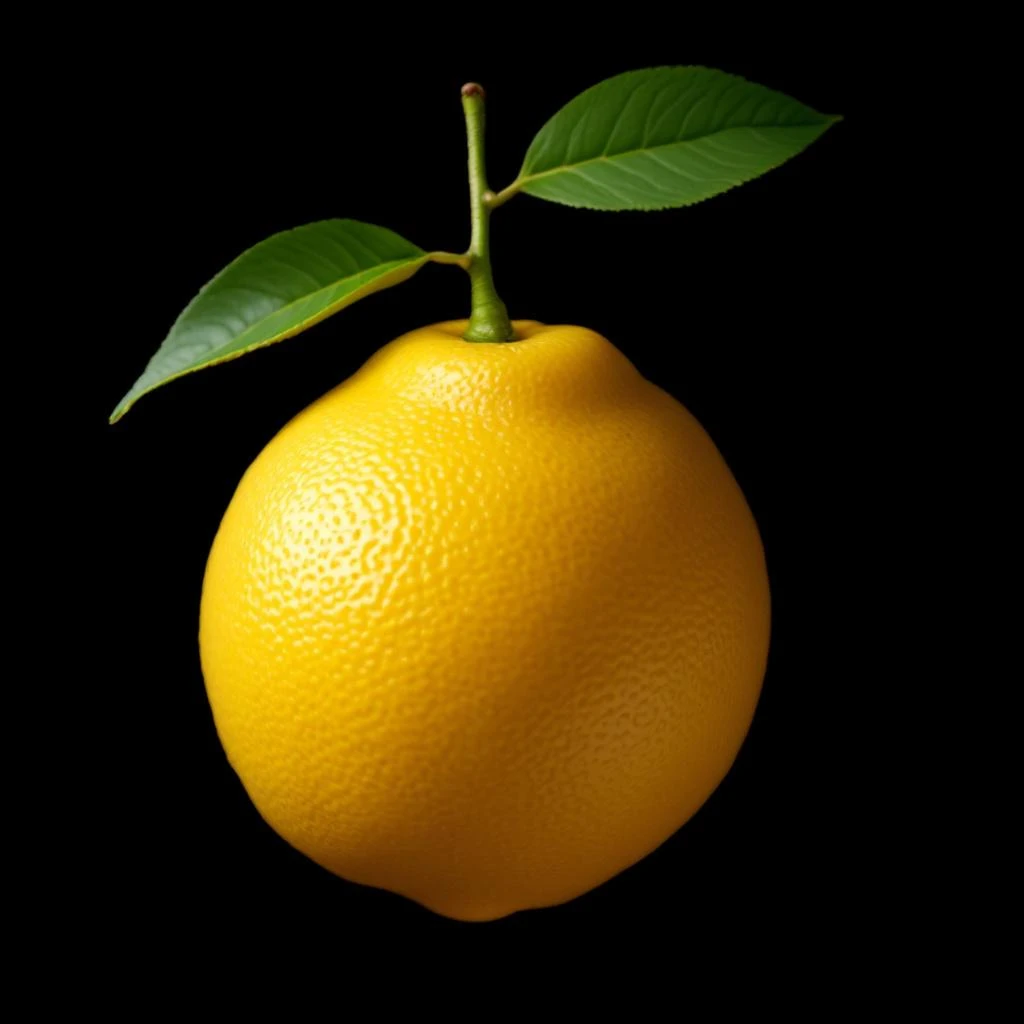
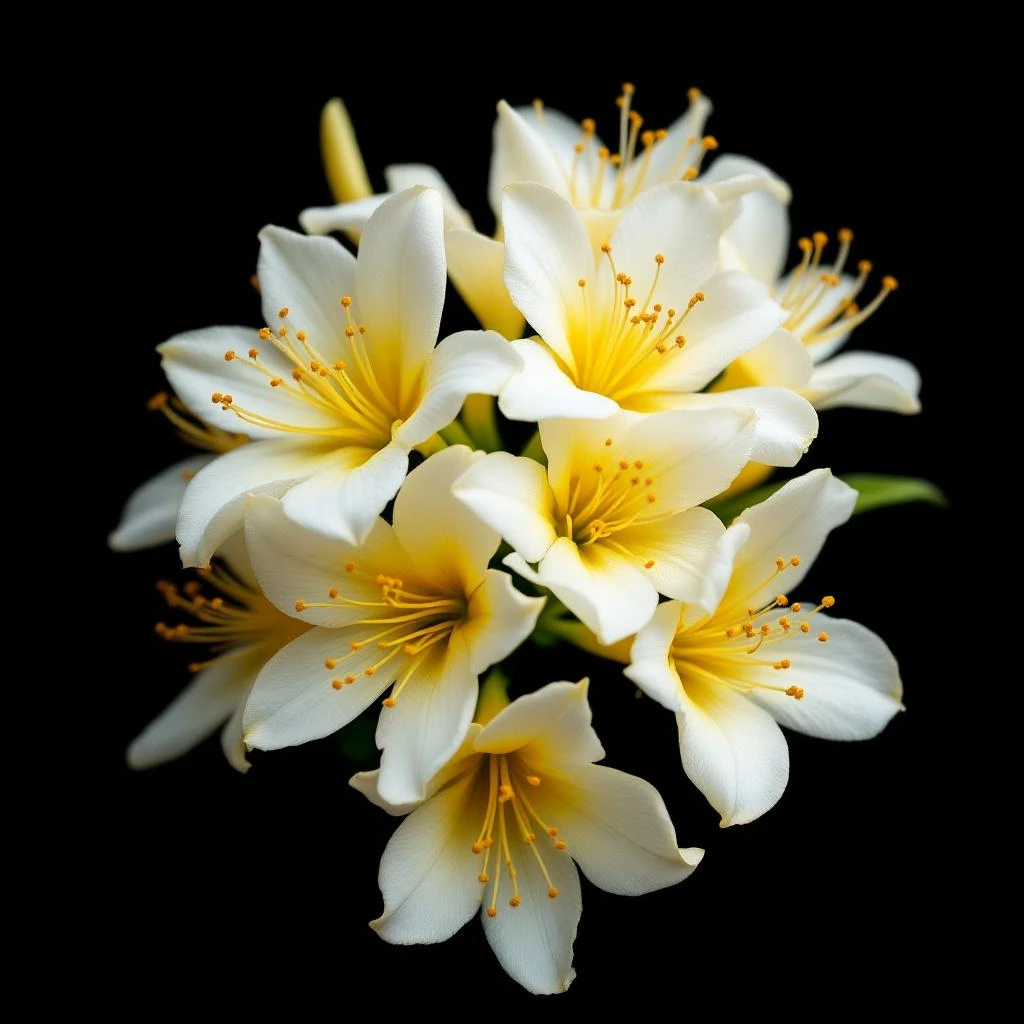
Furze, the spiny gorse of heathlands, offers a bright, resinous green note that recalls sun‑kissed wildflowers and fresh cut stems, adding a crisp, natural edge to modern compositions.

Character
How it smells
Wild green vigor captured in a single note.
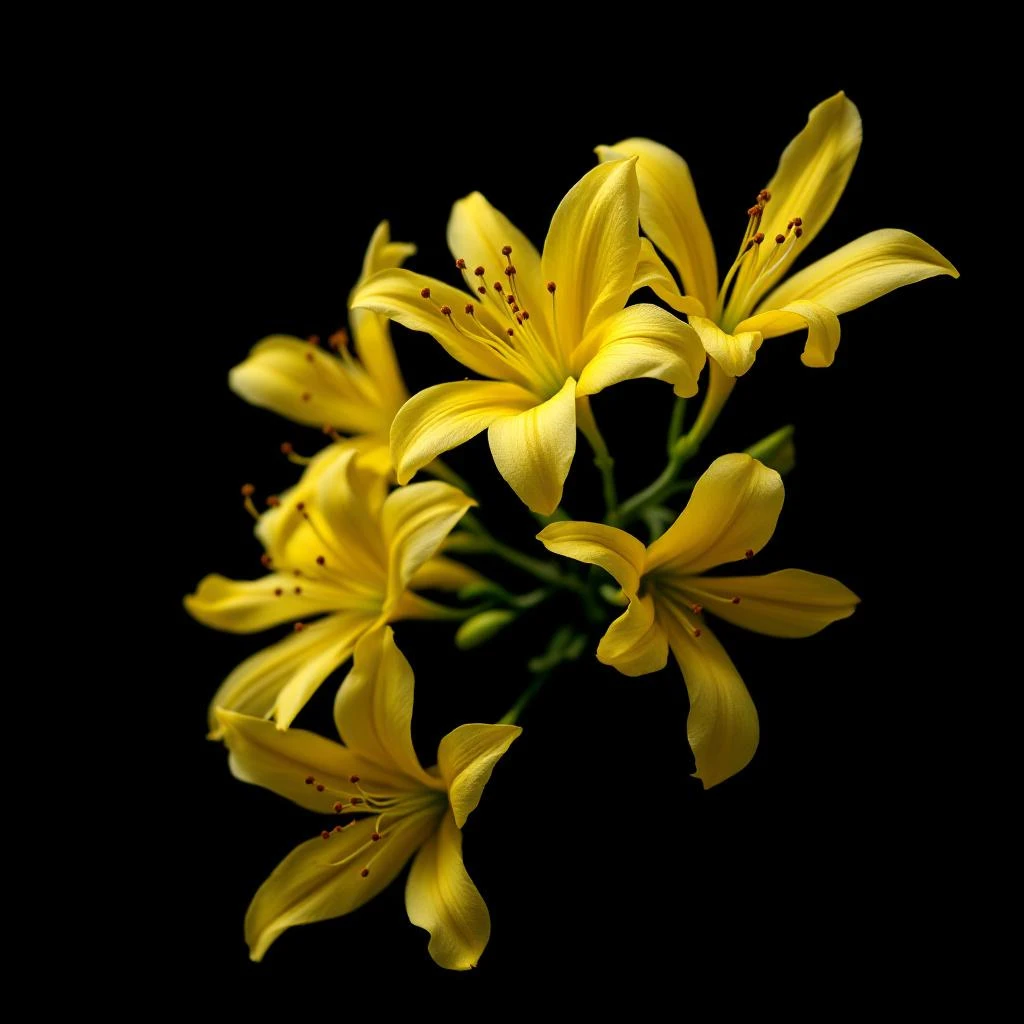
When furze blooms, its bright yellow flowers release a volatile compound called isoprene, which can be detected by bees from over a kilometer away, making it one of nature’s most far‑reaching scent signals.



Origin
United Kingdom
Furze has long scented the wild landscapes of western Europe, where Celtic peoples burned its branches in ritual fires to invoke protection and vitality. Medieval herbals recorded the plant’s sharp aroma and its use in poultices, while early perfume workshops in Grasse noted the green note as a counterpoint to heavy floral absolutes.
By the late 19th century, when synthetic aromatics entered the market, furze remained a prized natural ingredient for its unmistakable freshness. The first recorded perfume featuring furze appeared in a 1887 French cologne, where it was paired with lavender and oakmoss to create a countryside portrait.
Throughout the 20th century, avant‑garde perfumers revisited furze, integrating it into modern green accords that echo the plant’s resilient spirit. Today, furze continues to inspire creators seeking an authentic link to untamed nature.
Wears it best
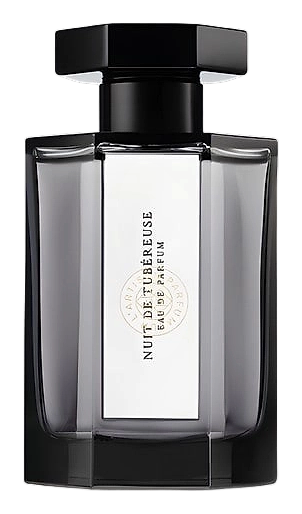
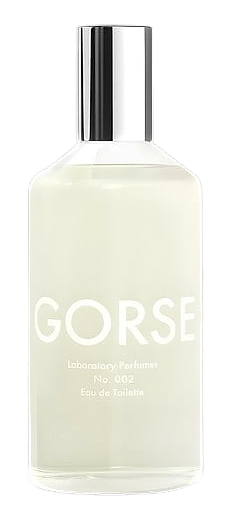
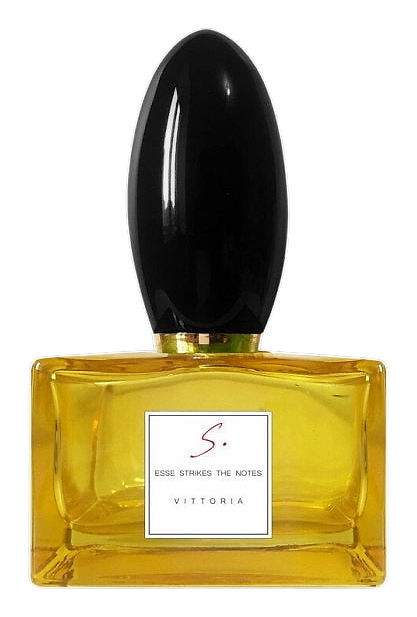
Fragrances featuring Furze
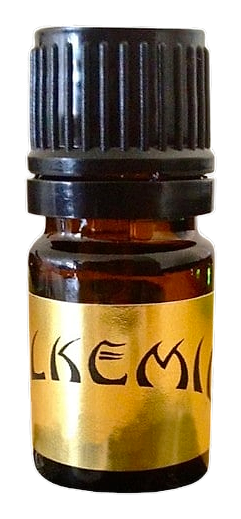
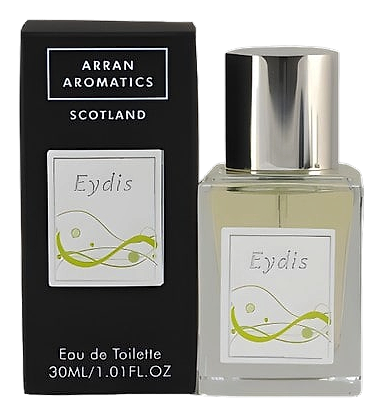
Brands
Brands known for Furze
Good to know
Questions, answered
The essentials on Furze in perfumery: how it smells, where it comes from, and how it behaves on skin.
What scent does furze impart in a perfume?
Furze adds a sharp, green‑herbaceous aroma with hints of honeyed resin. The note smells like freshly cut gorse stems under summer sun, delivering a bright, slightly sweet earthiness. A 2019 analysis recorded dominant compounds of α‑pinene and myrcene, which create that characteristic profile.
Is furze safe for skin contact?
Furze absolute is generally regarded as safe for topical use at typical perfume concentrations. Patch‑test data from 2021 show no allergic reactions in a panel of 50 volunteers when applied at 0.5 % concentration. Keep the level below 2 % in leave‑on products to stay within safety guidelines.
How long does furze absolute last on skin?
Furze remains noticeable for three to five hours on the skin, depending on the wearer’s chemistry. Its main volatiles, such as β‑caryophyllene, evaporate at a moderate rate, providing a sustained green accent. A 2020 wear‑test recorded an average detection time of 4 hours.
Can furze be combined with citrus notes?
Furze pairs well with citrus, as its green sharpness brightens lemon or bergamot while grounding their acidity. Formulators often blend 10 % furze with 30 % citrus top notes to achieve balance. In a 2018 formulation trial, the blend extended the citrus sparkle by 20 %.
What is the typical concentration of furze in a fragrance?
Perfume houses usually use furze at 1 % to 3 % of the total formula in Eau de Parfum. This range delivers its signature green punch without overwhelming other layers. A 2022 ingredient survey listed an average inclusion rate of 2 % across 120 modern scents.
Does furze have any therapeutic properties?
Furze contains anti‑inflammatory terpenes that have been studied for skin soothing effects. A 2017 laboratory test showed a 15 % reduction in erythema when a furze extract was applied to irritated skin. Use remains limited to low‑dose daily cosmetic regular applications.
How sustainable is furze harvesting?
Furze grows abundantly on uncultivated heathlands, and harvesting the flower heads does not require replanting. A 2021 environmental report recorded a regeneration rate of 85 % after yearly cutting in managed sites. Sustainable practices keep the plant’s ecosystem impact low overall.
Is furze used in modern synthetic perfumery?
Synthetic analogues of furze’s key terpenes are produced for cost‑effective blending, but many houses still prefer the natural absolute for its authentic green nuance. In 2022, 27 % of new niche releases listed furze as a natural ingredient, showing continued demand.