The Story
Why it exists.
The beginning
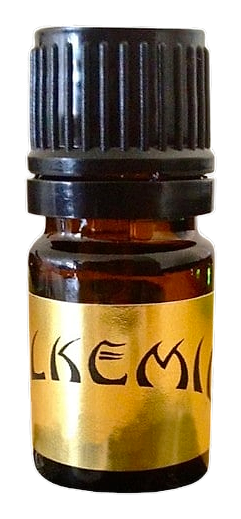
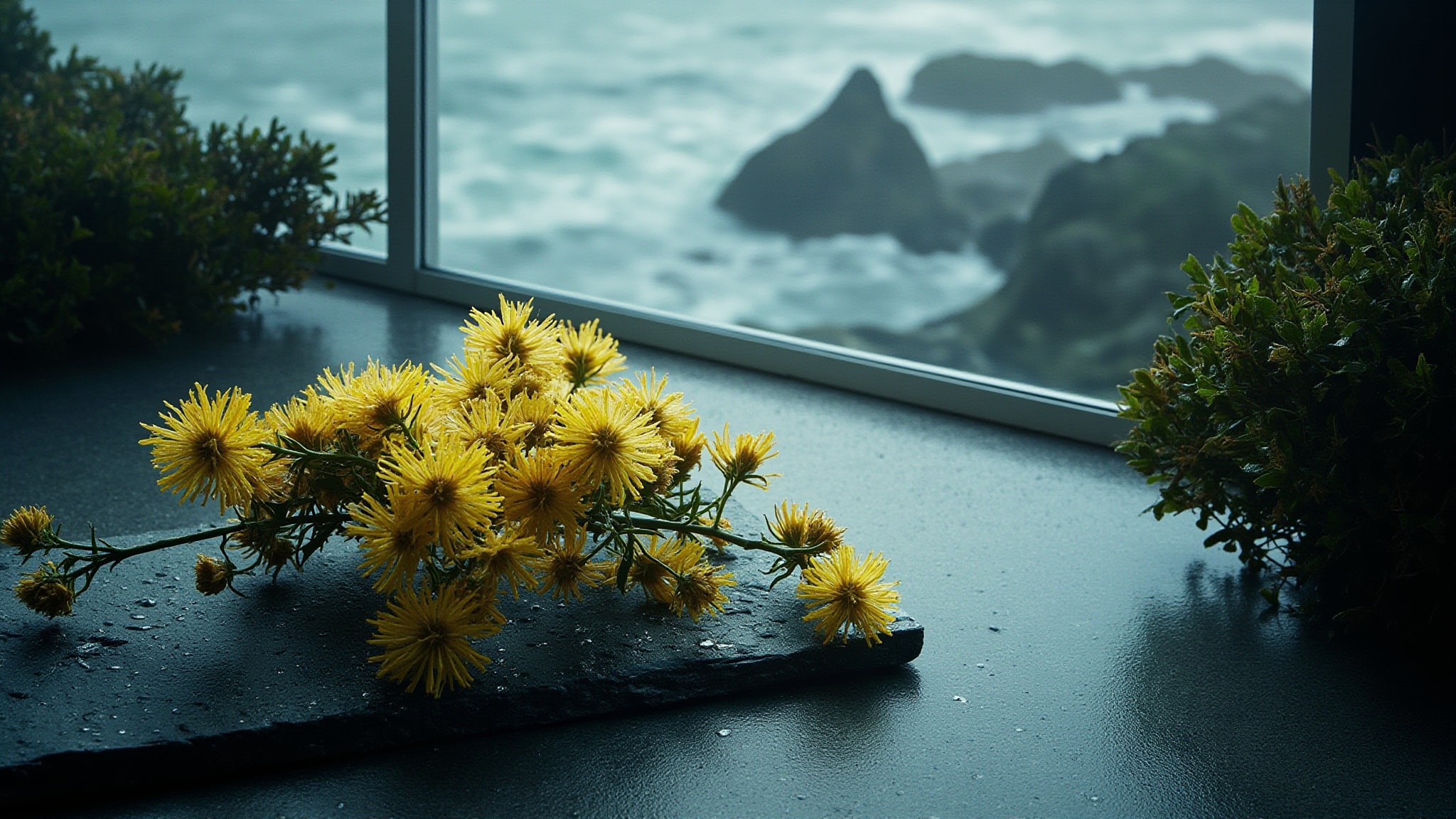
The Wild Atlantic Way is a coastal touring route along Ireland's western shore, but for Sharra Lamoureaux it became something else entirely, a scent brief written in wind and wildflowers. Lamoureaux built this fragrance around three flowering plants sacred to Ériu, the island's ancient namesake: yellow gorse, faerie hawthorn, and broom. The brief was botanical but mythic, rooted in place but translated into something you can wear. She didn't want a postcard of Ireland. She wanted the feeling of standing in it.
What makes this composition unusual is the tension Lamoureaux sustained deliberately. Yellow gorse and hawthorn are intensely sweet, honeyed, almost cloying in isolation. Peat moss and bog myrtle push in the opposite direction: damp, dark, medicinal. The bridge between them is oceanic ambergris, a material prized for its ability to soften edges and add depth without heaviness. Here, it does something more specific: it lets the sweetness breathe against the mineral without either drowning the other. The florals stay bright. The earth stays grounded. Neither wins.
The evolution
The opening hits clean and green. Gorse announces itself first, bright, almost buttery yellow, and the hawthorn follows with something softer, more floral. For the first twenty to thirty minutes this reads as a wildflower meadow with salt on the wind. Then the myrtle arrives, shifting the register. It adds an animalic edge that some people read as medicinal, others as skin-warm and intimate. The peat is patient. It doesn't compete with the florals during the heart phase, it undercuts them, adding weight without going dark. The drydown is where this fragrance earns its name. Ambergris and peat settle into something quiet, mineral, and long-lasting. On fabric, it lingers into the next day. On skin, it holds close but refuses to disappear.
Cultural impact
The Wild Atlantic Way exists outside the main indie fragrance conversation, niche within niche, discovered rather than promoted. Its audience tends to be people who've been to Ireland's west coast and want that sensation back, or people who've never been and want to know what they're missing. Among green fragrances, it occupies an unusual position: it smells like a specific landscape rather than an abstract concept. That specificity is what keeps it in circulation among people who care about scent as experience rather than scent as signal.