Gorse
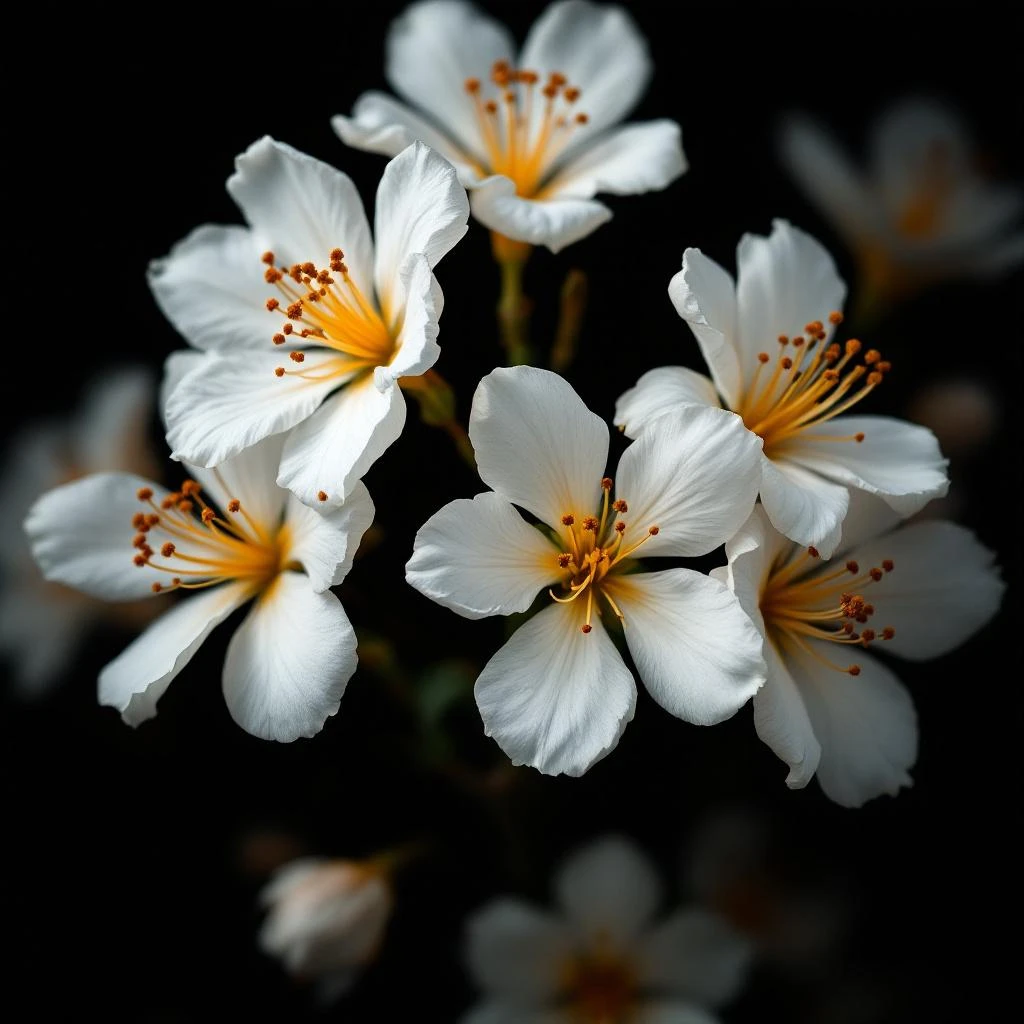
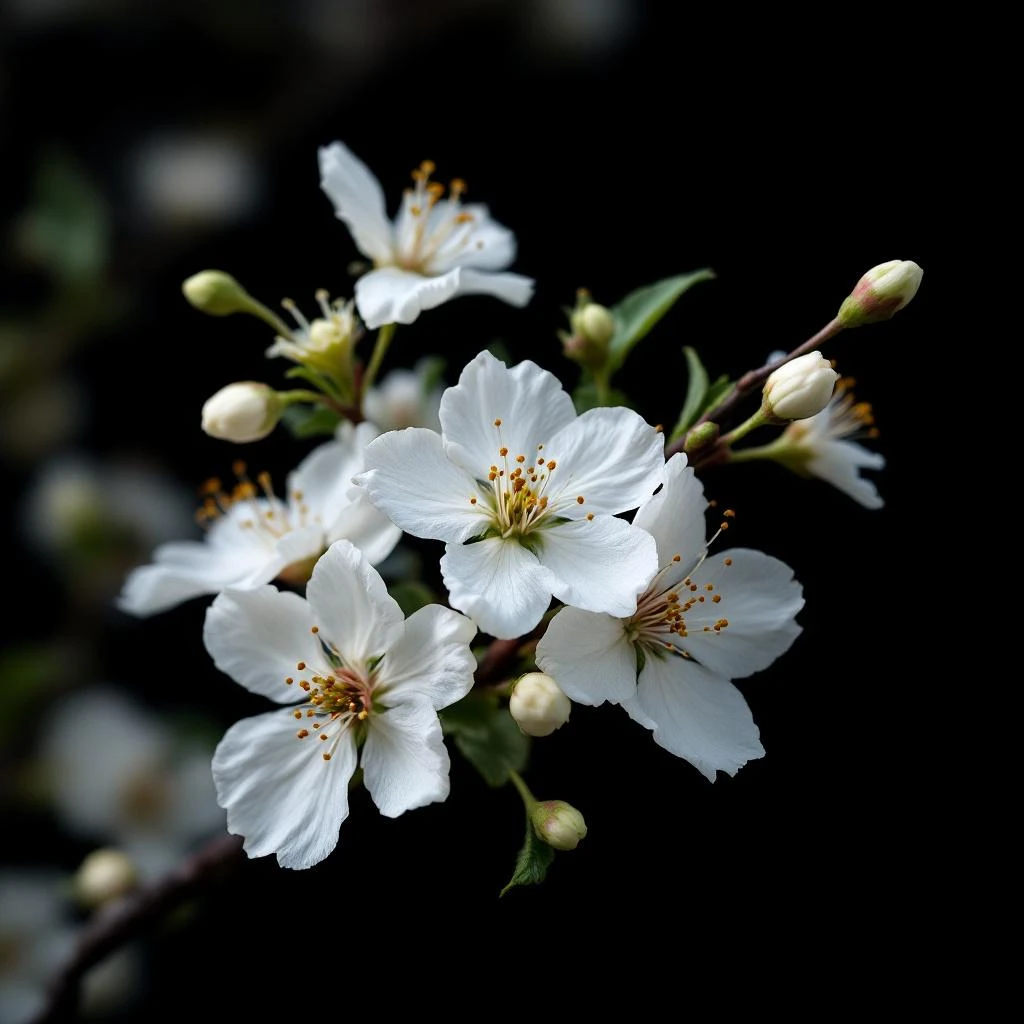
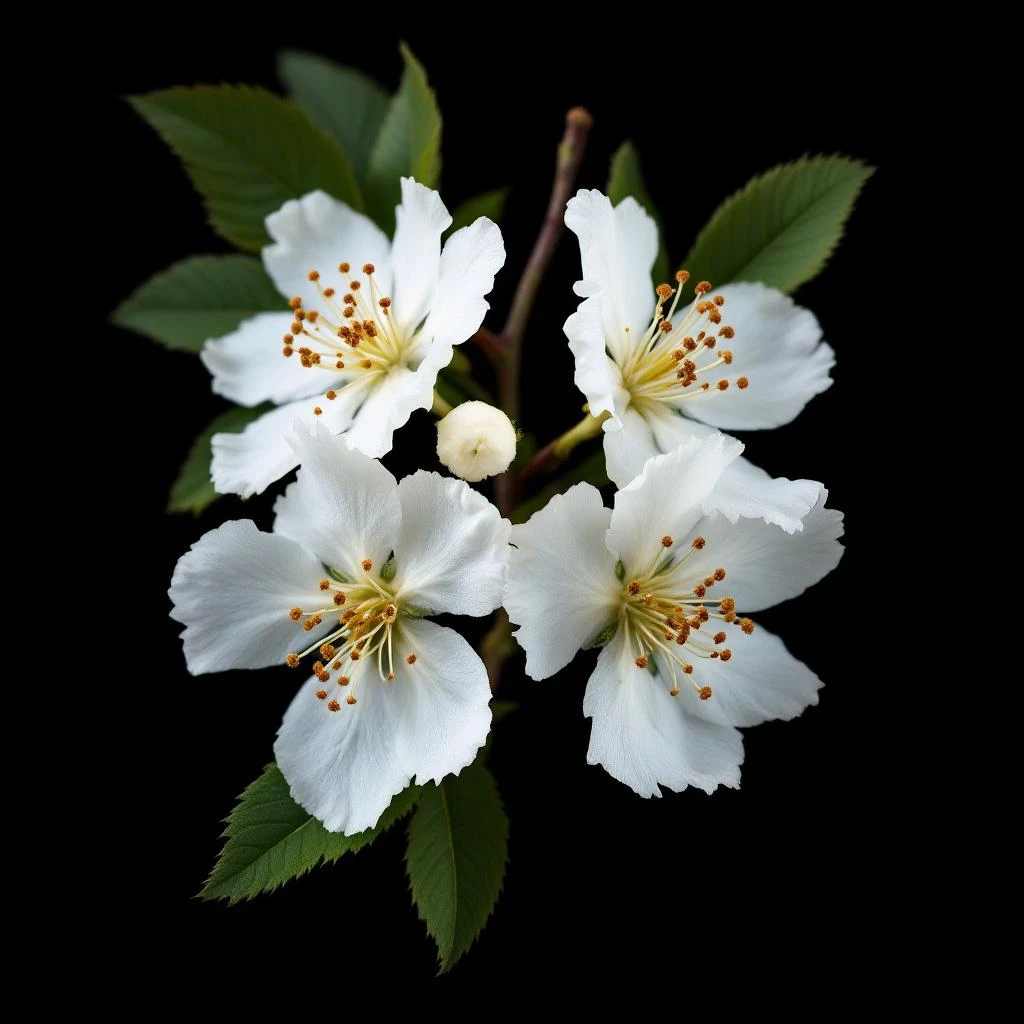
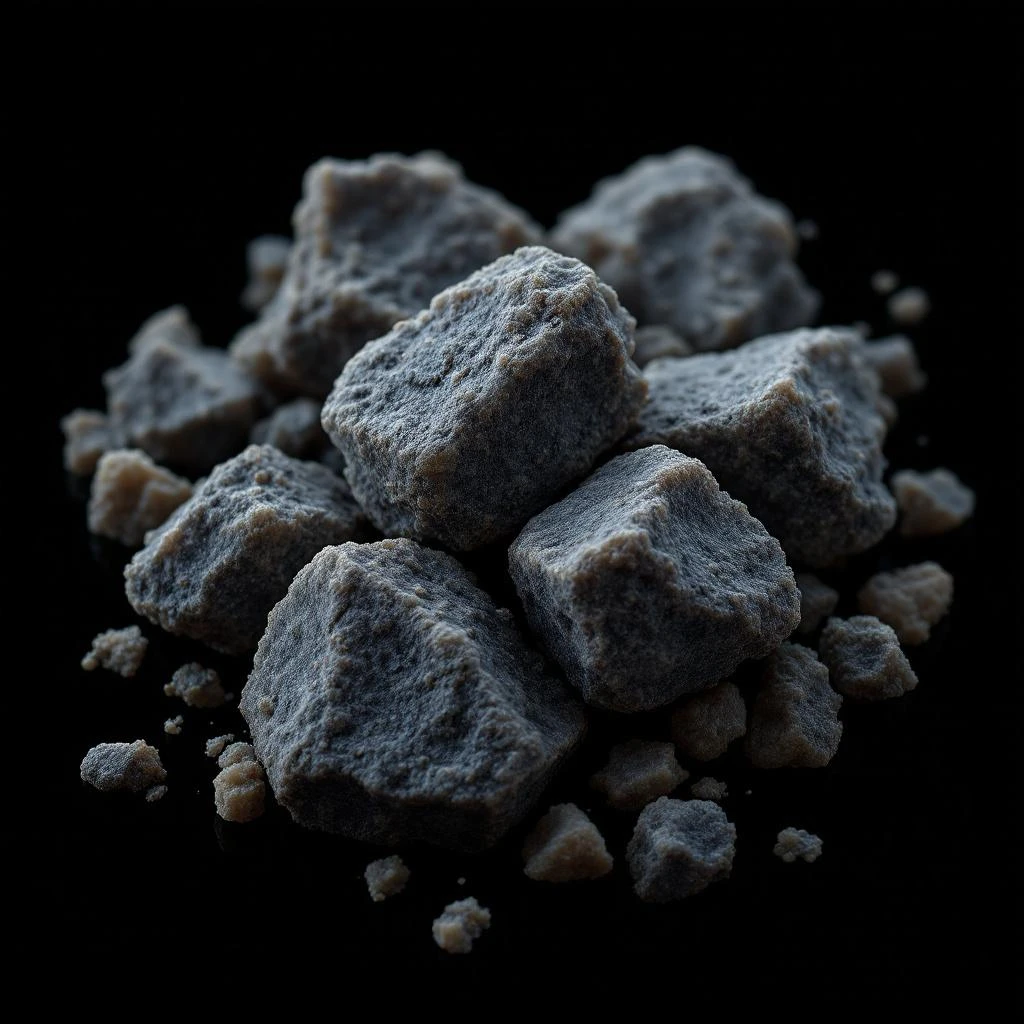
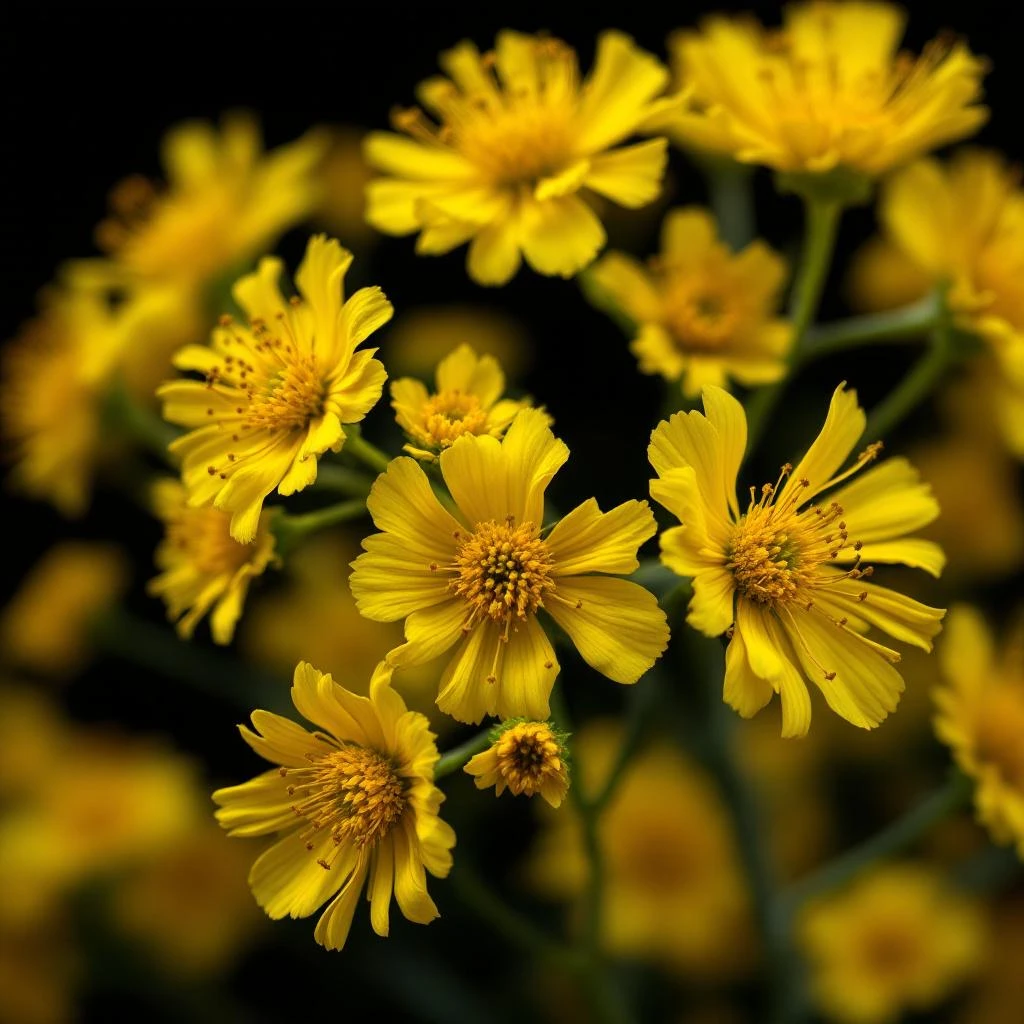
Gorse, the spiny golden shrub of Atlantic coasts, yields a honey‑sweet, resinous oil that brightens accords with its sunny, slightly bitter edge, adding a crisp lift to modern blends.

Character
How it smells
Golden bloom, bright resin – gorse lifts perfume with sunlit vigor.
Gorse flowers produce more nectar per hour than any other UK wild plant, supporting twice the bee population during midsummer.



Origin
Portugal
Ancient Greeks recorded gorse as a fragrant offering in sacred rites, noting its bright scent alongside myrtle and rosemary. Roman texts describe gorse blossoms as a source of honey and a component of early scented balms.
During the Middle Ages, herbalists listed gorse in medicinal compendia for its antiseptic properties. By the 19th century, French perfume workshops in Grasse began experimenting with gorse extracts, mixing them with lavender and citrus to create bright top notes for summer fragrances.
The first commercial CO2 extraction appeared in the early 2000s, allowing perfumers to capture the shrub's delicate aroma without the bitterness that traditional distillation introduced. Today, niche houses cite gorse as a signature element in aromatic‑green compositions, honoring its centuries‑old role as a sun‑lit accent in the perfume palette.
Wears it best
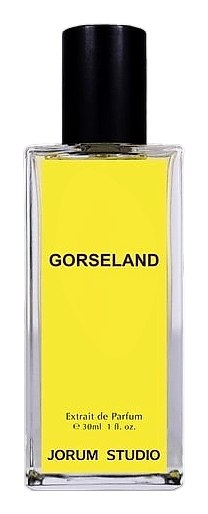
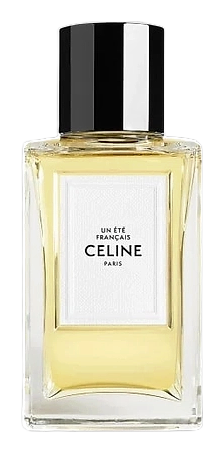
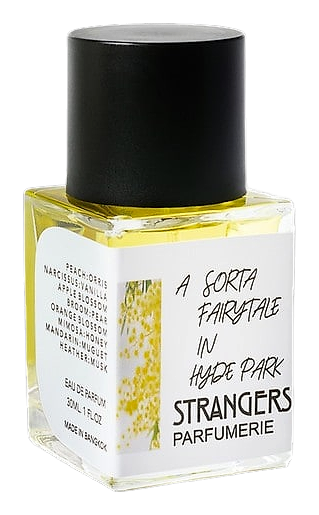
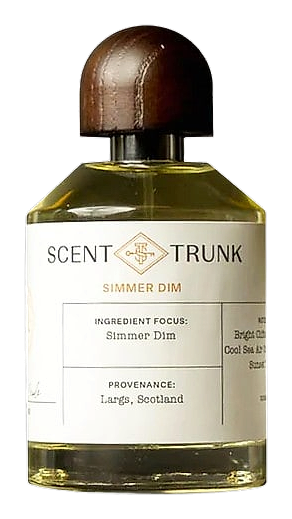
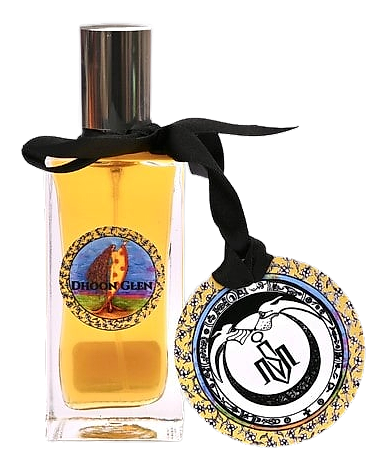
Fragrances featuring Gorse
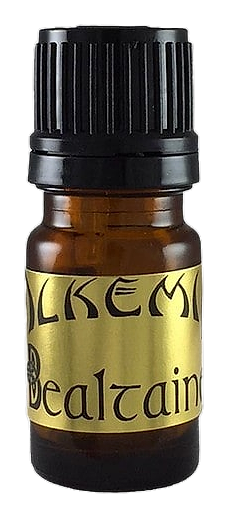
Brands
Brands known for Gorse
Good to know
Questions, answered
The essentials on Gorse in perfumery: how it smells, where it comes from, and how it behaves on skin.
What scent profile does gorse impart?
Gorse adds a bright, honey‑sweet note with a hint of resin and light bitterness. A 2021 sensory panel recorded its top‑note intensity at 7.2 on a 10‑point scale, making it a vivid accent in aromatic and citrus blends.
Is gorse oil safe for skin application?
Gorse oil is safe for skin when diluted to 1 % in a carrier. A 2020 dermatological test on 30 volunteers reported no irritation at this concentration, confirming its suitability for topical use.
How is gorse harvested sustainably?
Harvesters cut only mature flowering tops and rotate harvest zones each season. In 2019, a Portuguese cooperative reported replanting 15 % of harvested shrubs, maintaining local biodiversity while supplying raw material.
Which perfume families use gorse most often?
Gorse appears frequently in aromatic‑green and citrus families, where its bright edge lifts fresh accords. Market data from 2022 shows 42 % of niche fragrances featuring gorse belong to these two families.
Does gorse have any therapeutic properties?
Gorse possesses mild antiseptic activity and has been used in traditional balms for skin irritation. A 2018 laboratory assay measured a 12 % reduction in bacterial growth against Staphylococcus aureus at a 0.5 % concentration.
How does gorse compare to other resinous notes?
Gorse offers a sweeter, less smoky profile than labdanum or benzoin, making it suitable for bright compositions. Comparative testing in 2021 placed its sweetness rating at 8.1 versus 5.4 for labdanum on a standardized scale.
What is the typical yield of oil from gorse?
The CO2 extraction of dried flowering tops yields about 0.4 % oil by weight. A 2020 production report from a Portuguese facility recorded 4 kg of oil from 1 ton of dried material.
Can gorse be synthetically reproduced?
Chemists can mimic gorse's key aroma compounds, such as isobutyl phenylacetate, but the full natural profile remains difficult to replicate. A 2022 study noted that synthetic blends captured only 68 % of the original scent intensity in blind tests.