






Heritage
A house, in its own words
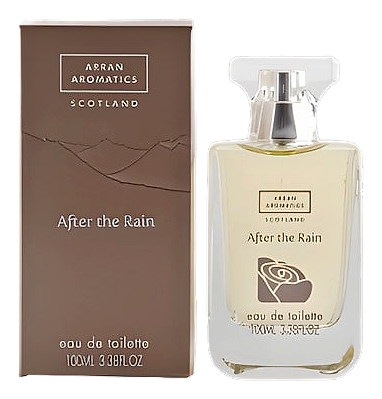
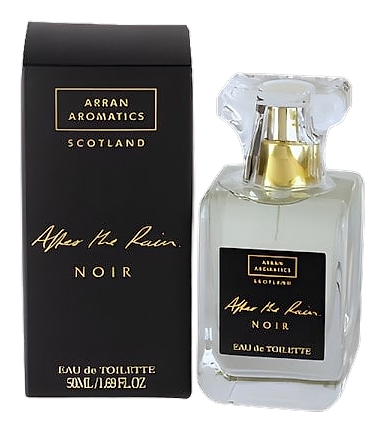
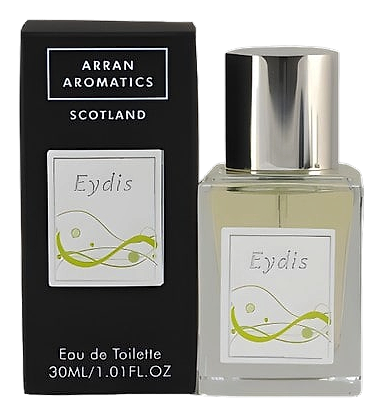
The story of ARRAN begins in 1989, when Janet Russell and her husband Ian opened their cottage kitchen on the Isle of Arran to craft soaps and body creams infused with island botanicals. The venture did not remain private for long. That same year, Arran Aromatics appeared at the Royal Highland Show, a major agricultural exhibition in Scotland, where it attracted its first wholesale customers. The brand grew steadily through the 1990s and 2000s, expanding from bath products into a full fragrance collection while maintaining its island production base. In 2005, the company released After the Rain, a scent that would become its most recognized work, inspired by the fresh, rain-washed air of Arran's hillsides. The fragrance developed a devoted following over the following decade, prompting a series of flankers including After the Rain Lime, Rose & Sandalwood in 2015 and After the Rain Noir in 2015. Other notable releases include Eydis in 2010, a marine-leaning fragrance named for a Norse-derived Scottish name, and Machrie, named for the island's windswept moorland and peat bogs. In recent years, the company rebranded as ARRAN Sense of Scotland to reflect its broader product range beyond aromatics, though fragrance remains central to its identity. As of 2024, the company celebrated 35 years of operation, marking over three decades of continuous island-based production. ARRAN approaches fragrance as a medium for place rather than status. The brand designs scents that function as sensory records of specific locations and moments on the Isle of Arran, from the mineral clarity of rain-washed空气 to the warm amber of the island's stone cottages. Founder Janet Russell has described After the Rain as her attempt to bottle the exact quality of air she encountered walking through the hills after rainfall, a motivation that reflects the brand's insistence on emotional specificity over abstract luxury positioning. The naming conventions reinforce this geographic fidelity. Scents carry island place names, botanical ingredients, or weather states rather than invented luxury nomenclature. This approach positions ARRAN as an olfactory travelogue, inviting wearers to experience Arran without visiting. The philosophy extends to the product range, where fragrances exist alongside bath and body items rather than as a standalone prestige category, suggesting that scent is meant to be lived with, not merely displayed. The brand's evolution from Arran Aromatics to ARRAN Sense of Scotland indicates a belief that fragrance should integrate into daily routines rather than remain reserved for special occasions.