




Heritage
A house, in its own words
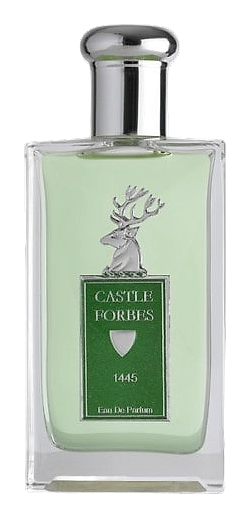
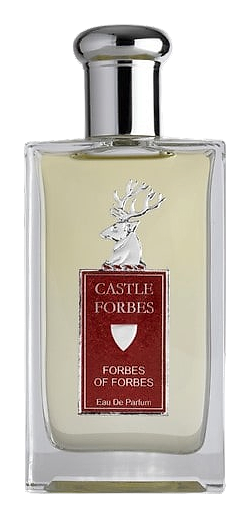
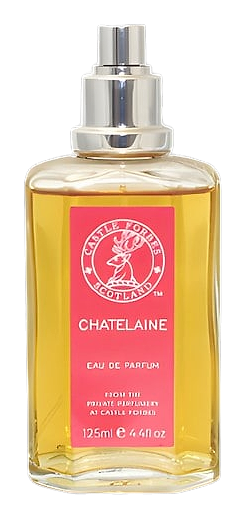
The story of Castle Forbes begins in 1996 when Lady Forbes, the daughter of the 22nd Lord Forbes, teamed up with her longtime friend Andrew French to turn a disused dairy on the family estate into a perfumery. The dairy, built in the 19th century, provided a cool, low‑traffic space ideal for delicate fragrance work. Initially, the pair offered bespoke scents to a handful of private clients, tailoring each composition to the wearer’s preferences. By 1998 the first public fragrance, Chatelaine, was released, taking its name from the historic title of the clan chief. Over the next decade the house expanded its catalogue, introducing scents such as Lonach, a nod to the nearby Highland gathering, and Vetiver, which highlighted the brand’s willingness to explore both local and exotic notes. In 2015 Castle Forbes opened a modest retail space on the estate, allowing visitors to experience the scents in the context of the surrounding gardens. The 2018 launch of Sandalwood marked the first time the house sourced a single‑origin ingredient from a sustainable plantation in India, demonstrating a growing commitment to responsible sourcing. Throughout its history the brand has remained family‑run, with Lady Forbes overseeing creative direction and Andrew French handling operations, ensuring that each new release reflects the estate’s heritage while staying true to a minimalist aesthetic. Today, Castle Forbes continues to produce fewer than 5,000 bottles per year, a figure that underscores its dedication to quality over volume. Castle Forbes approaches perfumery as a quiet dialogue between place and scent. The founders have repeatedly emphasized a respect for Scotland’s natural landscape, allowing the environment to inform both ingredient choice and olfactory narrative. Rather than chasing trends, the house seeks to capture moments – the crisp air of a Highland morning, the soft rustle of heather, the warm glow of a stone hearth. This philosophy translates into a commitment to transparency: ingredients are listed clearly, and sourcing is traced back to farms or cooperatives that meet the brand’s sustainability standards. The creative process favors simplicity; compositions are built around a central note that is then supported by a handful of complementary accords, avoiding the clutter often found in mass‑market fragrances. The brand also values longevity, formulating scents that evolve gracefully on the skin over several hours, encouraging wearers to develop a personal relationship with each bottle. Community plays a subtle role as well – the perfumery’s small size allows for direct interaction with clients, fostering a sense of shared stewardship over the scents that emerge from the estate’s stone walls.