
The Story
Why it exists.
The beginning
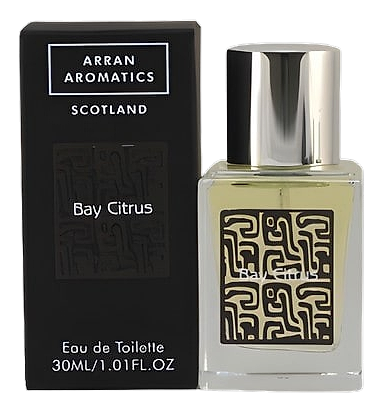
Bay Citrus opens with lemon and mint for brightness. Beneath that opening, there's a base designed to hold that brightness in place. Bay leaf adds an herbal depth that bridges the fresh top notes to something more grounded. Patchouli provides an earthy richness that gives the citrus room to breathe without disappearing. Vetiver extends the wear, ensuring the conversation doesn't end early. The result is a fragrance that combines bright citrus with a solid, lasting foundation.
The choice of bay leaf as a heart note is what separates this from standard citrus fare. Bay is herbal but not medicinal, green but not sharp. It bridges the gap between the lemon-mint opening and the earthy vetiver base, creating a continuous thread rather than a sequence of arrivals and departures. Nutmeg adds a subtle warmth that prevents the composition from reading as purely austere. This is a citrus fragrance for people who find most citrus fragrances thin.
The evolution
Lemon and mint arrive together, bright, direct, almost aggressively fresh. The mint doesn't linger. Within twenty minutes, bay leaf pushes through, softening the citrus edge into something herbal and green. Patchouli arrives next, not dominant but insistent, adding weight and earthiness that ground what came before. The transition isn't dramatic. It's a gradual handover. By hour two, vetiver takes over, and the fragrance settles into a quiet, slightly smoky drydown that stays close to the skin for another three to four hours. On fabric, the vetiver persists into the next day.
Cultural impact
Bay Citrus has earned a following among those who appreciate citrus fragrances with depth. The vetiver-heavy drydown sets it apart from conventional fresh scents, providing a foundation that extends beyond the initial burst. Renamed Lochranza in some markets, it remains in continuous production, reflecting an enduring appeal across different regions and skin types.