
The Heritage
The Story of Laboratory Perfumes
Laboratory Perfumes is a British fragrance house that positions its scents as clean, nature‑inspired and gender‑neutral. Founded by Aaron Firth in the early 2010s, the brand operates with a small, female‑led team that works closely with local suppliers. Its catalogue includes a handful of distinct releases such as Tonka (2010), Gorse (2012) and the recent Helios (2024), each framed as an exploration of natural material rather than a marketing statement.
Heritage
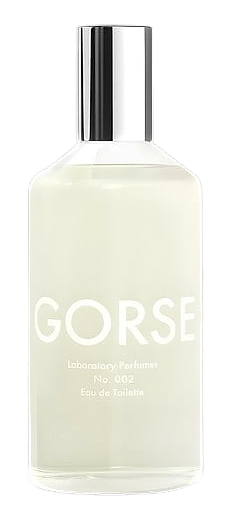
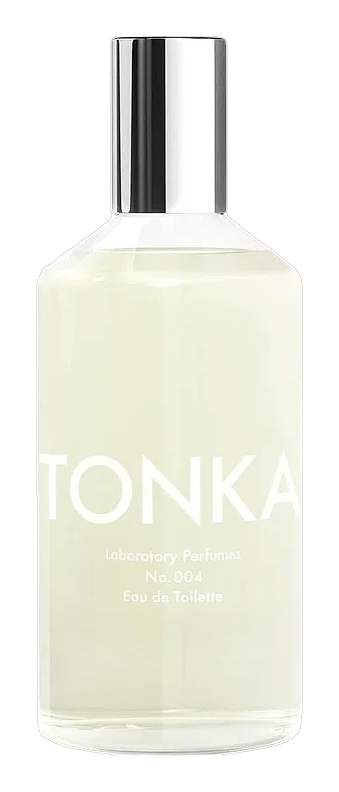
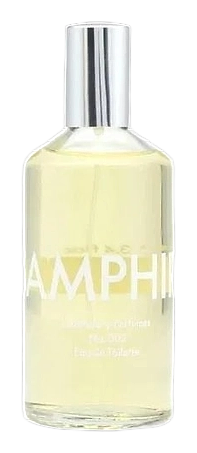
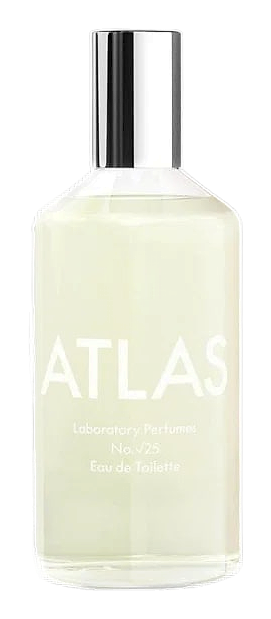
The origins of Laboratory Perfumes trace back to Aaron Firth, who reportedly launched the label in 2011 after a career in chemical formulation. Public references place the official launch in 2012, when the brand announced its first retail line and began positioning itself as a modern British house focused on clean, nature‑derived aromas. Early releases like Tonka (2010) and Gorse (2012) set a tone of minimalist composition, while the 2013 Samphire introduced a marine note that broadened the palette. In 2017 the house added Atlas, a fragrance that referenced geographic expanses, and in 2024 it unveiled Helios, signalling continued creative momentum. Throughout its evolution, Laboratory Perfumes has maintained a small‑batch approach, avoiding mass‑production in favor of careful ingredient selection and hand‑crafted blending. The brand’s narrative emphasizes sustainability, with a female‑led team that partners with local UK suppliers to reduce transport impact and support regional agriculture. While it has not amassed the headline awards of larger houses, its steady output and niche following illustrate a commitment to a quiet, craft‑focused heritage that values consistency over hype.
Craftsmanship
According to the brand’s public statements, Laboratory Perfumes follows a small‑batch, hand‑crafted production model. Ingredients are sourced from regional UK farms and vetted suppliers, with an emphasis on natural extracts that align with the house’s clean aesthetic. The formulation process is described as collaborative, with the founder and the female‑led team reviewing each batch for consistency before release. Quality control includes sensory testing by multiple team members and a final review to ensure the scent matches the intended olfactory profile. Packaging choices reflect the same ethos: bottles are made from recyclable glass, caps are metal, and labeling uses minimal, eco‑friendly inks. While the brand does not publish detailed ingredient lists for every fragrance, it consistently references its commitment to local sourcing and reduced synthetic load, positioning its craftsmanship as a blend of traditional hand‑blending techniques and modern sustainability standards.
Design Language
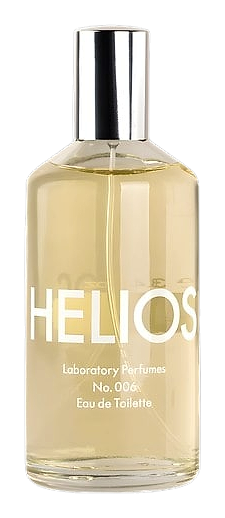
Laboratory Perfumes presents a visual identity that mirrors its fragrance philosophy. Product photography and retail displays feature clear glass bottles with understated caps, allowing the scent’s colour to speak for itself. Typography is clean and sans‑serif, often set against a muted background that evokes natural textures such as stone or sand. The overall brand image is minimalist, avoiding ornate embellishments in favour of a straightforward, almost clinical elegance that underscores the house’s focus on purity and nature. This restrained aesthetic appears across the brand’s website, social media, and printed materials, reinforcing a cohesive narrative that the scent experience is best appreciated without visual distraction.
Philosophy
Laboratory Perfumes articulates a philosophy centered on clarity and natural inspiration. The brand states that it creates scents for all genders, rejecting the traditional binary marketing that dominates many niche houses. Its creative vision leans on the idea that fragrance should echo the simplicity of the natural world, using ingredients that feel familiar yet are presented in unexpected pairings. Sustainability is woven into this vision: the team works with local growers, prioritises recyclable packaging, and limits synthetic additives where possible. By keeping the operation small and female‑led, the house claims to foster a collaborative environment where each scent receives focused attention from the perfumer and the production crew. This approach reflects a belief that quality emerges from transparency, from seed to bottle, and that a fragrance’s story is best told through its ingredients rather than through extravagant branding.
Key Milestones
2010
Release of Tonka, an early fragrance that predates the formal launch of the house.
2011
Aaron Firth initiates the Laboratory Perfumes project, laying the groundwork for the brand.
2012
Official launch of Laboratory Perfumes as a British fragrance house; Gorse and Amber are introduced.
2013
Samphire debuts, expanding the line with a marine‑inspired composition.
2017
Atlas is released, marking the brand’s first foray into a geographically themed scent.
2024
Helios arrives, demonstrating the house’s continued creative output after more than a decade.
At a Glance
Brand profile snapshot
Origin
United Kingdom
Founded
2011
Heritage
15
Years active
Collection
2
Fragrances released
Avg Rating
3.7
Community sentiment
Release Rhythm


