Encian
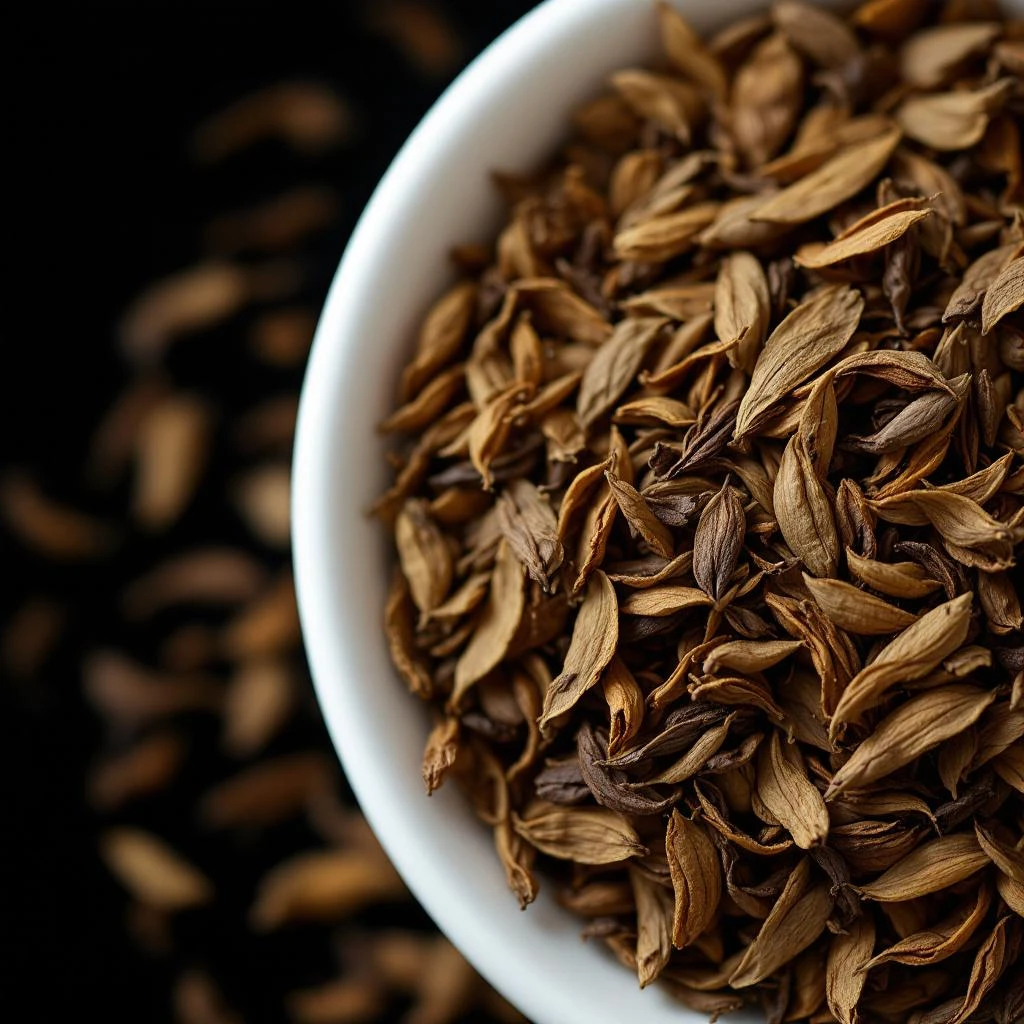
Gentian root delivers a bitter-green, earthy character prized in masculine colognes and fougère compositions. Its dry, herbaceous warmth anchors brighter citrus and floral notes with grounded depth.
Character
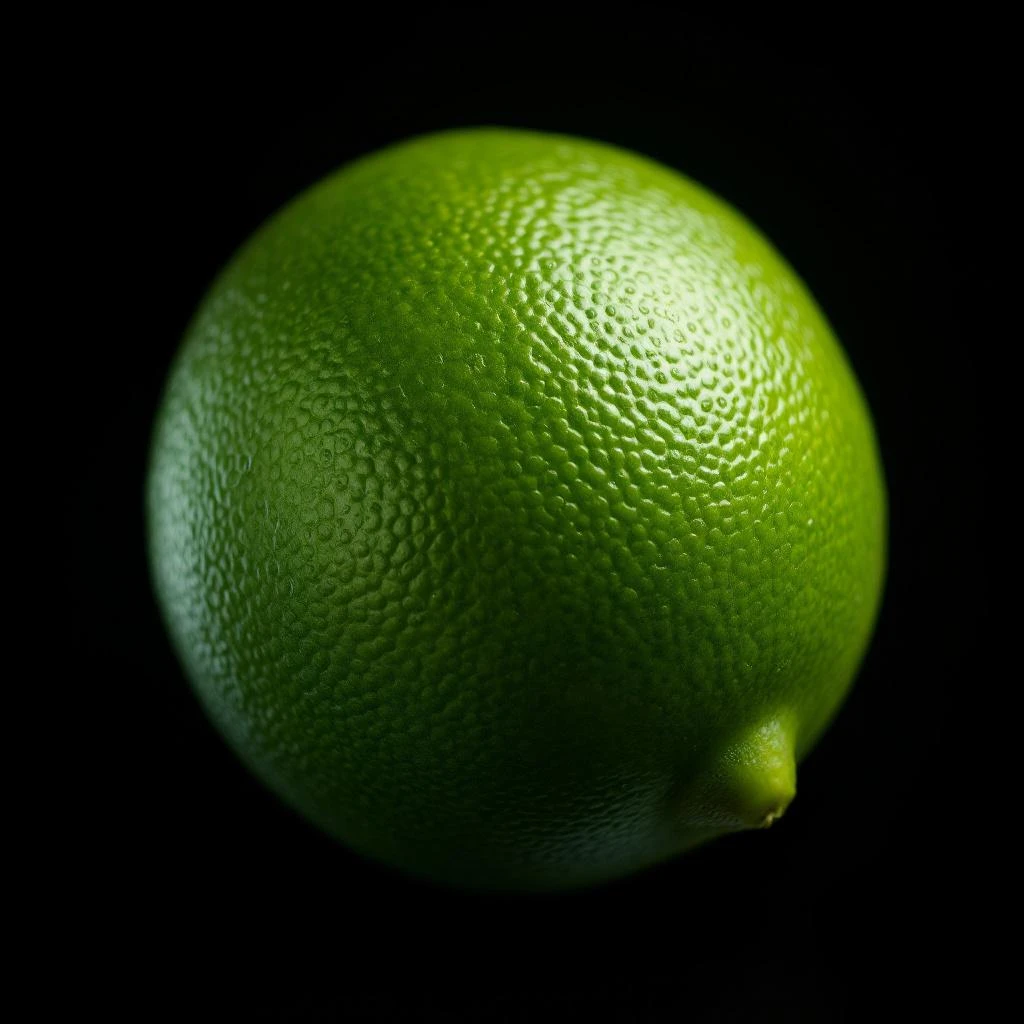
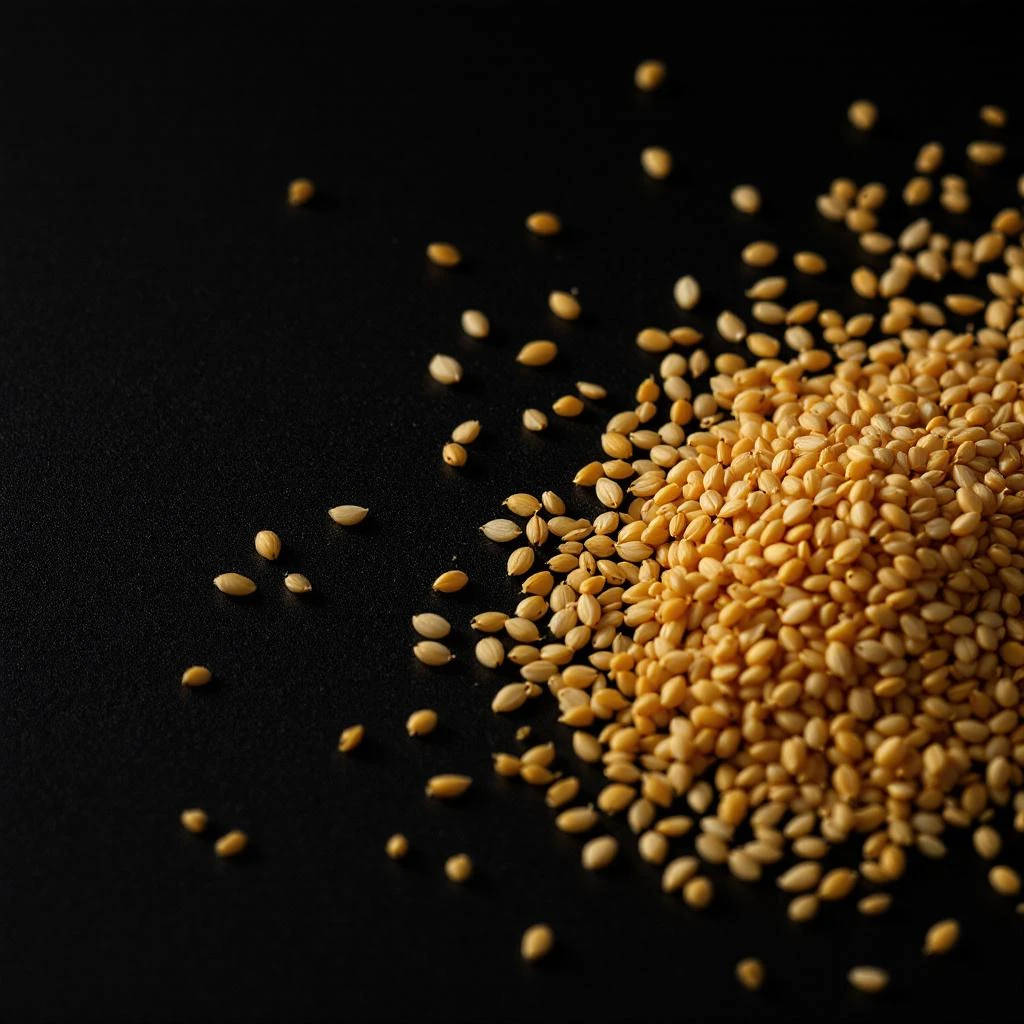
How it smells
Bitter roots, bold character
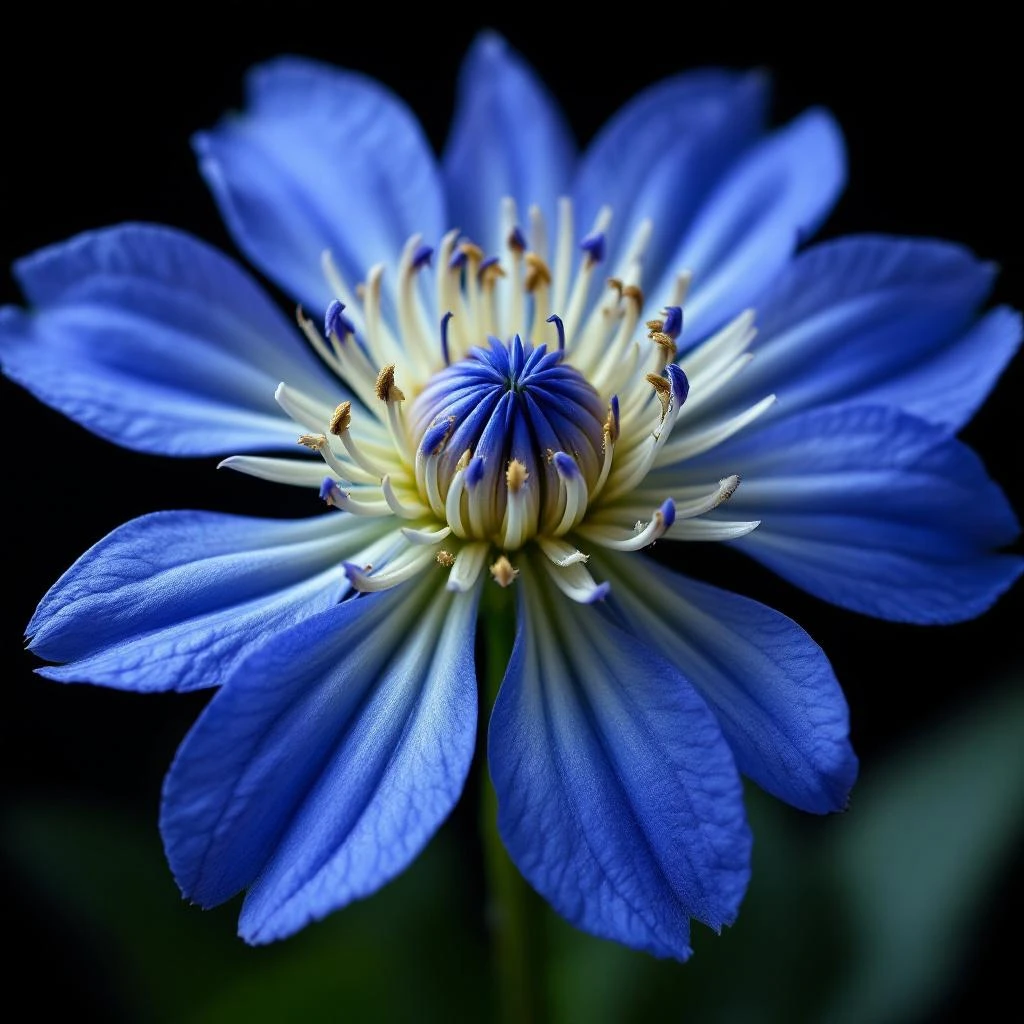
Encian is the Polish word for gentian, the same blue-flowered Gentiana lutea whose roots supply one of perfumery's most distinctive bitter-aromatic materials.
Origin
France
Gentian has occupied a singular place in European herbal and aromatic traditions for over two millennia. The genus name honors King Gentius of Illyria, a 2nd-century BCE ruler credited by Pliny the Elder with discovering the plant's medicinal properties.
Alpine communities across France, Switzerland, and Austria incorporated gentian root into digestive liqueurs and folk remedies from the medieval period onward. Its entry into perfumery came later, as 19th-century French perfumers began experimenting with bitter and aromatic roots to extend the longevity of citrus-forward compositions.
The material gained particular prominence in the late 20th century when perfumers seeking alternatives to traditional fougère structures rediscovered gentian's ability to bridge fresh top notes with rich, earthy bases. Today, gentian absolute remains a specialty ingredient, valued precisely because its cultivation demands patience and its harvest remains tied to traditional mountain economies that have practiced this craft for generations.
Wears it best
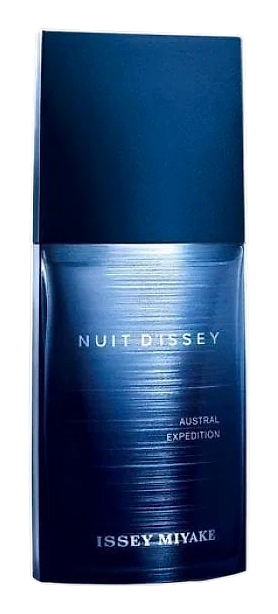
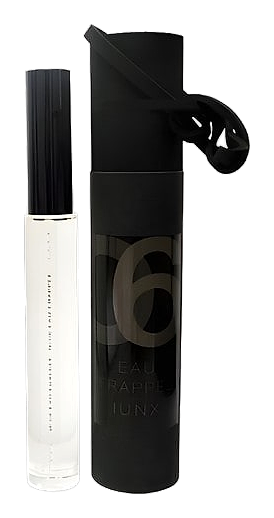
Fragrances featuring Encian
Brands
Brands known for Encian
Good to know
Questions, answered
The essentials on Encian in perfumery: how it smells, where it comes from, and how it behaves on skin.
What does encian (gentian) smell like in perfume?
Encian contributes a bitter-green, earthy aroma with dry herbal and faintly medicinal undertones. It reads as more aromatic and rooty than floral, grounding brighter notes with an almost moss-like depth.
Is gentian root natural or synthetic in modern perfumery?
Both forms exist. Natural gentian absolute comes from steam-distilled or solvent-extracted Gentiana lutea roots, while synthetic reconstructions capture its bitter facets at lower cost for broader commercial use.
Why do perfumers use gentian in fougère fragrances?
Gentian's bitter, earthy character complements the lavender-coumarin structure of classical fougères, adding longevity and a distinctive green-dry facet that bridges fresh and warm elements.
Where does gentian root for perfume come from?
Most perfumery-grade gentian originates from wild-harvested Gentiana lutea in the French and Swiss Alps, where roots are traditionally dug in autumn after five or more growing seasons.
How is gentian root processed for fragrance use?
Harvesters dig mature rhizomes, slice and air-dry them for weeks, then subject the cured material to steam distillation or solvent extraction to produce essential oil or absolute.
Is gentian the same as the blue mountain flower?
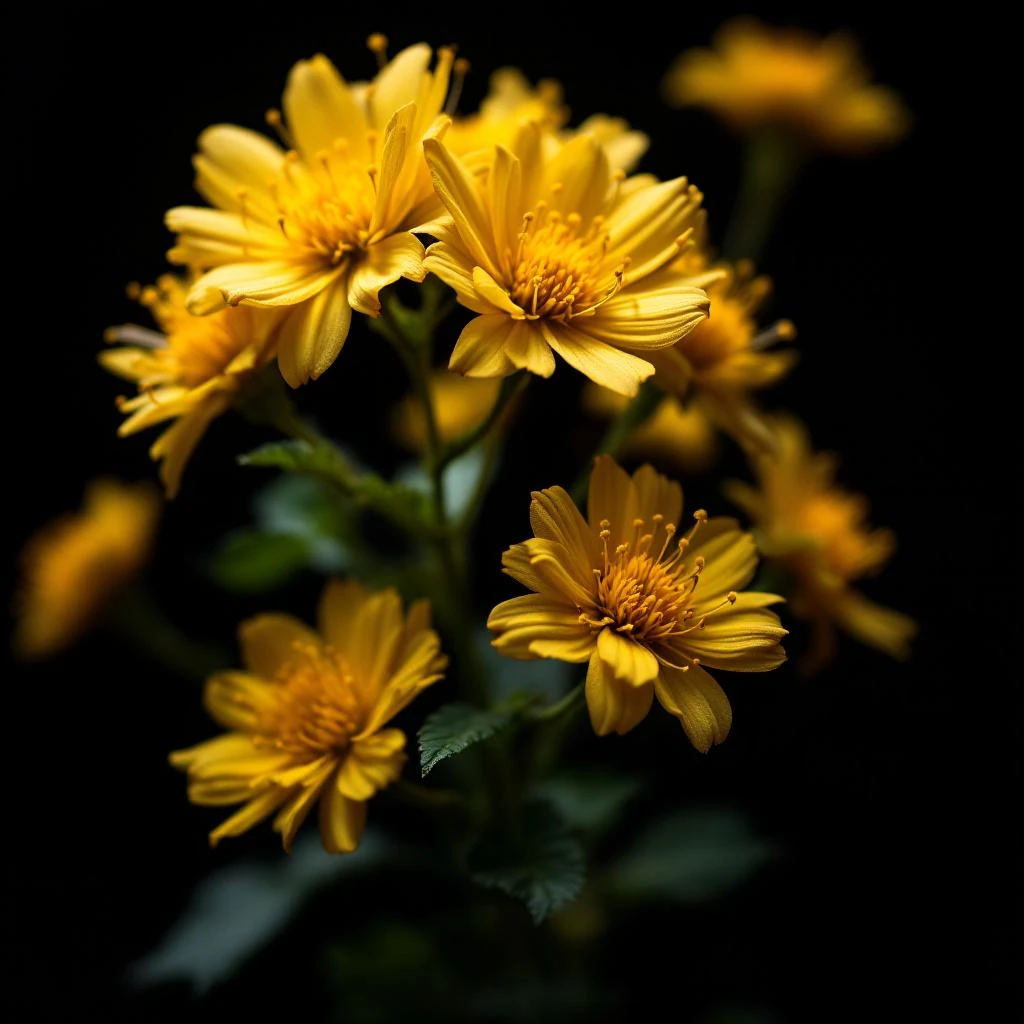
Gentiana lutea, the primary perfumery species, actually bears yellow flowers, though the broader Gentiana genus includes many blue-flowered varieties grown ornamentally across alpine regions.
When did gentian enter mainstream perfumery?
Gentian gained prominence in late 20th-century perfumery as creators rediscovered bitter-aromatic roots for structuring fougère compositions with greater complexity and modern appeal.
Does gentian root have uses outside perfume?
Yes, gentian root has served European herbal medicine and digestive liqueur production for centuries, with Alpine communities using it in traditional bitter spirits and folk remedies.