
The Story
Why it exists.
The beginning
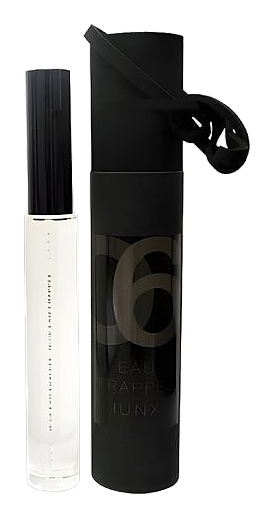
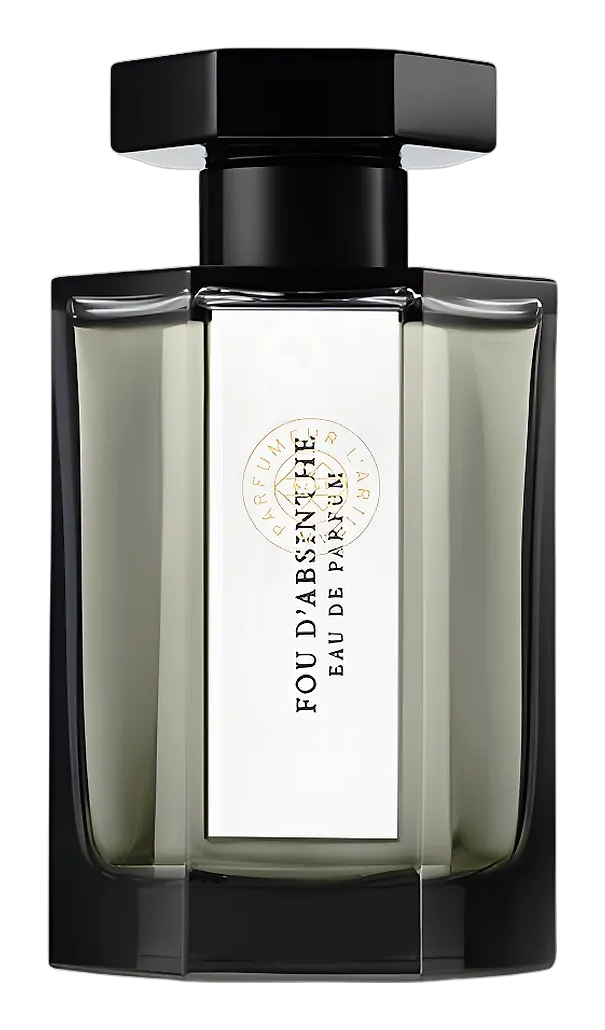
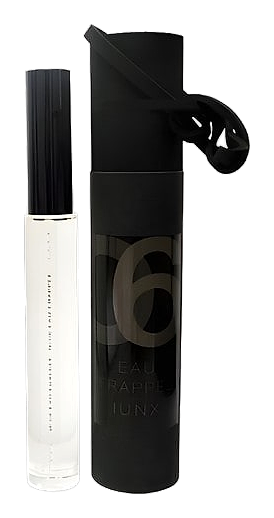
L'Eau Ivre, the third entry in IUNX's numbered water series, takes its name from the French ivre, meaning drunk or altered, and the composition lives up to it. The fragrance poses a question through its ingredients: what does intoxication smell like when the source is botanical rather than alcoholic? Olivia Giacobetti, the perfumer behind the formula, built the composition around absinthe wormwood, the bitter green nerve of the notorious spirit. Around it she layered anise, angelica seed, gentian, and immortelle absolute, creating a portrait of altered states that never touches actual liquor. The result is a scent that feels both herbal and narcotic, with wormwood's notorious green bitterness anchoring everything else.
What makes the composition unusual is its refusal to soften. Giacobetti leans directly into the medicinal, almost toxic greenness of wormwood and pairs it with immortelle, a note that smells like burnt sugar and dried flowers. The combination shouldn't work. It does, because the bitterness and the sweetness are pulling at equal tension from the first spray to the last. The anise family, star anise and angelica seed, reinforces the licorice backbone without flattening it into something one-dimensional. There's a roughness to the opening that never fully smooths out, and that's the point.
The evolution
The opening is almost aggressive in its greenness. Wormwood, anise, and wild fennel hit the skin like the first breath into a bottle of pastis, sharp, herbal, slightly cold. For the first stretch of wear it reads almost medicinal, the kind of scent that makes you check if you spilled something. Then the immortelle starts to surface, and the whole thing tilts warmer. Gradually, the bitter green gets wrapped in a syrupy, maple-like sweetness that smells less like an herb garden and more like the last minutes of autumn light on dry grass. The angelica seed adds a musky, root-like depth that keeps the sweetness from going cloying. In the drydown, the wormwood recedes but never disappears. It lingers as a faint bitterness underneath the immortelle's warmth, like the aftertaste of a liqueur you can't quite name.
Cultural impact
L'Eau Ivre sits in a small but distinct category of fragrances that treat bitterness as a feature, not a flaw. The composition rewards wearers who appreciate challenging green or herbal scents and want something with genuine density and presence. It reads as personal rather than performed, the kind of scent that announces itself quietly but insistently. The immortelle here is what sets it apart from cleaner herbal compositions; it gives the fragrance a warmth and weight that most wormwood-driven scents lack.