The Story
Why it exists.
The beginning
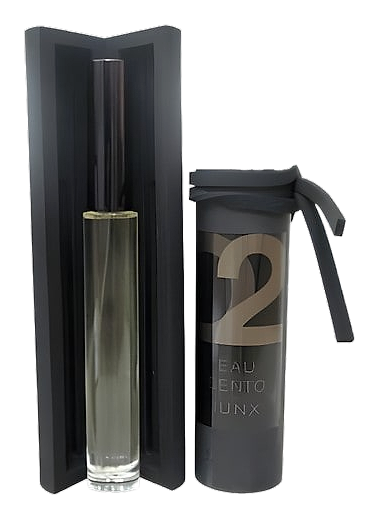
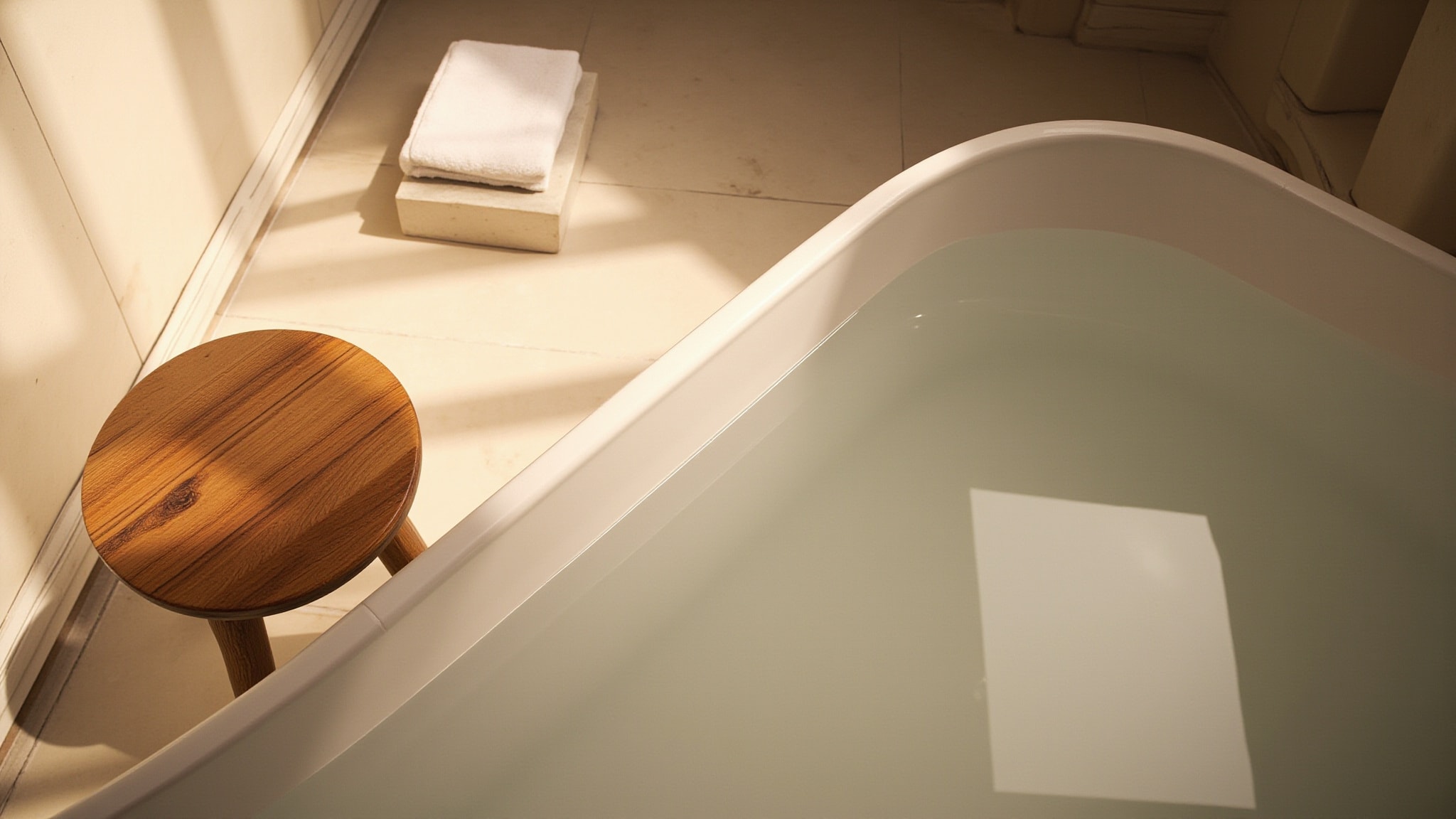
No. 02 L'Eau Sento entered the world in 2003, created by nose Olivia Giacobetti. Her signature minimalism defines the house. The fragrance takes its name from the Japanese bathing concept, drawing its conceptual anchor from the rituals of communal bathing. This wasn't a love letter to steam rooms. More an attempt to bottle a feeling: the warmth of cedar, the calm of still water, the particular cleanliness of skin that's just emerged from soaking. The composition captures that moment of transition between water and air, where heat meets coolness and the body feels both refreshed and utterly at peace. Giacobetti strips away excess to leave only the essential memory of that experience.
What Giacobetti built here is less a perfume than a study in restraint. Five materials. That's it, seaweed, cedar, teakwood, cypress, caraway. Each one earns its place. The seaweed opens cool and marine, like iodine on wet stone. Then the cedar arrives warm and blond, sun-heated rather than sharp. The drydown turns powdery, mineral, wood drying in shade. There's no grand finale. Just a slow, elegant fade into warmth.
The evolution
The opening is cool. Seaweed first, iodine, marine air, the smell of waves retreating from warm stone. Within minutes the cedar arrives. Not sharp, not resinous. Smooth, sun-warmed blond wood. The teakwood adds body without weight. Caraway is the quiet disruptor here, a spicy, aromatic lift that keeps the composition from becoming merely serene. Then the drydown arrives, revealing powdery mineral warmth, wood drying in cool air, skin that's been in water and emerged clean. The longevity rewards the wearer with hours of quiet presence, a subtle companionship that remains close and intimate throughout its development.
Cultural impact
IUNX fragrances reflect a distinctly Japanese design philosophy where scent becomes environmental, spatial, almost architectural. Rather than announcing presence, these scents work to create atmosphere. No. 02 L'Eau Sento captured this ambition in five notes. Giacobetti's bathhouse concept tapped into a cultural moment when European consumers were discovering Japanese minimalism through architecture, tea ceremony, and design. The fragrance arrived alongside growing enthusiasm for Japanese aesthetics in luxury goods, offering a quiet alternative to the complex, projecting fragrances that dominated the market.