The Story
Why it exists.
The beginning
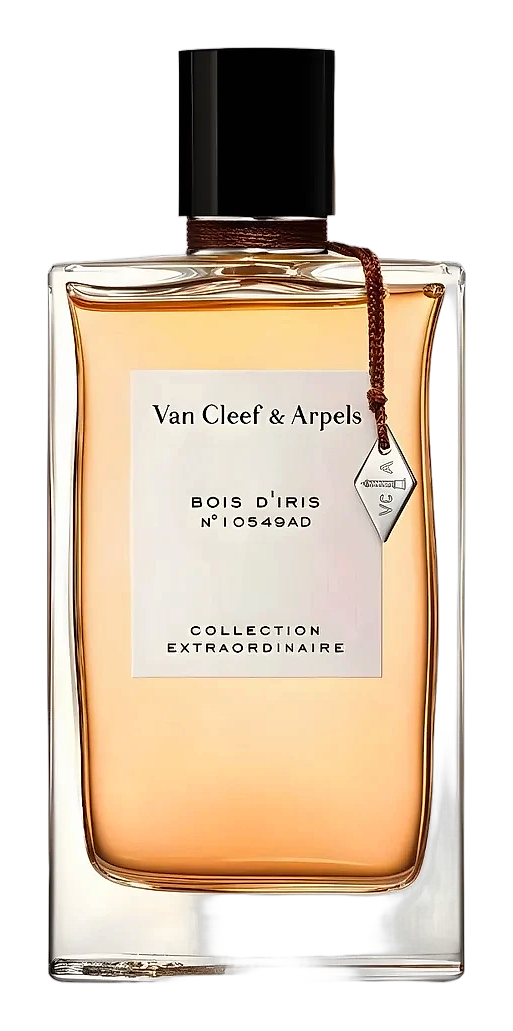
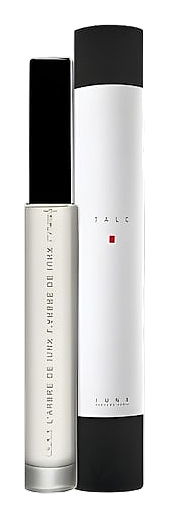
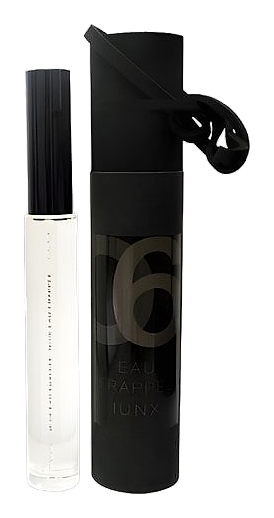
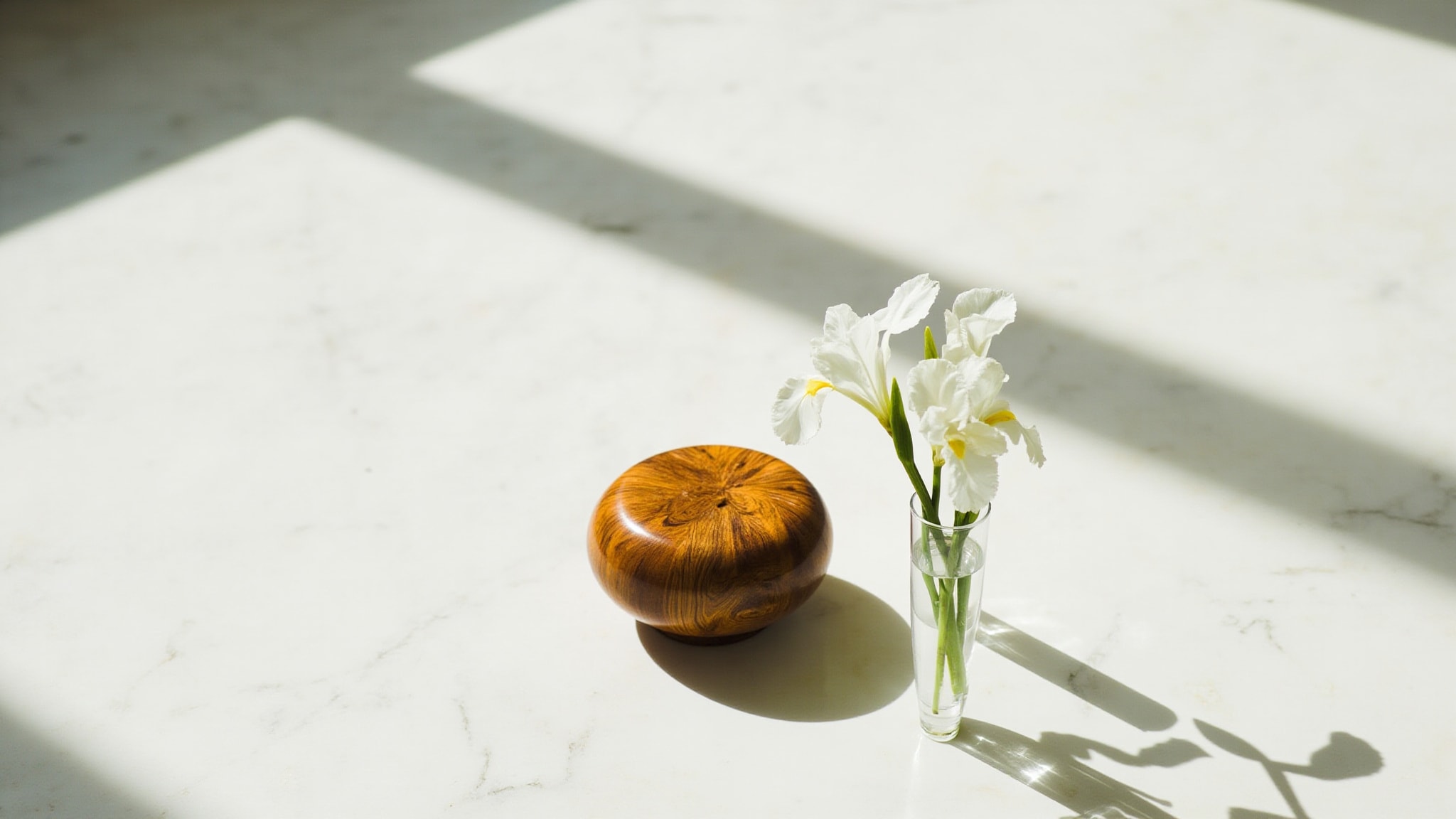
L'Eau Blanche arrived in 2003 as part of IUNX's numbered elemental series, conceived by perfumer Olivia Giacobetti. The brief was simple in name only: translate the quality of whiteness into scent. Not brightness, not cleanliness, the specific elegance of white flowers at the edge of perception. Giacobetti, known for her work with Hermès and her gift for quiet compositions, chose white iris as the structural heart and built outward in light strokes. The result was the ninth numbered scent in the series, each bottle transparent and unadorned, letting the fragrance do the talking that the label never attempted.
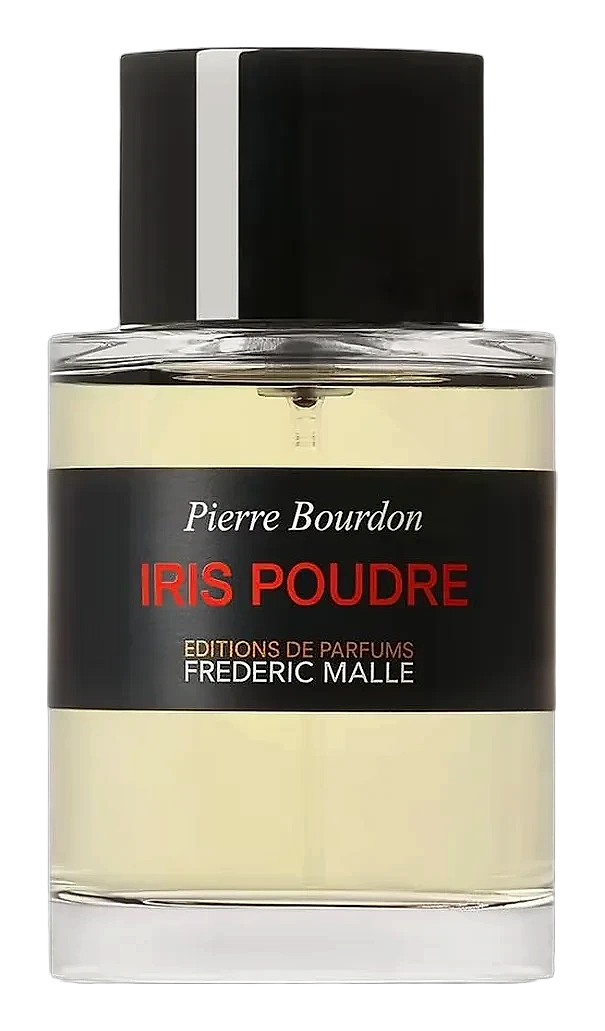
What makes L'Eau Blanche work is the restraint. Iris powder and teakwood could easily overpower each other, one risks clinical coldness, the other warmth that drags the composition earthbound. The composition threads between them instead, using teakwood not as a base but as a counterweight. The powdery quality is the element people consistently return to in reviews: not heavy, not overwhelming, simply present. The wood keeps it honest. The whole structure reads as elegant rather than decorative, an important distinction when the dominant note is as culturally loaded as iris. Giacobetti understood that iris can tip into nostalgia or cosmetics. She pulled it toward clarity instead.
The evolution
The opening announces itself quietly, white iris, slightly cool, a hint of something powdery that feels inevitable rather than dramatic. Within the first hour, teakwood begins to settle beneath the iris, not replacing it but grounding it. The drydown is where this fragrance earns its reputation. The floral component softens while the wood persists, wrapping everything in a warm, woody embrace that holds the powdery iris steady rather than letting it dissolve into nothing. Community reviews describe traces of the scent persisting on fabric long after application, white curtains caught in afternoon light, the kind of detail that lingers in a room without announcing itself. After six to eight hours on skin, a faint trace remains at the wrist: powder softened by wood, intimate rather than present.
Cultural impact
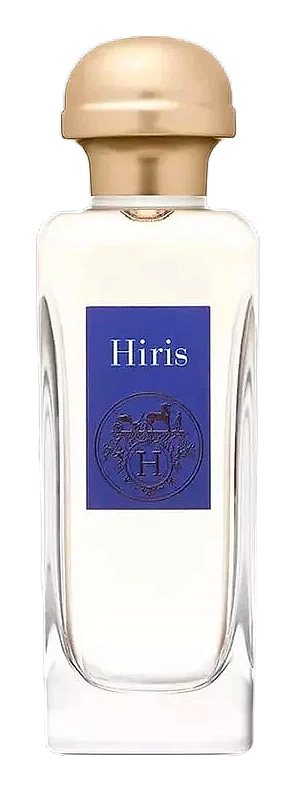
L'Eau Blanche occupies an interesting position in the niche fragrance landscape, a powdery iris composition that refuses to be either precious or clinical. Its discontinuation made it harder to find, which only sharpened its appeal among collectors and those who discovered it secondhand. The fragrance sits alongside works like Hermès Hiris in the canon of serious iris compositions, though its restraint and transparency set it apart from richer, more assertive alternatives.