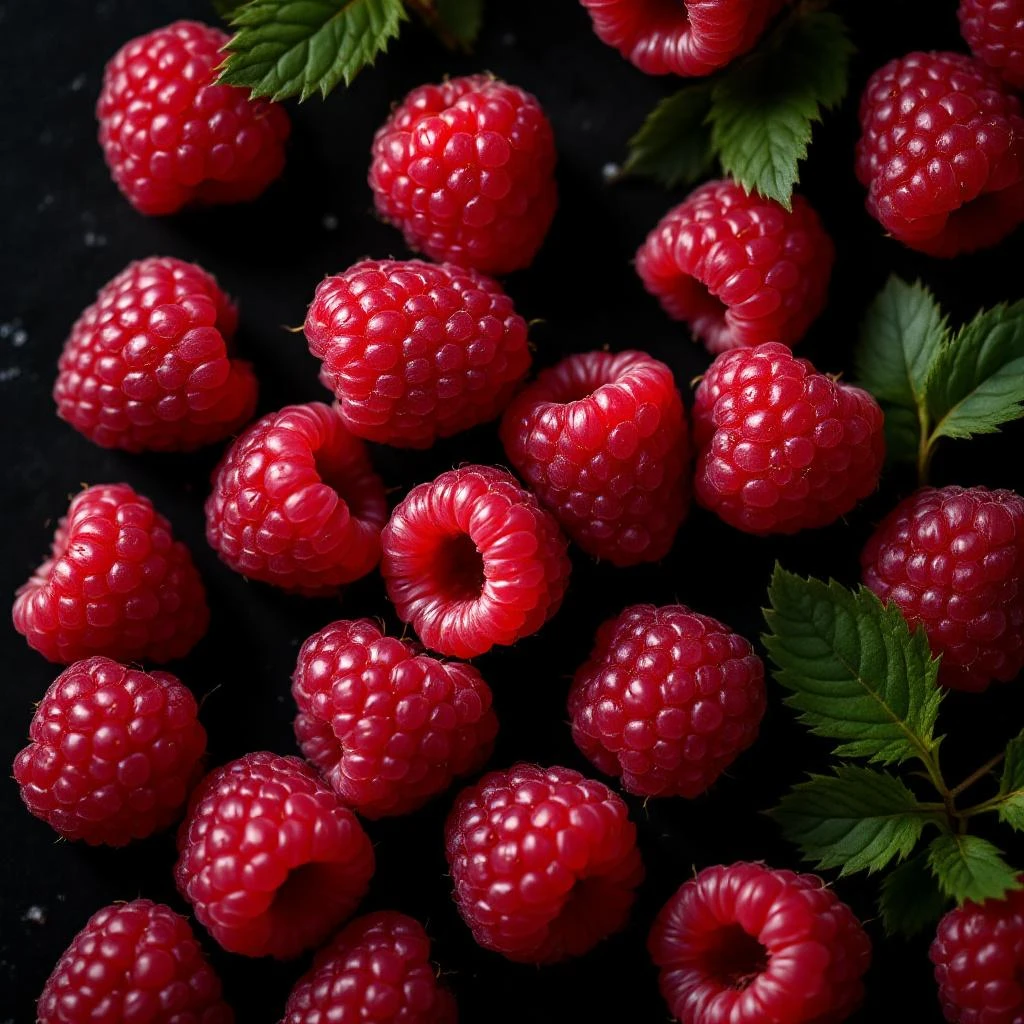
Dried Citrus Fruits
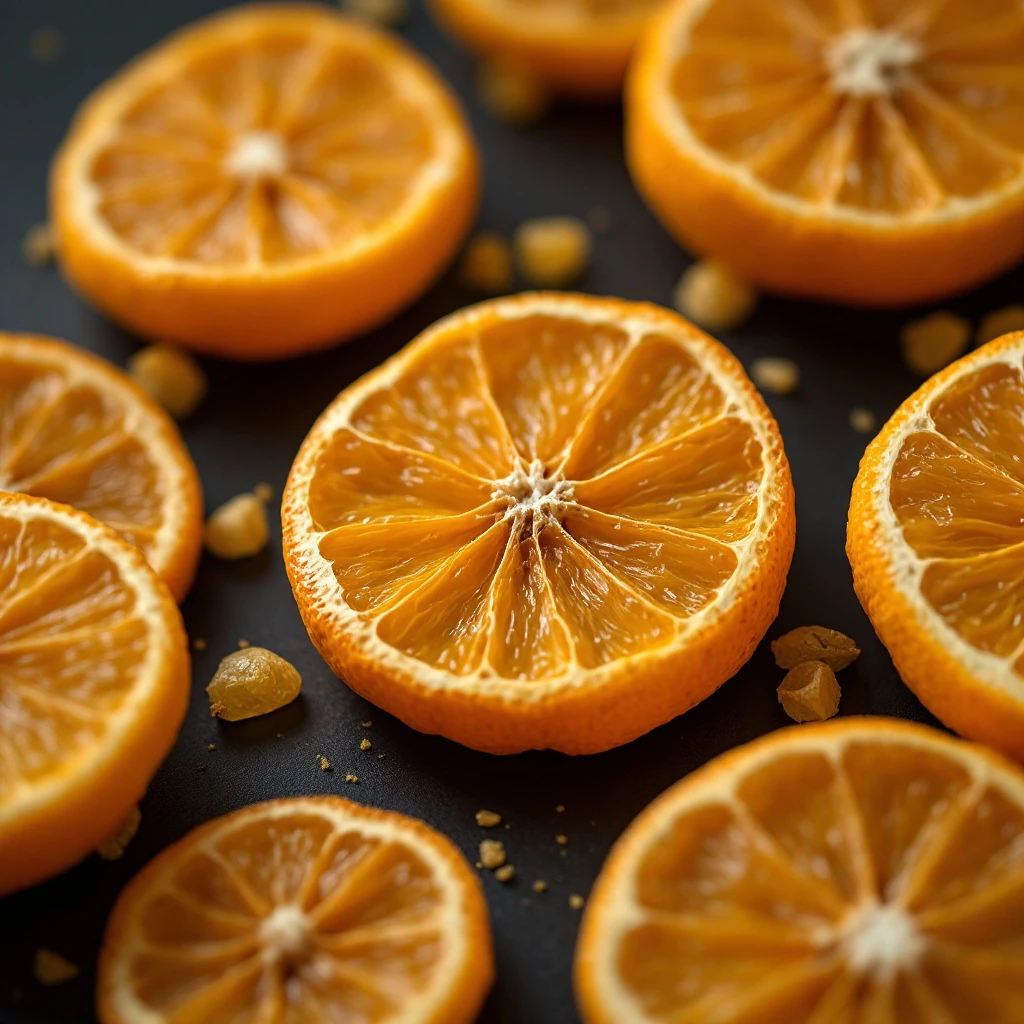
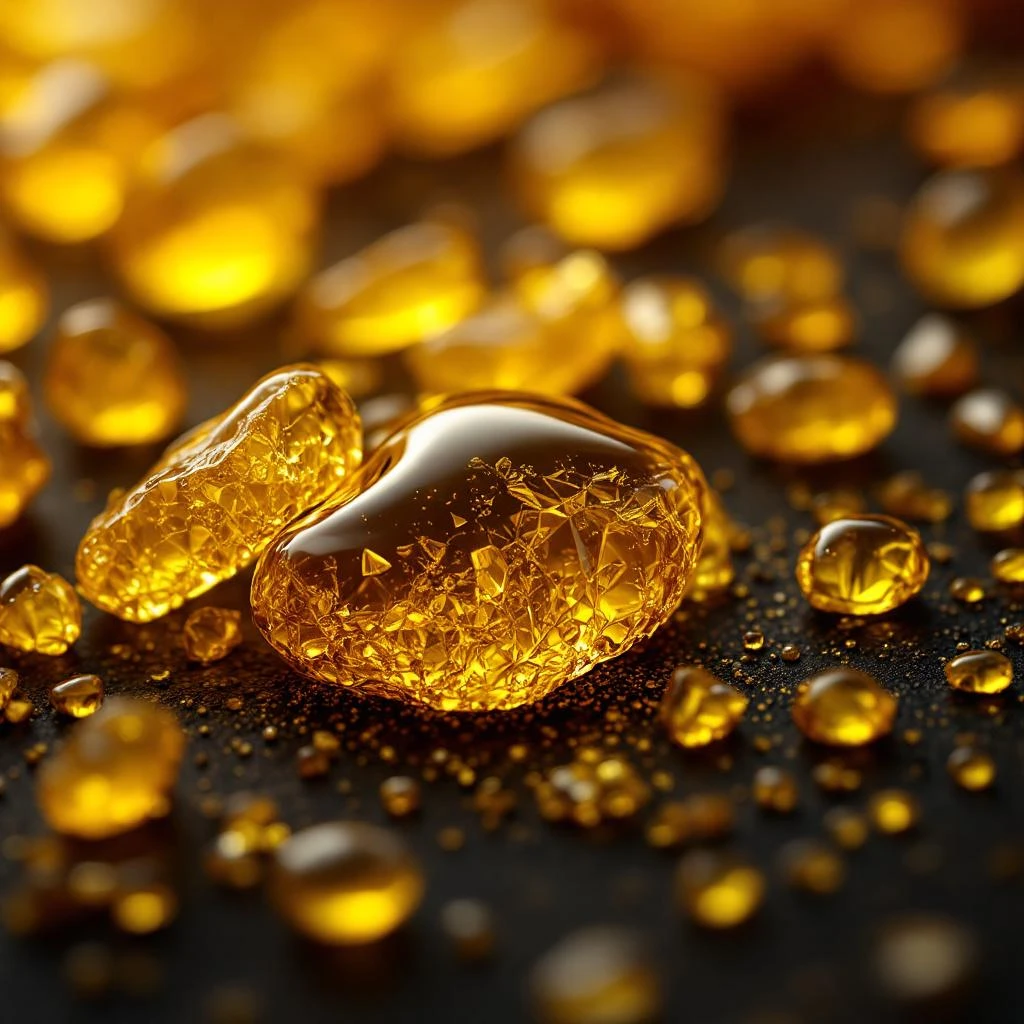
Dried citrus fruits bring sun-warmed depth to perfumery, bridging fresh zest with mellowed, almost candied warmth. These concentrated notes lend compositions a textured opening that feels both bright and grounded.
Character
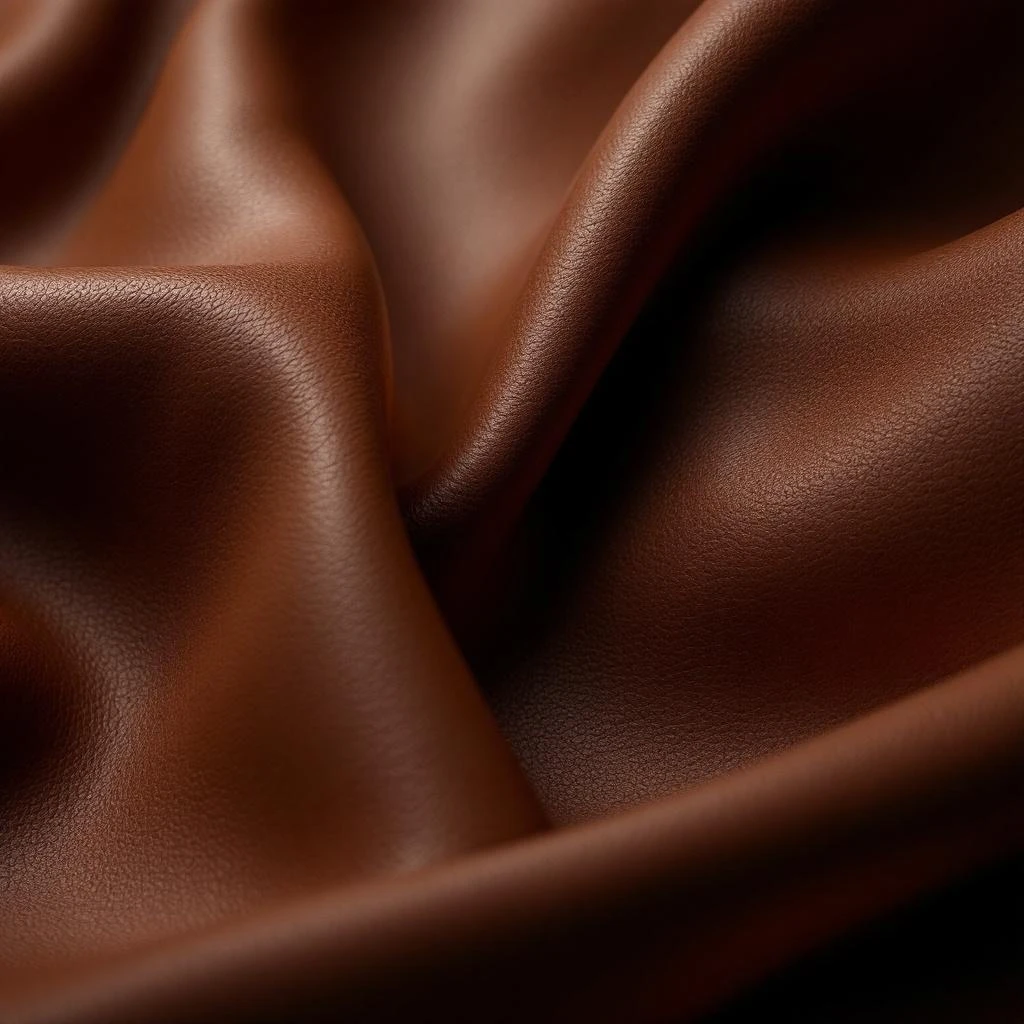
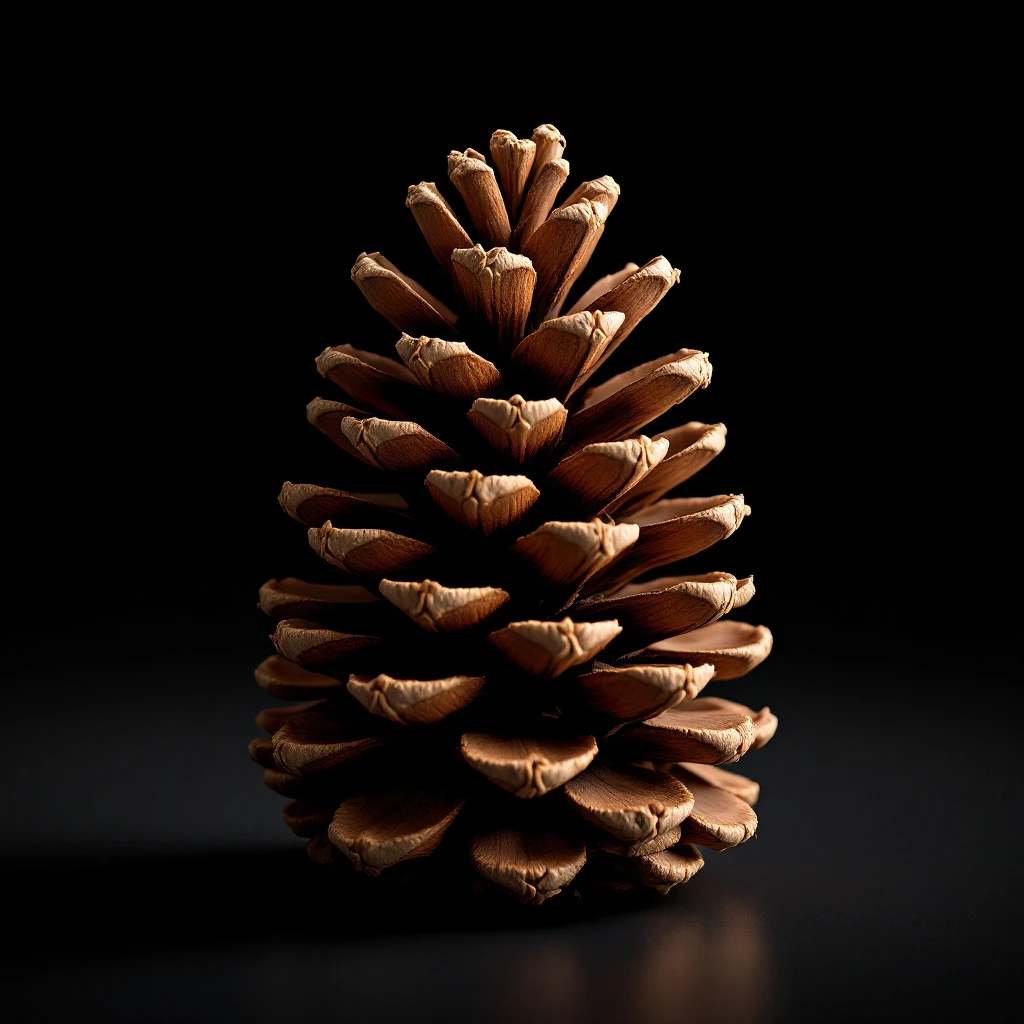
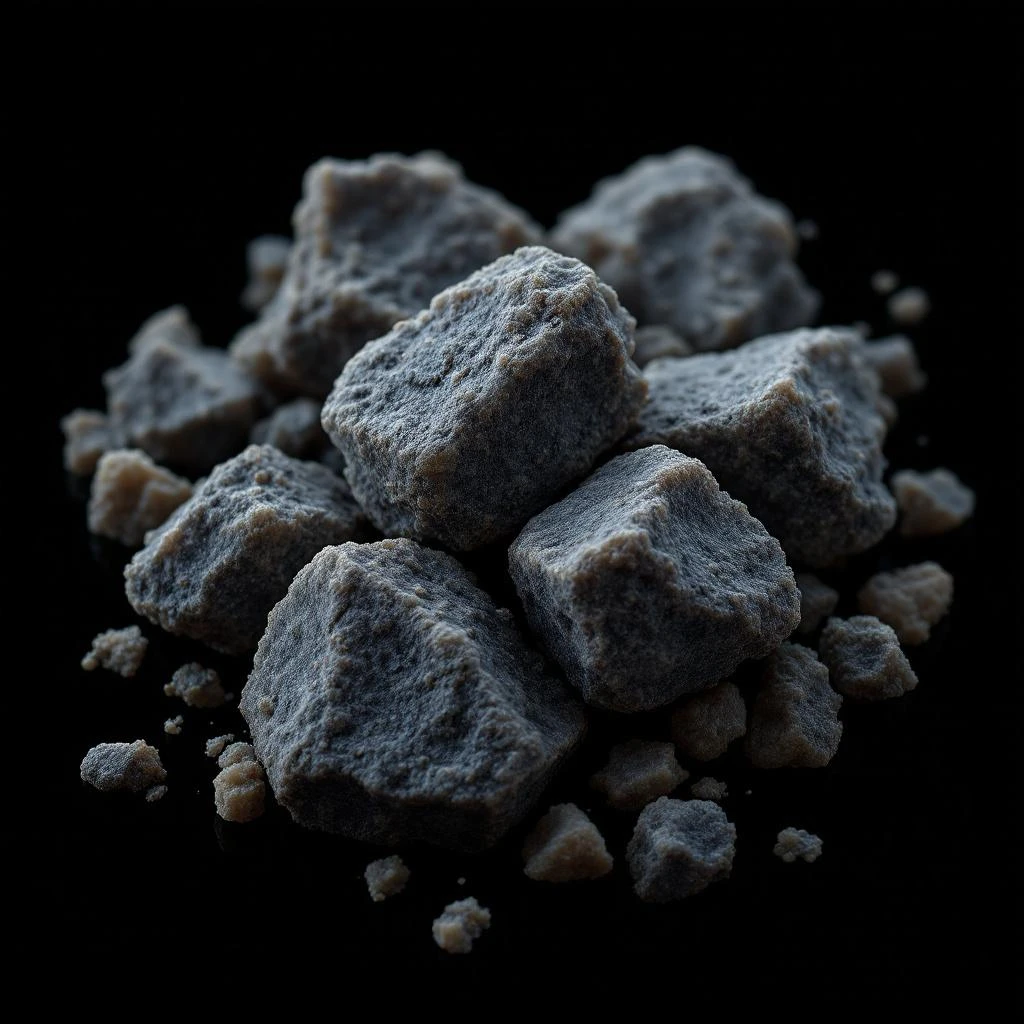
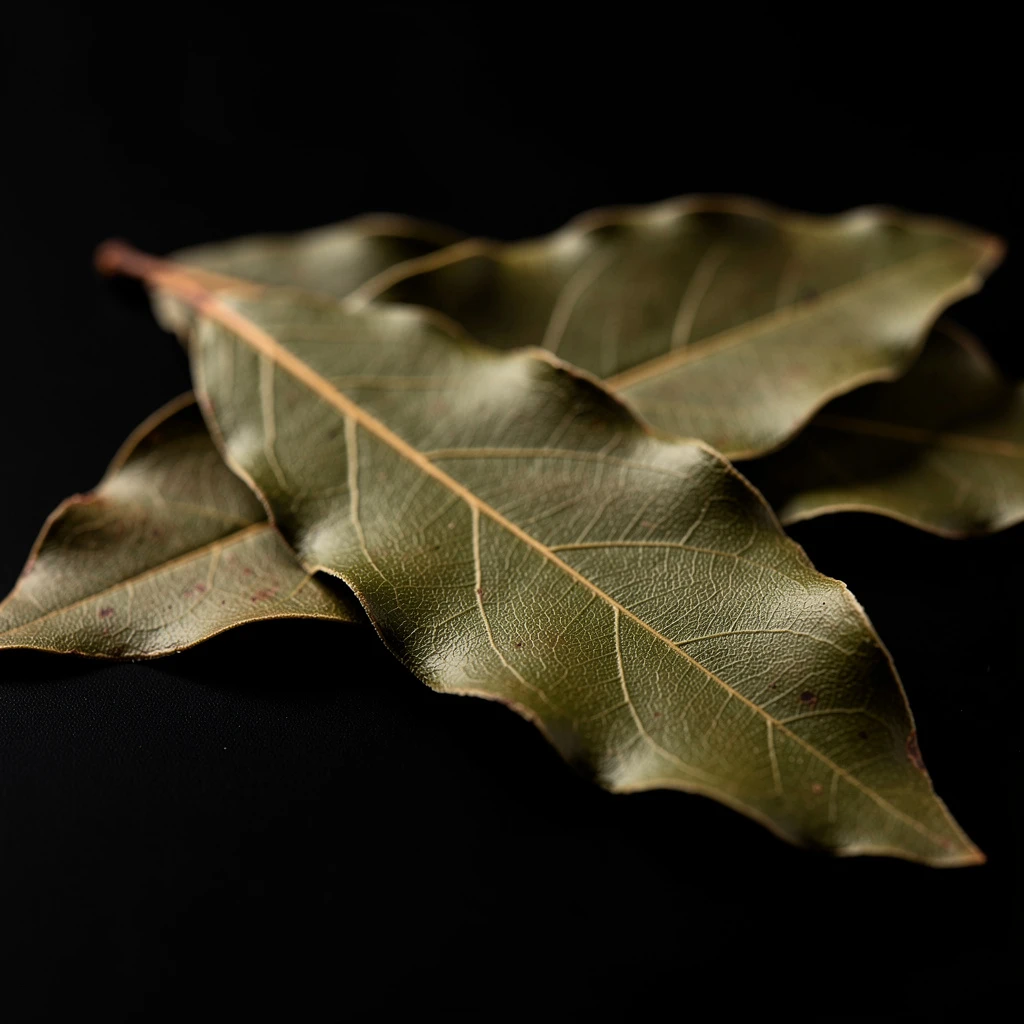
How it smells
Zest meets slow-sunned sweetness
Citrus essential oils are actually a by-product of industrial juice production, meaning the same oranges can fill a glass and a perfume bottle.


Origin
Italy
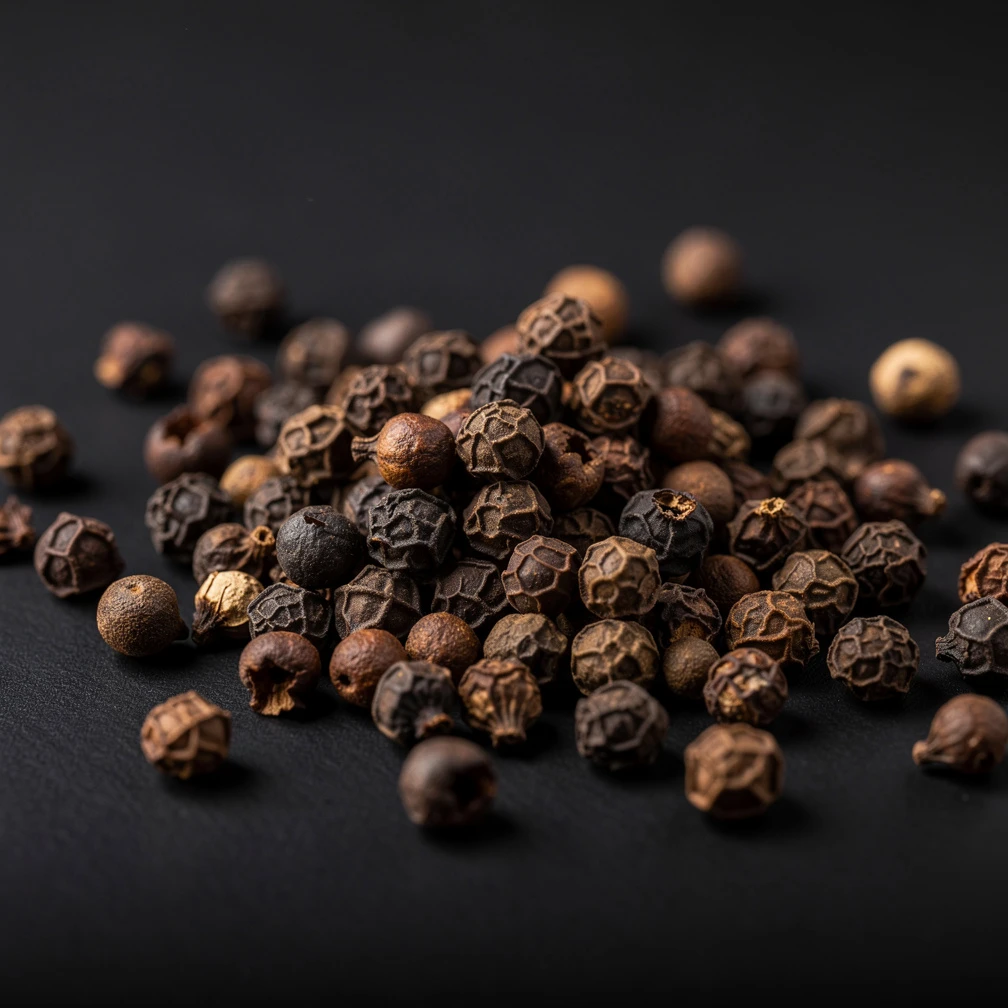
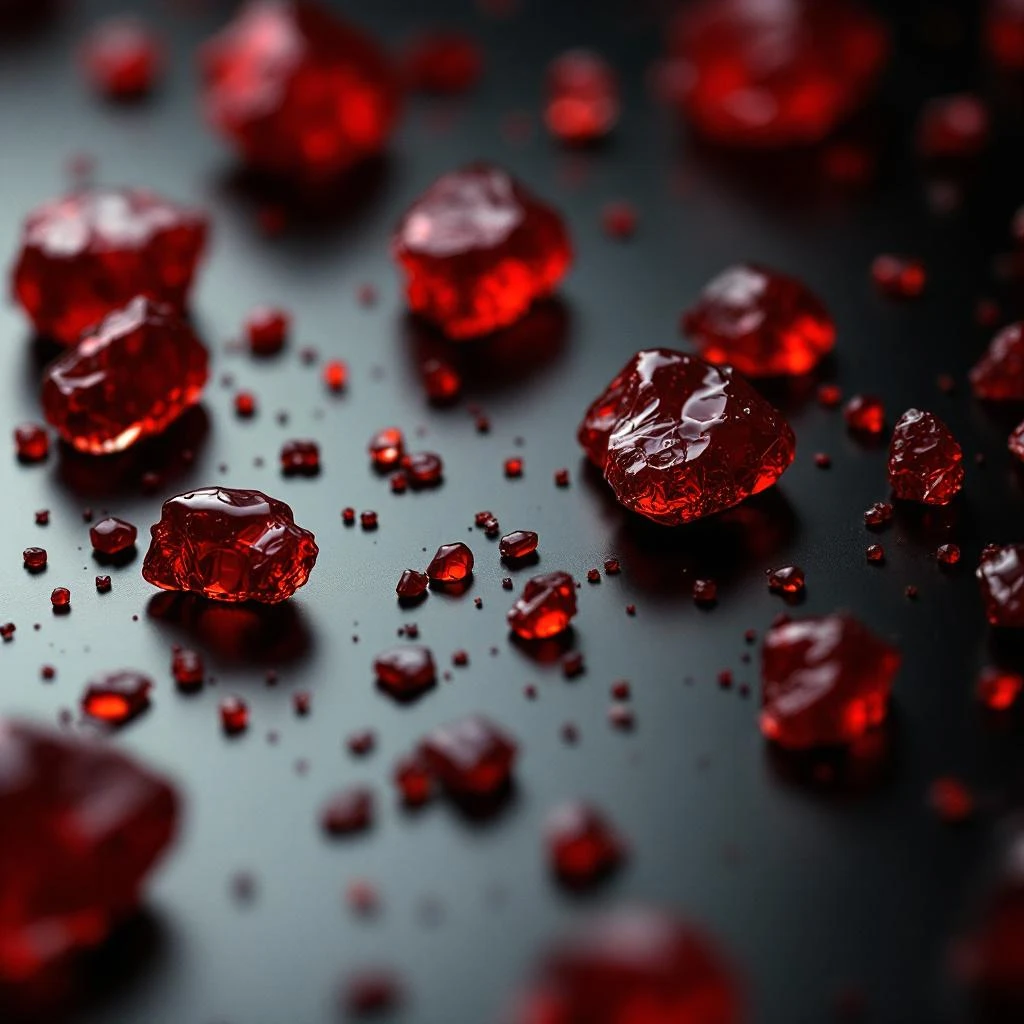
Citrus has anchored Western perfumery since the 18th century, when Italian and Sicilian groves began supplying peel oils across Europe. The term cologne emerged in that same era, referring to fresh, citrus-forward distillates that gained instant popularity for their clean, invigorating profiles.
Sicily pioneered expression techniques during the 1800s, replacing labor-intensive scorze a mano methods where artisans manually scraped peel by hand. Bergamot from Calabria became especially prized, eventually becoming a signature component of eau de cologne formulations.
Dried citrus preparations, however, draw on older traditions: candied peel preservation traces back centuries as a method for capturing fruit character beyond harvest season. Modern perfumers revived these dried preparations to add sweetness and body to compositions that traditional fresh citrus oils could not provide on their own.
Wears it best
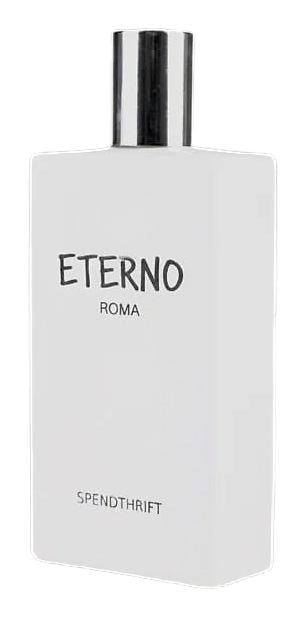
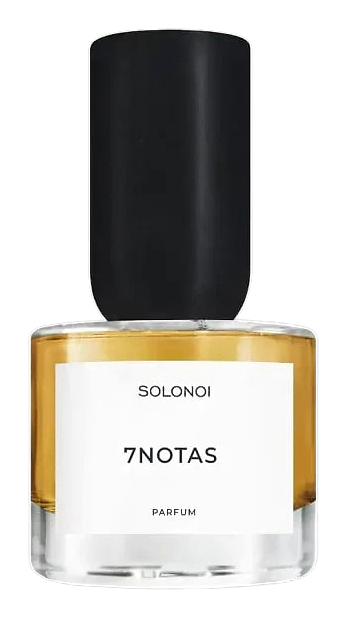
Fragrances featuring Dried Citrus Fruits

Brands
Brands known for Dried Citrus Fruits
Good to know
Questions, answered
The essentials on Dried Citrus Fruits in perfumery: how it smells, where it comes from, and how it behaves on skin.
What does dried citrus fruits smell like in perfume?
Dried citrus fruits offer a warmer, sweeter character than fresh peel, with jammy, honeyed, and slightly resinous qualities. The dehydration process rounds out sharp acidity, leaving concentrated zest notes with candied undertones.
Is dried citrus a natural or synthetic ingredient?
Genuine dried citrus fragrance materials are natural, derived from cold-expressed peel oils or tinctured dried peels. Some modern accords may use synthetic recreations, but traditional sourcing relies on actual citrus fruit processing.
How does dried citrus differ from fresh citrus in fragrance?
Fresh citrus oils are bright, sharp, and volatile, evaporating within minutes. Dried citrus preparations provide longer-lasting sweetness and depth, behaving more like a heart note than a fleeting top note.
What perfumes commonly feature dried citrus fruits?
Amber, gourmand, and oriental compositions frequently incorporate dried citrus for opening sweetness. It also appears in tobacco-heavy fragrances and spiced colognes where candied peel complements warm resin and vanilla bases.
When was citrus first used in perfumery?
Citrus gained prominence in European perfumery during the 18th century, when Italian peel oils became commercially available. The cologne category itself was defined by this fresh, citrus-forward character.
Where is the world's finest citrus for perfumery grown?
Calabria in southern Italy produces most of the world's bergamot, the prized citrus that defines many classic colognes. Sicilian orchards supply substantial lemon and blood orange harvests for aromatic extraction.
How are dried citrus materials made for perfumery?
Citrus peels are mechanically cold-expressed to release essential oils, while whole fruits or peels undergo slow dehydration to concentrate sugars. Dried material may also be tinctured directly in alcohol to capture both volatile and fixed aromatic compounds.
Why are citrus oils a by-product of juice production?
The industrial juice industry processes millions of tons of citrus annually, and peels are separated before pressing. Rather than discarding this material, manufacturers extract the oil, making citrus aromatics economically efficient and widely available.