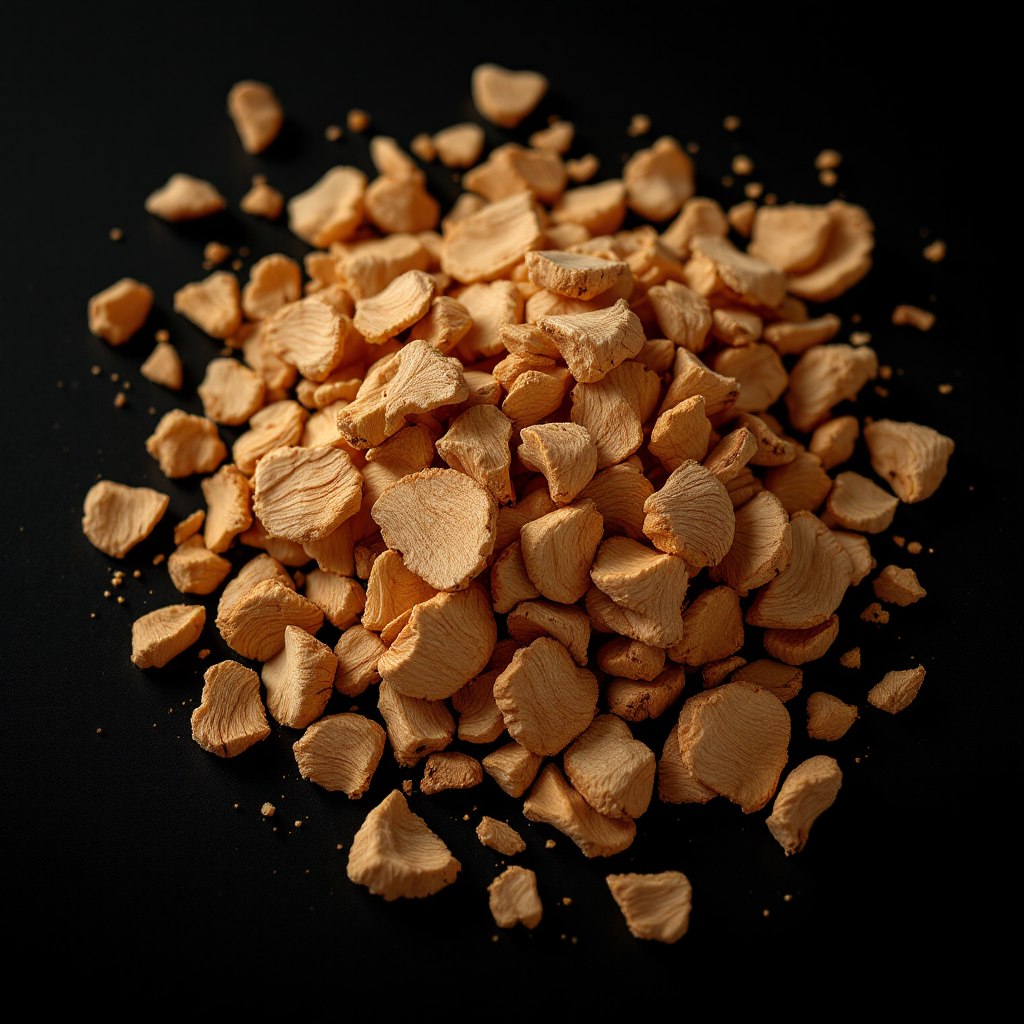
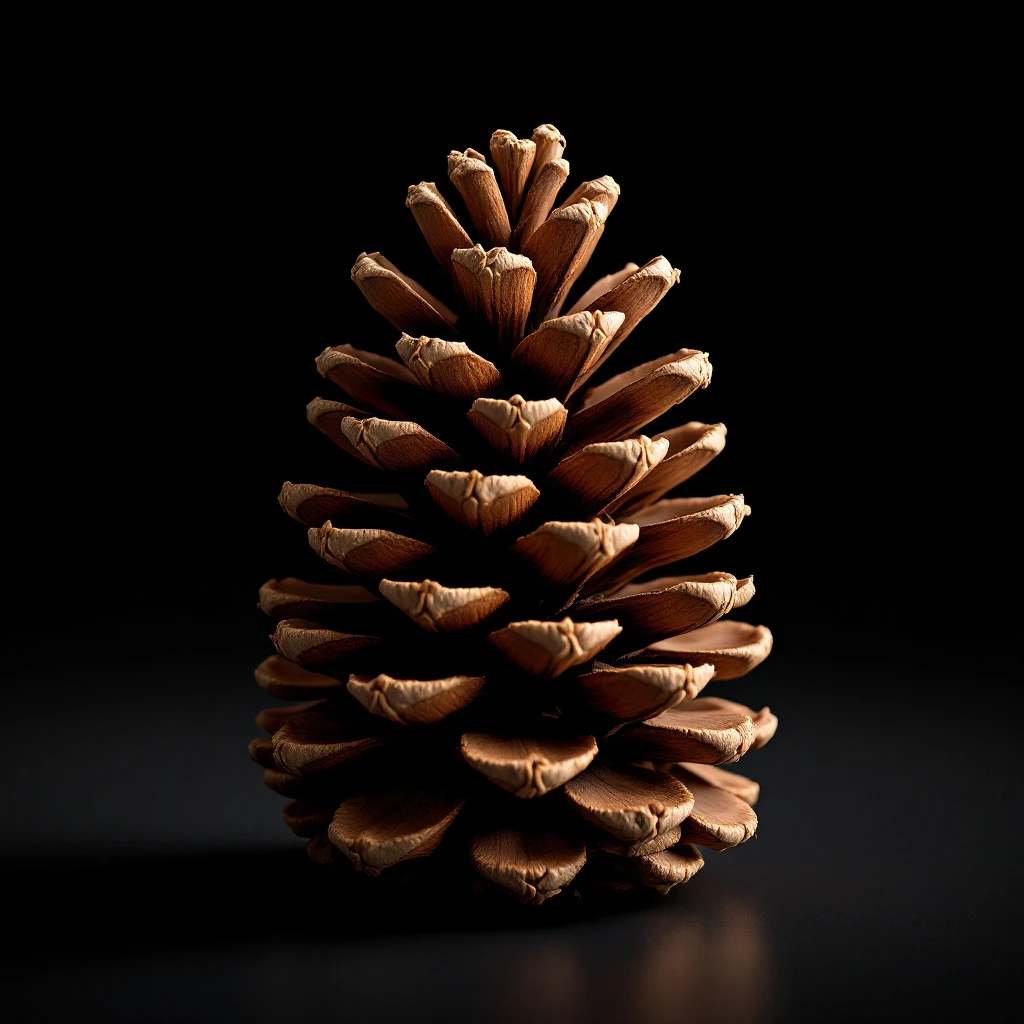
Cypress Cone
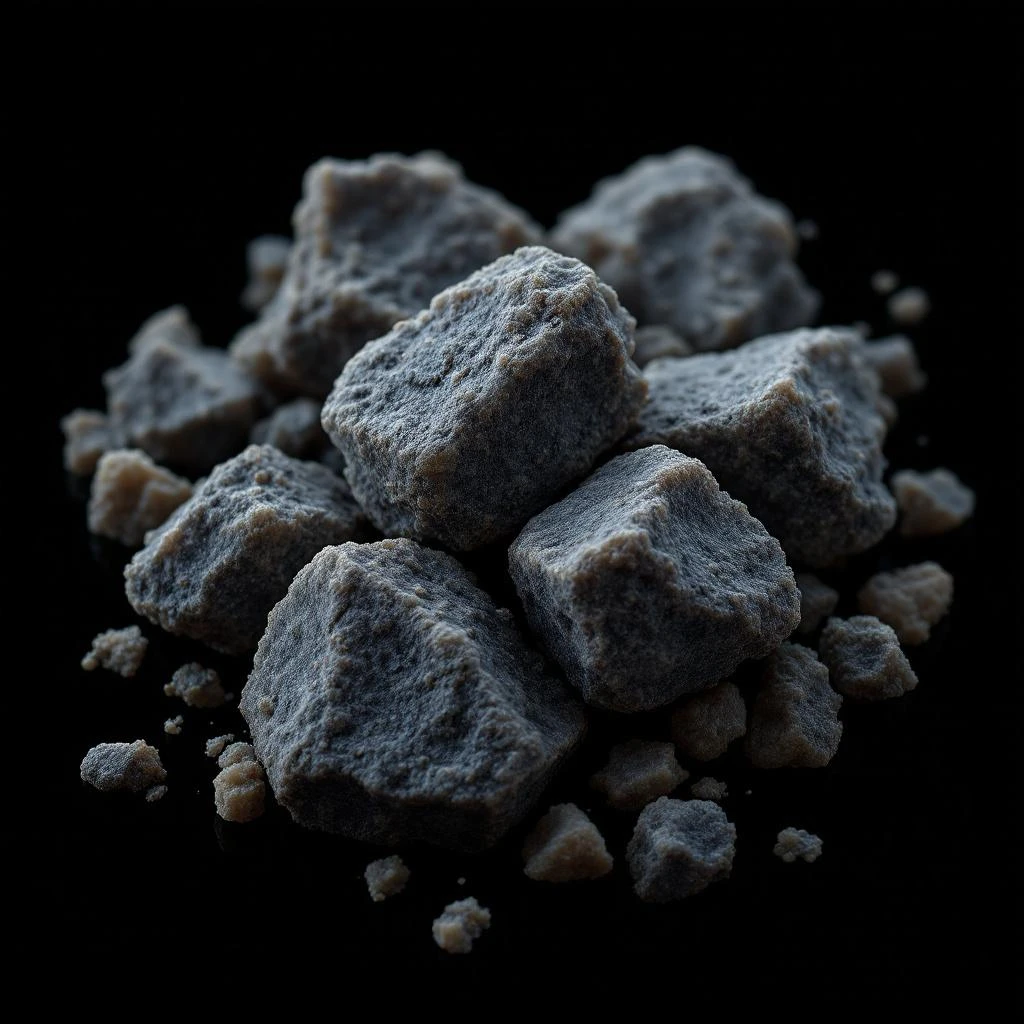
Cypress cone oil captures the resinous, smoky breath of Mediterranean forests. Distilled from the woody fruit clusters of Cupressus sempervirens, this aromatic carries a crisp, evergreen character with subtle bitter-green nuance.
Character
How it smells
Evergreen resin with an ancient backbone
The cypress tree has been cultivated since antiquity. Fossil records show Cupressaceae species thriving 200 million years ago in the Jurassic period.





Origin
France
The cypress tree holds one of the longest continuous relationships with Mediterranean civilization. Cupressus sempervirens appears carved into ancient Assyrian palace reliefs from the 9th century BCE, its conical silhouette marking sacred groves and royal tombs. In ancient Egypt, cypress wood was reserved for sarcophagi and temple doors, prized for its natural resistance to decay, and a perfume production center referenced in early texts operated in the eastern Mediterranean around 4000 BCE.
Greek physicians including Hippocrates recommended cypress resin in fumigations to purify sickrooms. The tree became a symbol of mourning, planted across cemeteries from Rome to the Levant, and its wood was shaped into the chests that preserved scrolls at Herculaneum and Pompeii. During the medieval period, monasteries distilled cypress cones for therapeutic balms, and Italian Renaissance perfumers blended it into pomanders intended to ward off plague.
By the 1800s, French perfumers in Grasse began sourcing cypress from Provençal plantations, incorporating its resinous clarity into colognes and fougère compositions. The ingredient remains a foundational aromatic in masculine and unisex perfumery, valued for the structural backbone it lends to green and aromatic fragrance families.
Wears it best
Fragrances featuring Cypress Cone

Brands
Brands known for Cypress Cone
Good to know
Questions, answered
The essentials on Cypress Cone in perfumery: how it smells, where it comes from, and how it behaves on skin.
What does cypress cone smell like in perfume?
Cypress cone oil presents a fresh, resinous, and slightly smoky aroma with crisp evergreen top notes and a balsamic, woody drydown. The dominant molecules, alpha-pinene and delta-3-carene, give it a clean, forest-like quality often described as aromatic rather than sweet.
Is cypress cone natural or synthetic?
Naturally sourced cypress cone is steam-distilled from the unripe fruit and twigs of Cupressus sempervirens, a Mediterranean evergreen. Synthetic alternatives using isolated terpenes like alpha-pinene exist for cost stability, but most premium perfumers prefer the complexity of the natural distillate.
Where does cypress cone oil come from?
Most commercial cypress cone oil originates in southern France, particularly Provence, where the climate matches the tree's native Mediterranean range. Secondary sources include Spain, Morocco, and Tunisia, all sharing similar calcareous soils and dry summers.
What fragrances commonly use cypress cone?
Cypress cone appears frequently in fougère, aromatic, and woody-green fragrance structures, providing a resinous lift to fresh compositions. It is a standard supporting note in many classic masculine colognes and Mediterranean-inspired scents released since the early 20th century.
How long does cypress cone note last on skin?
As a middle to base note with moderate volatility, cypress cone typically persists four to six hours on skin depending on concentration and supporting ingredients. Its terpene-rich composition makes it less tenacious than heavier resins like frankincense or myrrh.
Is cypress cone the same as cypress wood?
No, they differ. Cypress cone oil is distilled from the unripe green fruit clusters and tender twigs, producing a fresher, brighter aroma. Cypress wood oil, by contrast, comes from aged heartwood and smells deeper, smokier, and more balsamic.
Does cypress cone oil have any safety concerns?
Cypress cone essential oil is generally considered safe at typical perfumery dilutions, though it should be avoided during pregnancy and by individuals with hormone-sensitive conditions due to trace camphor content. A standard patch test is recommended for those with sensitive skin.
Why is cypress associated with mourning in ancient cultures?
Cypress became a symbol of mourning across Mediterranean civilizations because its evergreen foliage and decay-resistant wood suggested permanence beyond death. Ancient Greeks and Romans planted it in cemeteries, and the association persists in Mediterranean funerary tradition today.