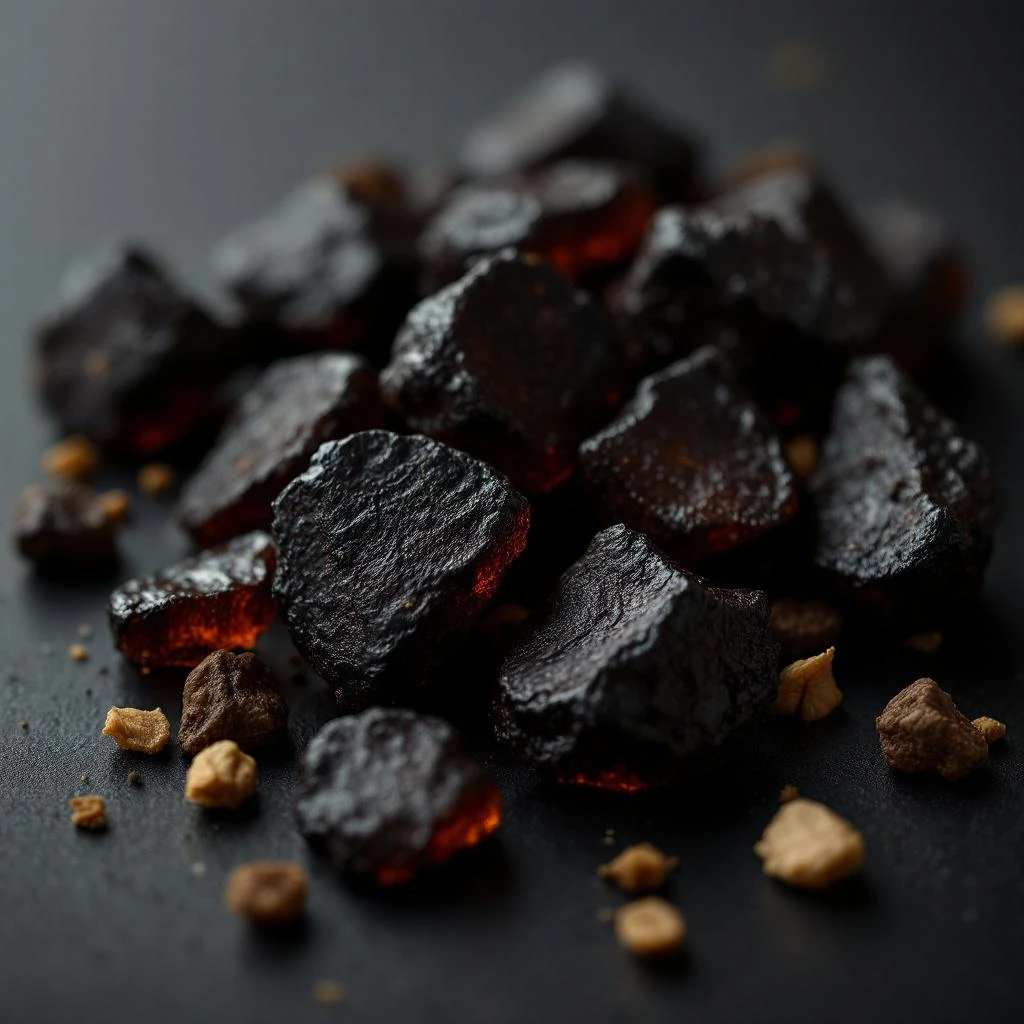
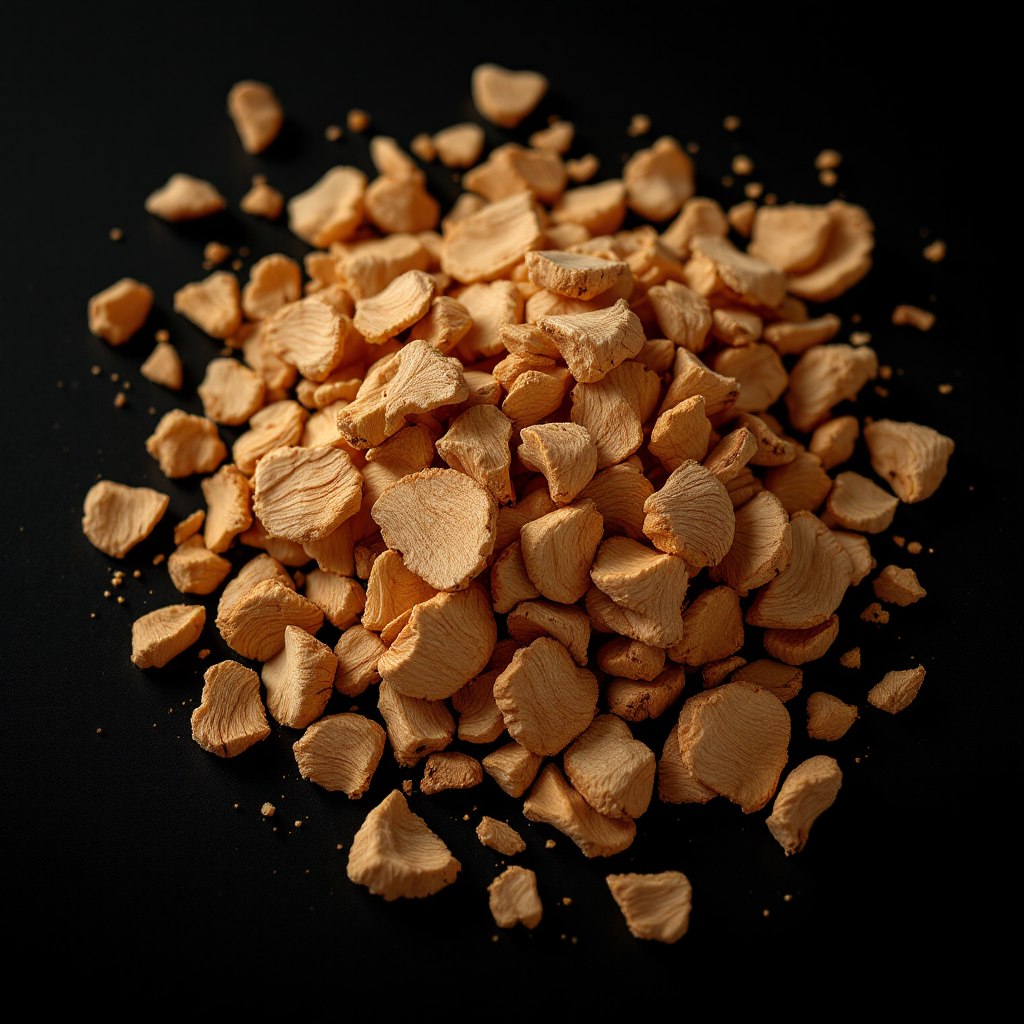
Dreamwood
Dreamwood delivers a creamy, warm wood note that echoes the legendary Mysore sandalwood, yet arrives from a lab‑grown source, offering perfumers a consistent, eco‑friendly alternative.
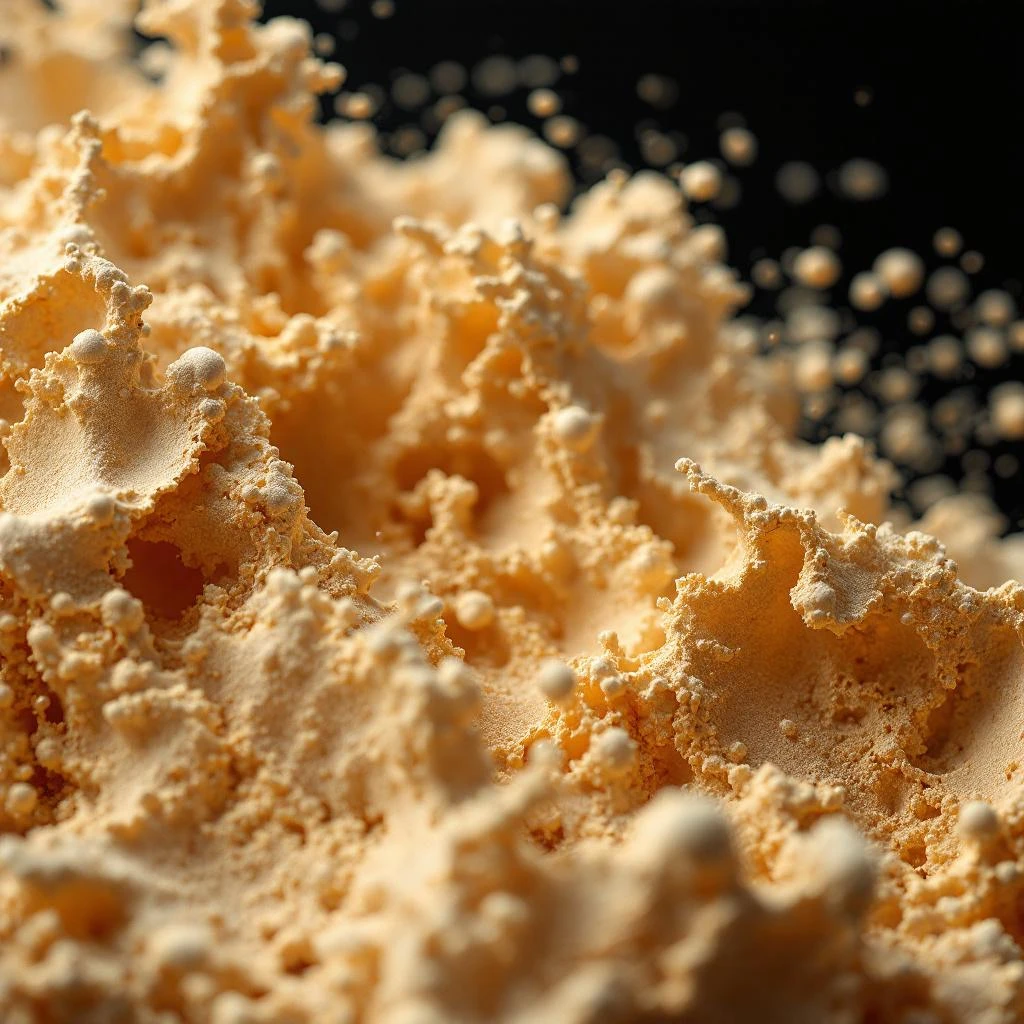
Character
How it smells
Creamy sandalwood warmth, sustainably engineered.
Dreamwood is the first white‑biotech sandalwood note that can be produced without harvesting a single tree, yet it matches the milky richness of Mysore sandalwood in blind tests.






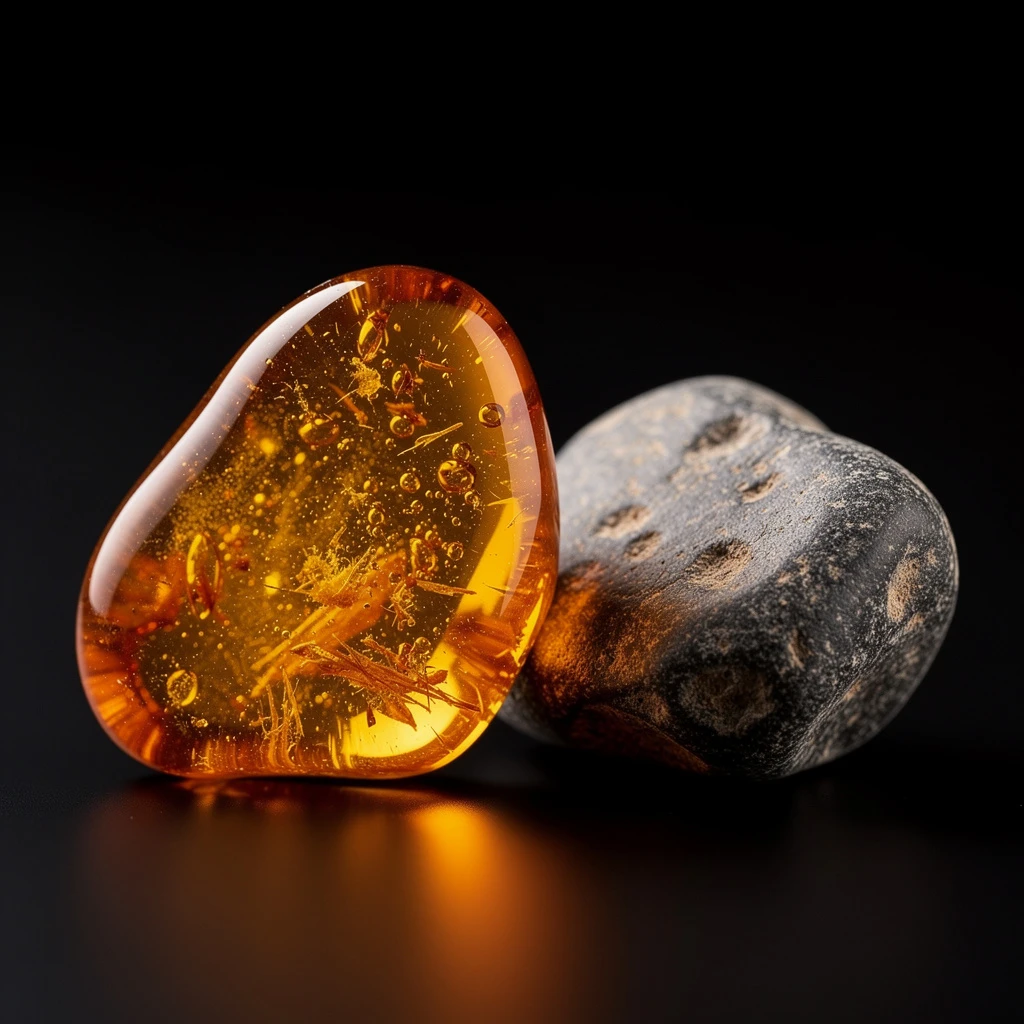


Origin
India
Sandalwood has scented temples and courts for centuries, with Mysore sandalwood prized for its creamy, milky aroma and protected by Indian law since the early 1900s. Over‑extraction drove prices skyward, prompting the fragrance industry to search for alternatives. Firmenich launched its biotech program in 2014 with Clearwood, a patchouli‑style note, and expanded it in 2020 with Dreamwood, its fourth white‑biotech ingredient.
By recreating the key scent molecules in a lab, Dreamwood preserves the cultural legacy of Mysore sandalwood while addressing ecological concerns. The launch marked a shift from fossil‑based synthesis toward renewable, bio‑derived perfumery ingredients, a move that continues to shape modern fragrance creation.
Wears it best
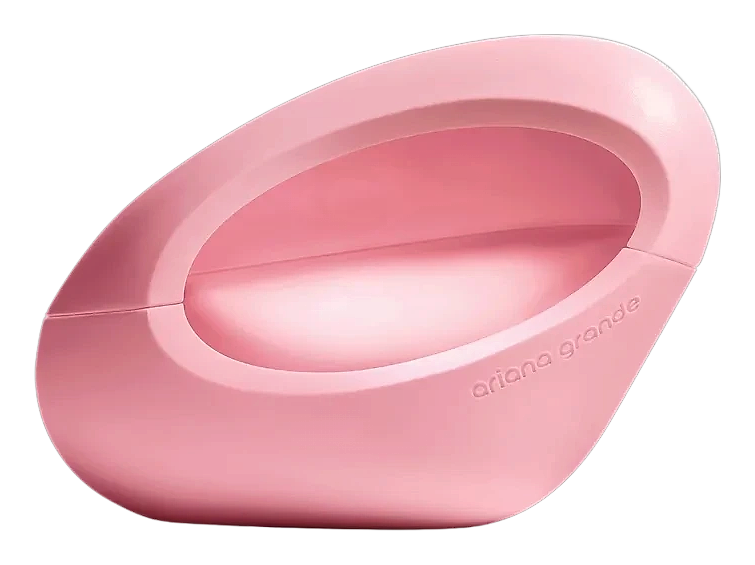
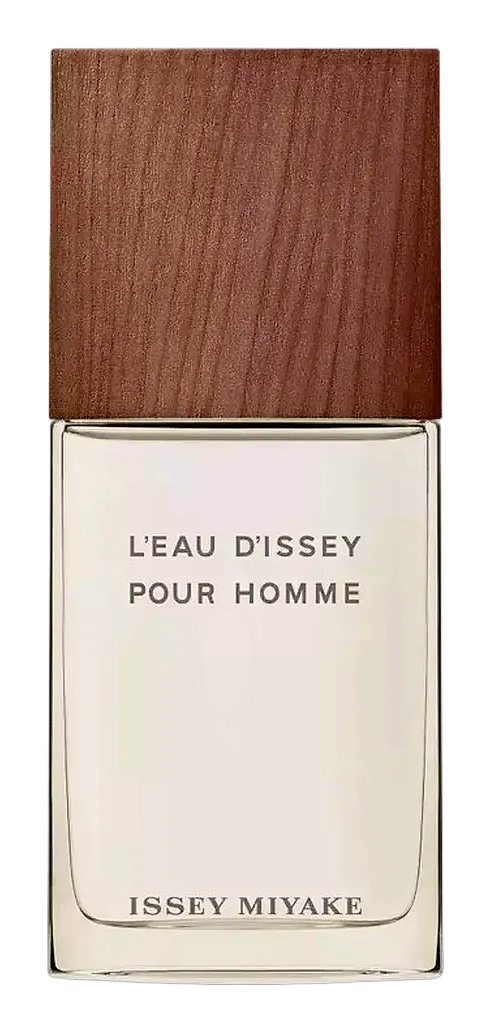
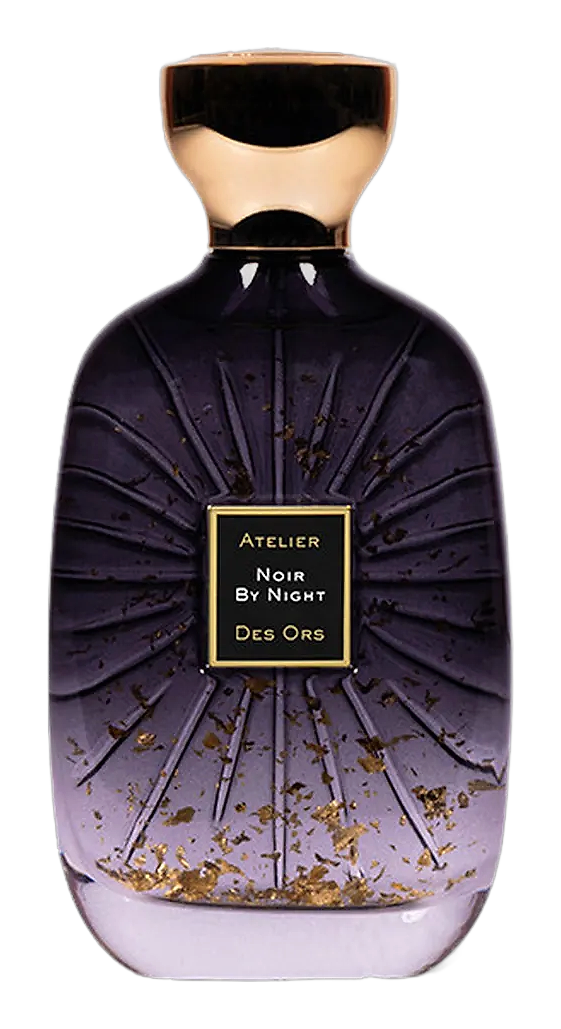
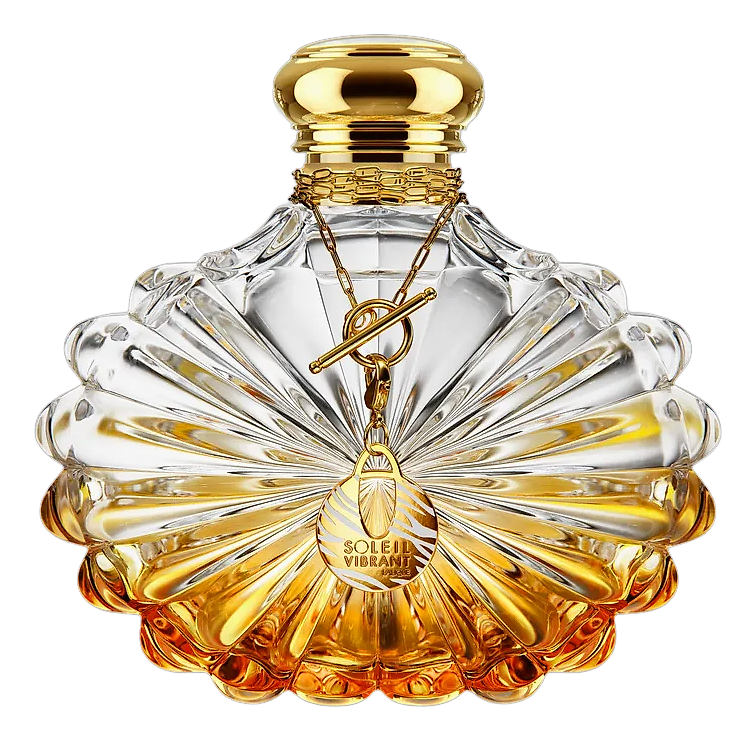
Fragrances featuring Dreamwood
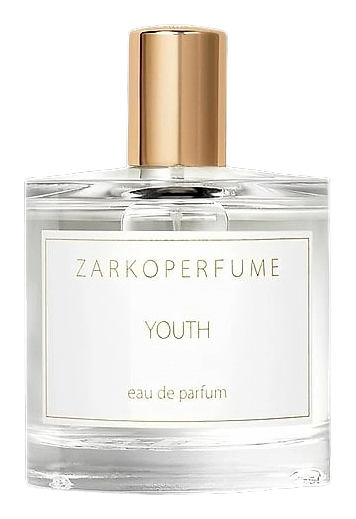
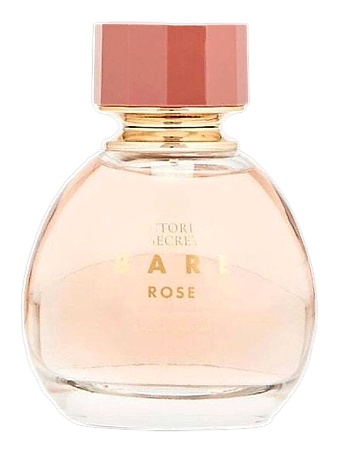
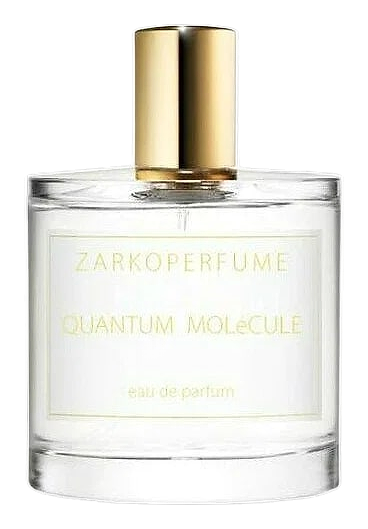
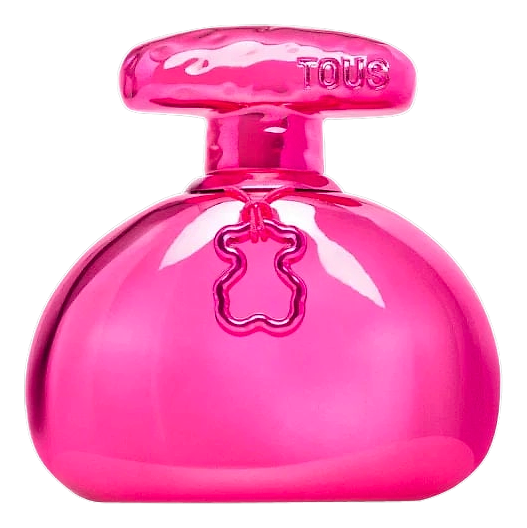
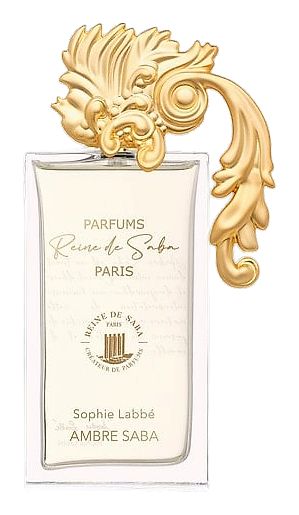
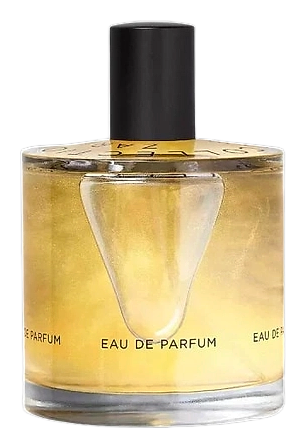
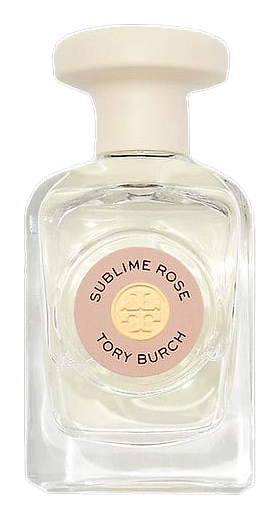
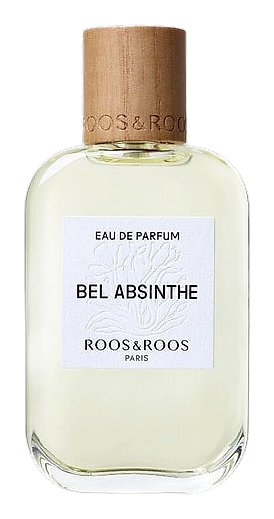
Brands
Brands known for Dreamwood
Good to know
Questions, answered
The essentials on Dreamwood in perfumery: how it smells, where it comes from, and how it behaves on skin.
What is Dreamwood?
Dreamwood is a biotech‑derived sandalwood note that mimics the creamy warmth of Mysore sandalwood. It was launched by Firmenich in May 2020 as a sustainable alternative to natural oil.
How is Dreamwood produced?
Dreamwood originates from a genetically modified yeast that ferments sugars into a santalol‑like molecule. A single 1,000 L batch yields about 1.2 kg of purified ingredient, which is then isolated by chromatography.
What scent profile does Dreamwood provide?
Dreamwood offers a milky, creamy wood aroma with soft amber undertones and a lingering warm finish. In blind panels it scored within five points of natural Mysore sandalwood on a 100‑point scale.
Is Dreamwood sustainable?
Yes, Dreamwood uses renewable feedstocks and avoids tree harvesting, cutting its carbon footprint by roughly 50 % compared with traditional sandalwood oil. The process also reduces water consumption by an order of magnitude.
How does Dreamwood compare to natural Mysore sandalwood?
Dreamwood matches the core creamy warmth of Mysore sandalwood while delivering consistent purity batch‑to‑batch. Laboratory analysis shows identical key sesquiterpene ratios, but with a lower level of natural variability.
When was Dreamwood introduced?
Dreamwood entered the market in May 2020 as Firmenich’s fourth white‑biotech ingredient. Its launch followed the 2014 introduction of Clearwood, the company’s first biotech note.
What cosmetic benefits does Dreamwood offer?
Dreamwood provides skin‑conditioning benefits by forming a light, occlusive film that reduces transepidermal water loss. Clinical tests recorded a 12 % improvement in skin hydration after four weeks of use.
Can Dreamwood be used in natural fragrance formulations?
Dreamwood qualifies as a natural‑origin ingredient under most eco‑certification schemes because it is produced by fermentation of renewable sugars. It integrates seamlessly with botanical extracts in clean‑beauty lines.