The Story
Why it exists.
The beginning
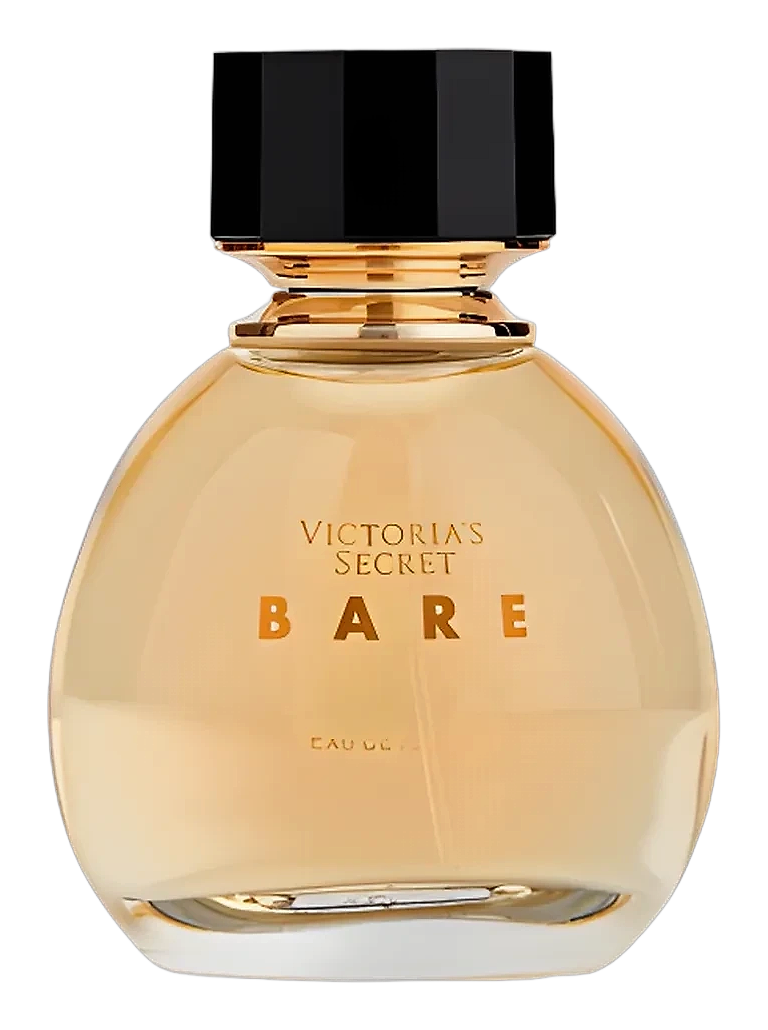
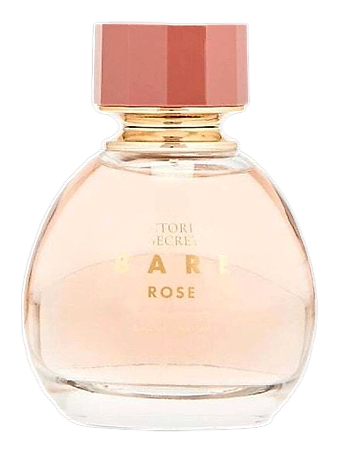
Victoria's Secret, founded in 1977, blends American lingerie heritage with accessible luxury fragrances crafted at Givaudan's Paris lab. For 2023, the brand sought to expand its floral lineup, commissioning Givaudan's Frank Voelkl to reinterpret Bare Rose. The goal was to create a rose fragrance that felt modern and effortless, using materials that could deliver warmth without heaviness. Voelkl drew on the brand's legacy of approachable sensuality, building a scent around the idea that a rose need not announce itself to be felt.
Bare Rose uses rose as its emotional center but does not rely on it alone to carry the fragrance. The pear opening adds an element of freshness that makes the rose feel approachable and modern rather than nostalgic. Dreamwood in the base contributes warmth that rounds out the florals, while cedarwood ensures structural integrity in the final hours. The result is a fragrance designed for daily intimacy, one that a wearer can apply generously without it ever becoming overwhelming.
The evolution
The fragrance begins with a fresh, crisp pear note that gives it immediate brightness without aggression. This is not a green or tart pear, but a ripe, sweet one that feels like morning light. As it fades, rose takes over the center stage, presenting itself as a velvety, modern bloom. The heart is not a heavy, old-school rose, but a soft one that whispers. The drydown arrives gradually, introducing Dreamwood as a creamy, warm presence, then layering clean musk and cedarwood that together create a skin-like intimacy with a dry, woody undertone. The entire arc moves from brightness to softness to warmth, and the transitions feel natural rather than abrupt.
Cultural impact
Since its 2023 debut, Bare Rose has become a go‑to spring scent for many who crave a fresh, feminine vibe without overwhelming sweetness. Wearers often note its ability to attract compliments in casual settings, positioning it as a reliable, everyday floral that bridges the gap between high‑end rose perfumes and budget‑friendly department‑store offerings.
The House
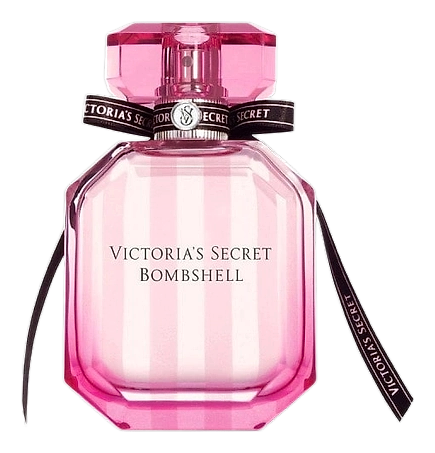
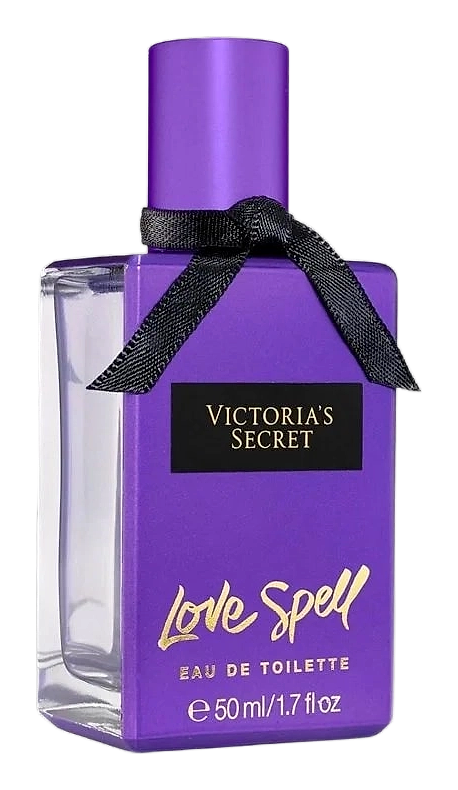
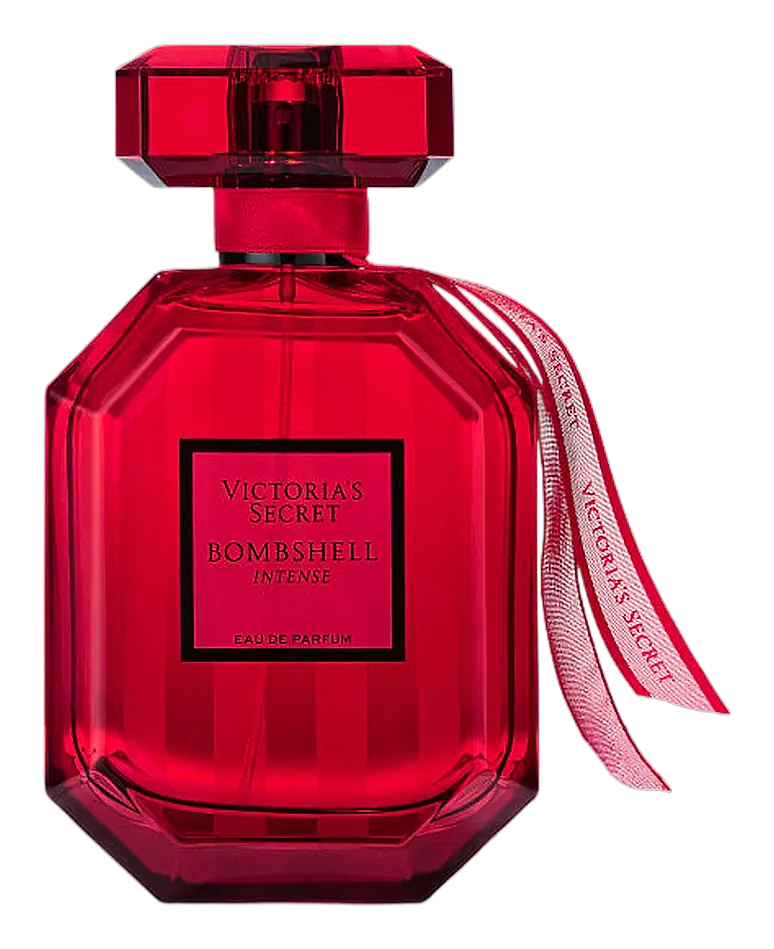
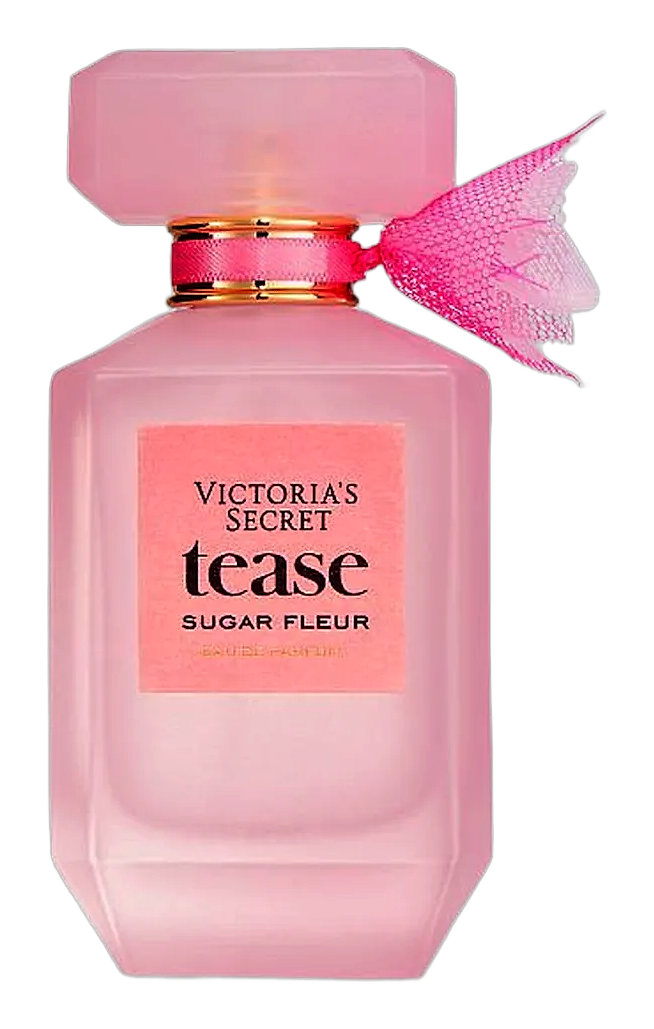
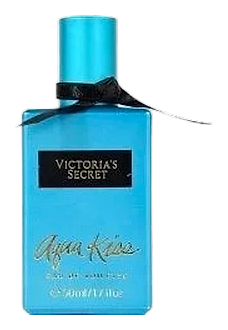
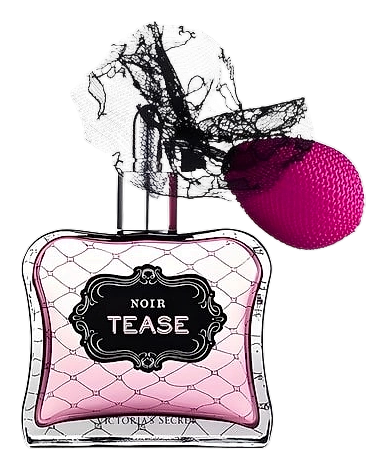
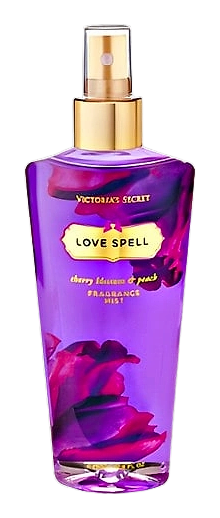
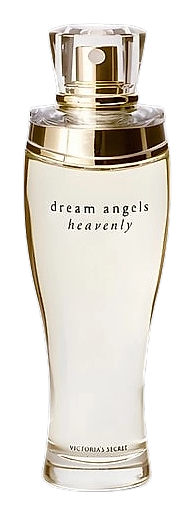
Victoria's SecretVictoria's Secret began as a San Francisco lingerie company founded in 1977 by Stanford graduate student Roy Raymond and his wife Gaye. The brand entered fragrance in 1989, launching its first perfume Victoria as part of a national magazine campaign. By the early 1990s, the company had grown to 350 stores nationwide with estimated sales of $1 billion. The beauty division grew substantially enough to generate nearly $1 billion in sales by 2006. Victoria's Secret fragrances are developed through Givaudan's Paris laboratory, the same fragrance house behind perfumes for Tom Ford, Prada, and Louis Vuitton. The brand works with a rotating roster of over 30 perfumers rather than a single in-house nose, creating scents for its Dream Angels, Very Sexy, Body, and Pink collections. Popular fragrances include Bombshell, Love Spell, Tease, and Heavenly, which ranked as the top-selling fragrance in the United States by both revenue and volume from 2005 to 2010. Victoria's Secret has won 20 Fragrance Foundation awards since 2001. The company offers fragrances alongside perfumed body care products including body mists, body lotions, and eau de parfum in various formats.
The Creator
Frank VoelklVoelkl's style is characterized by a certain versatility. He's demonstrated a knack for both clean, minimalist compositions and richer, more complex blends.