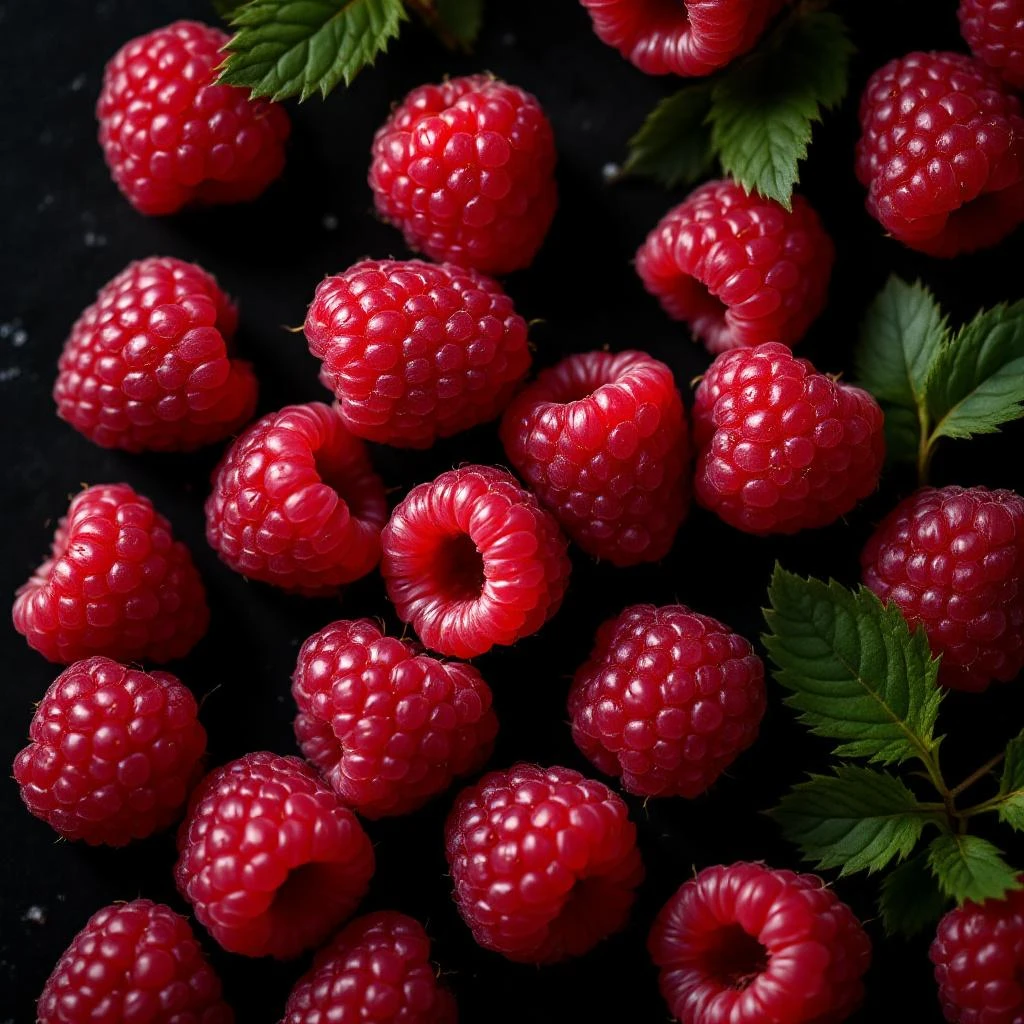
Chilean Cherry
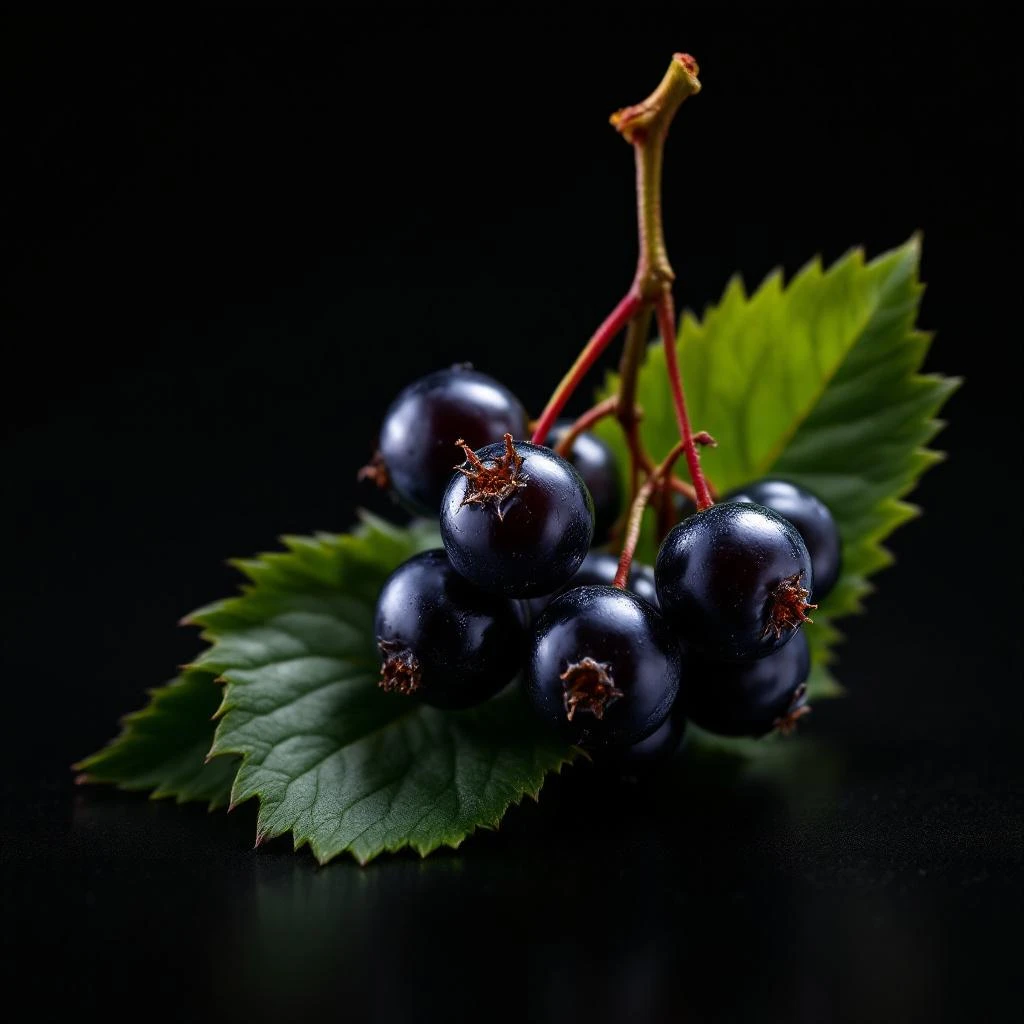
Chilean Cherry brings a tart, candy-sweet lift to perfumery, capturing the bright snap of ripe fruit against a softly jammy backdrop. Native to South America's temperate wilds, it adds a vivid, almost edible sparkle to modern compositions.
Character
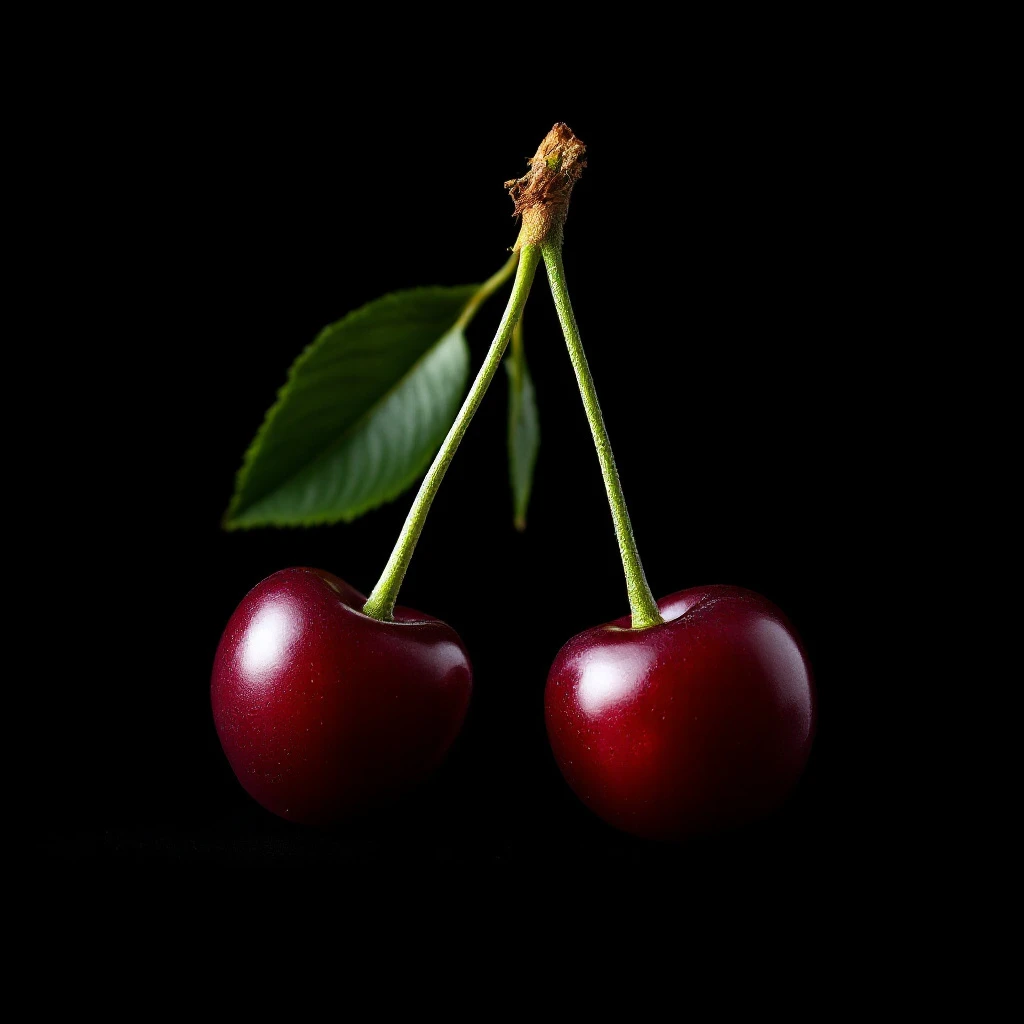
How it smells
Wild cherry brightness with a tart, jammy edge
True cherry scent in perfumery is almost always built synthetically; the fruit yields almost no usable essential oil through traditional extraction.






Origin
Chile
Cherries have appeared in European perfumery records since the 18th century, but always as a fleeting fantasy note, never a stable ingredient. The breakthrough came in the 1870s when chemists isolated benzaldehyde from bitter almond oil, discovering the molecule responsible for that characteristic cherry-almond sweetness. This single compound unlocked the possibility of cherry accords in fragrance.
By the early 20th century, Parisian perfumers were blending benzaldehyde with fruity esters and vanillin to create gourmand-style compositions. Chilean cherry varieties, particularly those growing wild in the Andean foothills and Patagonian valleys, gained attention in the late 20th century as sustainability-focused houses began exploring regional botanicals. The modern natural perfumery movement, championed by independent chemists and upcycling projects, has since turned to discarded cherry byproducts from the food industry, transforming juice-press waste into aromatic material.
Today, Chilean Cherry sits at the intersection of botanical sourcing and molecular reconstruction, a note built from both nature and laboratory craft.
Wears it best
Fragrances featuring Chilean Cherry
Brands
Brands known for Chilean Cherry
Good to know
Questions, answered
The essentials on Chilean Cherry in perfumery: how it smells, where it comes from, and how it behaves on skin.
What does Chilean Cherry smell like in perfume?
Chilean Cherry delivers a tart-sweet aroma with jammy fruitiness and a faint bitter-almond edge. It reads brighter and more acidic than maraschino-style cherry accords, lending compositions a crisp, edible lift.
Is Chilean Cherry a natural or synthetic note?
Most cherry notes are built synthetically using benzaldehyde and supporting fruity esters. Some houses offer natural versions from upcycled cherry pomace via CO2 extraction, though yields are extremely low.
Why is cherry hard to extract naturally?
Cherries are roughly 82% water with minimal volatile oil content. Traditional steam distillation yields almost nothing usable, which is why perfumers have relied on molecular reconstruction since the 1870s.
Which fragrance families use Chilean Cherry?
Chilean Cherry appears most often in gourmand compositions, fruity florals, and modern fougères. Its tart brightness also supports chypre bases where a juicy, edible nuance is desired.
Where does Chilean Cherry originate?
Wild and cultivated cherry varieties grow across Chile's central valleys and Patagonian regions. The species thrives in temperate Andean foothills, producing intensely tart fruit prized for juice production.
Is Chilean Cherry sustainable for perfumery?
Yes when sourced as upcycled pomace from juice manufacturing. This approach uses discarded fruit waste rather than additional harvest, reducing agricultural pressure while capturing aromatic material.
What molecules recreate cherry scent?
Perfumers typically combine benzaldehyde, para-tolualdehyde, heliotropin, and fruity esters like ethyl methylphenylglycidate. Together they approximate the balance of sweetness, acidity, and almond-like depth found in real fruit.
Can Chilean Cherry be worn year-round?
It works particularly well in spring and summer compositions where its bright, juicy character shines. In cooler months it pairs effectively with warmer bases like vanilla, tonka, or amber for contrast.