Candied Flowers
Candied flowers capture blooms at their sweetest, preserving petals in sugar or fat through techniques borrowed from both the perfumery and culinary arts. This ancient method suspends floral freshness in time.
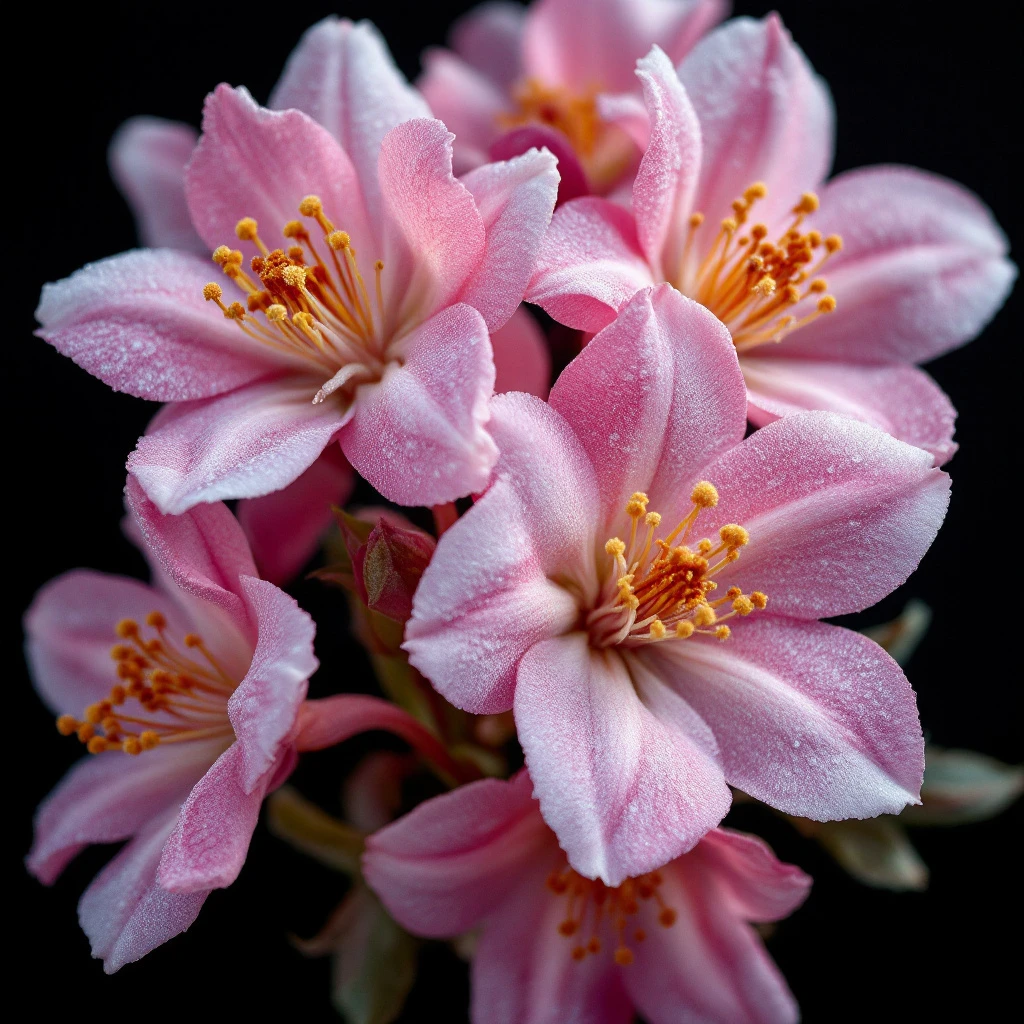
Character
How it smells
Floral sweetness, preserved.
Medieval Arabian and Persian physicians candied rose petals in sugar syrup for medicines and perfumes, establishing techniques still referenced today.


Origin
France
Flowers have accompanied human civilization since antiquity. Ancient Egyptians preserved petals in honey; Mesopotamians developed early enfleurage methods. The Islamic Golden Age brought sophisticated rose water techniques, with physicians documenting how candied petals retained aromatic properties longer than fresh material.
By the 1700s, Grasse in southern France emerged as the global center for candied flower perfumery. Its Mediterranean basin microclimate produced flowers prized by European aristocrats seeking liquid luxury. The region still supplies premium flowers today, grown specifically for fragrance houses maintaining traditional extraction methods.
Where perfumery once required months of patient work collecting, candying, and extracting roses and jasmine, modern chemical analysis now explains exactly why the process worked. Synthetic aroma chemicals can mimic candied flower molecules. Yet artisan perfumers still source genuine traditionally-candied absolutes for their complexity.
Wears it best
Fragrances featuring Candied Flowers

Brands
Brands known for Candied Flowers
Good to know
Questions, answered
The essentials on Candied Flowers in perfumery: how it smells, where it comes from, and how it behaves on skin.
What exactly are candied flowers in perfumery?
Candied flowers are floral ingredients preserved through sugar or fat-based processes before extraction. The petals absorb sweetness, creating a distinctive honeyed-floral character that differs from fresh or dried flowers.
Why do perfumers use candied flowers?
Candied flowers offer a sweeter, rounder floralcy compared to fresh blooms. The preservation process stabilizes delicate aromatic molecules, creating ingredients prized since the 1700s that add warmth and persistence to fragrance compositions.
What flowers work best for candied flower perfumery ingredients?
Rose, jasmine, violet, and orange blossom lead the field. Their waxy petals hold aromatic compounds through traditional enfleurage exceptionally well, yielding premium absolutes used in fine fragrances.
Has preservation changed over centuries?
Modern solvent extraction achieves similar results to traditional enfleurage with less labor. Some houses blend both methods; others argue enfleurage produces a more complex final ingredient, with prices reflecting that difference.
Do candied flowers appear in food as well as perfume?
Yes, sugar-candied violets and roses decorate pastries and confections across French and Italian traditions. The same sugar-preservation technique spans culinary and aromatic applications.
What is enfleurage and why does it matter to perfumers?
Enfleurage is a 1700s French technique where flowers rest on fat lattices. The fat absorbs scent molecules over weeks, then gets washed with alcohol to produce a highly concentrated absolute. Only a handful of artisan houses still practice this method.
Can I find affordable fragrances featuring candied flowers?
Candied flower effects appear across many price points through synthetic aromachemicals. Entry-level designer fragrances offer accessible versions without requiring the investment of artisan-candied ingredients.
What role does jasmine play in candied flower perfumery?
Jasmine is particularly suited for candied processing because its waxy petals retain aromatic compounds throughout the weeks-long enfleurage cycle. Jasmine absolute commands premium prices as a result.





