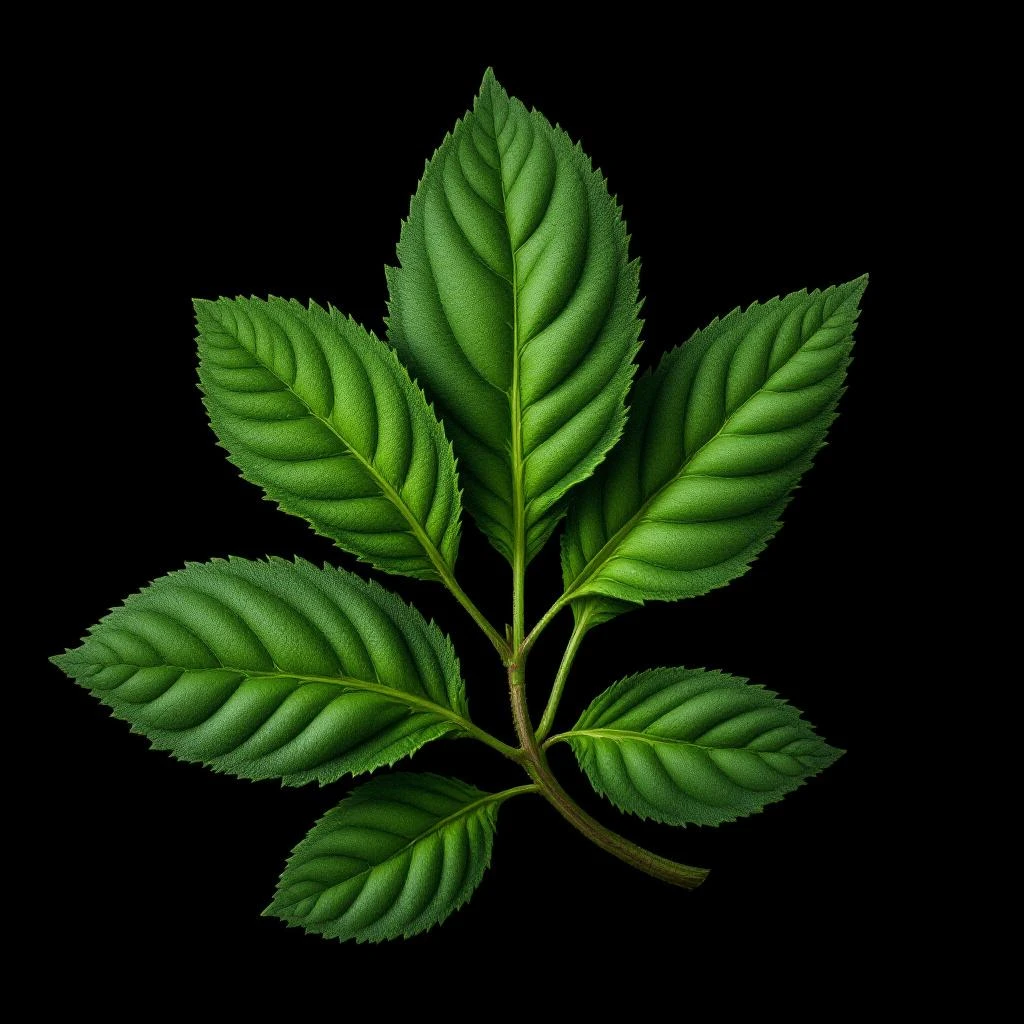
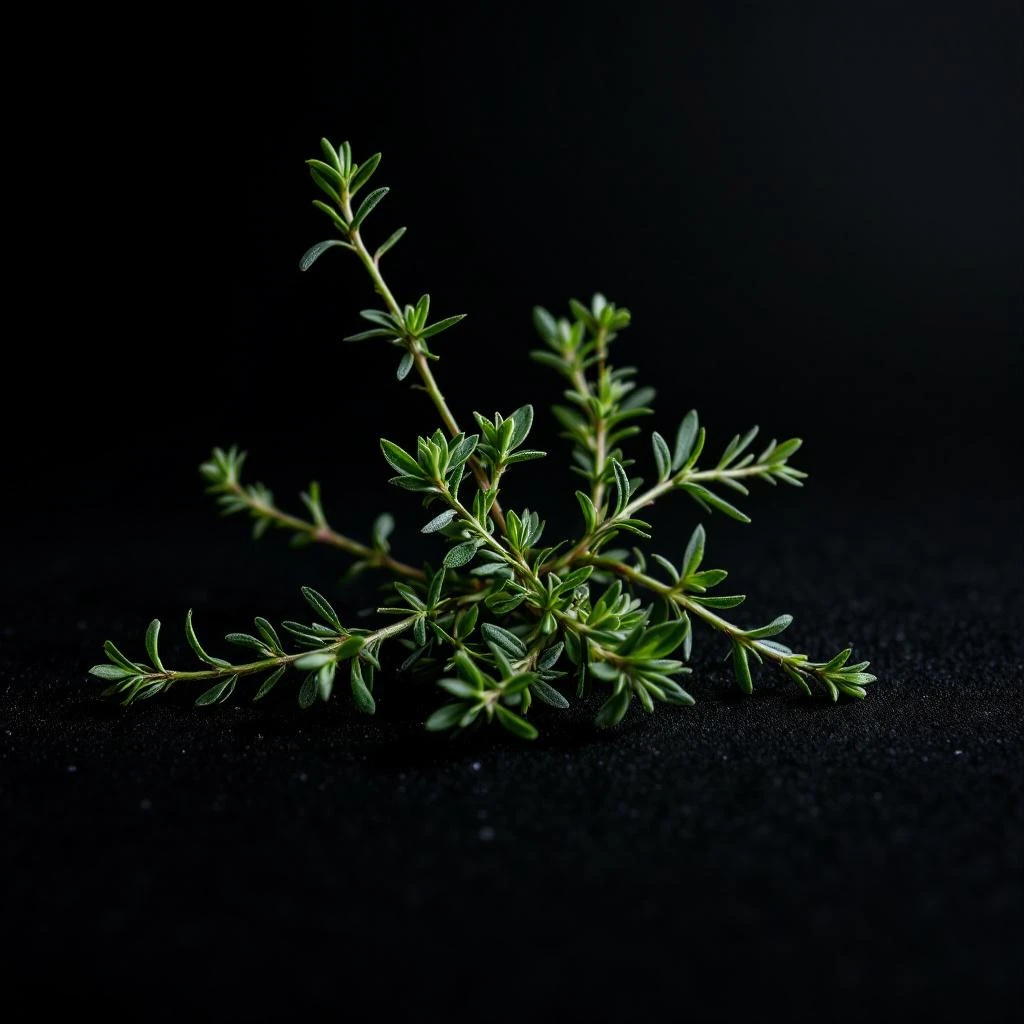
Camphor Tree
A towering East Asian evergreen whose crystalline resin has shaped perfumery, medicine, and ritual for over a thousand years. Camphor delivers a sharp, penetrating coolness that anchors and electrifies a composition.
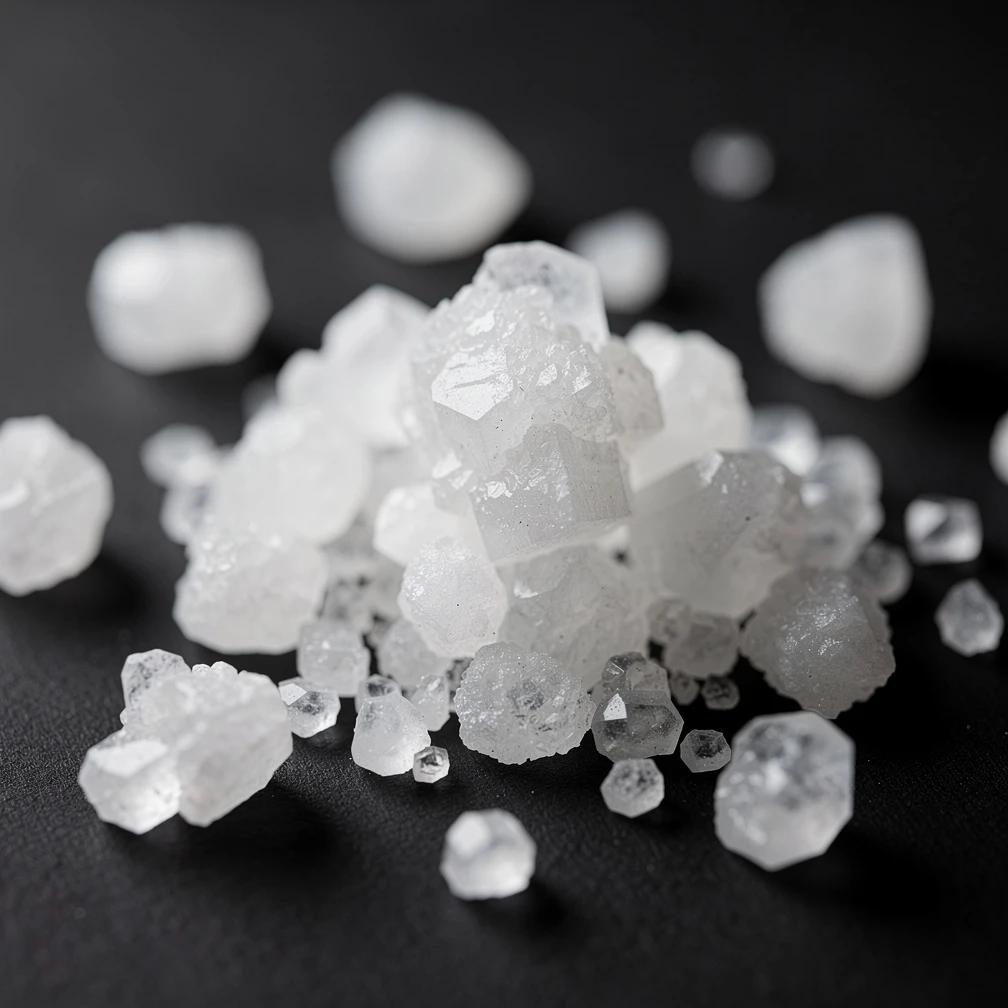
Character
How it smells
Cool, sharp, ancient.
During the Black Death, camphor was burned across medieval Europe as a fumigant believed to purify plague-laden air, a practice documented in 14th-century medical texts.





Origin
China
The camphor tree, Cinnamomum camphora, is native to the forests of East Asia, with its range spanning southern China, Taiwan, northern Vietnam, and Japan. By the ninth century, Chinese practitioners had refined the art of extracting camphor by distilling its leaves and wood, turning the resin into a traded commodity across East and Southeast Asia.
Before the First World War, Taiwan dominated international supply, with vast natural stands harvested for export while Chinese production served domestic markets. Arab perfumers incorporated camphor into fragrance formulations during the medieval period, and ancient Egyptians used camphor oil in embalming rituals.
In the 1300s, European physicians prescribed camphor fumigation during the Black Death, believing its penetrating aroma could cleanse miasma. Late nineteenth-century planters introduced Cinnamomum camphora to Florida, hoping to establish a domestic source, though the industry never rivaled Asian output.
Wears it best
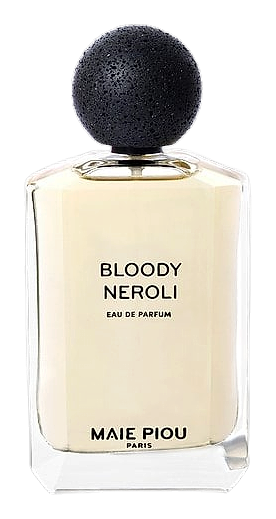
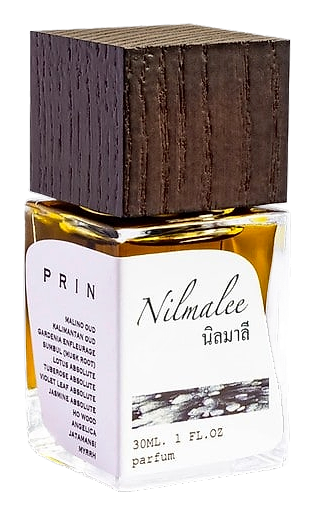
Fragrances featuring Camphor Tree
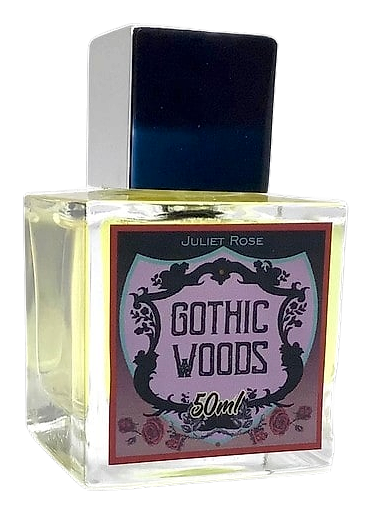


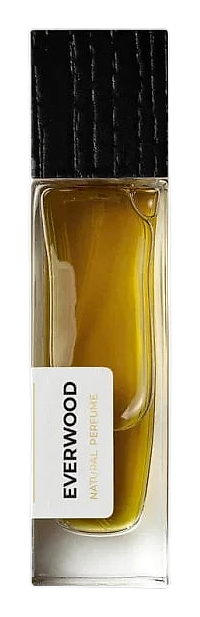

Brands
Brands known for Camphor Tree
Good to know
Questions, answered
The essentials on Camphor Tree in perfumery: how it smells, where it comes from, and how it behaves on skin.
What does camphor smell like in a fragrance?
Camphor presents a sharp, cooling, almost mentholated aroma with medicinal and woody undertones. A single drop can dominate a composition, so perfumers use it sparingly to add clarity and lift.
Is camphor in perfume natural or synthetic?
Both forms exist. Natural camphor is steam-distilled from mature Cinnamomum camphora timber, while synthetic camphor is manufactured from turpentine oil. Most commercial supply today is synthetic due to cost.
Where does the camphor tree originate?
The camphor tree is native to East Asia, particularly southern China, Taiwan, northern Vietnam, and Japan. Taiwan dominated global trade before the First World War.
How long does a camphor tree take to mature?
Camphor trees require at least 50 years before their heartwood yields commercially viable concentrations of camphor through steam distillation.
Why do perfumers use camphor in small amounts?
Its penetrating intensity can overwhelm other notes, so perfumers use camphor as a fixative or accent, adding a cool, clean edge that sharpens herbal and aromatic accords.
Is camphor safe to apply on skin?
At low fragrance concentrations, camphor poses minimal risk. However, concentrated camphor oil can irritate skin and is regulated in many cosmetic safety frameworks.
How is camphor extracted for perfumery?
Producers steam-distill chipped camphor wood, branches, and roots under pressure, then cool the vapor to separate essential oil and crystalline camphor from the hydrosol.
What is the historical use of camphor in medicine?
Chinese practitioners extracted camphor by the ninth century for medicinal use. During the 1300s Black Death, Europeans burned it as a fumigant believed to purify infected air.