
The Story
Why it exists.
The beginning
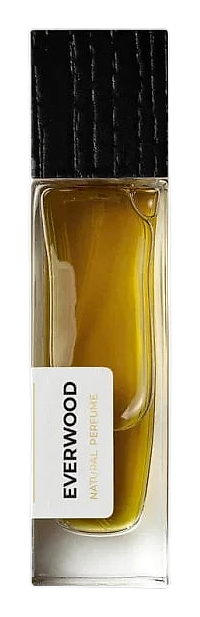
Everwood arrived in 2024 from MATCA, the atelier founded by Georgiana Ștefănoaei, who composed it herself. The name is the brief. Not a suggestion of trees. The real thing, pressed into wax and ready to wear. What lands on skin is a dense, resinous composition built around elemi, oud, guaiac wood, and patchouli, with citrus and camphor threading through to keep the woods from turning mute. It smells like cold air, cracked bark, and the resin that beads up where a branch has been cut. This is perfume that takes its materials seriously, and it wears like something with weight behind it, not a fleeting idea of green.
What makes Everwood interesting is the friction between its notes. Elemi resin and pink pepper bring a sharp, almost pharmaceutical clarity to a base dominated by oud, guaiac wood, and patchouli. Citrus opens the door, then the aromatics pull it shut behind you. The camphor thread running through the heart is the stroke that keeps it from collapsing into generic woodiness. It breathes instead of sitting flat. There's a cool, green quality to the elemi that keeps the composition from getting too heavy, and the pink pepper adds a dry heat that prickles just beneath the surface.
The evolution
The bergamot and bitter orange arrive first, bright and almost startling, the way light looks through trees after rain. The citrus recedes quickly and the elemi resin takes over, a sharp green almost-peppery quality that feels medicinal in the best way. Juniper and pink pepper add a cool spice, like crushed needles underfoot. The camphor tree note hums underneath, keeping the whole thing cold and clean. As the composition settles, the warmth arrives. Cedarwood and fir settle in, the oud shows up quietly without taking over, and guaiac wood adds a smoky creaminess that patchouli deepens. The drydown is where Everwood earns its name: resinous, woody, faintly sweet, like sun-warmed bark at the end of a long trail. On skin the projection holds steady through the workday before pulling in close.
Cultural impact
Everwood reads as part of a quieter shift in fragrance, toward compositions that feel grounded in actual materials rather than built around marketing mythology. It doesn't sell a fantasy of place or pedigree. It sells the smell of cold air, green resin, and woodsmoke, and trusts the wearer to find something in that. The appeal is straightforward: this is perfume for someone who wants their bottle to smell like something real, not like the idea of something real. In a market saturated with designer woods that all blur into the same sweet, vaguely smoky template, a composition this direct and unapologetic stands out.