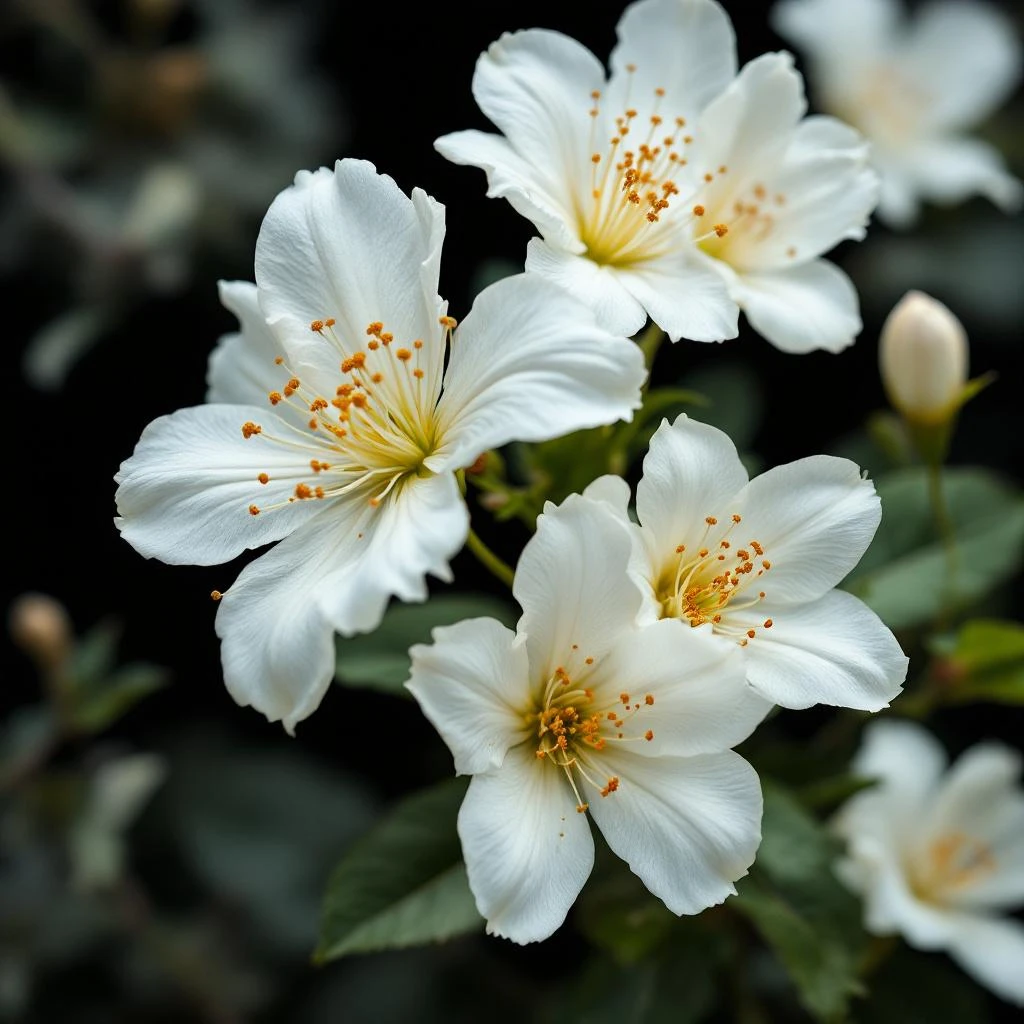
Bush Rose
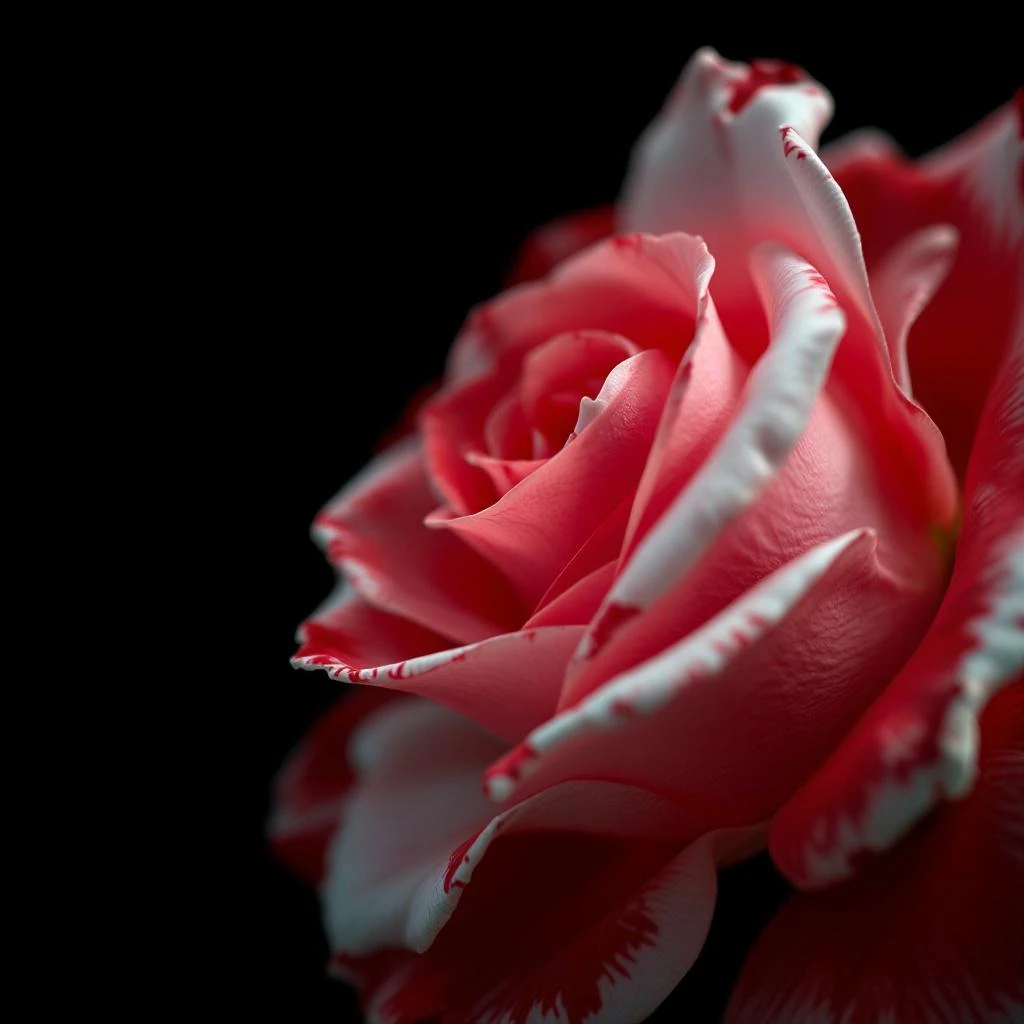
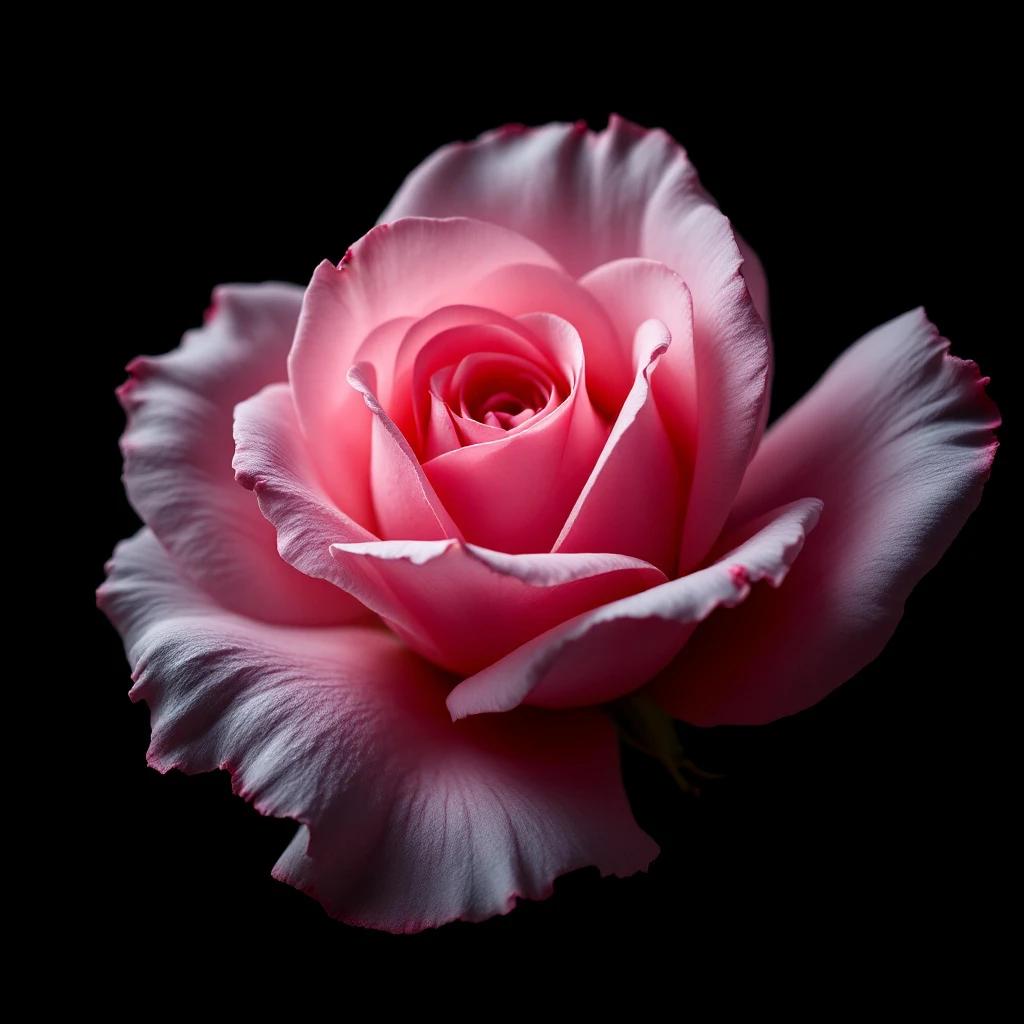
Bush Rose captures wild romance in a single bloom. Grown primarily for perfumery in Bulgaria, Turkey, and Morocco, this dense, petal-rich flower yields an essential oil prized for its deep, honeyed sweetness and herbaceous green edges.
Character
How it smells
Wild, honeyed, sun-warmed petals
It takes roughly 3.5 tons of rose petals to produce a single kilogram of rose essential oil through steam distillation.

Origin
Bulgaria
Rose cultivation for fragrance traces to ancient Persia, where the damask rose (Rosa damascena) was first distilled around the 10th century, likely by the physician Avicenna. Persian rosewater became a luxury across the Islamic world, carried along Silk Road trade routes. Ancient Egyptians anointed high-society women with rose pomades, and Cleopatra famously used rose-petal-infused oils in her skincare rituals.
Romans scattered petals at banquets and infused wines with rose essence. By the 17th century, rose oil production had become a flourishing industry in Shiraz, Persia. The centifolia variety arrived in Grasse, France, around the 18th century, where it sparked the growth of French luxury perfumery.
Today, Bulgaria produces roughly 70% of the world's rose otto, maintaining the traditional methods refined over centuries.
Wears it best
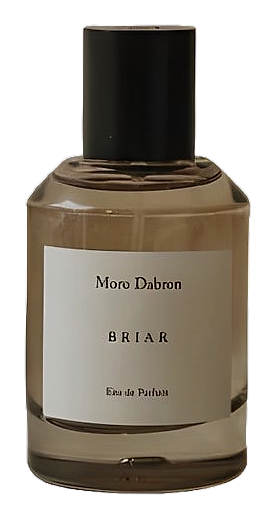
Fragrances featuring Bush Rose
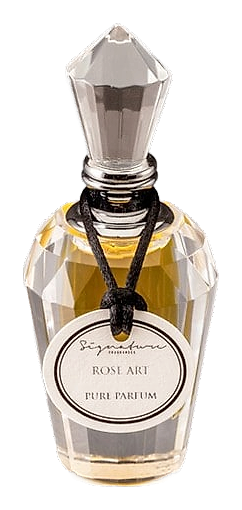
Brands
Brands known for Bush Rose
Good to know
Questions, answered
The essentials on Bush Rose in perfumery: how it smells, where it comes from, and how it behaves on skin.
What does Bush Rose smell like in perfume?
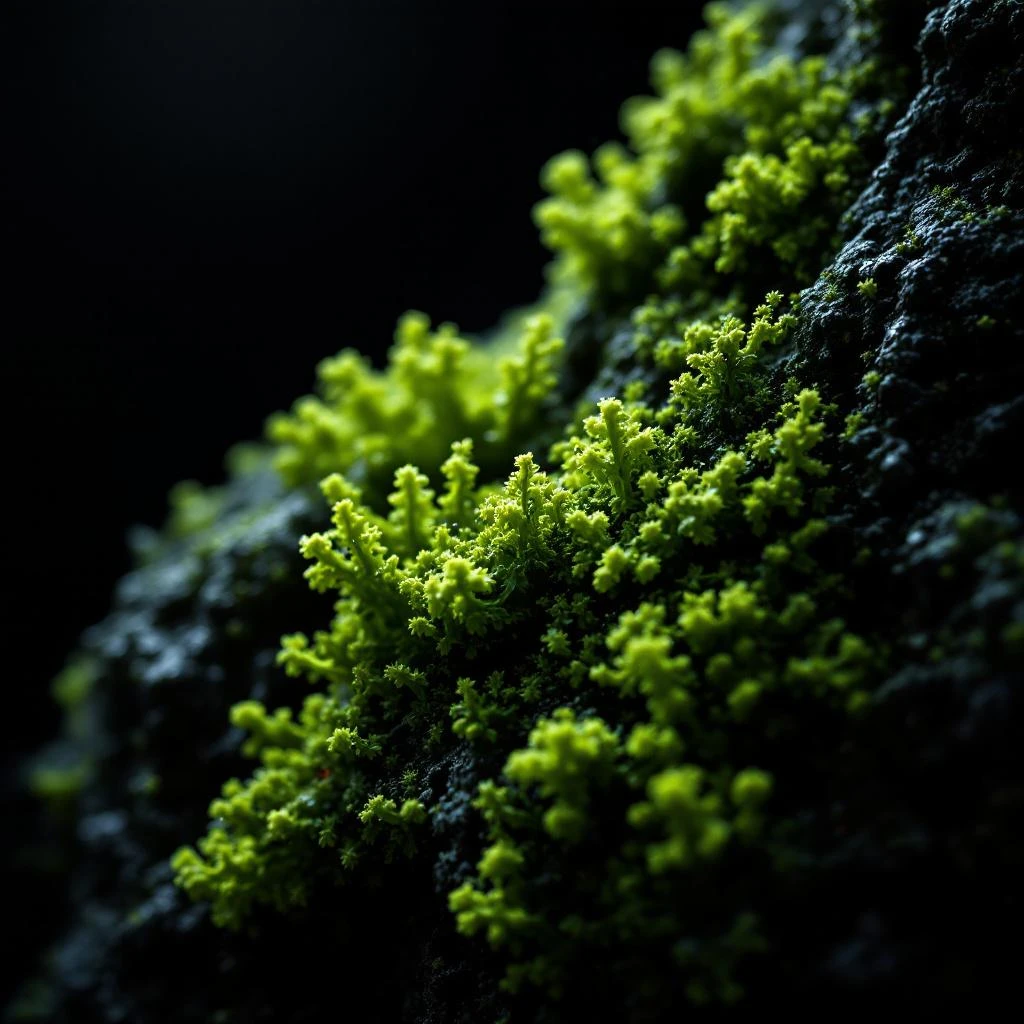
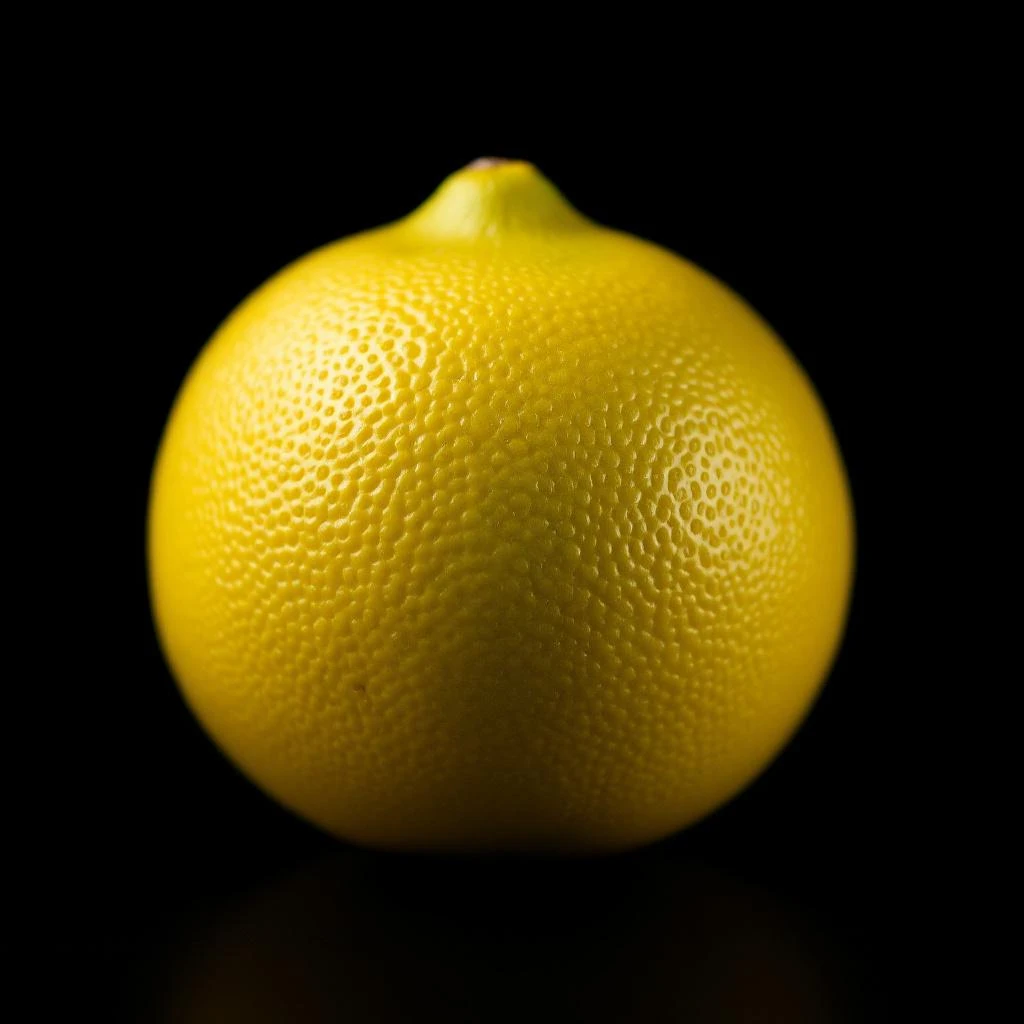
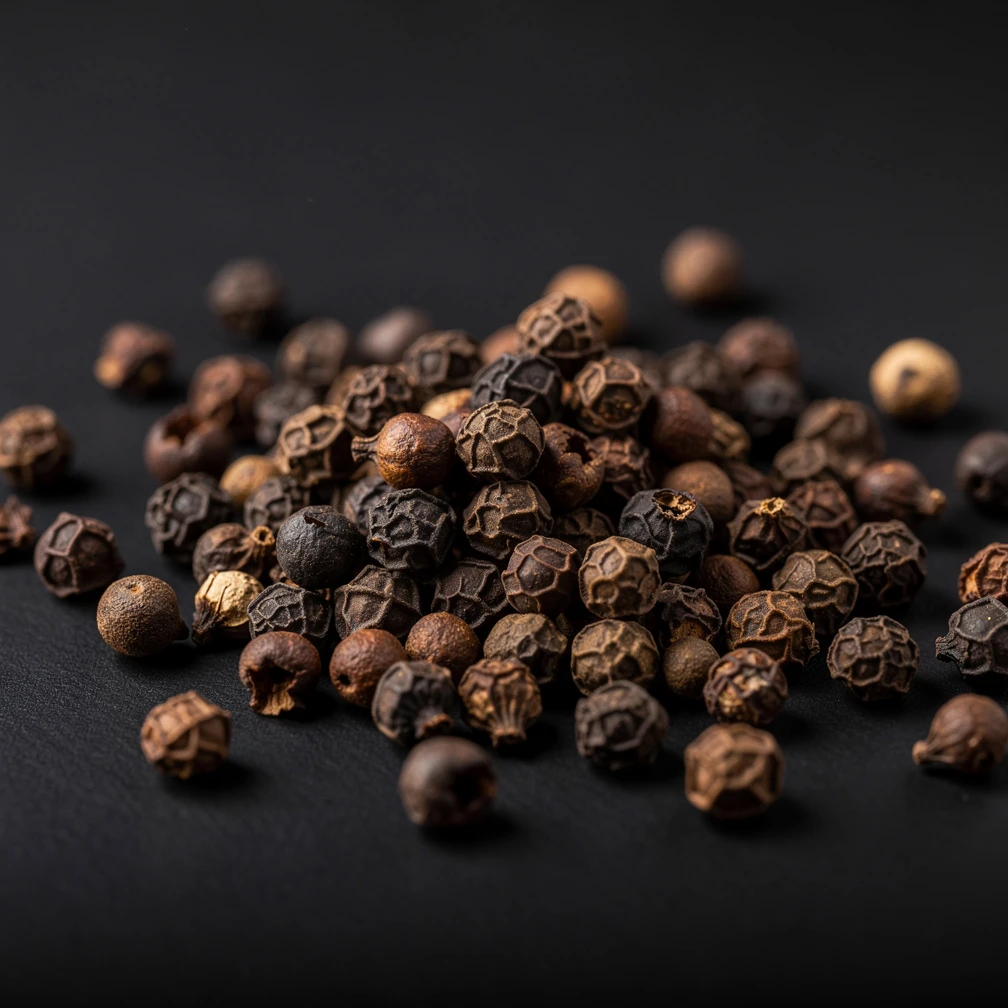
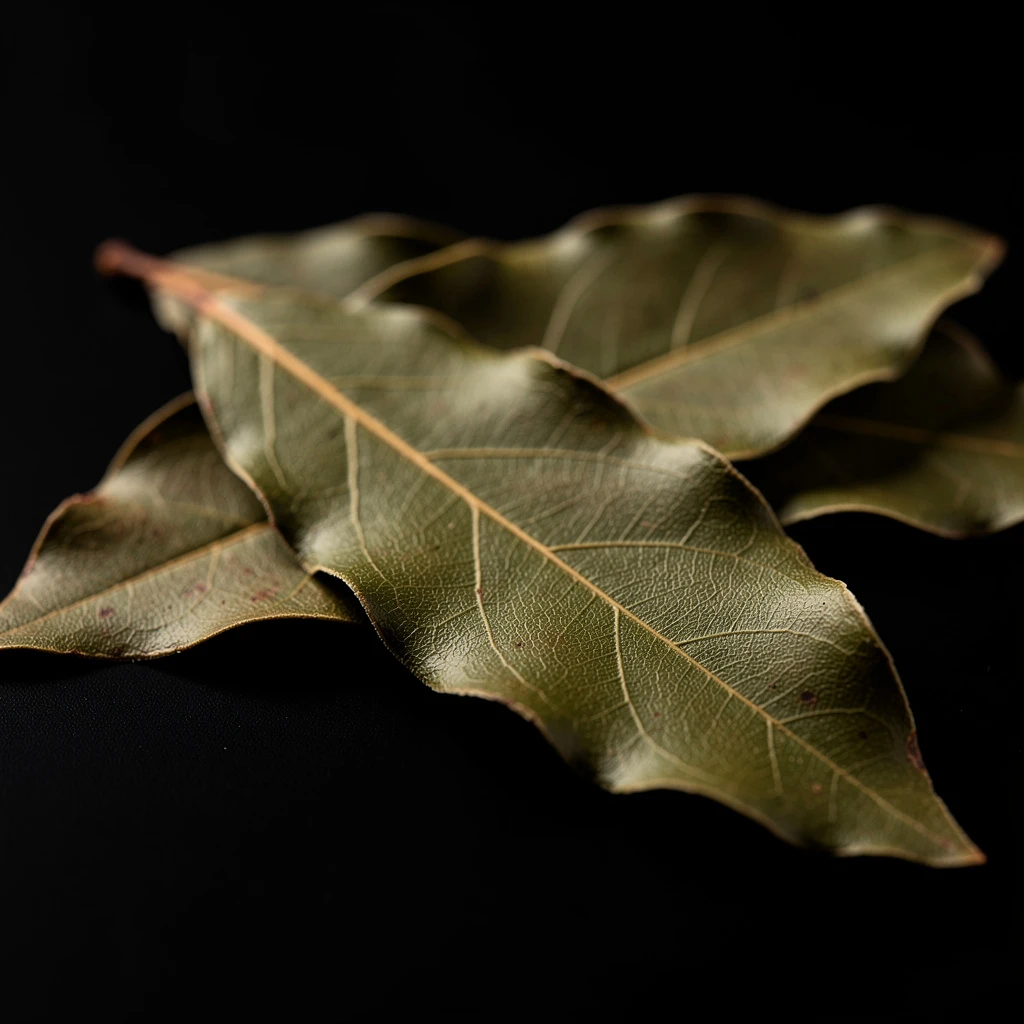
Bush Rose offers a rich, honeyed sweetness with green, herbaceous facets and subtle spicy undertones. Perfumers prize its warmth and depth, which distinguishes it from lighter, more transparent rose accords built around synthetic isolates.
How is Bush Rose essential oil produced?
Bush Rose essential oil comes primarily from steam distillation of freshly hand-picked petals. This traditional method uses copper stills and yields rose otto, requiring roughly 3.5 tons of petals to produce one kilogram of oil.
Where is Bush Rose mainly grown for perfumery?
Bulgaria leads global production of rose otto, with Turkey and Morocco also major cultivation regions. France's Grasse region grows Rosa centifolia specifically for solvent-extracted rose absolute used in French perfumery.
What is the difference between rose otto and rose absolute?
Rose otto is steam-distilled and pale yellow with a fresher, more transparent character. Rose absolute is solvent-extracted from petals, producing a darker, waxier concentrate with deeper, almost jam-like sweetness and stronger indole notes.
Why is rose oil so expensive?
Rose oil commands high prices because harvest and distillation remain labor-intensive. Petals must be picked by hand at dawn during a narrow May-June window, and thousands of kilograms of flowers yield just one kilogram of essential oil.
Is Bush Rose the same as Rose Centifolia?
Bush Rose and Rose Centifolia are closely related but distinct. Centifolia, the cabbage rose, is grown primarily in Grasse for absolutes, while damask roses (Rosa damascena) dominate Bulgarian and Turkish otto production under the broader Bush Rose category.
Which historical civilizations first used rose in perfumery?
Persians pioneered rose distillation around the 10th century, while ancient Egyptians used rose pomades and Cleopatra applied rose-petal oils. Romans scattered petals at feasts and infused rose essence into wines and cosmetics.
What chemical compounds define the scent of rose?
Citronellol and geraniol provide rose's characteristic sweet heart, while phenyl ethyl alcohol adds honeyed softness. Trace amounts of rose oxide contribute sparkle, and indole lends depth and a slightly animalic warmth in the absolute.