
The Story
Why it exists.
The beginning
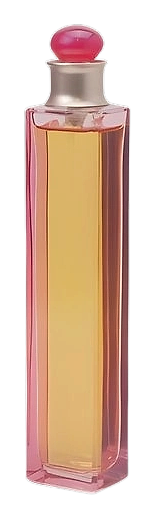
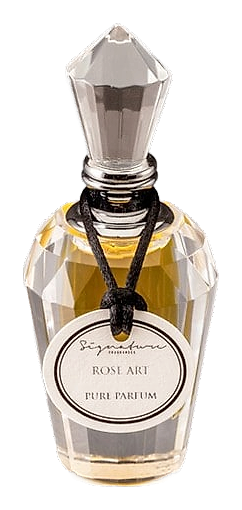
Rose Art arrived in 2014 from Signature Fragrances. Its name points directly to the composition: Turkish rose, Damask rose, and bush rose arranged in a pyramid, with the rose accord placed at the center of the fragrance. The presentation is restrained and deliberately floral rather than built around amber, oud, or smoke. What emerges is a layered rose fragrance described as fresh, green, sweet, floral, and powdery, with each listed rose contributing to a broader floral accord. The rose materials are the clearest organizing idea here, giving the scent a recognizable identity without requiring a complicated supporting cast. Production appears to have been discontinued, though its rose-focused profile remains clear from the composition and the way the notes come together on the scent strip.
Three rose varieties give Rose Art a clear point of focus. Turkish rose contributes a bright floral impression, while Damask rose adds a classic perfumery dimension to the composition. Bush rose broadens the rose theme with another named floral material, helping the overall accord feel layered rather than flat. The listed notes describe a fragrance that is floral, fresh, green, sweet, and powdery, qualities that shape how the roses meet on the skin.
The evolution
Rose Art opens with a bright impression of Turkish rose, supported by the fragrance's fresh and green character. The entrance feels light rather than heavy, with a powdery quality adding softness beneath the floral brightness. As the scent develops, Damask rose contributes to the rose accord and gives the composition a fuller, more established floral shape. The listed rose materials move the fragrance across fresh, green, sweet, floral, and powdery impressions rather than taking it in a sharply different direction. Turkish rose and Damask rose remain the clearest points of reference, while bush rose adds another layer to the overall rose profile. Over time, the scent settles into a soft floral drydown in which the rose accord remains legible and the powdery quality continues to register.
Cultural impact
Rose Art occupies a distinct place within rose fragrance because its composition is organized around three named rose materials: Turkish rose, Damask rose, and bush rose. The fragrance is commonly described through a floral profile that also moves across fresh, green, sweet, and powdery impressions, giving the rose theme a broad sensory range without losing its center. The combination makes it appealing to explore alongside more heavily embellished rose scents, particularly for anyone interested in the different ways rose materials can shape a finished composition.