The Story
Why it exists.
The beginning
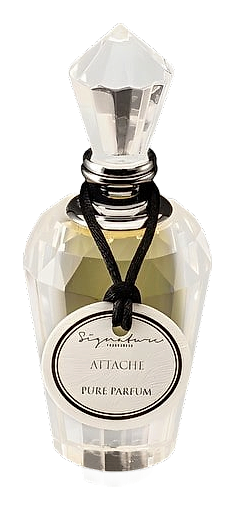
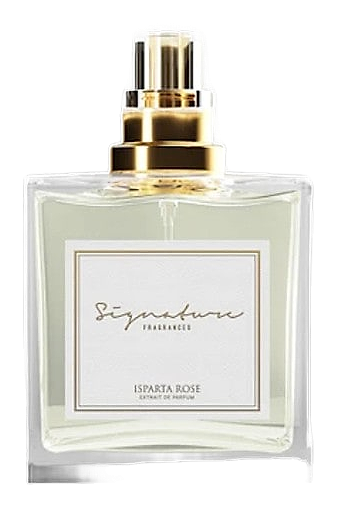
Isparta Rose arrived in 2018 from Signature Fragrances. Its formula pairs Turkish rose with Damask rose, creating a central floral accord that feels generous and more textured than a simple rose perfume. Geranium appears at the top, adding a green, aromatic lift to the opening. Together, the rose notes establish a layered floral character, while the supporting notes give the composition definition, warmth, and a soft woody finish.
The interesting part is how the rose accord keeps changing company. Turkish rose sits beside Damask rose, so the composition moves between a bright, aromatic first impression and a fuller, velvety floral center. Lily softens the arrangement, cedar adds structure, and musk, amber, and sandalwood give the bouquet some weight. It isn't a rose standing alone. The surrounding notes make it feel layered and rounded, with floral, green, warm, and woody facets moving through the composition.
The evolution
The opening starts with geranium and Turkish rose, green and aromatic before the floral notes settle into view. Damask rose, cedar, and lily then form the middle, giving the composition a soft floral center with a little structure underneath. As the fragrance dries down, musk, amber, and sandalwood become more present. The rose remains the defining element throughout, while warm amber and smooth wood shape the later stages of the wear. The composition shifts from a fresh floral opening to a warm, woody finish without losing its rose character.
Cultural impact
Isparta Rose draws attention to roses as a fragrance material through its use of Turkish rose, Damask rose, and geranium. These notes establish the composition's floral focus, while cedar, lily, musk, amber, and sandalwood contribute familiar floral, woody, and warm facets. The result is a contemporary rose composition built around the interplay of petals, greenery, wood, and soft warm notes, offering several distinct points of entry for discovery.