The Story
Why it exists.
The beginning
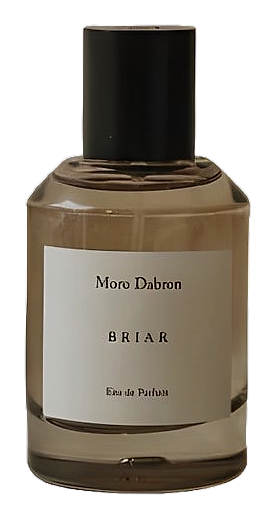
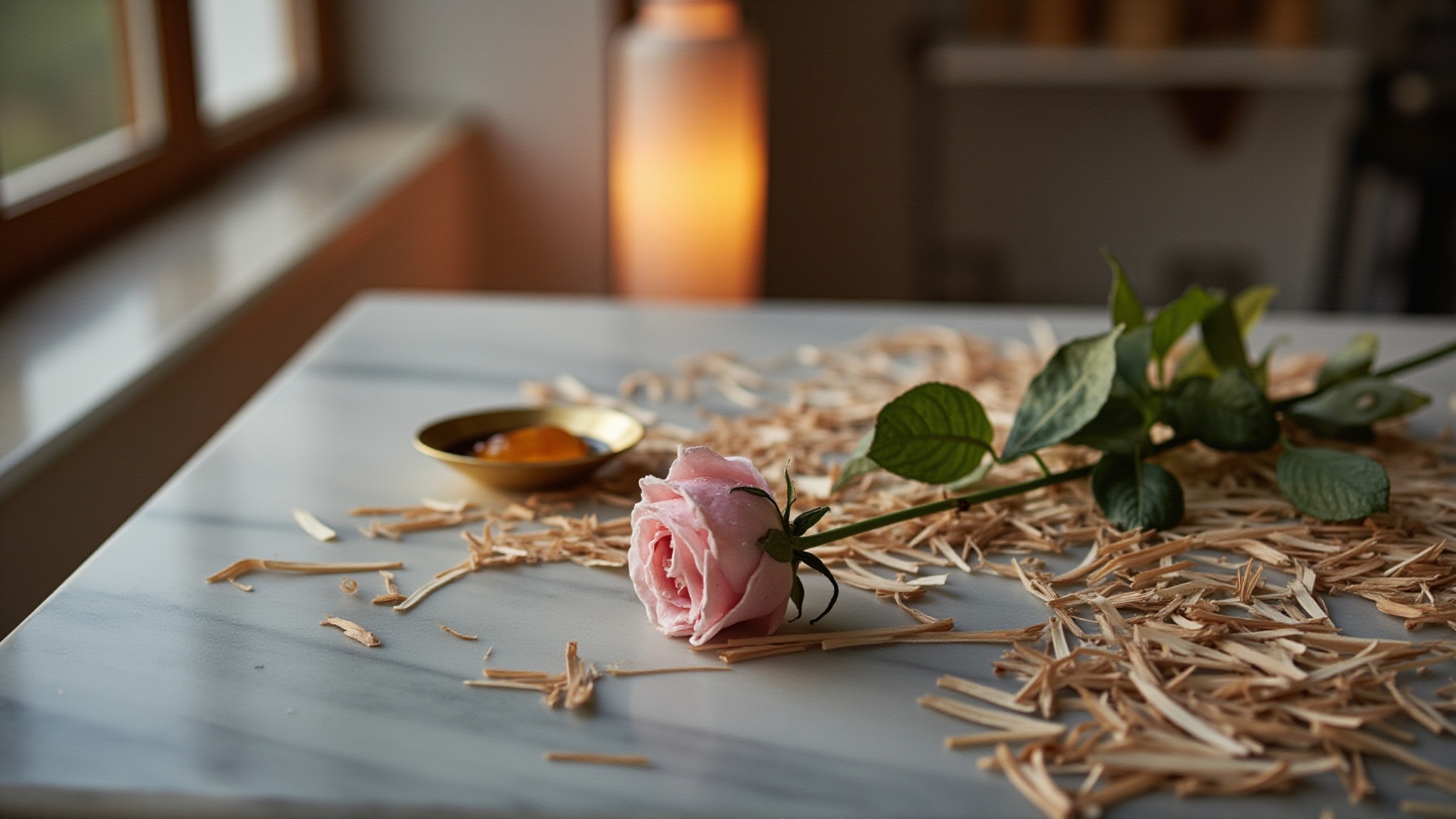
Briar was composed by Aitana López de Carrión and released in 2024. The name says everything about the intent: a briar is a wild rose, prickly and uncontained, the kind that colonizes hedgerows and old stone walls without asking permission. The fragrance was designed as an ode to that plant in full late-spring bloom, tangled and untamed, still holding the night's dew on its petals. Rather than rendering rose through the lens of sweetness or romance, the composition leans into the shrub's rougher edges: thorn-prick of pepper and spice, the green bitterness of galbanum, the quiet dark of oakmoss underneath. It's a portrait of a rose that refuses to be picked.
What makes this composition work is the tension between green and floral. Galbanum, that sharp resinous gum, leads the charge from the top, pulled up by a thread of bergamot and carried forward by bay leaf and elemi into a cool, almost bitter opening that makes the rose that follows feel earned rather than obvious. The frankincense in the heart adds a weight and coolness that pulls the whole thing toward something older than a garden, something closer to resin burning in a stone room than flowers nodding in a vase.
The evolution
The opening belongs to galbanum and elemi, and they're not negotiating. Green, resinous, slightly bitter, with bergamot lifting the top like a window thrown open. The rose doesn't appear immediately; it has to earn its entrance. When it does arrive, it's a cool, dewy rose, not a candied one, riding on top of that green architecture rather than replacing it. Bay leaf and black pepper weave through the heart, keeping everything sharp. The frankincense adds depth without warmth, a quiet coolness beneath the petals, like shade that has pooled in the lower branches of a hedge. As the hours pass, the rose softens and the cedarwood and oakmoss take over underneath, a woody mossy groundcover that smells like damp bark litter and the underside of old walls. Musk arrives last, quiet and skin-close, settling into fabric and staying there.
Cultural impact
Briar treats rose as a structural material rather than a romantic gesture, which sets a particular tone from the first spray. The composition leans into the flower's botanical context: its thorns, its leaves, the resinous greenness of the shrub rather than the velvety sweetness of the bloom. It's the kind of rose rendering that appeals to wearers who want florals with backbone, who find the conventional candy-wrapped rose a little boring, who would rather smell a wild hedge than a florist's window. There is something slightly contrarian about the choice, a refusal to soften what is by nature a prickly, sharp-edged plant.
The House
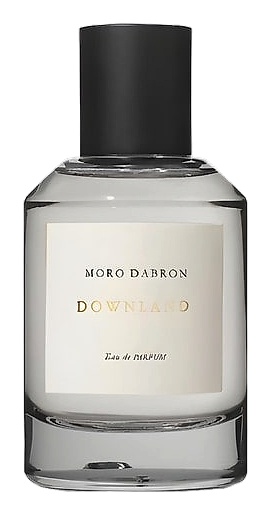
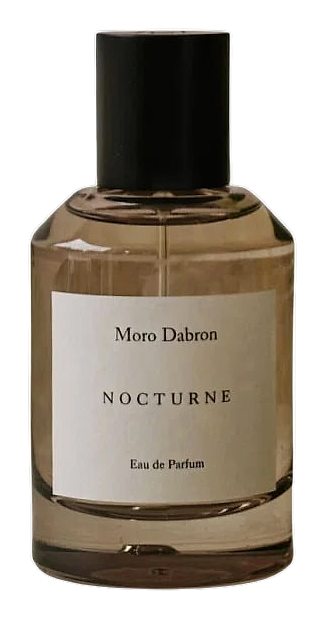
Moro DabronMoro Dabron is a London‑based design partnership that creates scented objects ranging from candles and perfumes to furniture and lighting. Founders Austin Moro and Eliza Dabron translate a love of romantic interiors and cultivated gardens into products that blend aroma with form. The brand offers a curated line of fragrances such as Of Gardens (2023) and Nocturne (2024) alongside sculptural home pieces, positioning scent as an integral part of everyday spaces.
The Creator
Aitana López de CarriónHer technical foundation shows in the precision of her compositions. Structures tend to be clean, with each ingredient asked to earn its place.