The Story
Why it exists.
The beginning
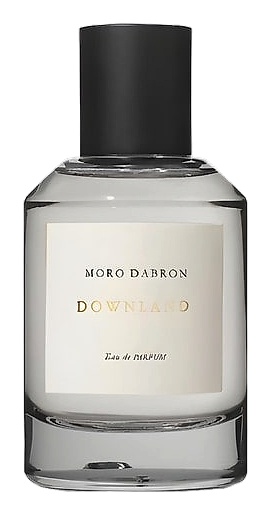
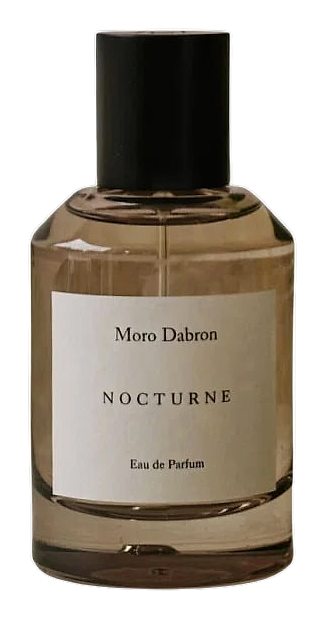
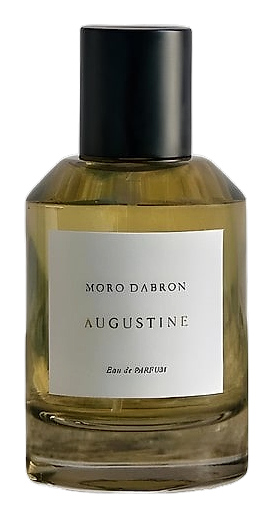
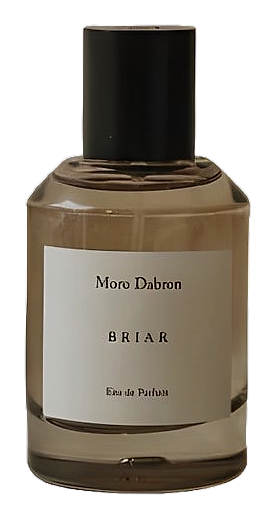
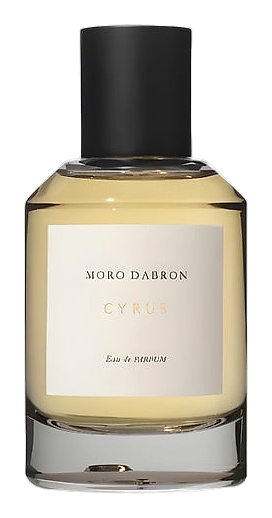
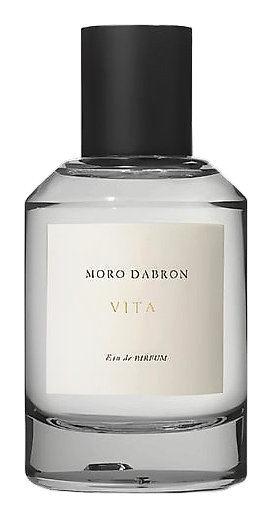
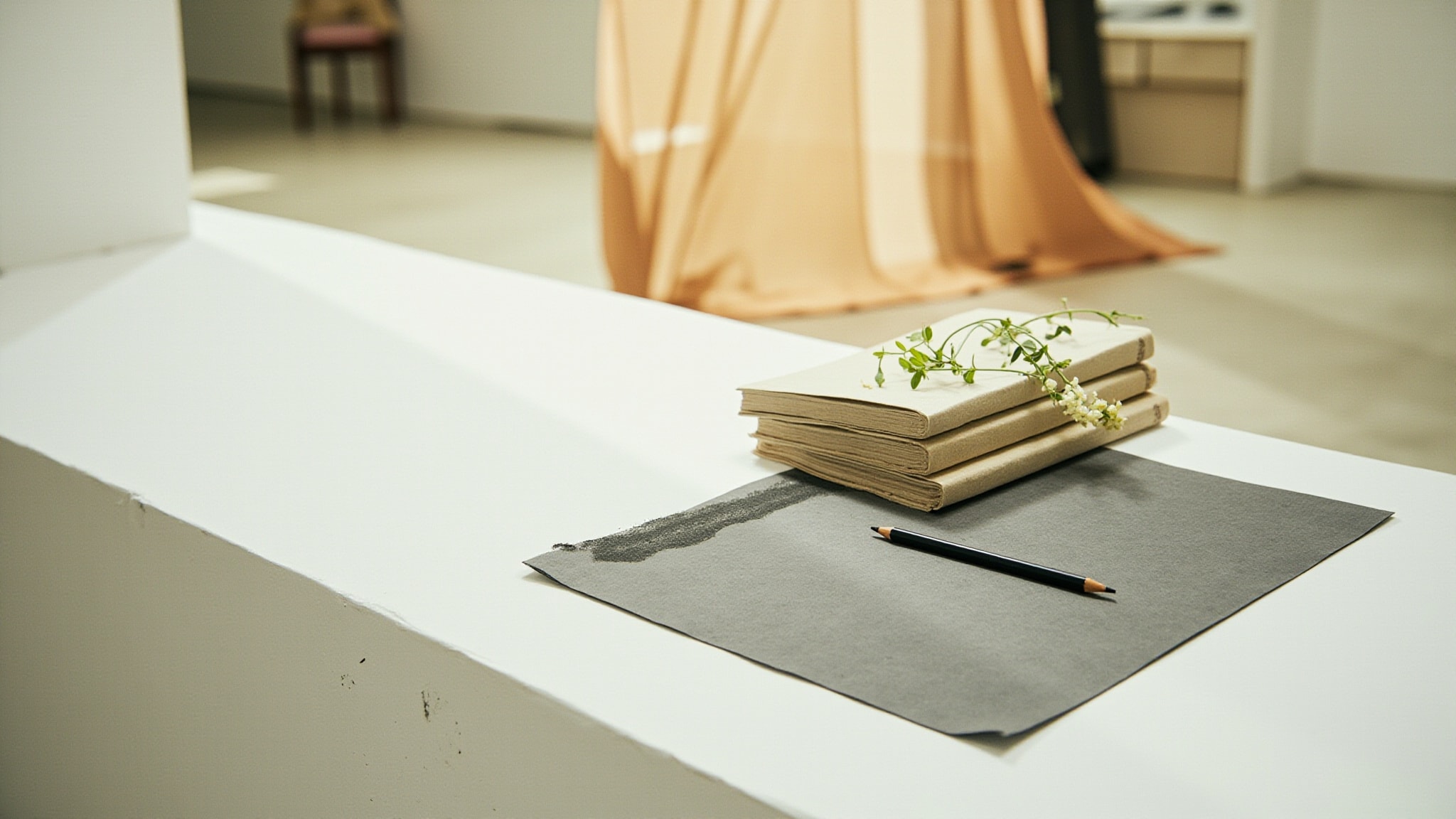
Vita takes its name from Vita Sackville-West, the writer and poet who turned Sissinghurst Castle into one of England's most storied gardens. The fragrance distills the room where she wrote: a tower steeped in old books, period wood, fresh flowers, and the cuttings brought up from the beds below. It draws from the private sanctuary above the gardens, where creativity happened in the company of stems, paper, and resin. Vita belongs to a body of work that includes Downland, Augustine, Briar, Nocturne, Of Gardens, and Cyrus, scents that engage with gardens and green spaces as raw material. The composition treats scent as something tangible, as much a part of a room as the furniture or the light falling across a writing desk. There's a deliberate restraint in how Vita is built.
What makes Vita sing is the unlikely marriage of galbanum's raw, green bite against the ancient gravity of frankincense and myrrh. Galbanum is one of perfumery's most demanding green materials, sharp, almost rubbery in concentration, but here it does the work of crushed stems and torn leaves. Frankincense arrives as a softening haze, less liturgical smoke than quiet warmth, then gives way to violet leaf's cool, watery green. The base pulls everything into resinous earth: myrrh's medicinal sweetness, patchouli's damp minerality, cedarwood's dry structure. It's a composition built on tension between raw vegetation and aged interior, the freshness of a cutting sitting next to the dust of old wood.
The evolution
The opening hits immediately and doesn't apologize. Galbanum, elemi, and pink pepper arrive in a bright, peppery green snap that announces itself without ceremony. There's a fizzy quality to the pink pepper, almost carbonated, cut by the sharp, sappy quality of freshly broken stems. Then something shifts. The frankincense rises like smoke catching in a sunbeam, softening the greenness into something more contemplative. Violet leaf adds a cool, slightly metallic edge, the smell of leaves held too long before they wilt. As the composition settles, the green has mostly receded and the resins take command. Patchouli shows up damp and earthy rather than sweet, while myrrh brings its bittersweet, almost medicinal warmth. Cedarwood anchors everything with a dry, papery quality that echoes the old books and period wood of the fragrance's inspiration.
Cultural impact
Vita fits into a broader conversation about scent-as-design rather than scent-as-product. It belongs to a perfume portfolio that also includes Downland, Augustine, Briar, Nocturne, Of Gardens, and Cyrus, fragrances that read as part of a larger design practice rather than a standalone luxury category. The Sissinghurst reference gives it a literary, garden-romantic register that places it comfortably among other heritage-garden fragrances while distinguishing it through its resinous, interior warmth rather than floral sweetness. Where many garden-themed perfumes lean on cutchlit florals or green leaves to do their work, Vita points inward.