The Story
Why it exists.
The beginning
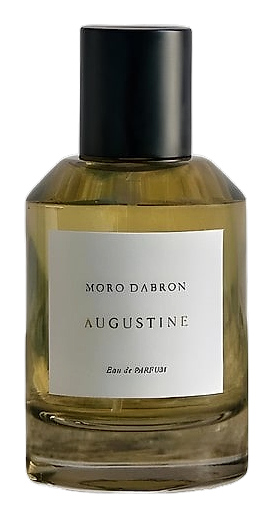
Augustine belongs to Moro Dabron's first perfume chapter, a body of work that established the London-based partnership of Austin Moro and Eliza Dabron as a fragrance house in its own right. The brand draws its visual and conceptual language from gardens, and Augustine in particular takes the cloister as its starting point: those enclosed spaces where stone walls hold the scent of rain long after the sky clears. There is a deliberate stillness in the choice. The composition reads less like a garden in bloom and more like the quiet left behind after one, the green stripped away, the masonry and the moisture remaining. What lingers in the air is not flowers but stone, resin, and the memory of water on old surfaces.
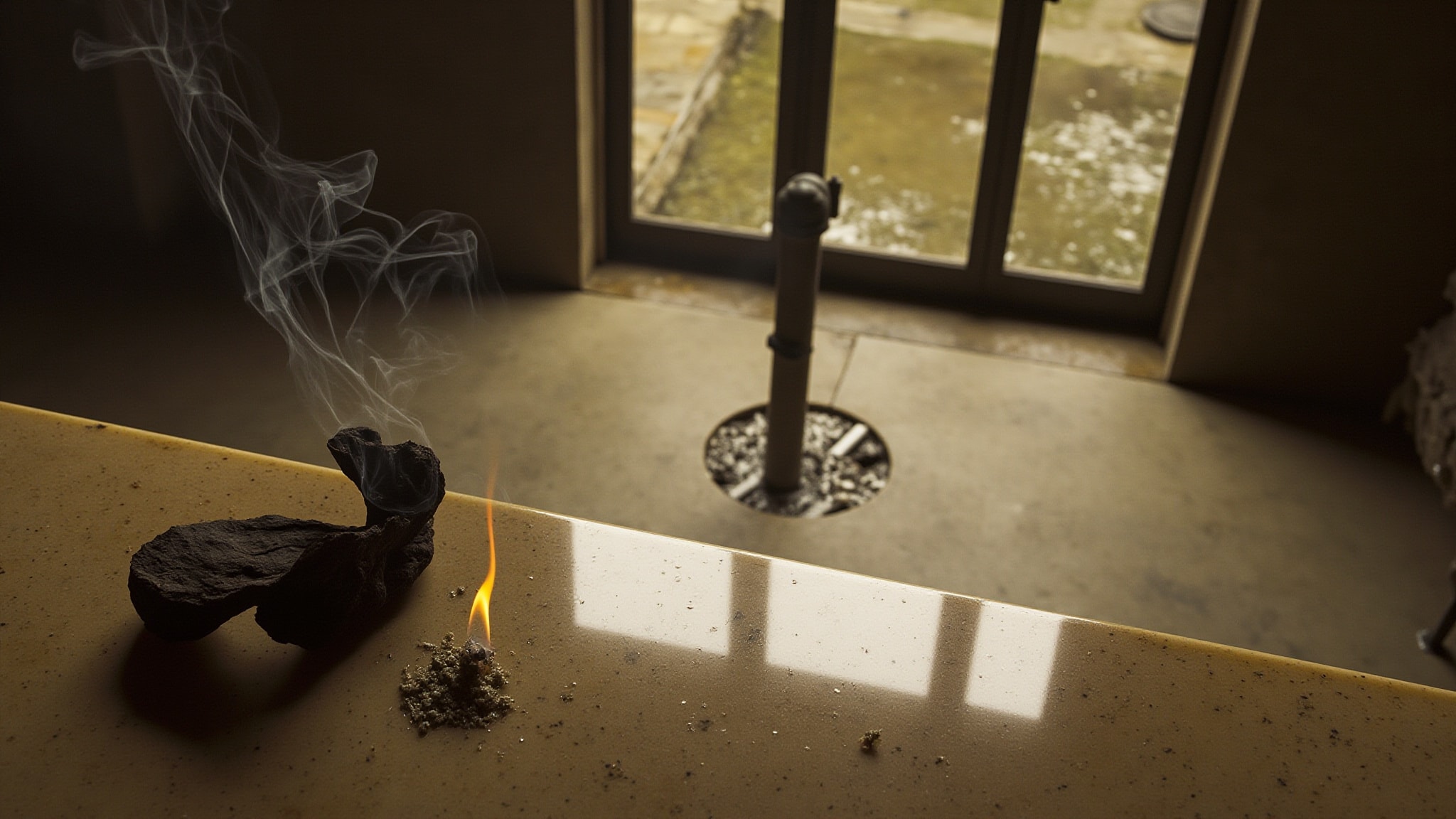
What makes Augustine structurally unusual is how it leads with resin rather than citrus or bright florals. Frankincense and labdanum open the composition, the same materials burned in church rituals and old apothecaries, before any wood or green note arrives. The effect is immediate gravity, the kind of arrival that asks for attention rather than offering itself lightly. The heart then drops into agarwood, patchouli, and vetiver, smoky and root-bound, while the base returns to labdanum with amber and musk, a circular structure that bookends the resinous thread from start to finish.
The evolution
The first ten minutes belong almost entirely to frankincense, sharp and lemony, with labdanum underneath giving a darker, almost leathery warmth. There's no sparkle, no bright citrus to soften the arrival. It reads immediately as serious, dense, material. Within the first half hour the agarwood has surfaced, smoky and more restrained than expected, almost like wood char rather than wood itself. Patchouli arrives alongside it, dry and earthy rather than sweet. Vetiver adds a mineral coolness that keeps the whole composition from tipping into pure warmth. The middle hours are where Augustine does its best work. The ambered base gradually rises, and labdanum reasserts itself, now warmer and more golden than in the opening. The musk keeps everything close to skin rather than letting it project broadly.
Cultural impact
Augustine has earned a particular kind of attention from wearers, who tend to describe it in spatial terms: cloister, corridor, walled garden. The language that comes back again and again is about rooms and enclosure, about the way the scent seems to reshape the air around the person wearing it. It sits comfortably among incense-driven compositions built for stillness, the kind of fragrance that asks to be noticed slowly rather than announced. For a wearer drawn to contemplative scent, Augustine offers a clear point of view: resin first, flowers never, and a structure that holds its shape from the first spray to the last trace on skin.