Brunei Oud
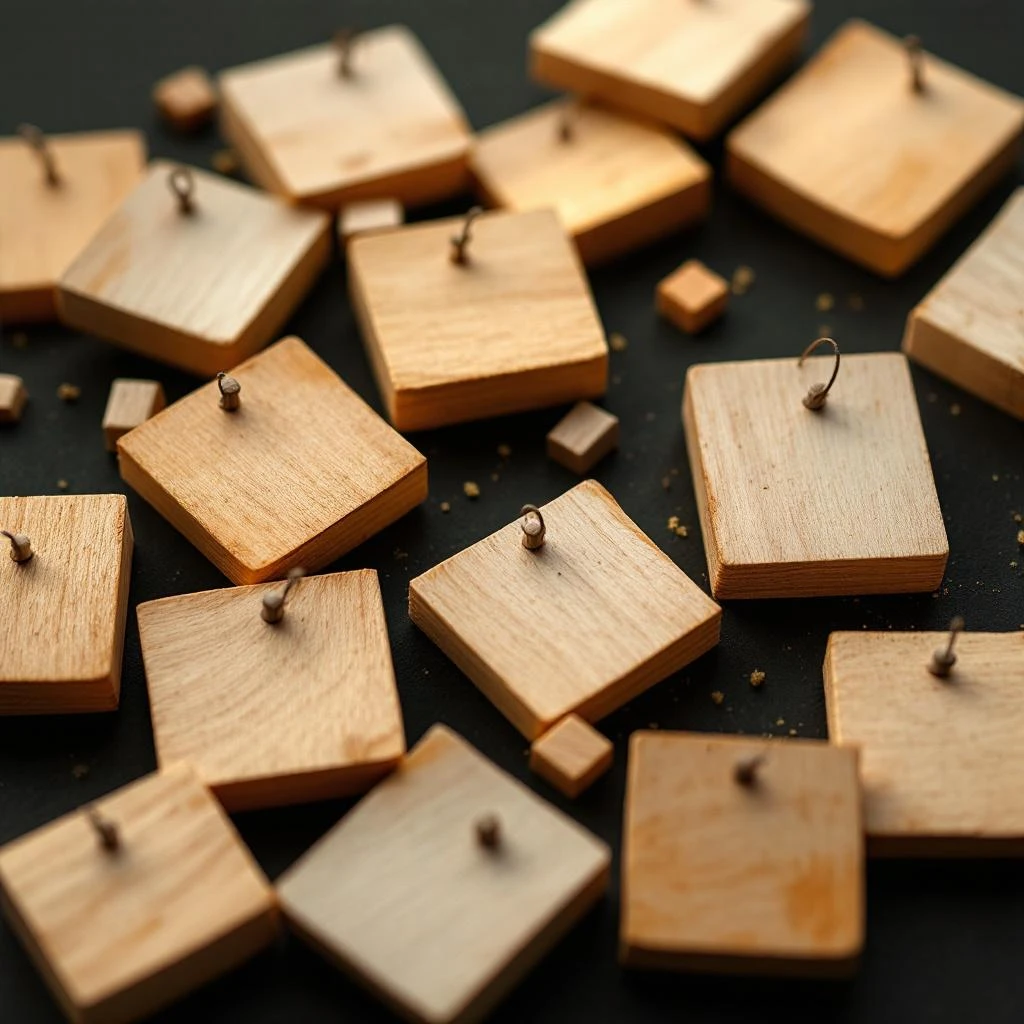
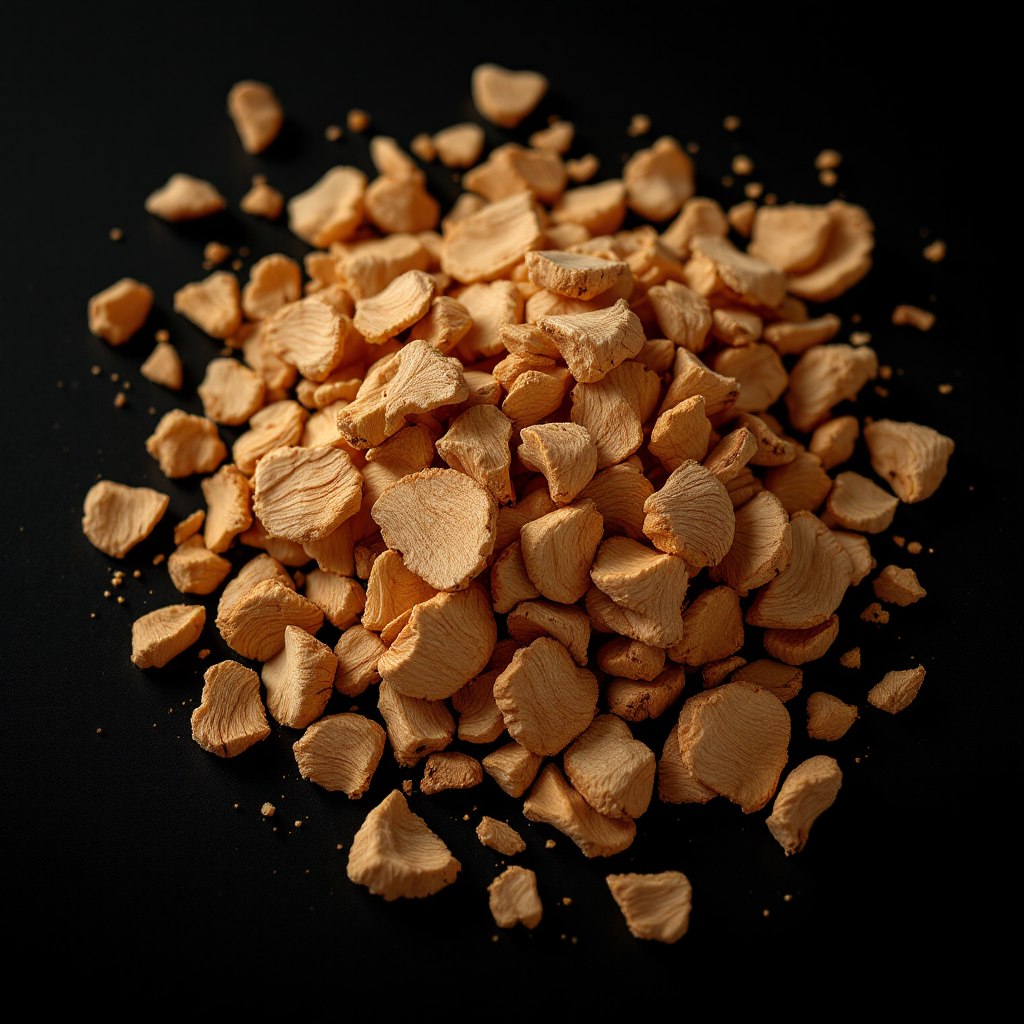
Brunei Oud is among the world's most prized agarwood resins, harvested from ancient Aquilaria trees in Brunei's ancient rainforests. It carries a profound depth that has shaped Southeast Asian perfumery for over a thousand years.
Character
How it smells
The Sultan of Resins
Brunei's agarwood tradition dates back over a thousand years, with local communities once using trained dogs to locate infected trees hidden deep within primary rainforest.


Origin
Brunei
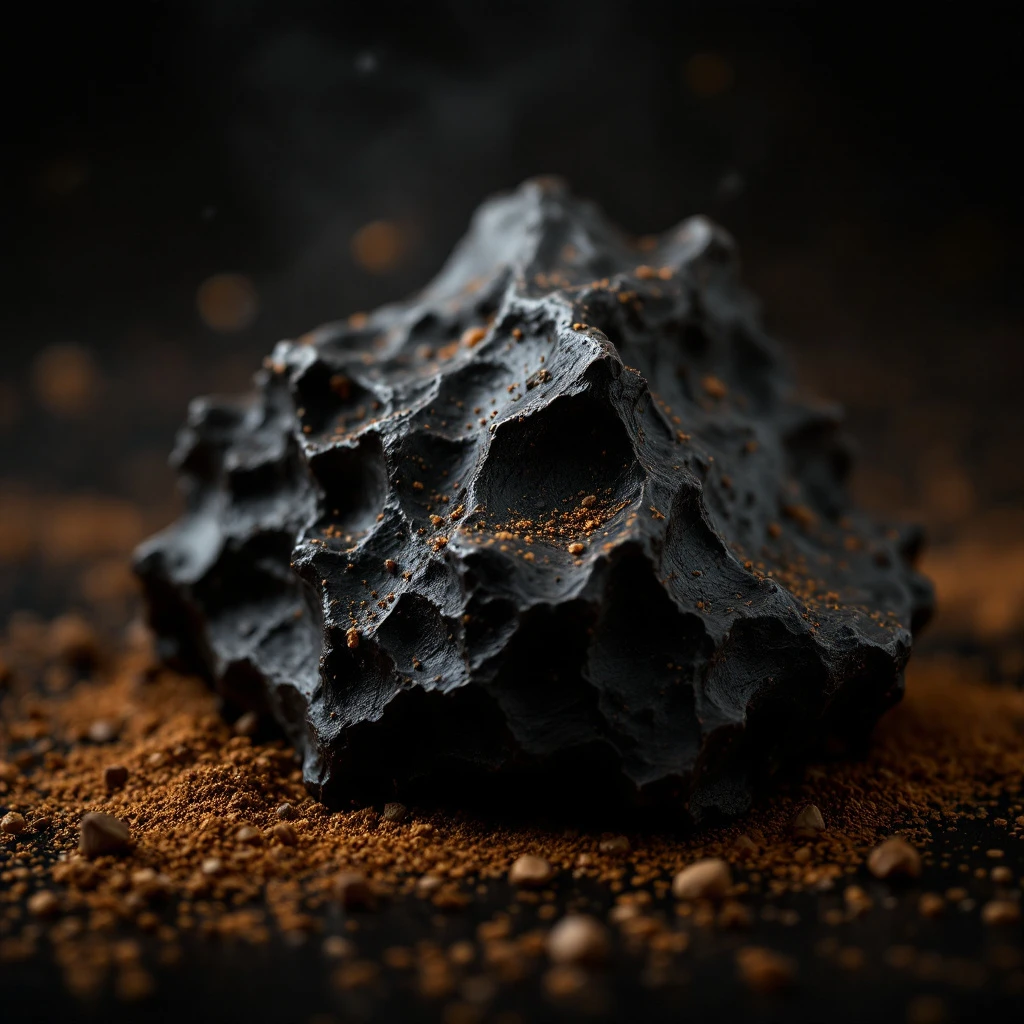
Brunei's relationship with agarwood stretches back well over a millennium, with Chinese trade records from the Tang dynasty already documenting Borneo as a source of prized jinkoh, the Chinese term for agarwood. By the 10th century, Brunei's rainforest resources had positioned the Sultanate as a critical node in maritime trade networks stretching from Guangzhou to the Abbasid caliphate.
At the height of the Brunei Empire in the 15th and 16th centuries, oud served both ceremonial and diplomatic functions. Sultans presented agarwood chips as gifts to foreign envoys, and the resin featured prominently in royal rituals, burned in brass censers during Islamic observances. The Brunei Royal Regalia Museum still preserves historical implements tied to agarwood use.
Traditional medicine in Borneo, known as jamu, incorporated oud for respiratory ailments and spiritual purification. Local indigenous groups, particularly the Iban and Murut peoples, developed generations of expertise in identifying resin-saturated trees and crafting ritual oils. Today, Brunei's forests remain a benchmark for wild agarwood quality, though conservation concerns have prompted cultivation projects and CITES Appendix II listing of Aquilaria species in 2004 to regulate international trade.
Wears it best
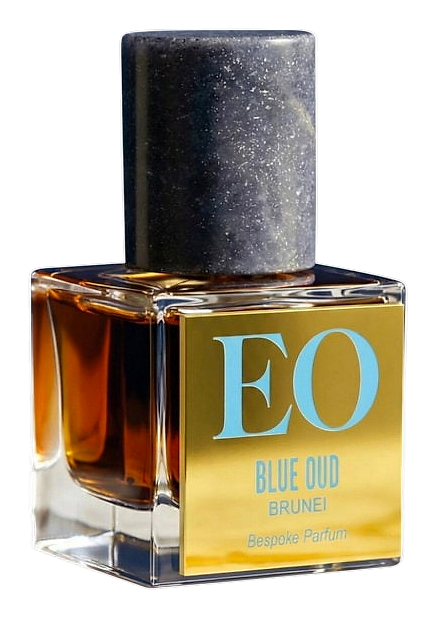
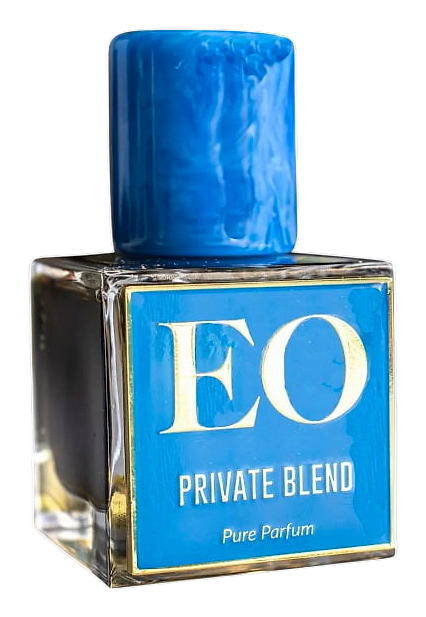
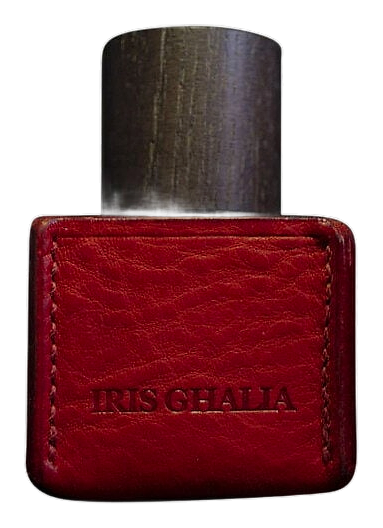
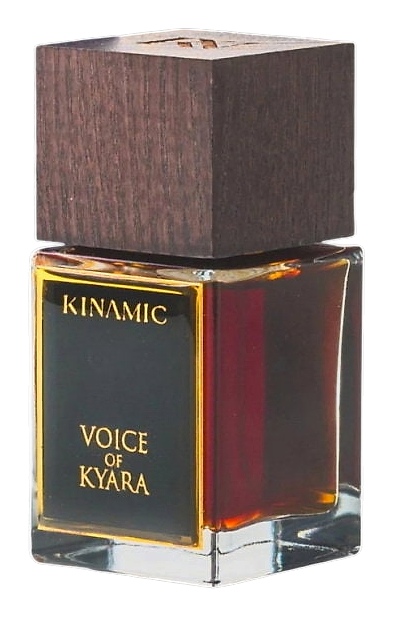
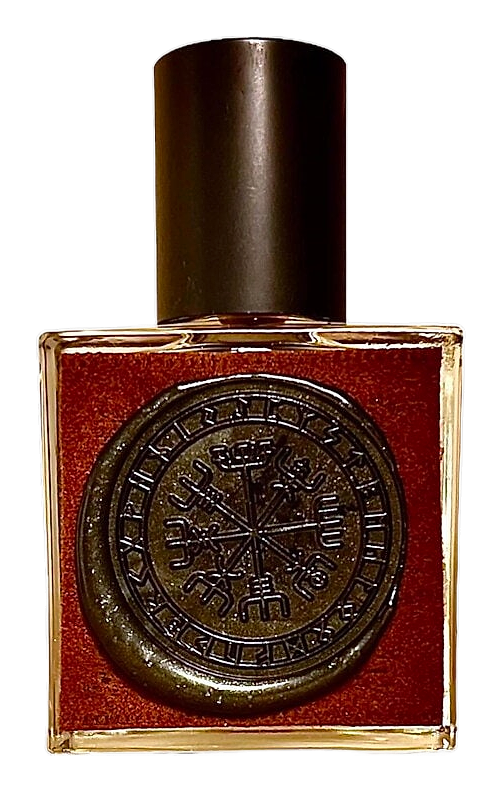
Fragrances featuring Brunei Oud
Good to know
Questions, answered
The essentials on Brunei Oud in perfumery: how it smells, where it comes from, and how it behaves on skin.
What makes Brunei Oud different from other ouds?
Brunei Oud derives from wild Aquilaria trees in Borneo's primary rainforests, where decades of fungal infection produce resin-rich heartwood. This long maturation yields a complex, animalic profile often described as deeper and more nuanced than cultivated varieties.
How long does it take to produce Brunei Oud oil?
From fungal infection to harvest, Aquilaria trees require 10 to 20 years to develop resin-saturated heartwood. Hydrodistillation then takes another 15 to 20 days per batch, contributing to the oil's rarity and concentrated profile.
Why is Brunei Oud so expensive?
Low yield drives the cost: roughly 20 kilograms of agarwood produce only 12 milliliters of oil. Add decades of tree maturation and skilled manual harvesting in remote rainforest, and the economics justify premium pricing.
Is Brunei Oud sustainably sourced?
Wild Brunei oud faces sustainability challenges, though Aquilaria species gained CITES Appendix II protection in 2004. Plantation projects and cultivated inoculation methods now supplement traditional wild harvesting in the region.
What does Brunei Oud smell like?
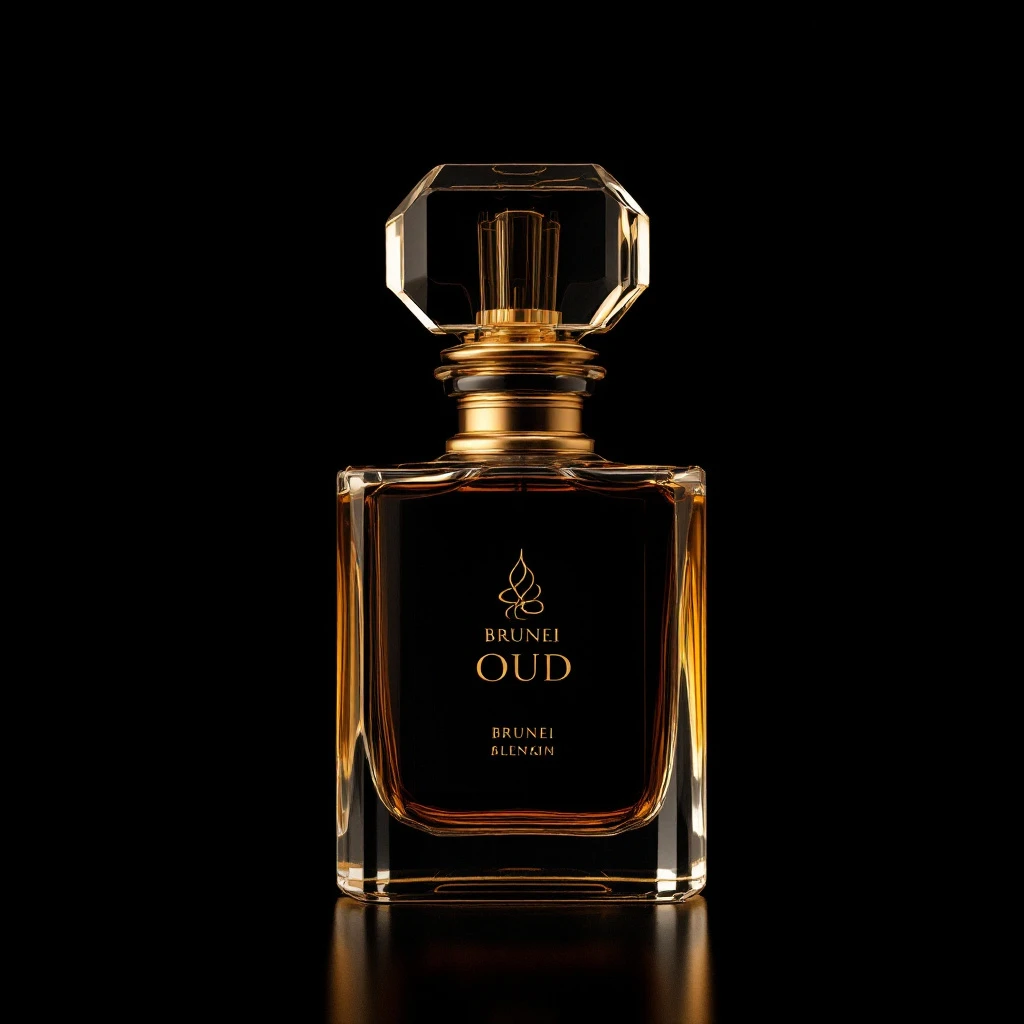
Brunei Oud typically presents deep woody, balsamic, and animalic facets with hints of damp earth, honey, and dried fruit. Wild Borneo varieties often carry a barnyard, leathery complexity that distinguishes them from lighter Cambodian or Laotian ouds.
When was agarwood first documented in Brunei?
Chinese Tang dynasty records from the 7th to 10th centuries reference Borneo's agarwood exports. By the 15th century, the Brunei Empire used oud ceremonially and as diplomatic currency across Southeast Asian trade routes.
Can Brunei Oud be used in Western perfumery?
Yes, though Western perfumers typically use heavily diluted concentrations. Brunei's intensity suits base-note applications in oriental compositions, where a single drop can anchor an entire fragrance structure for hours.
Is Brunei Oud the same as Cambodian Oud?
No. While both derive from Aquilaria species, Brunei Oud comes from Borneo's wetter tropical climate, producing distinct animalic, honeyed facets. Cambodian oud tends toward sweeter, fruitier profiles due to different soil and fungal conditions.